


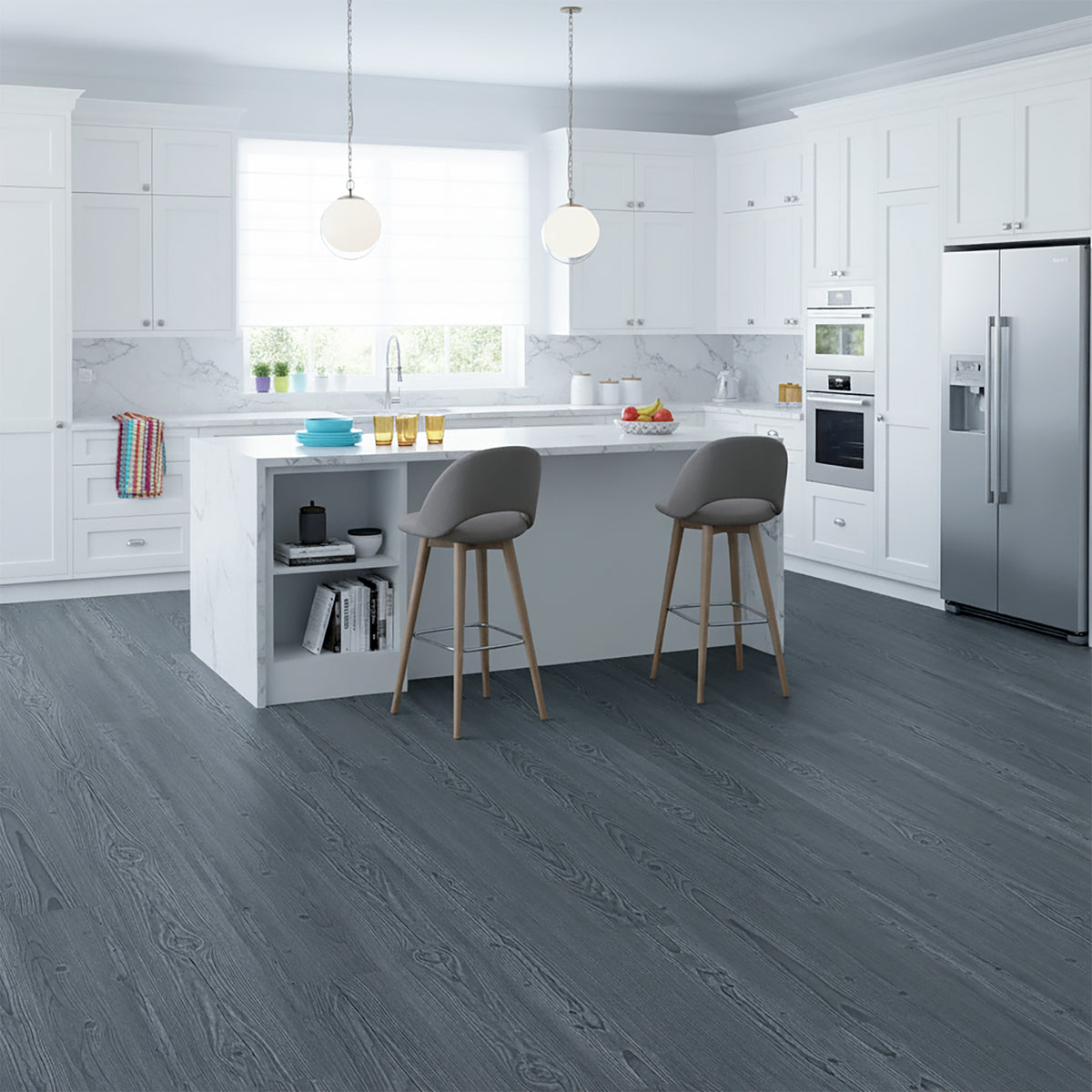


Click Lock Flooring - Vinyl Planks & Tiles
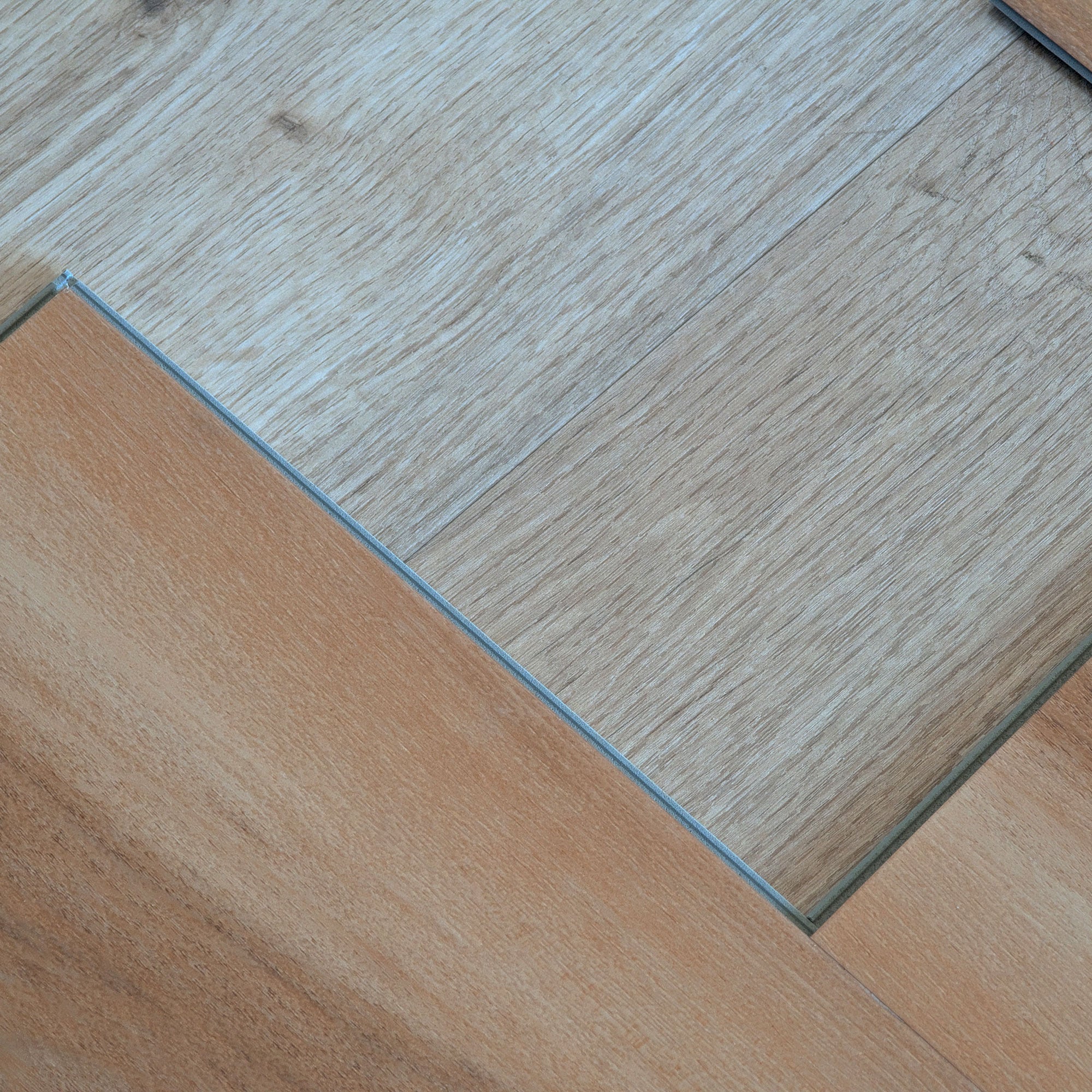
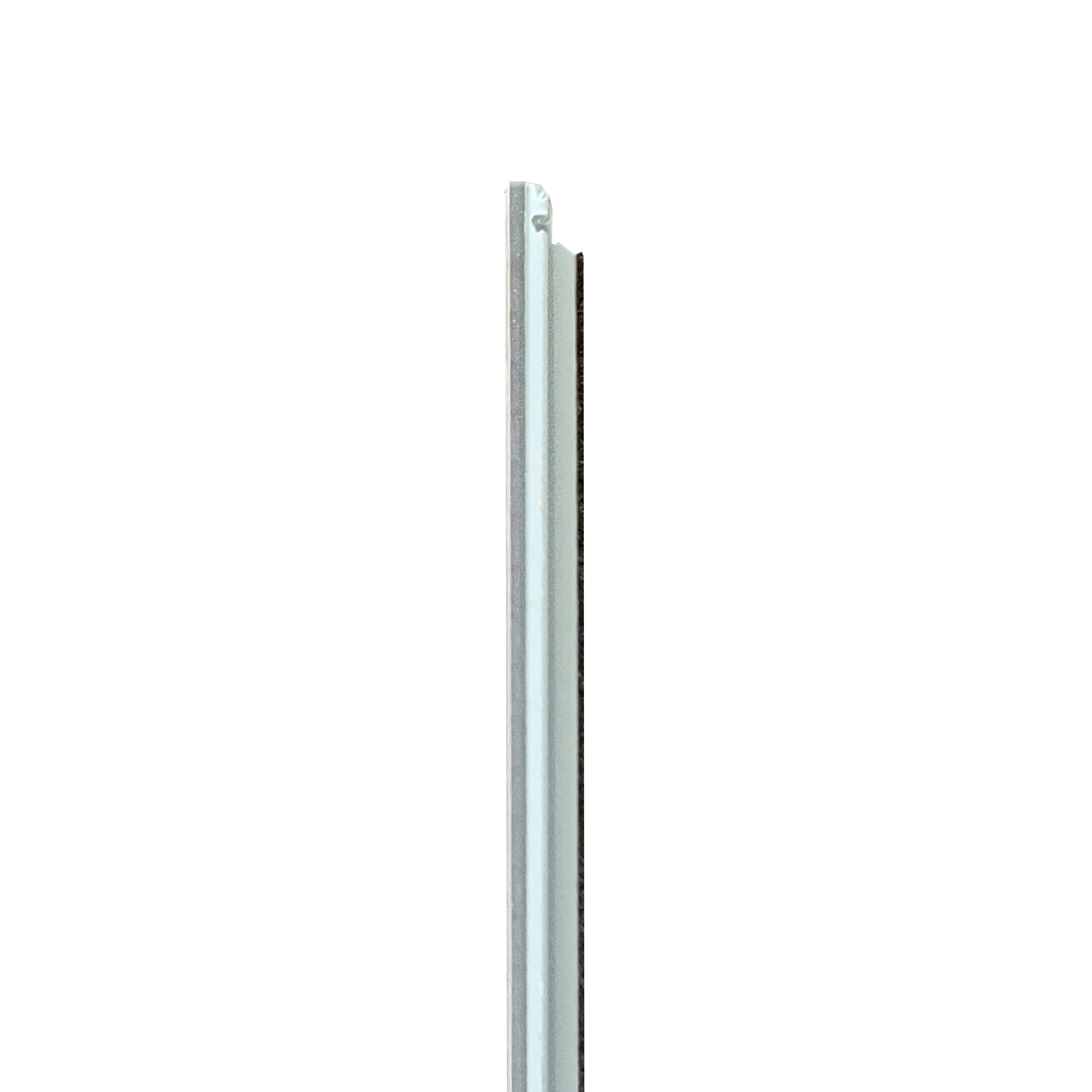
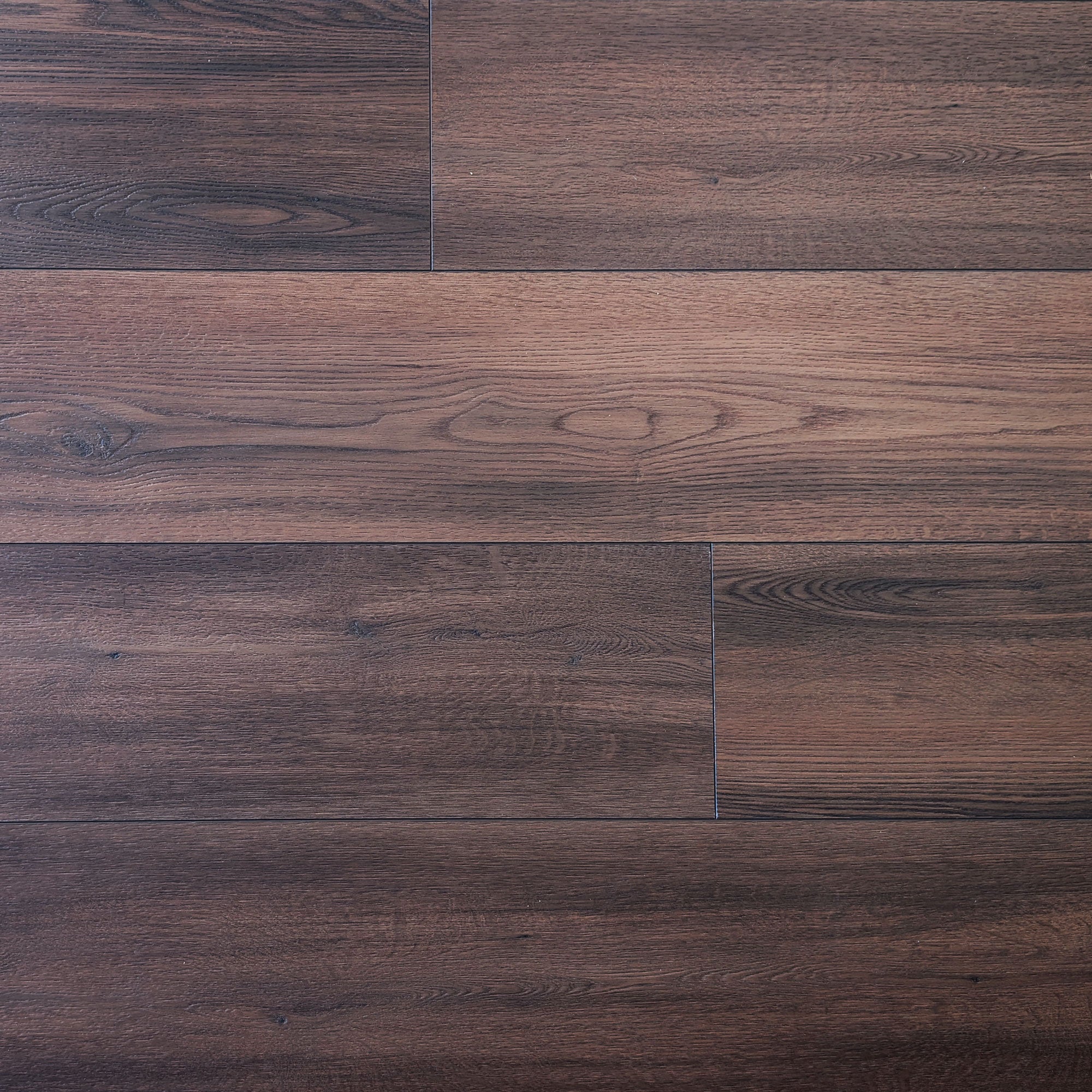
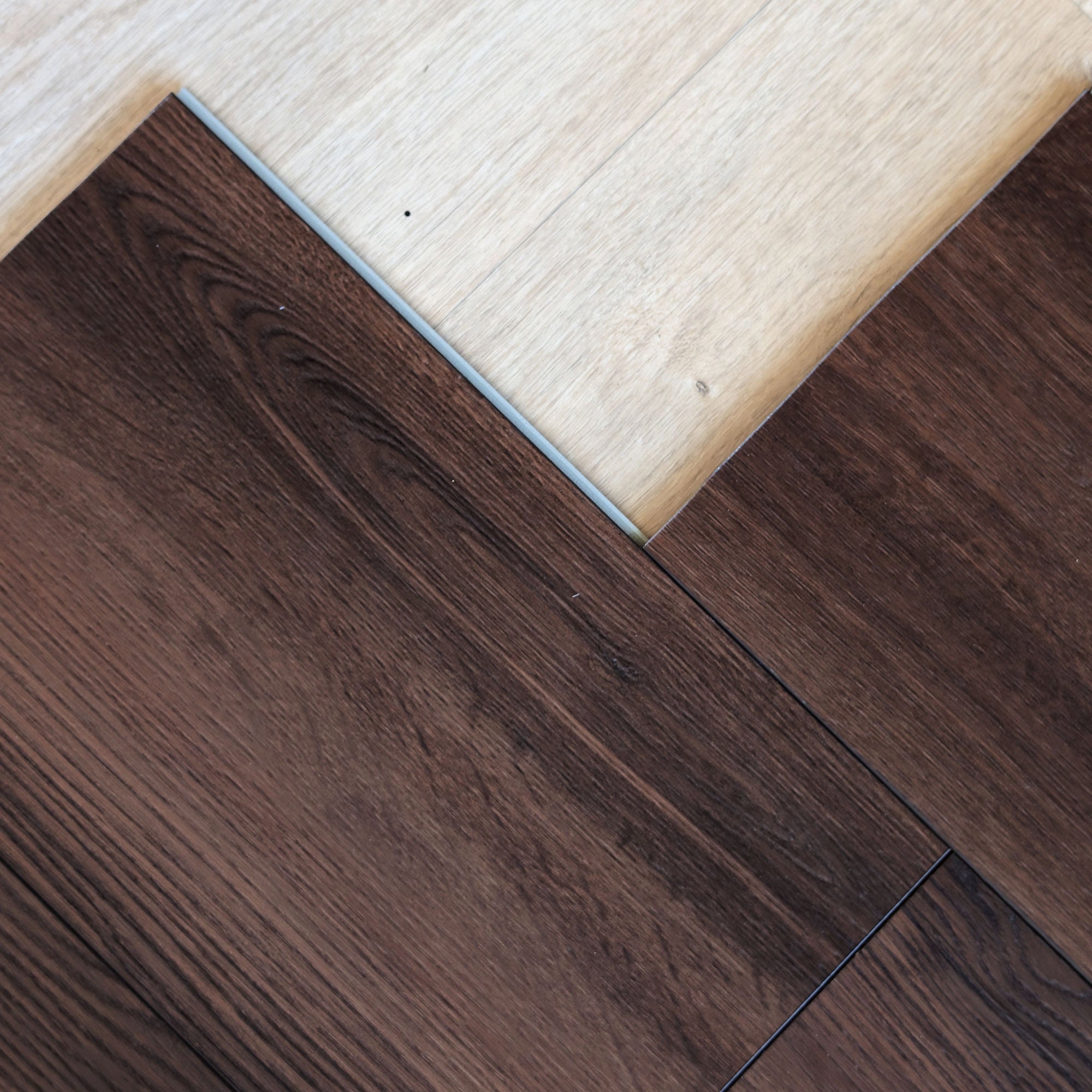
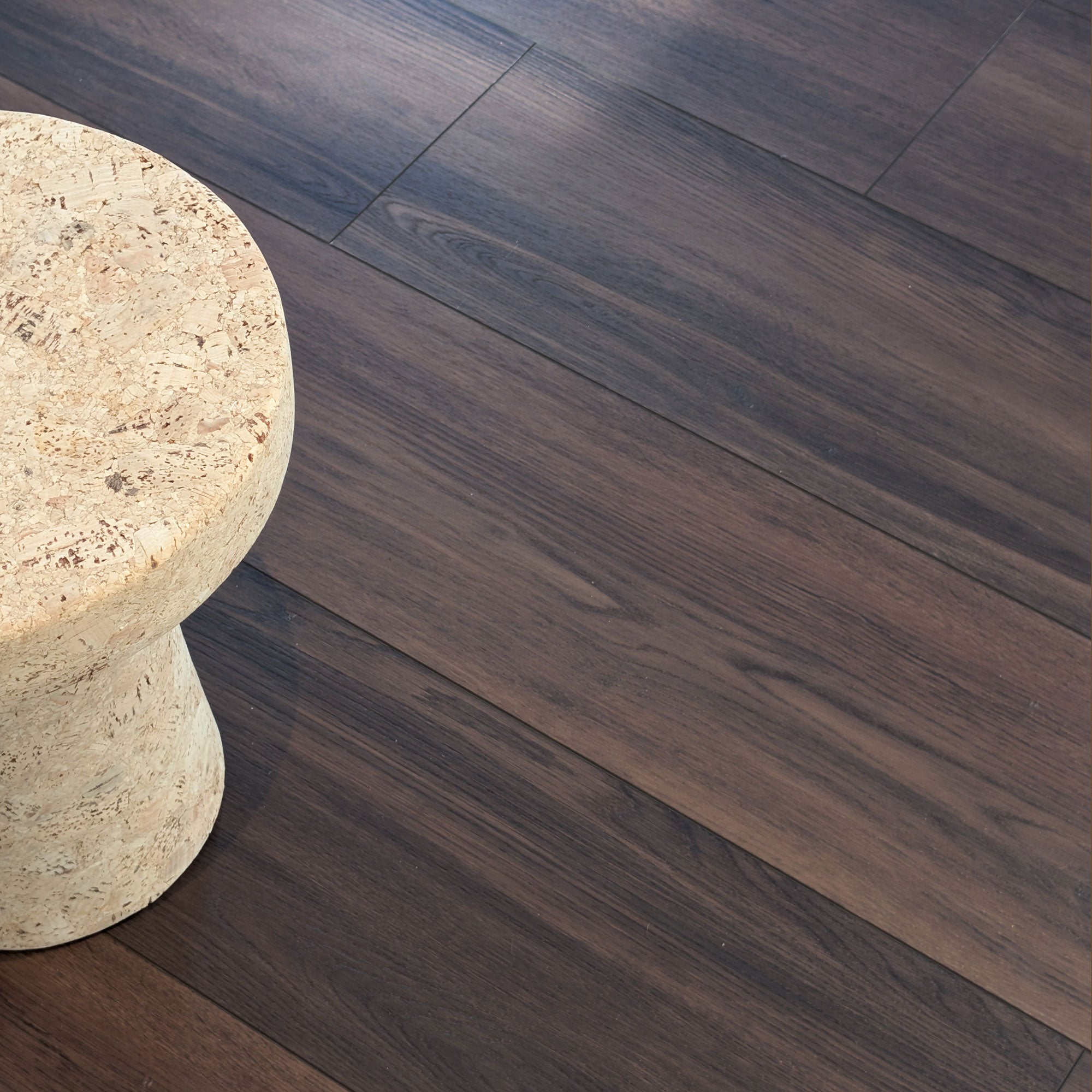
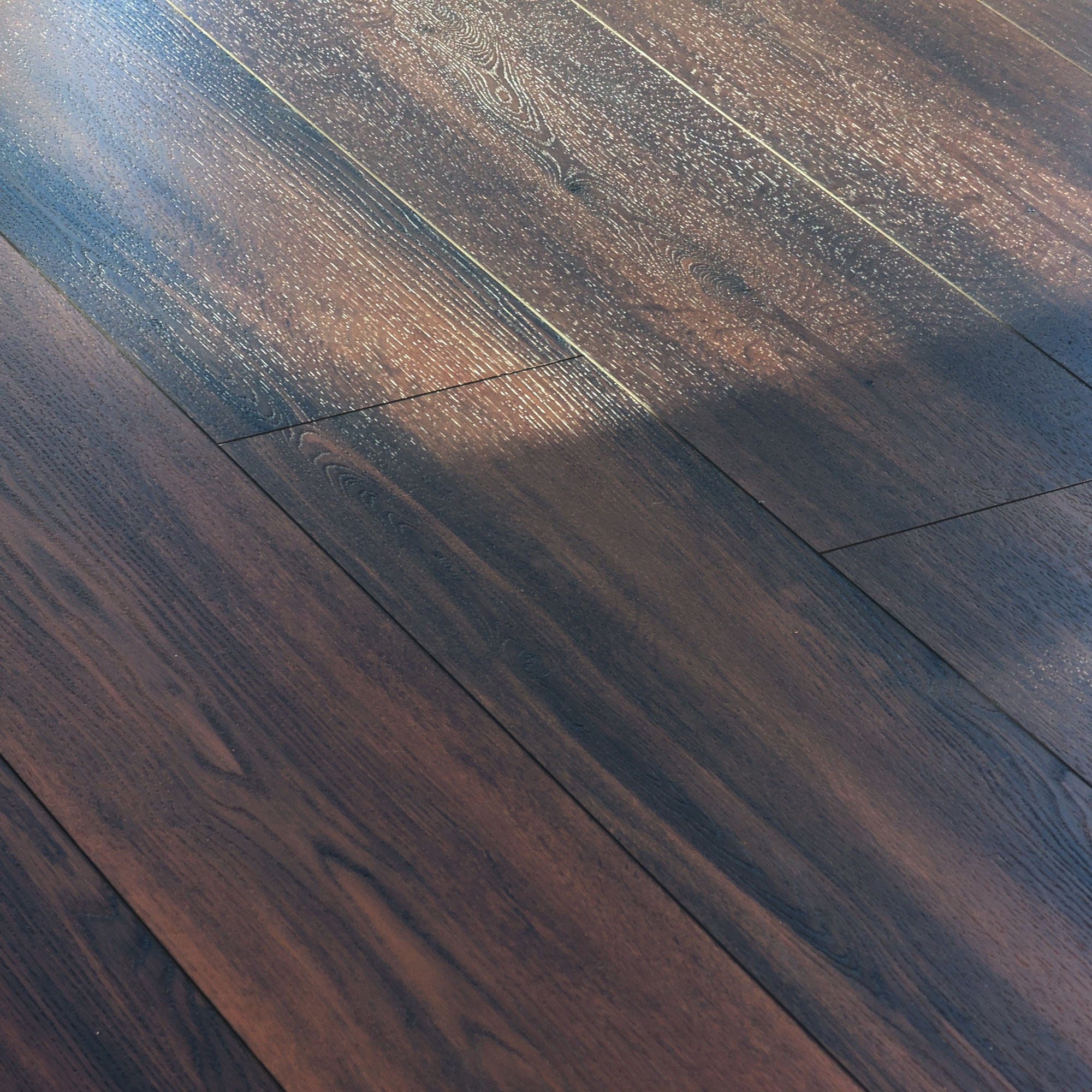
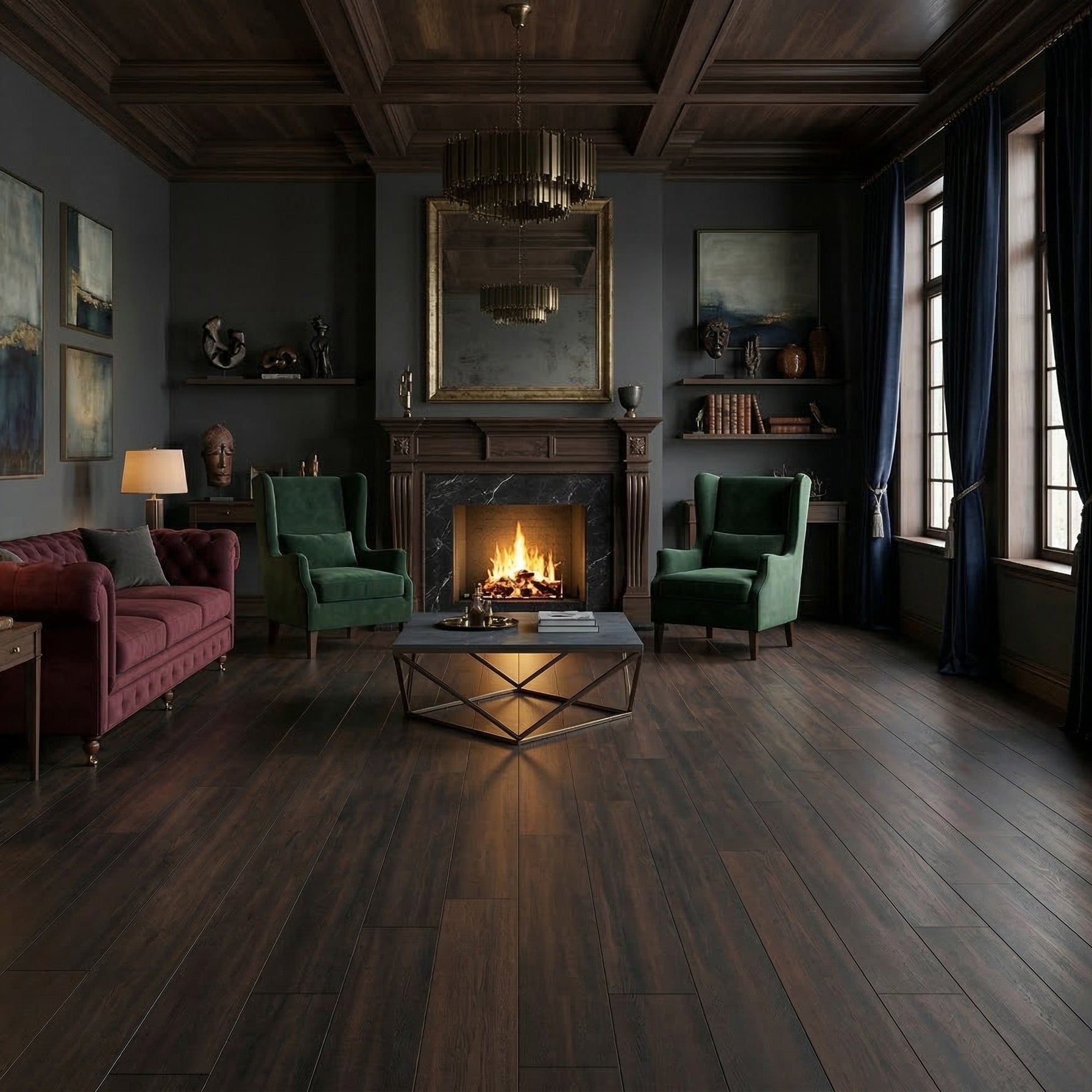
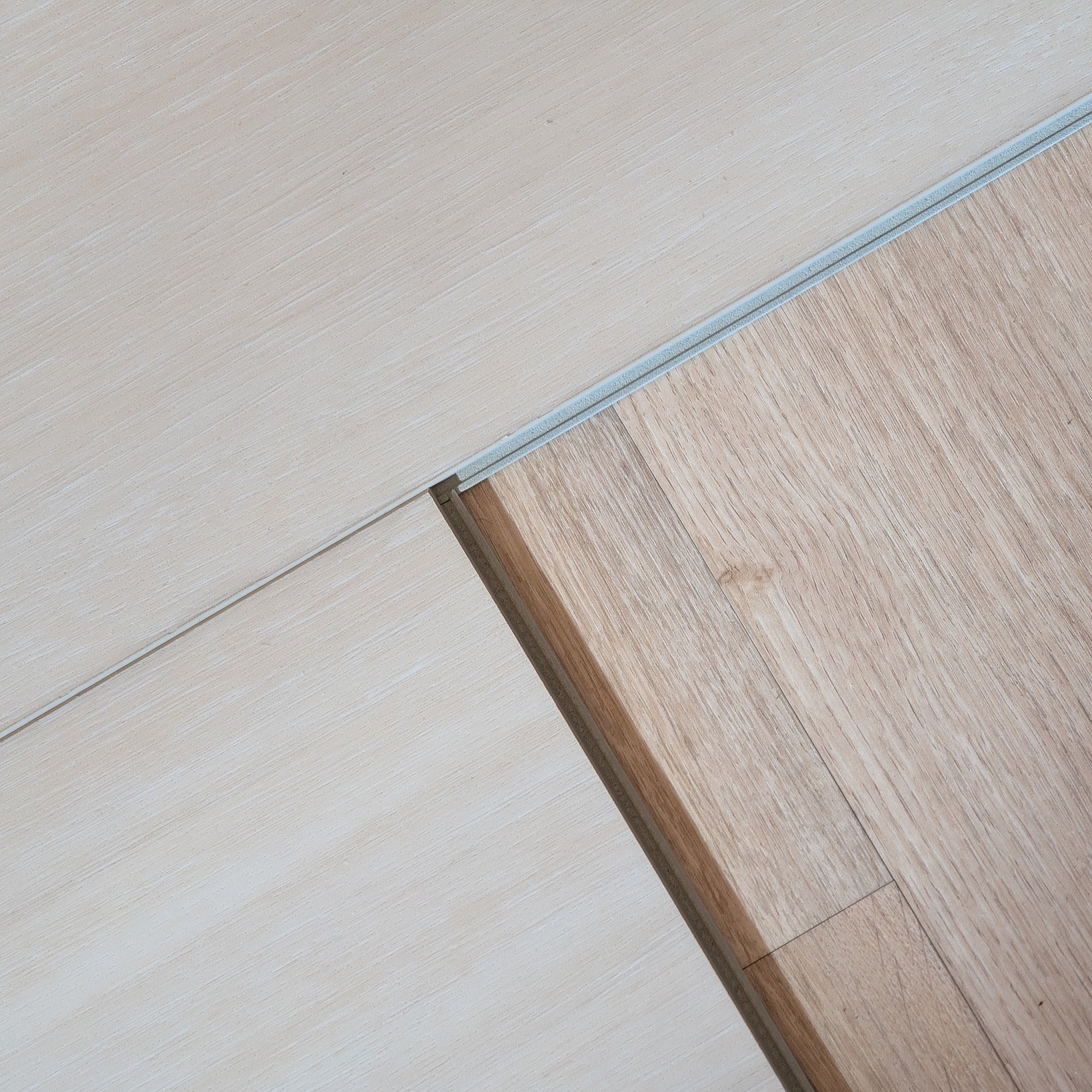
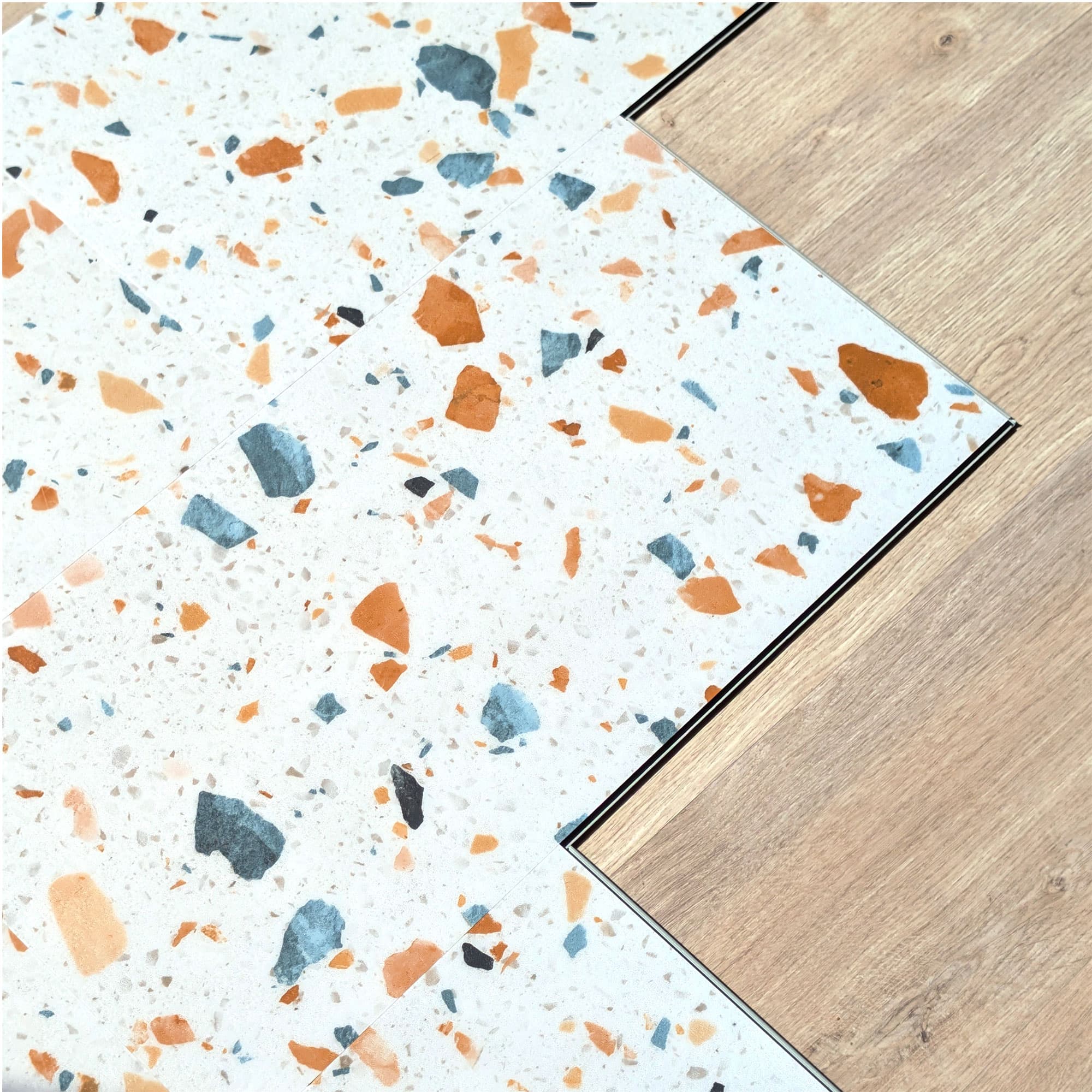
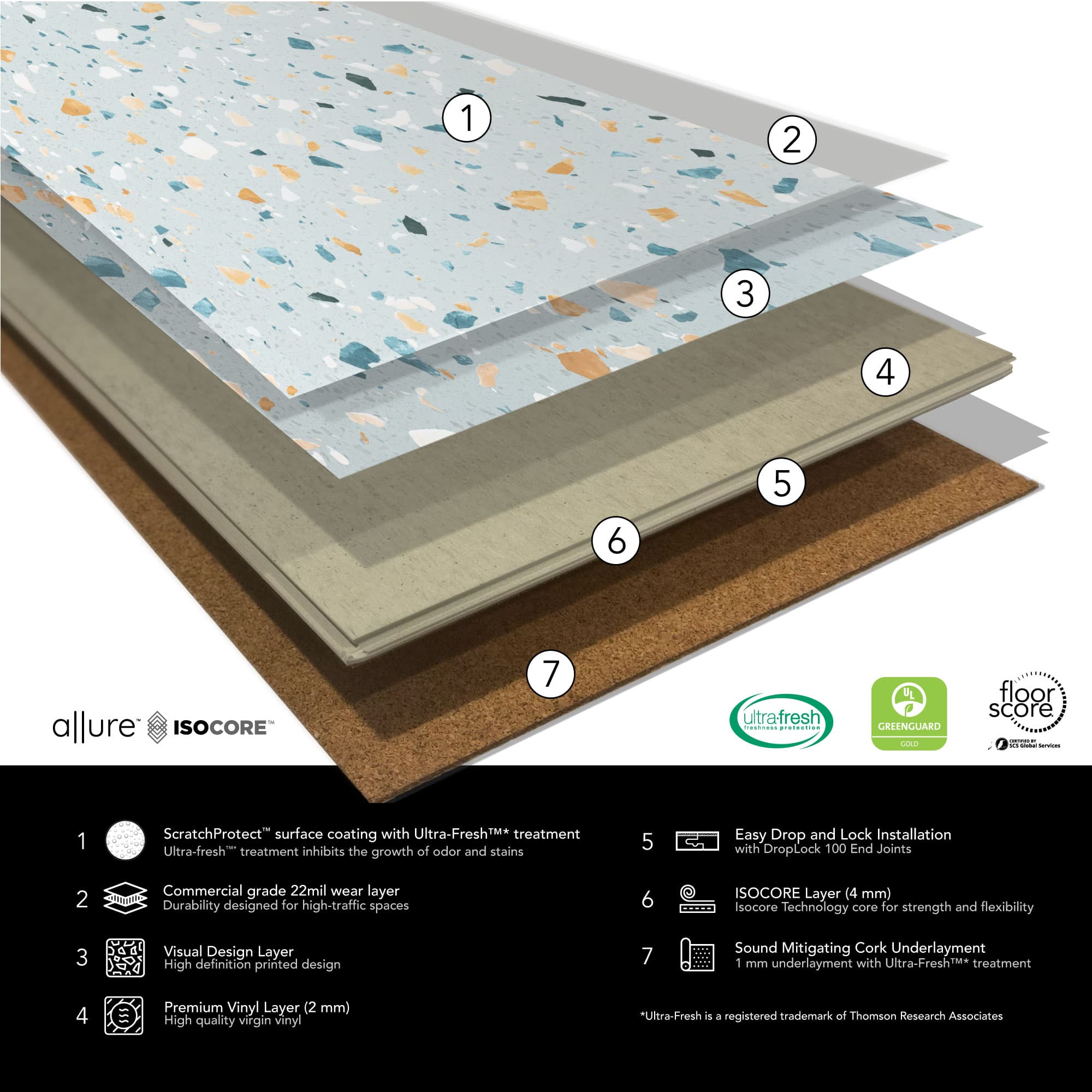
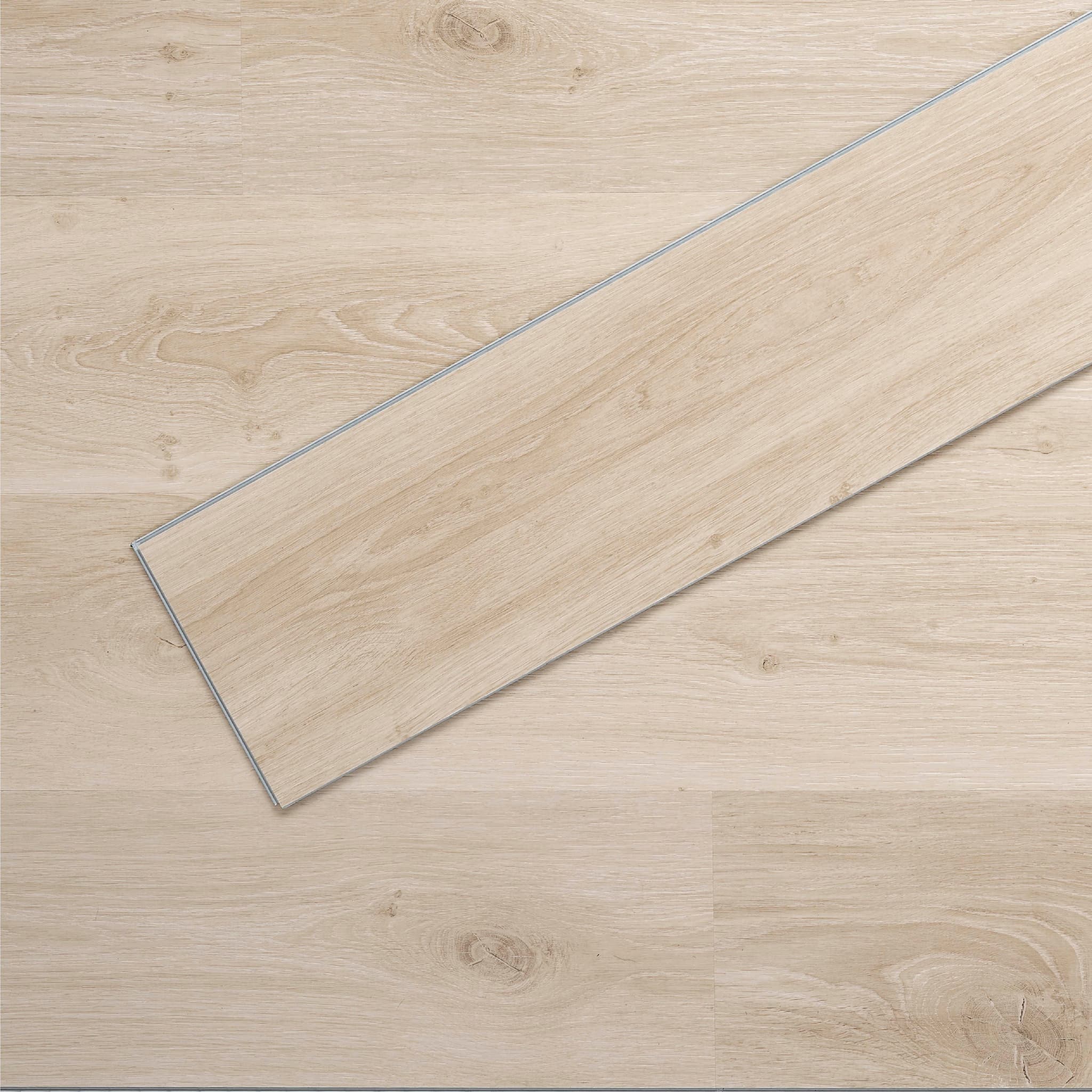
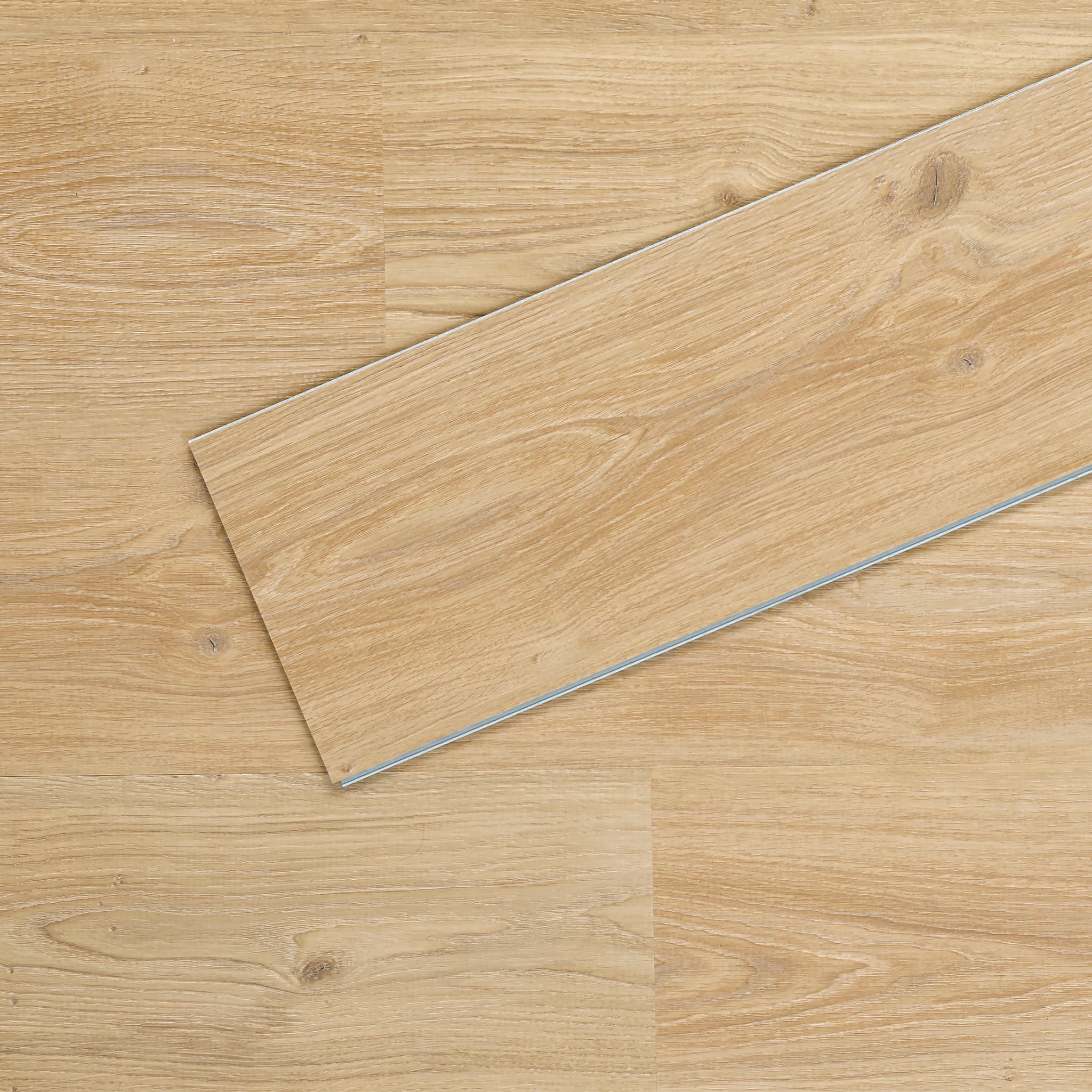
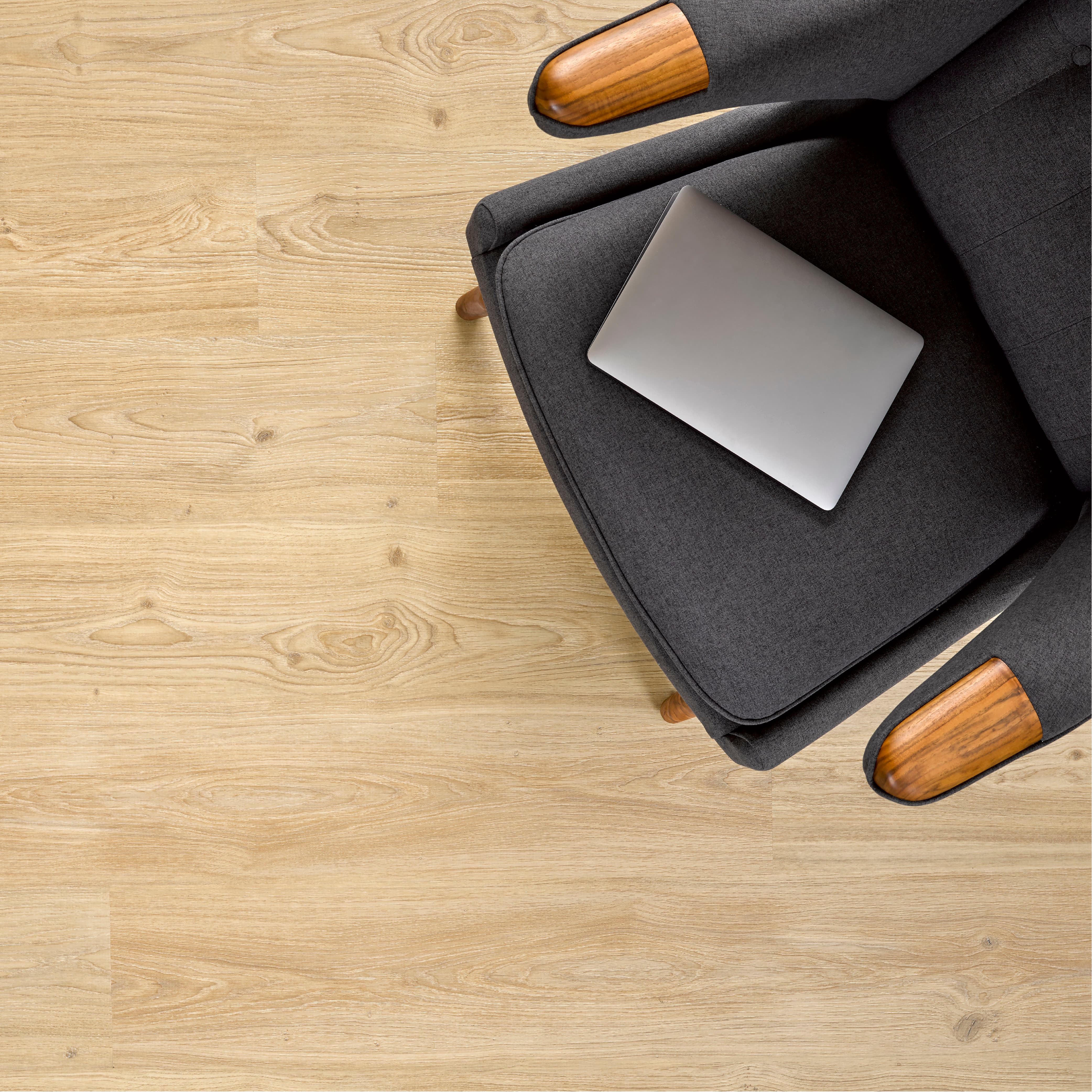
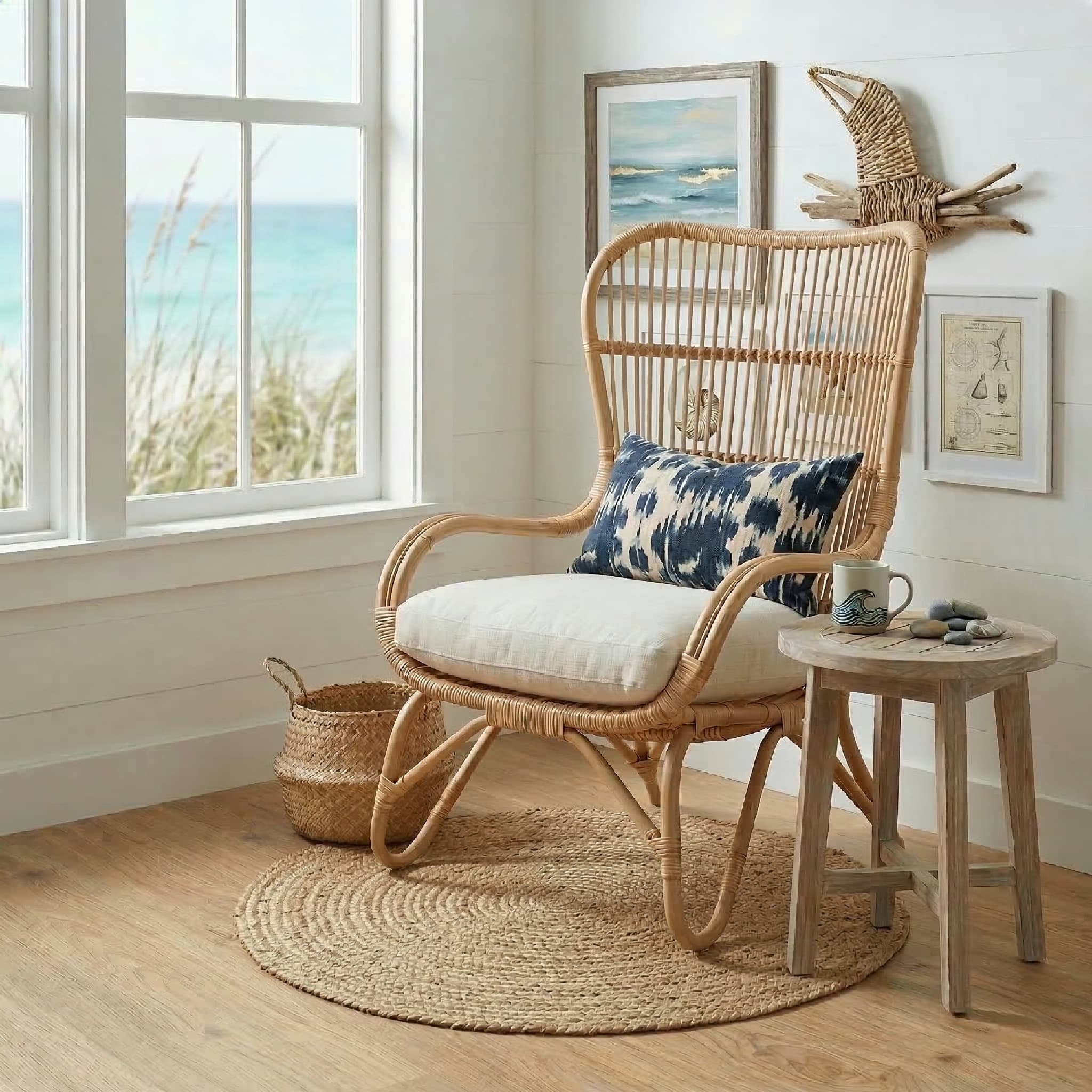
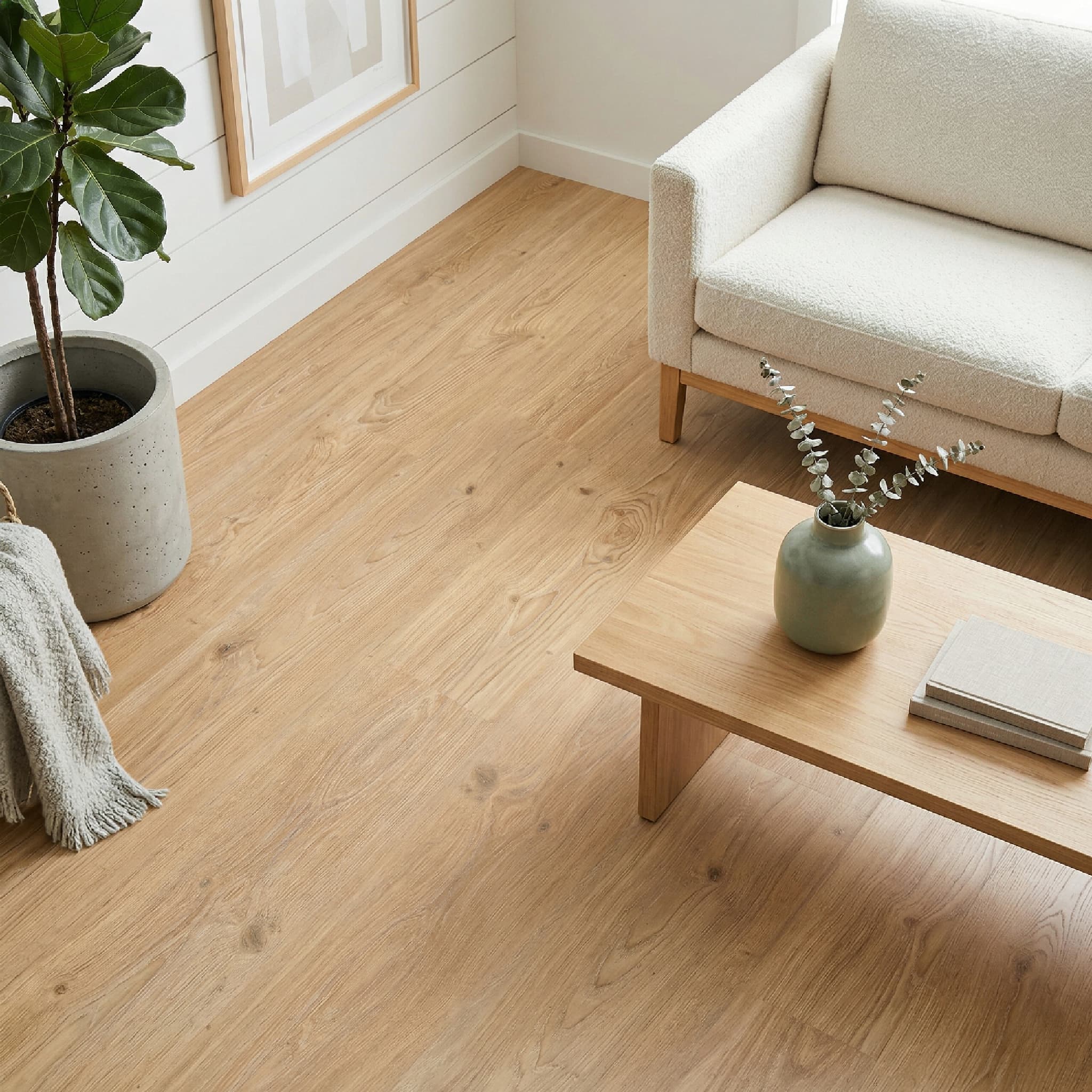
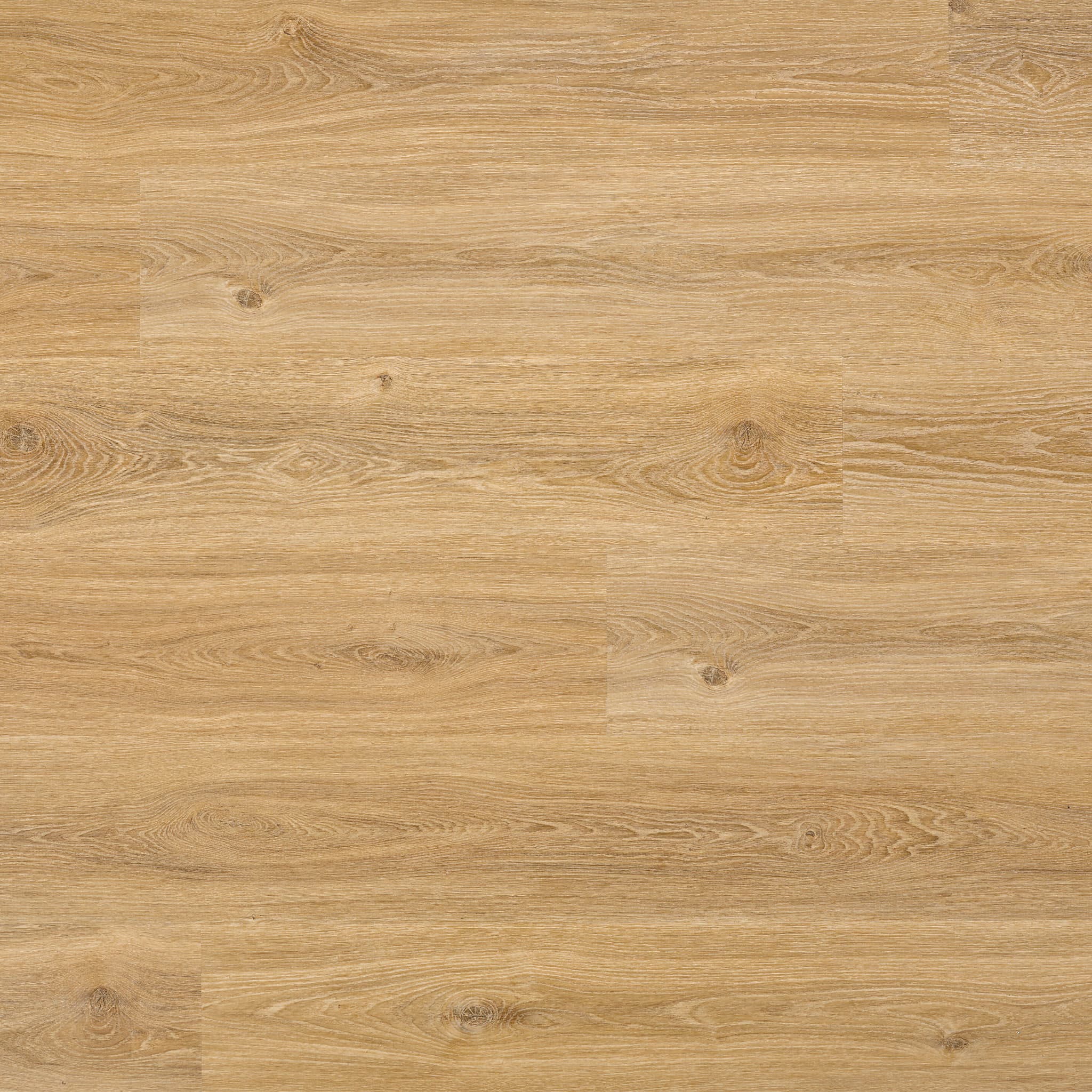
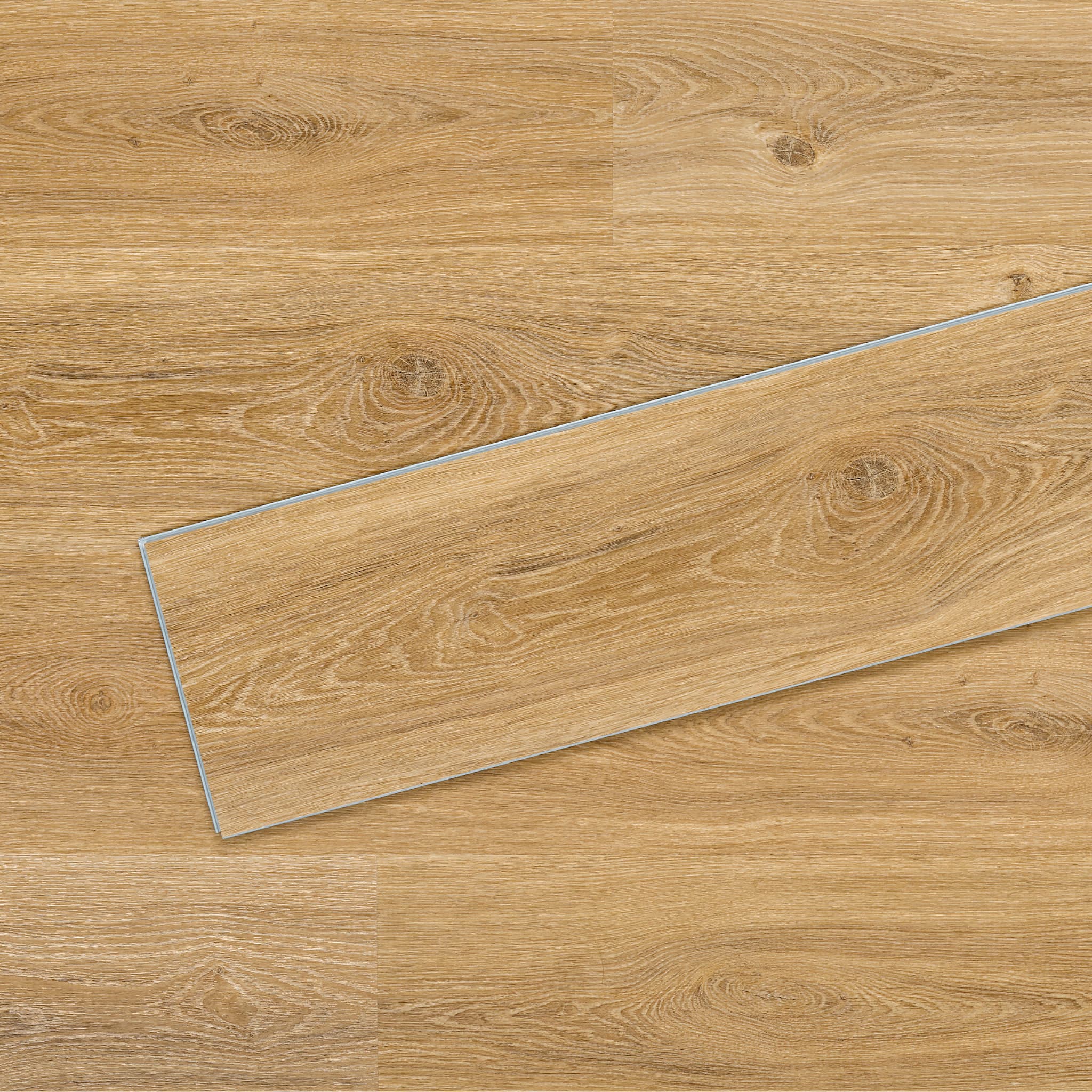
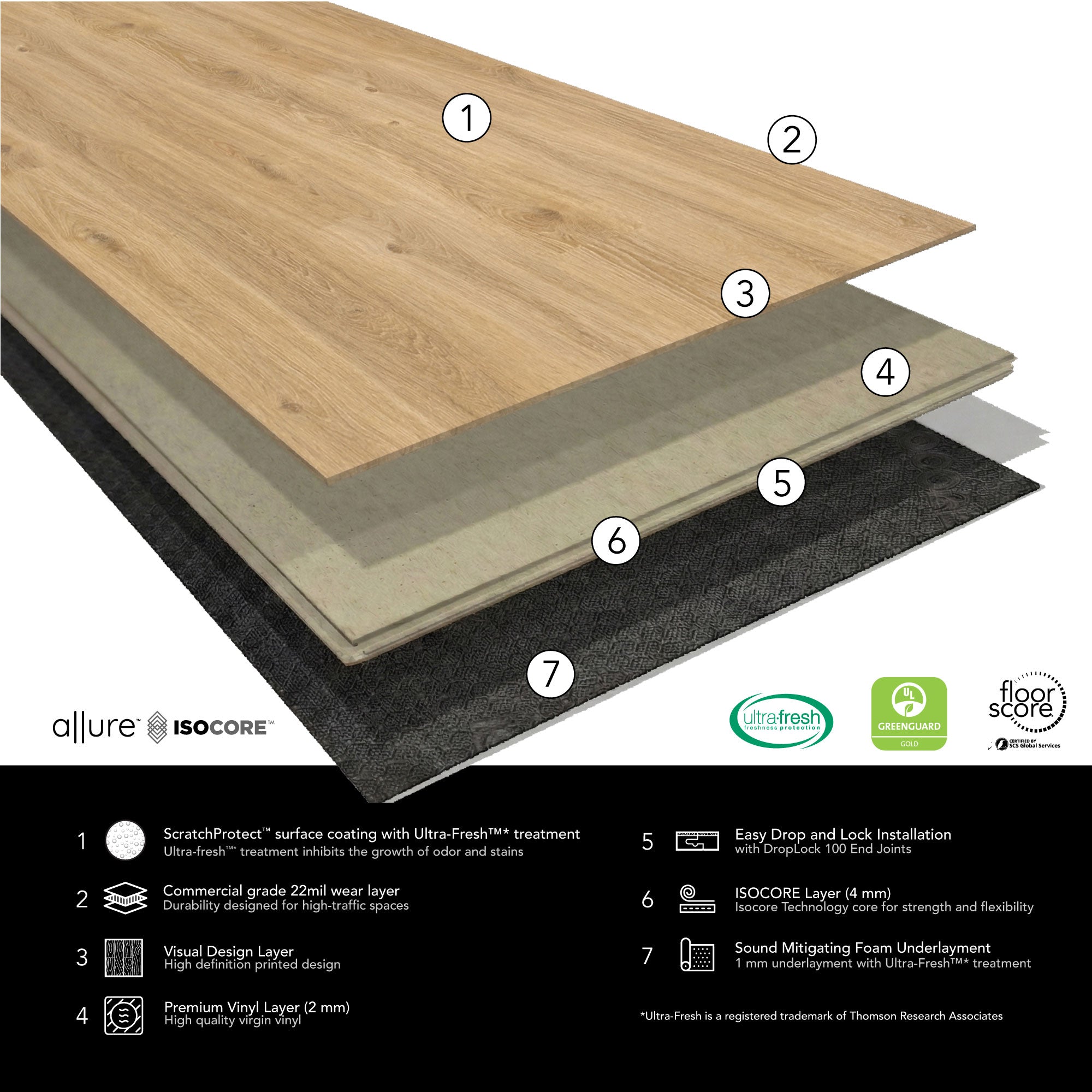
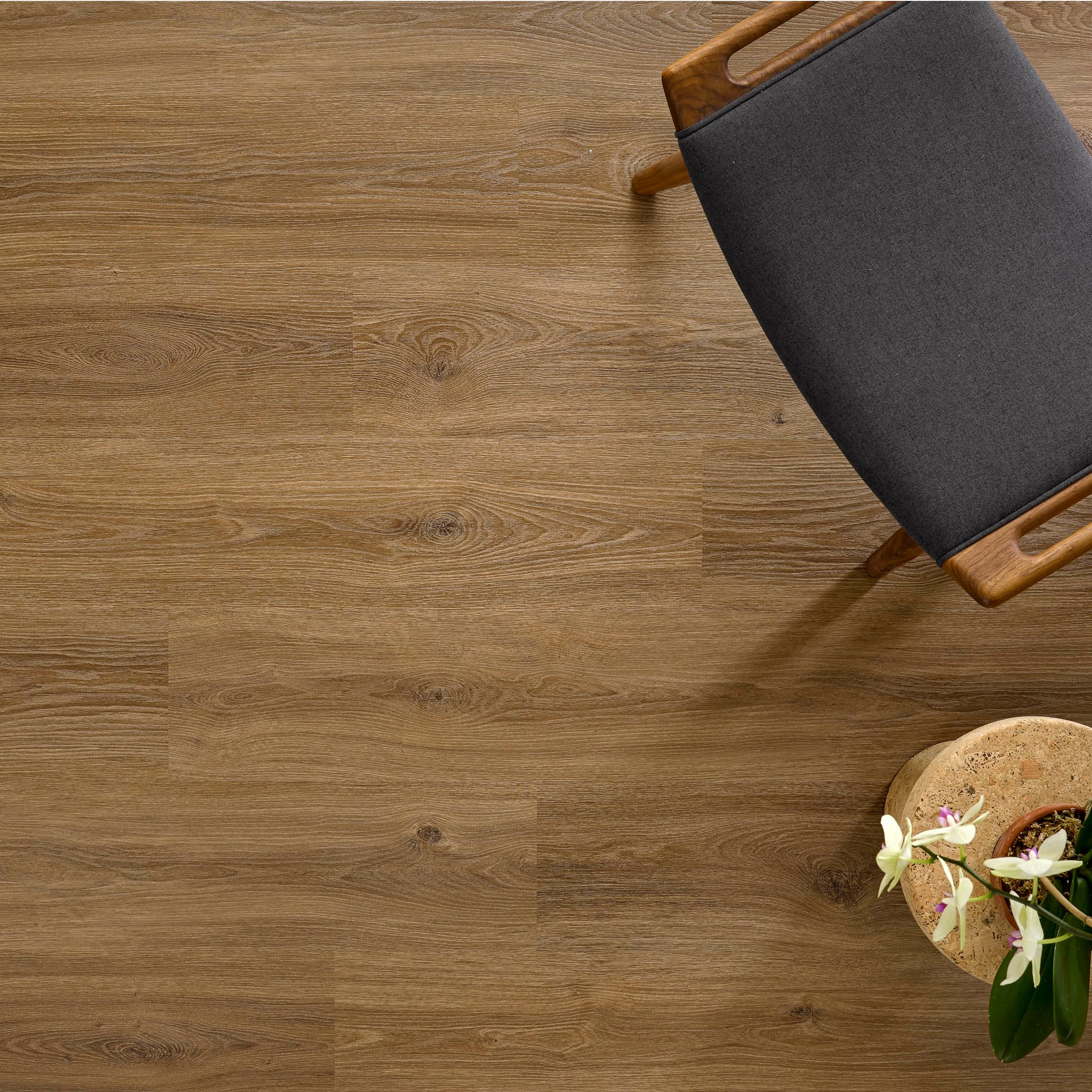
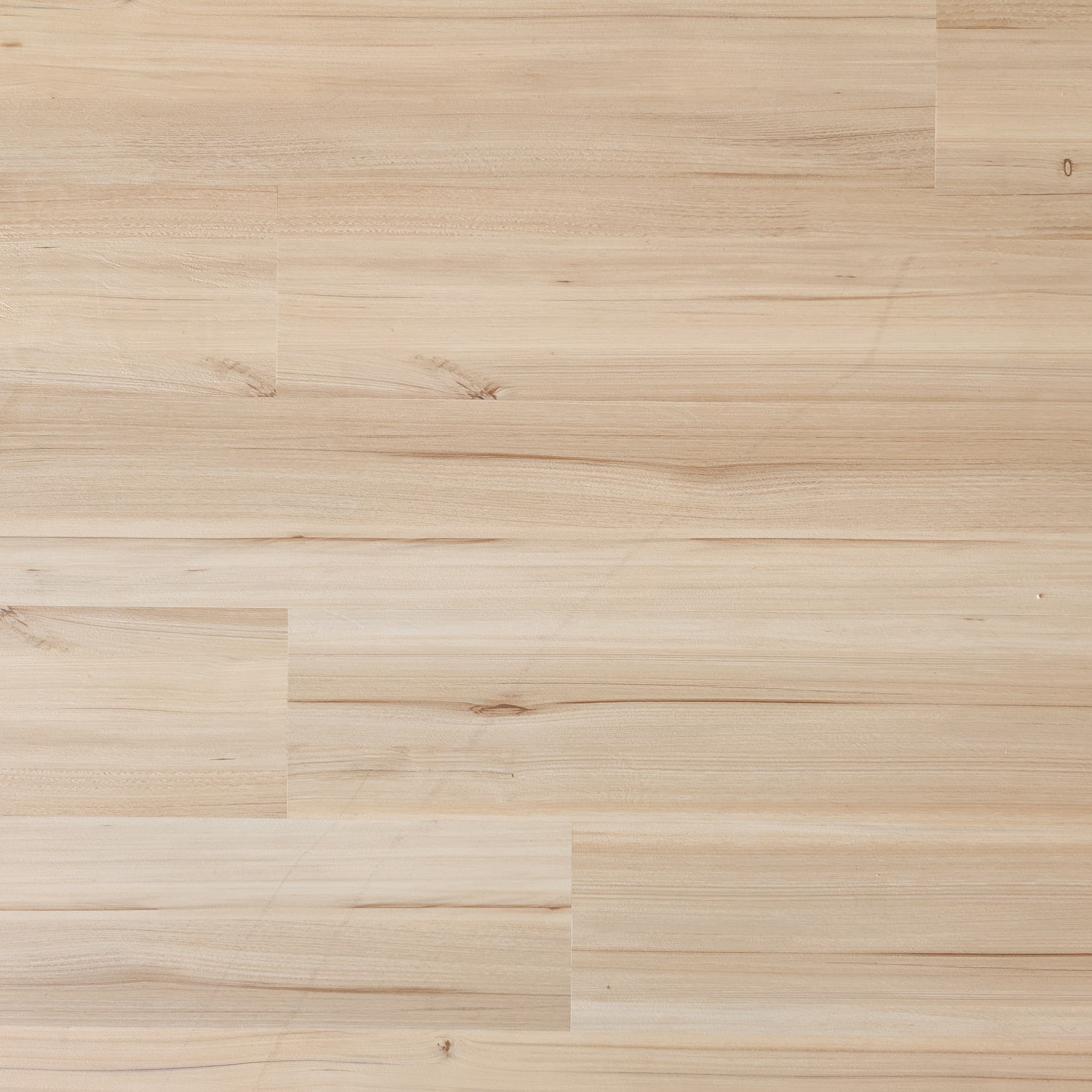
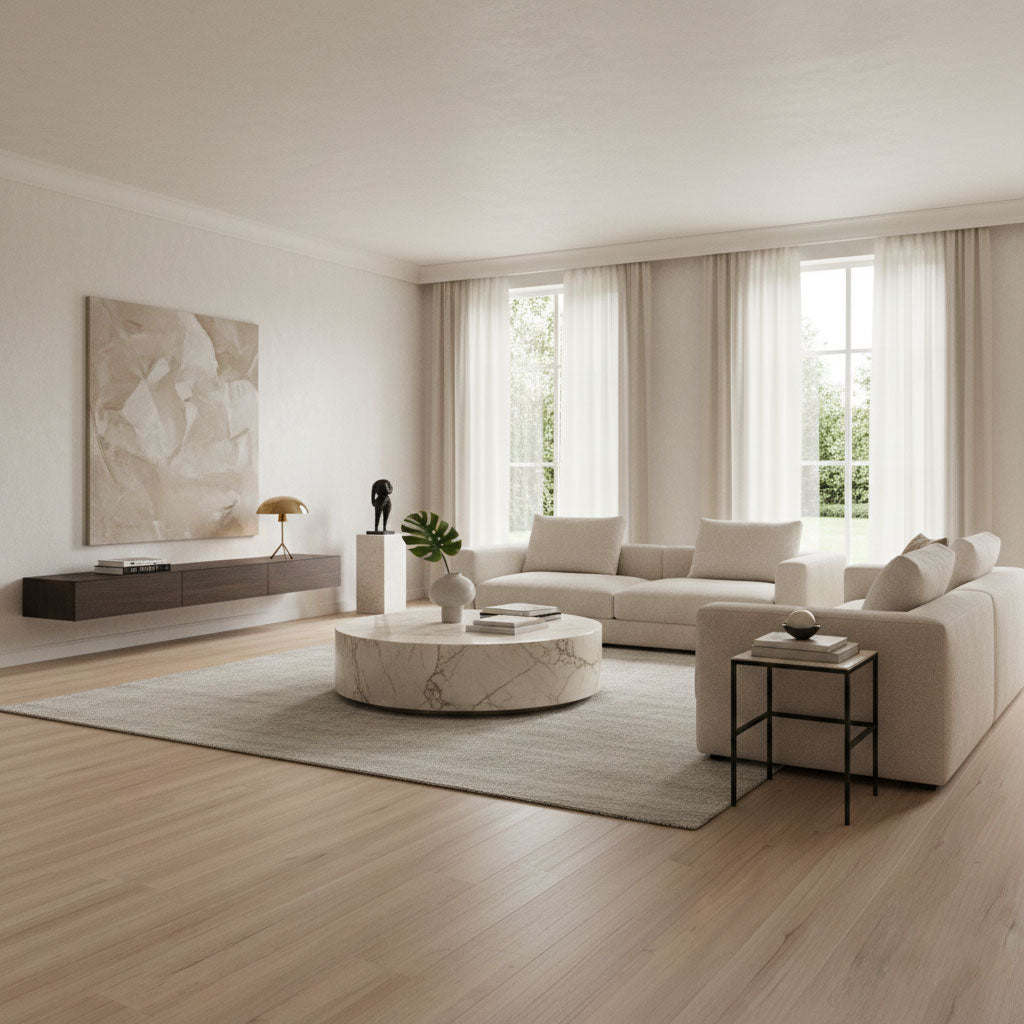
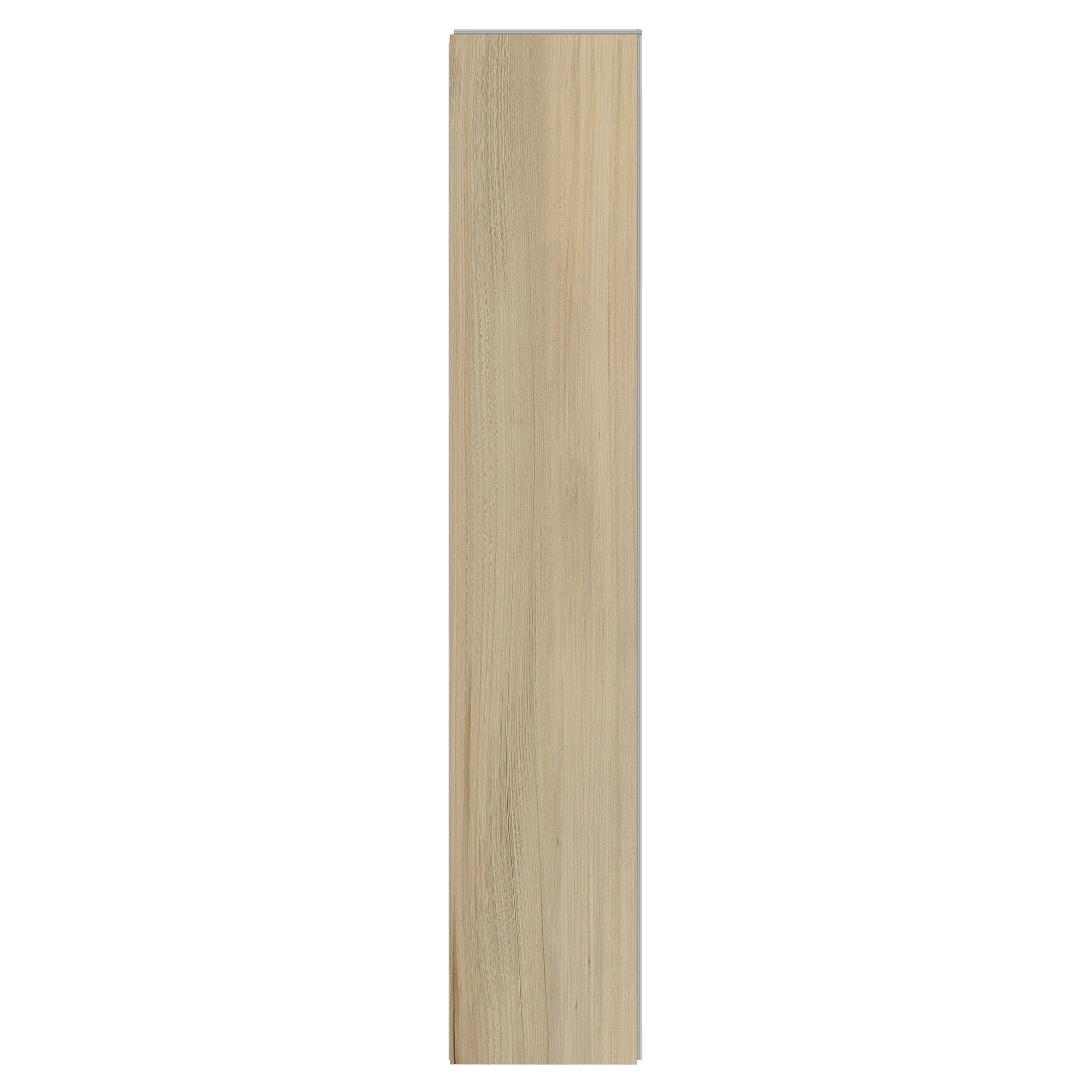
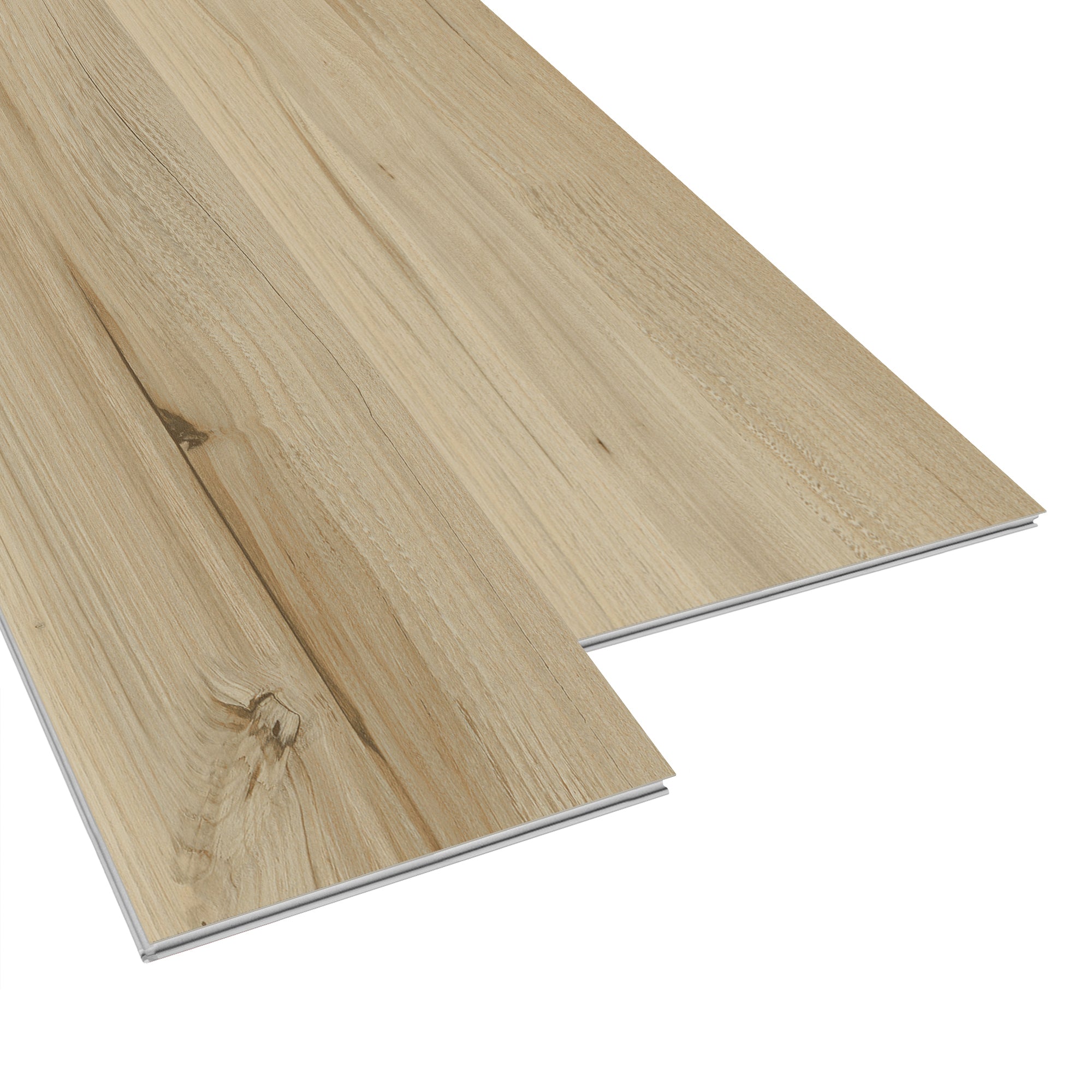
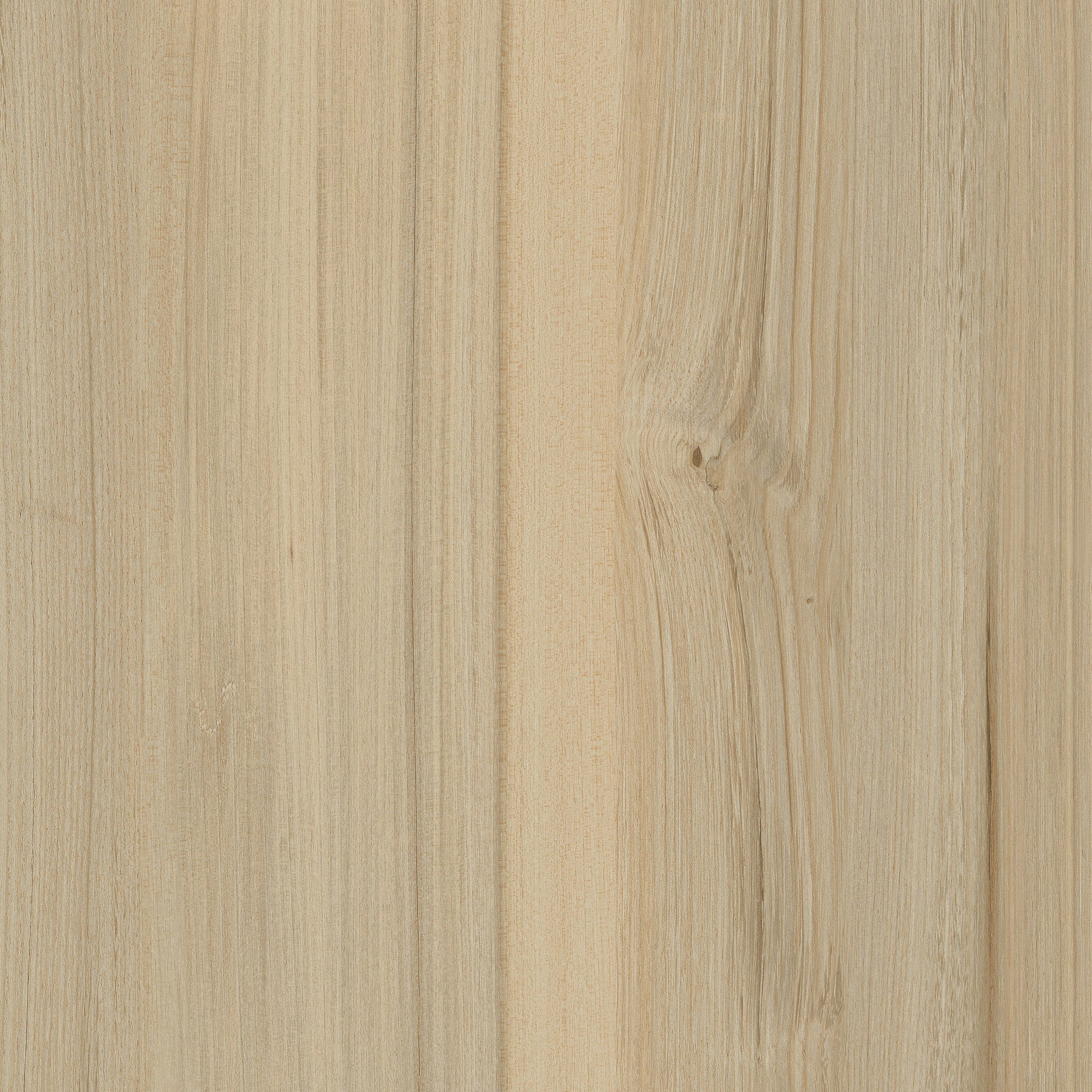
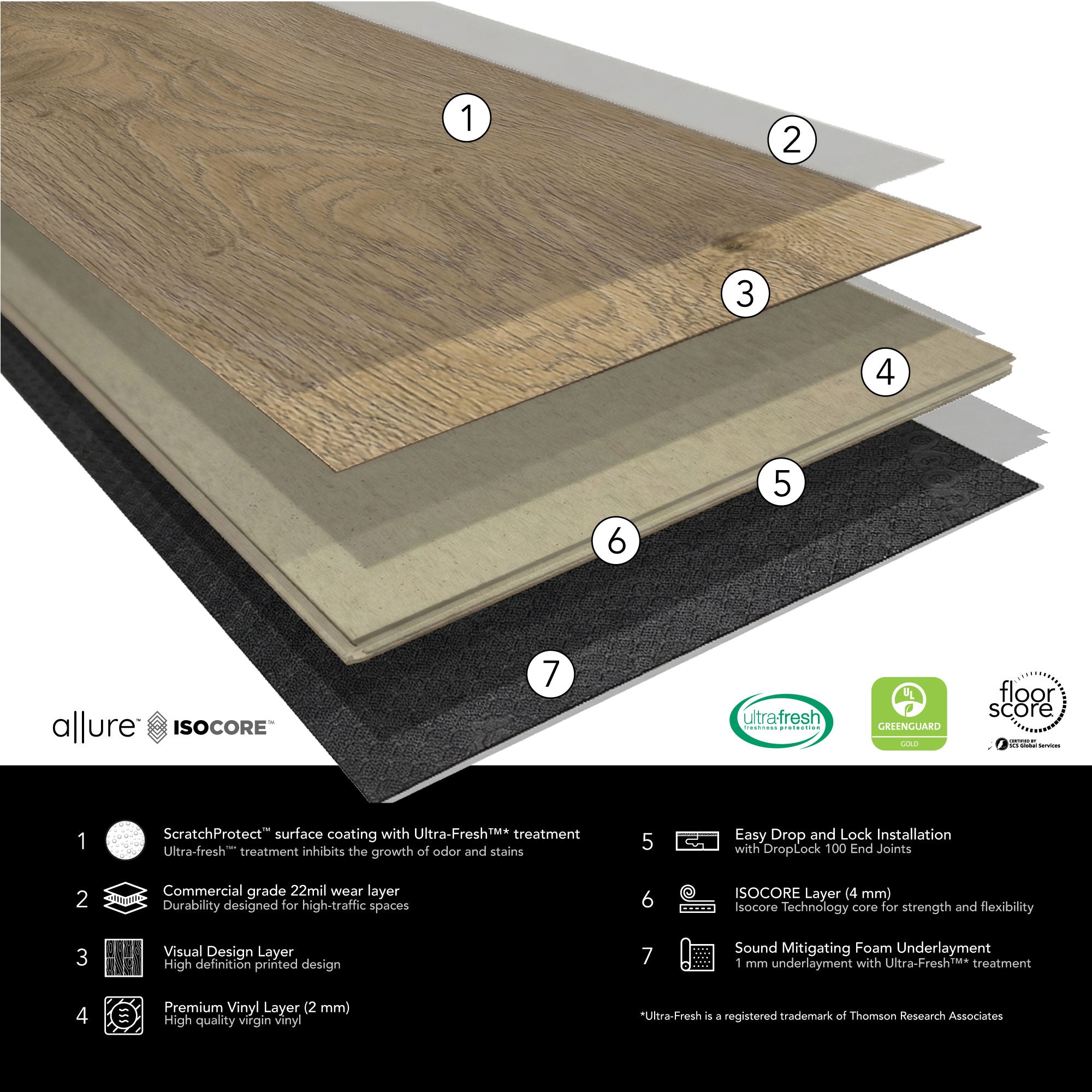
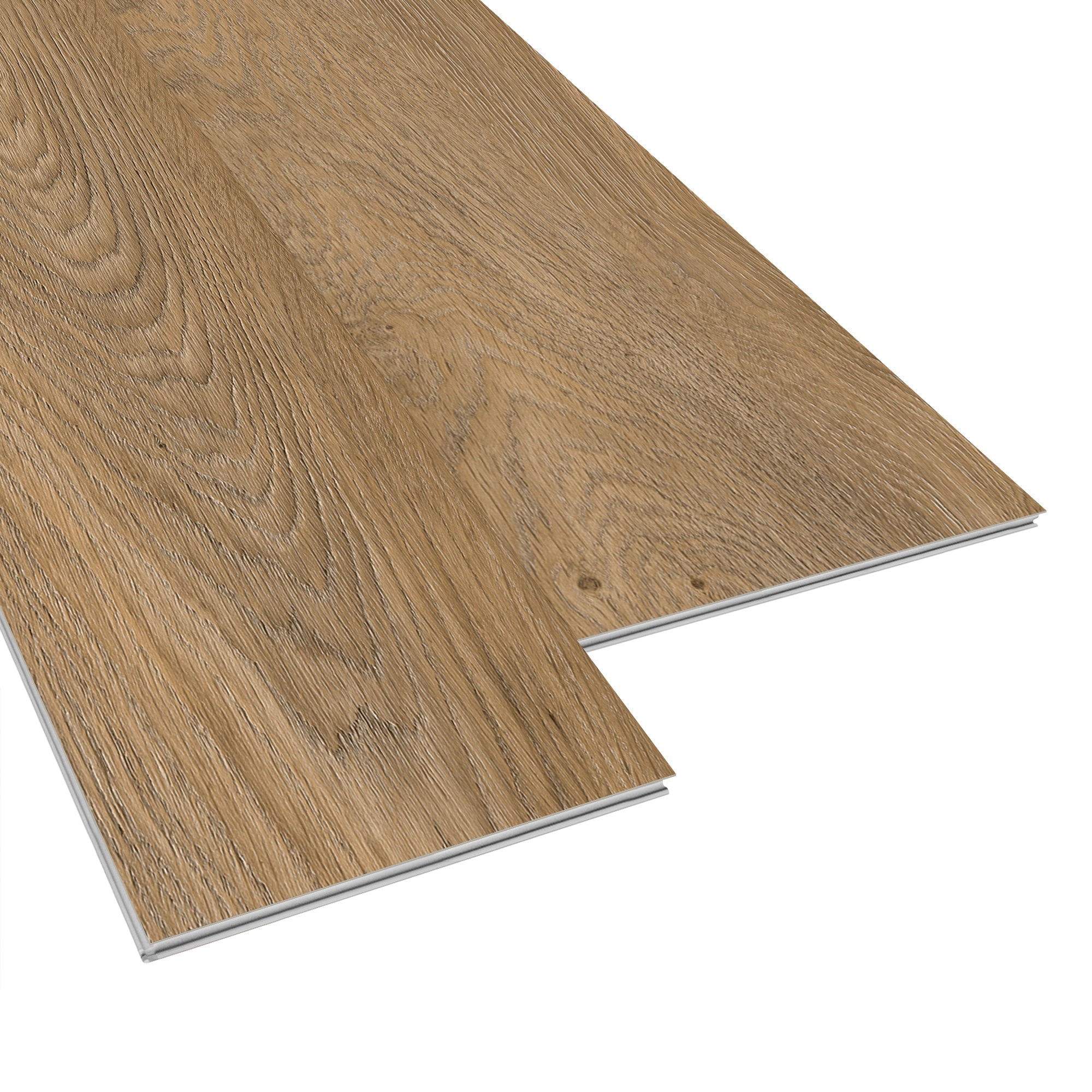
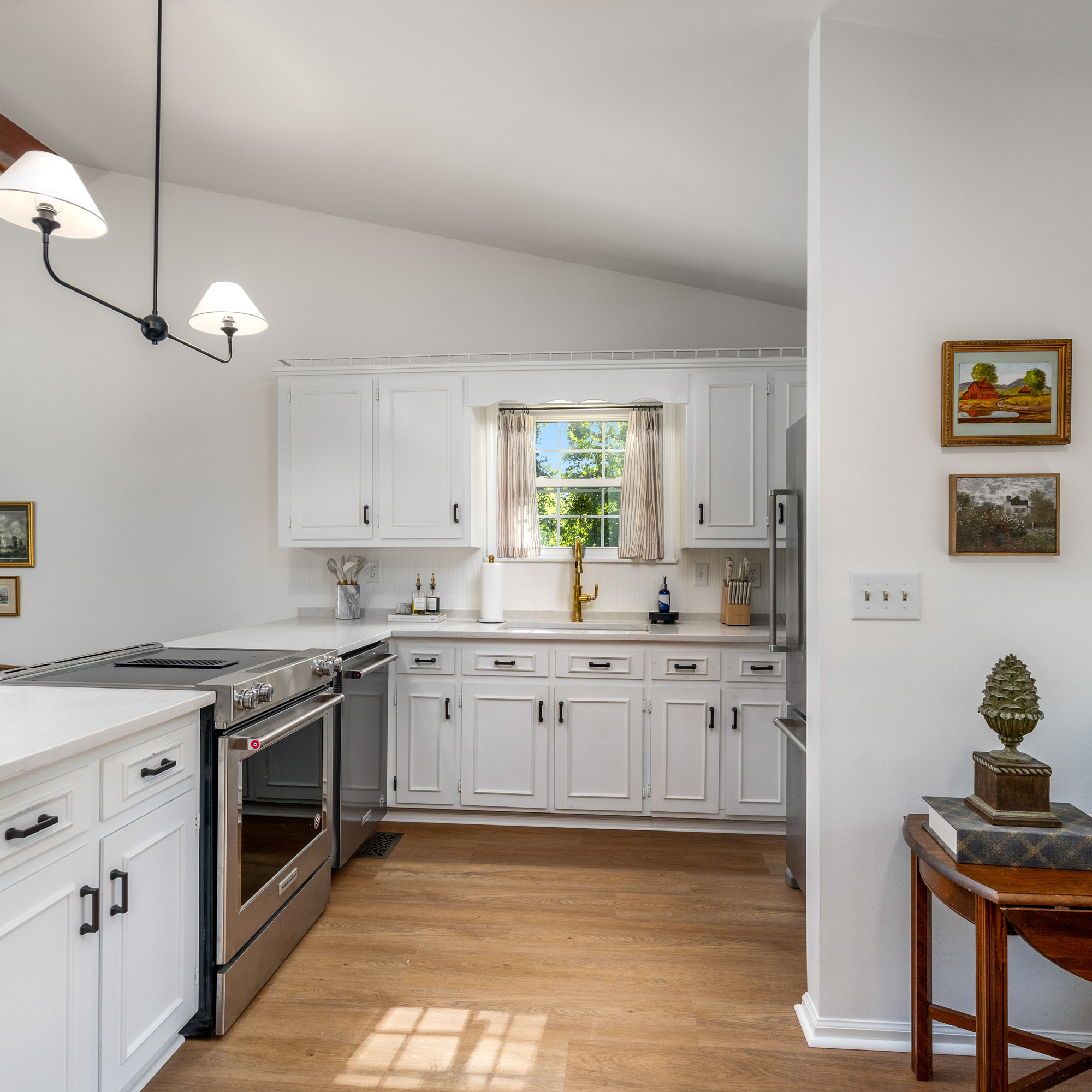
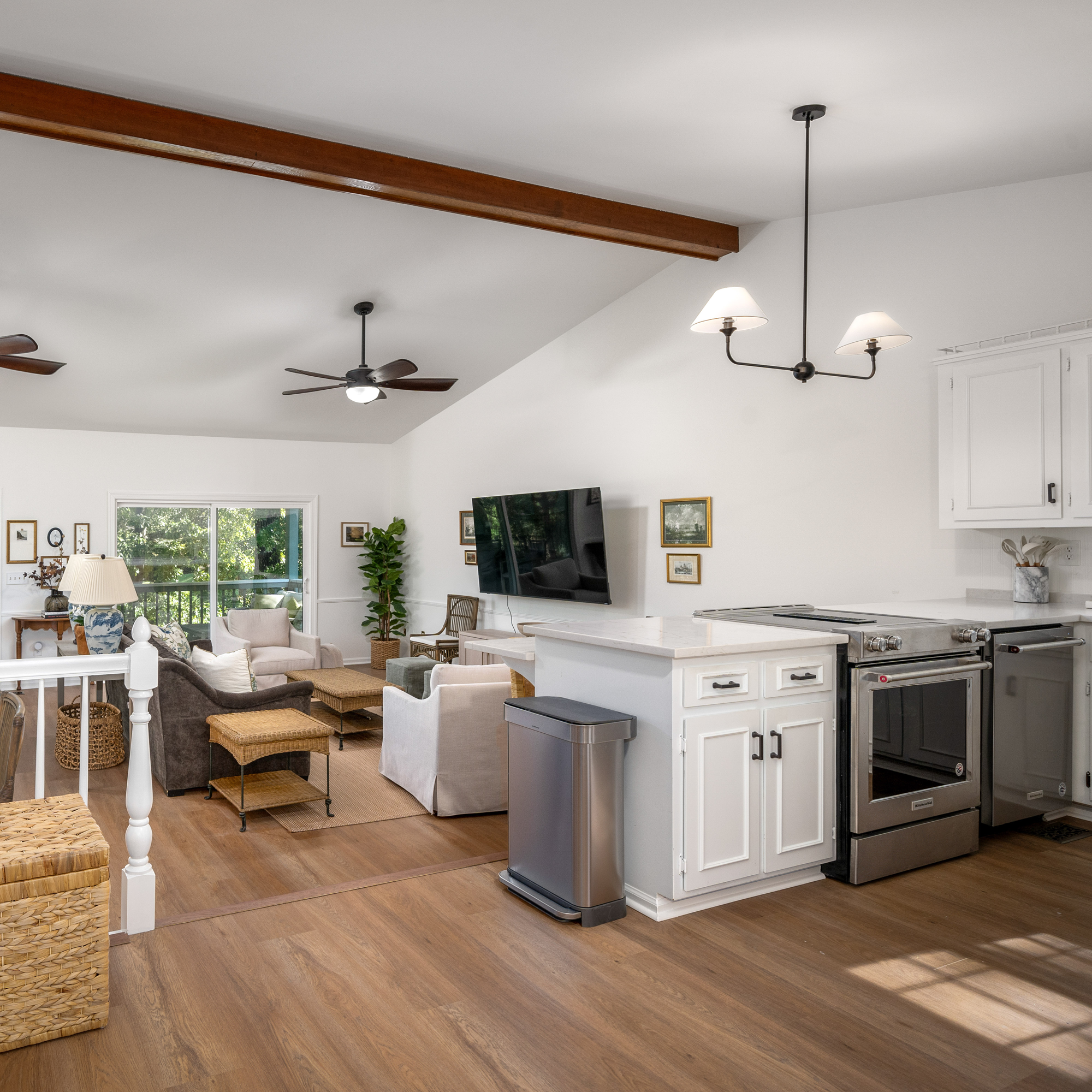
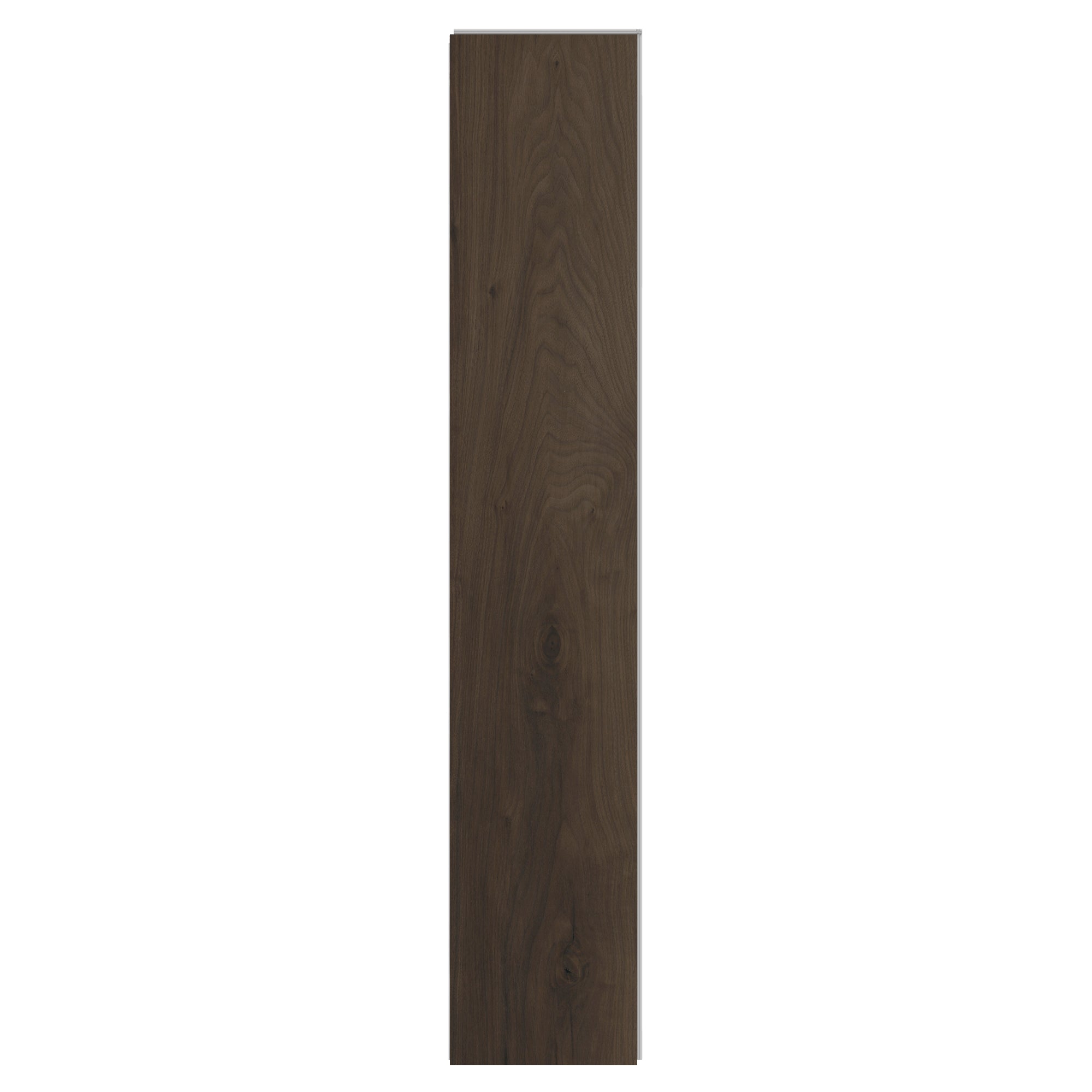
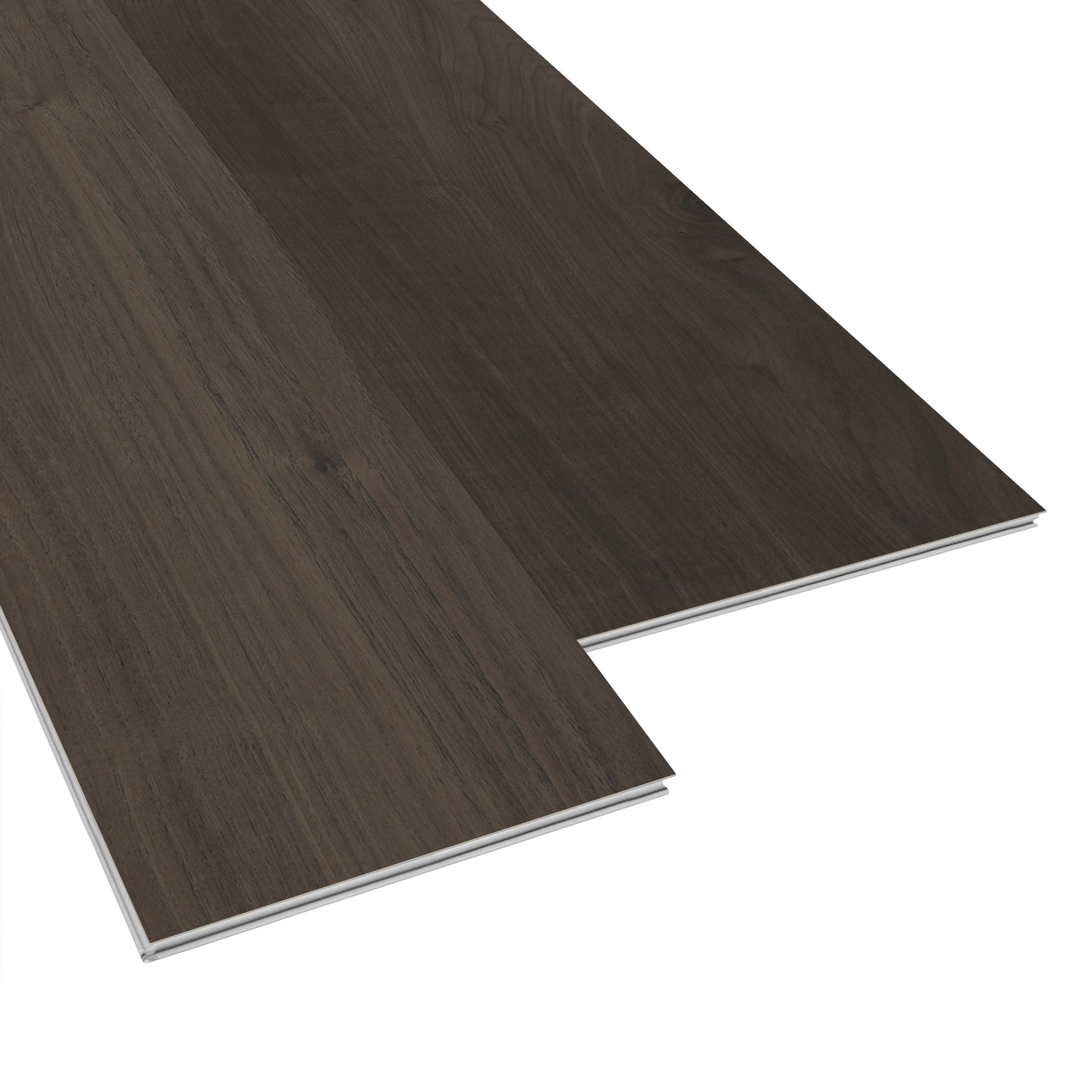
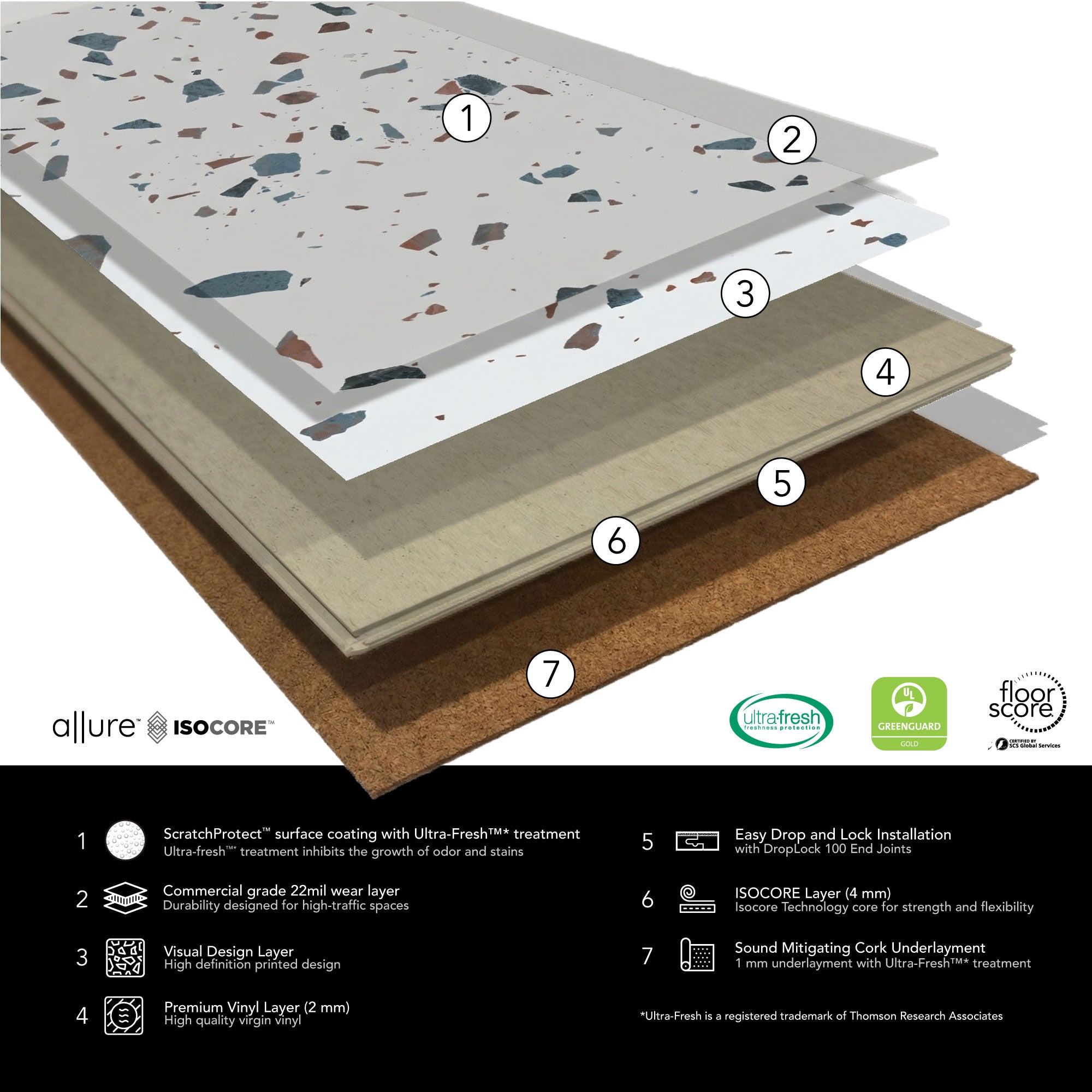
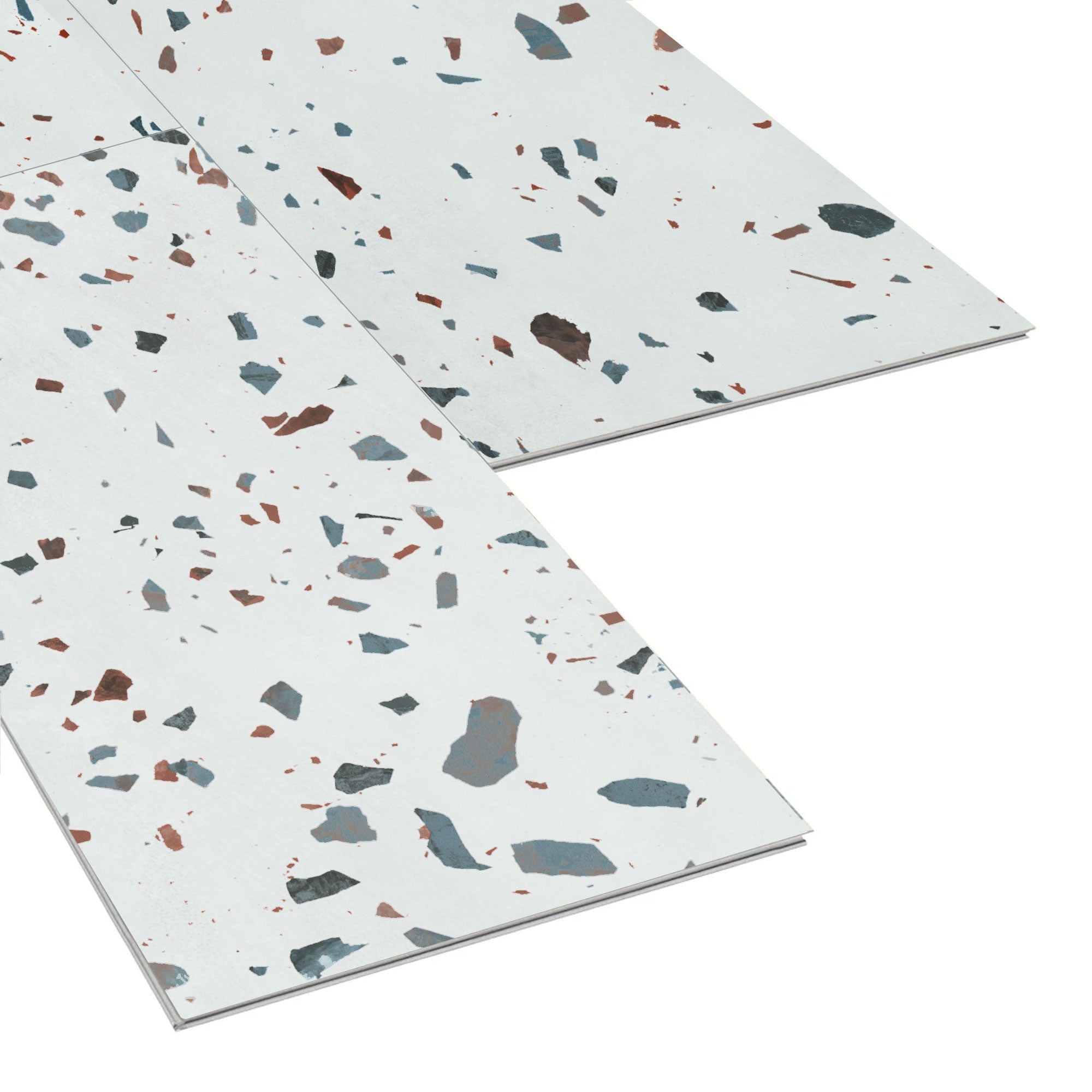
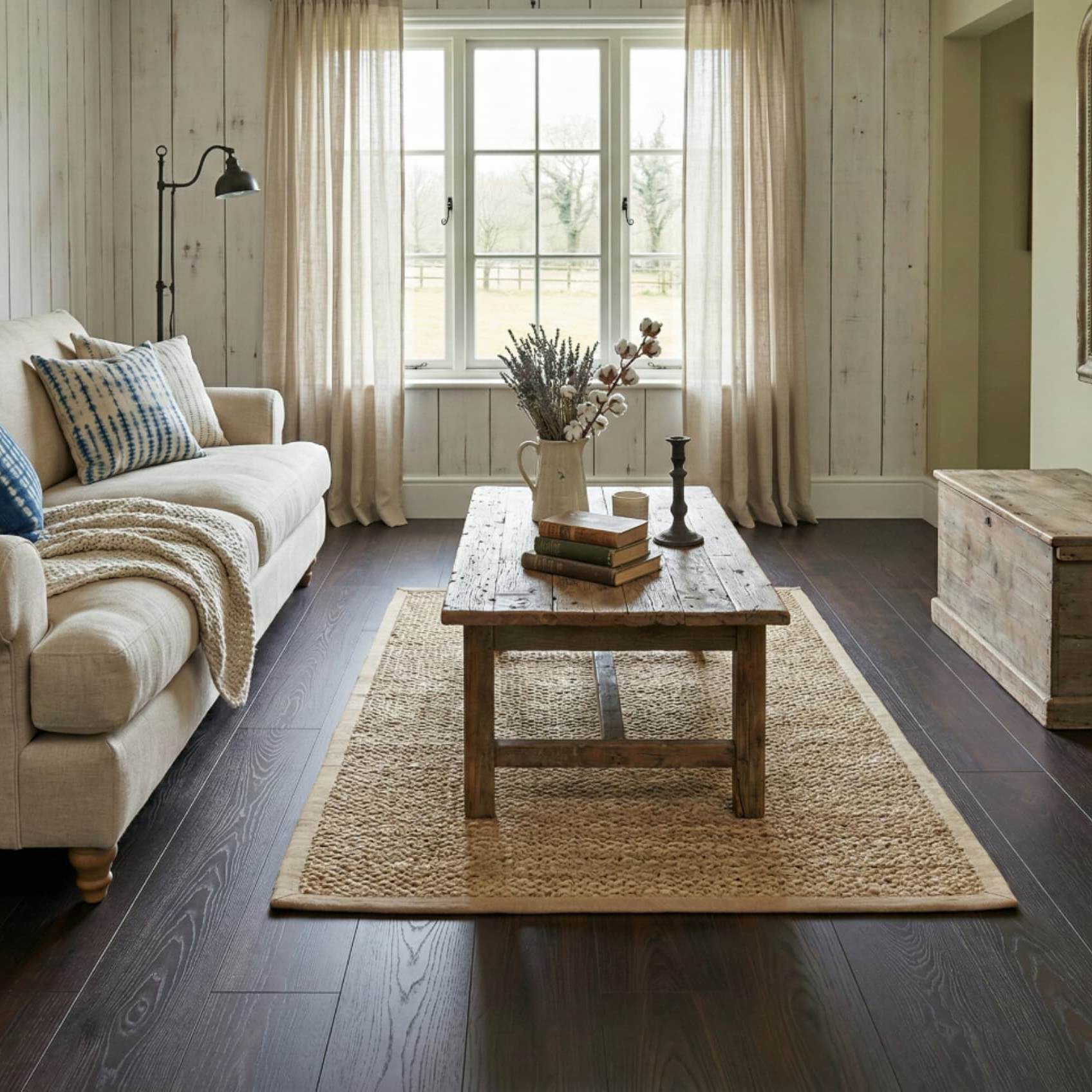
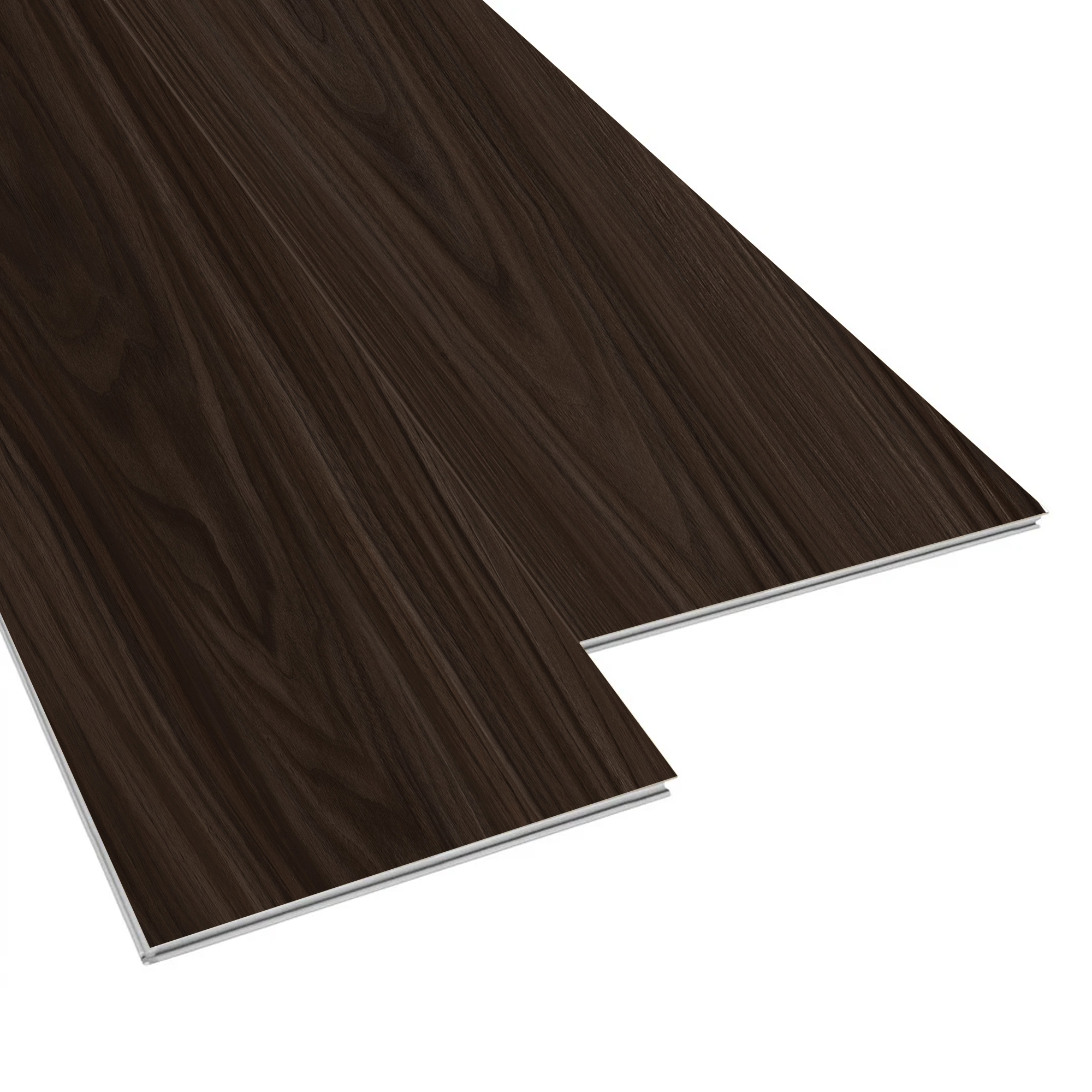
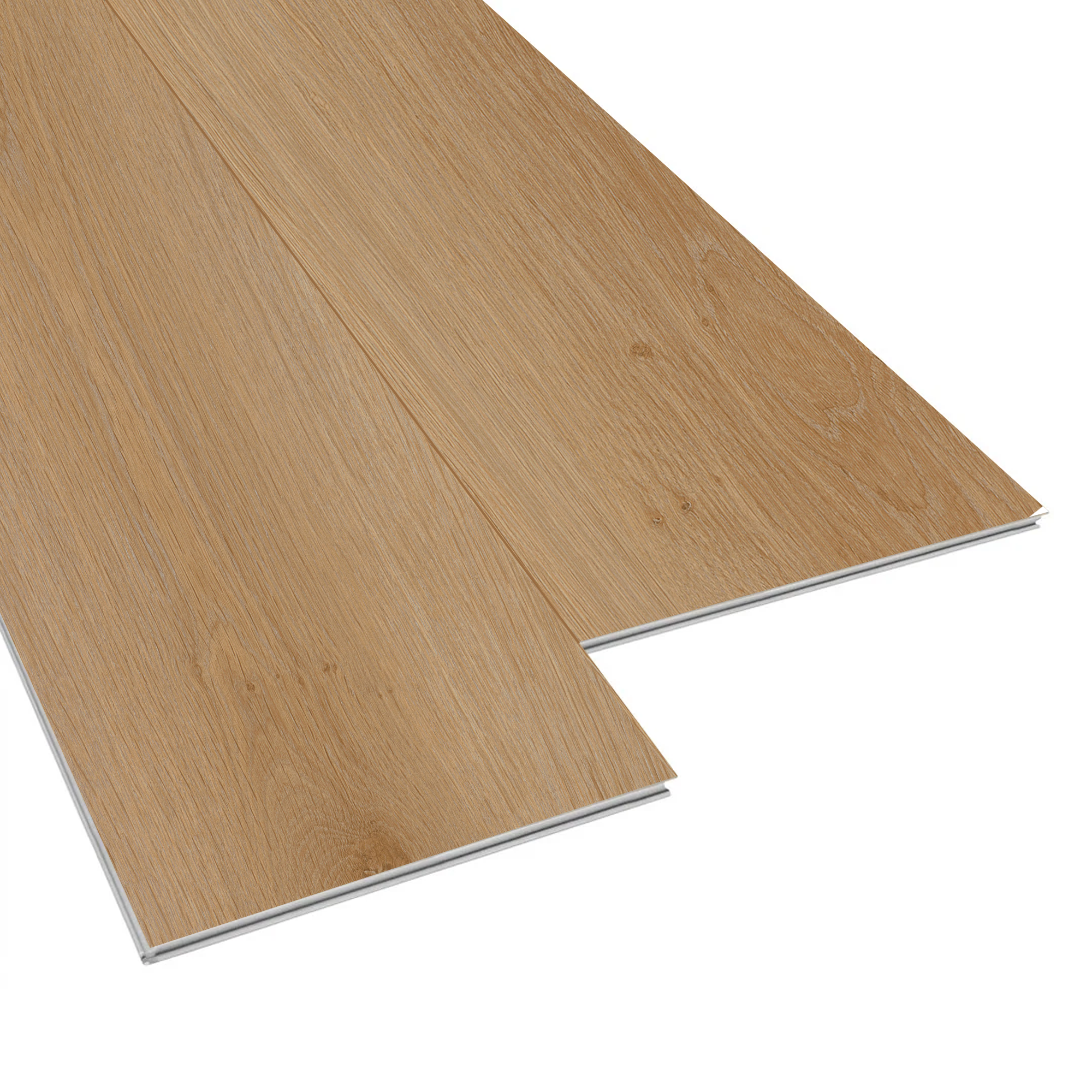
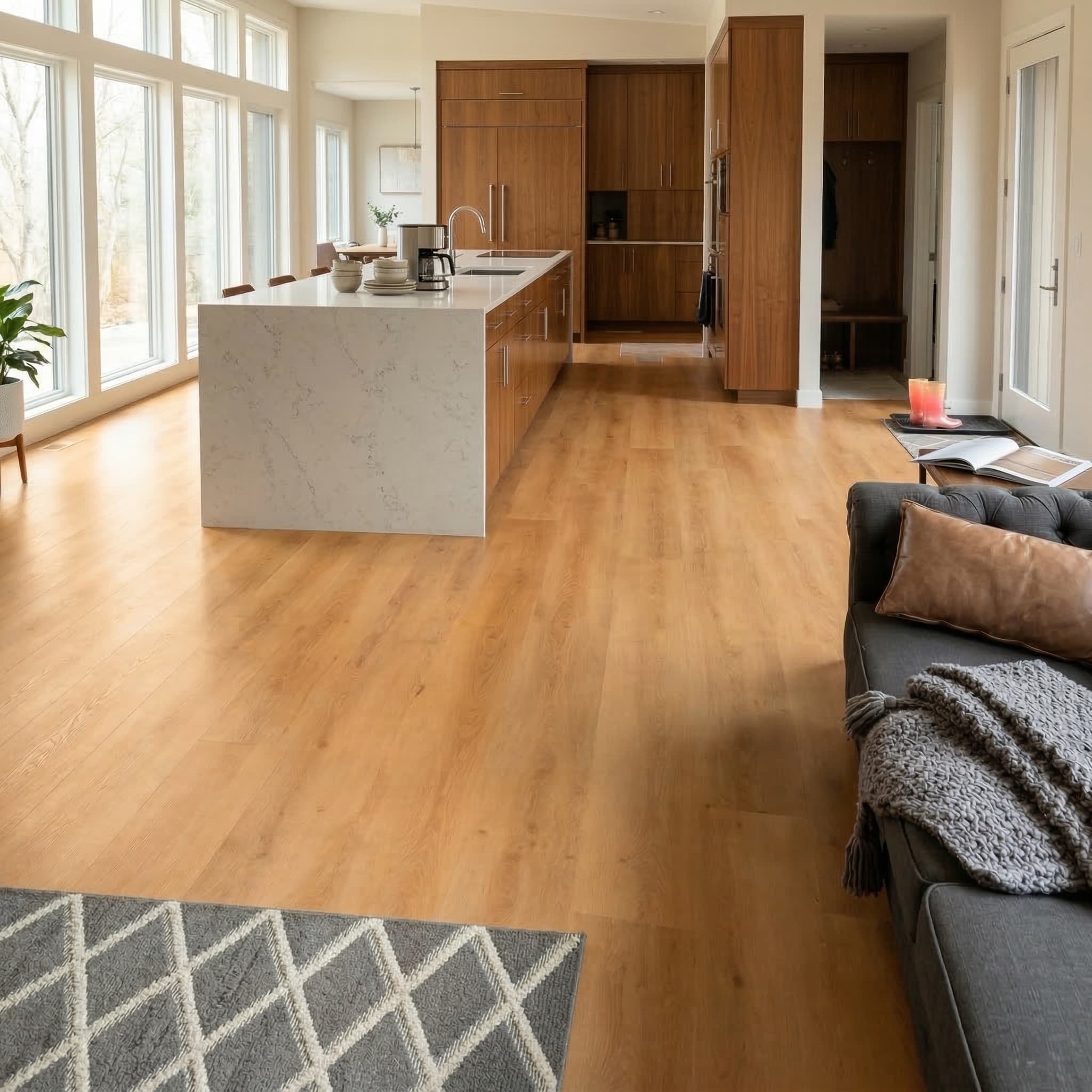
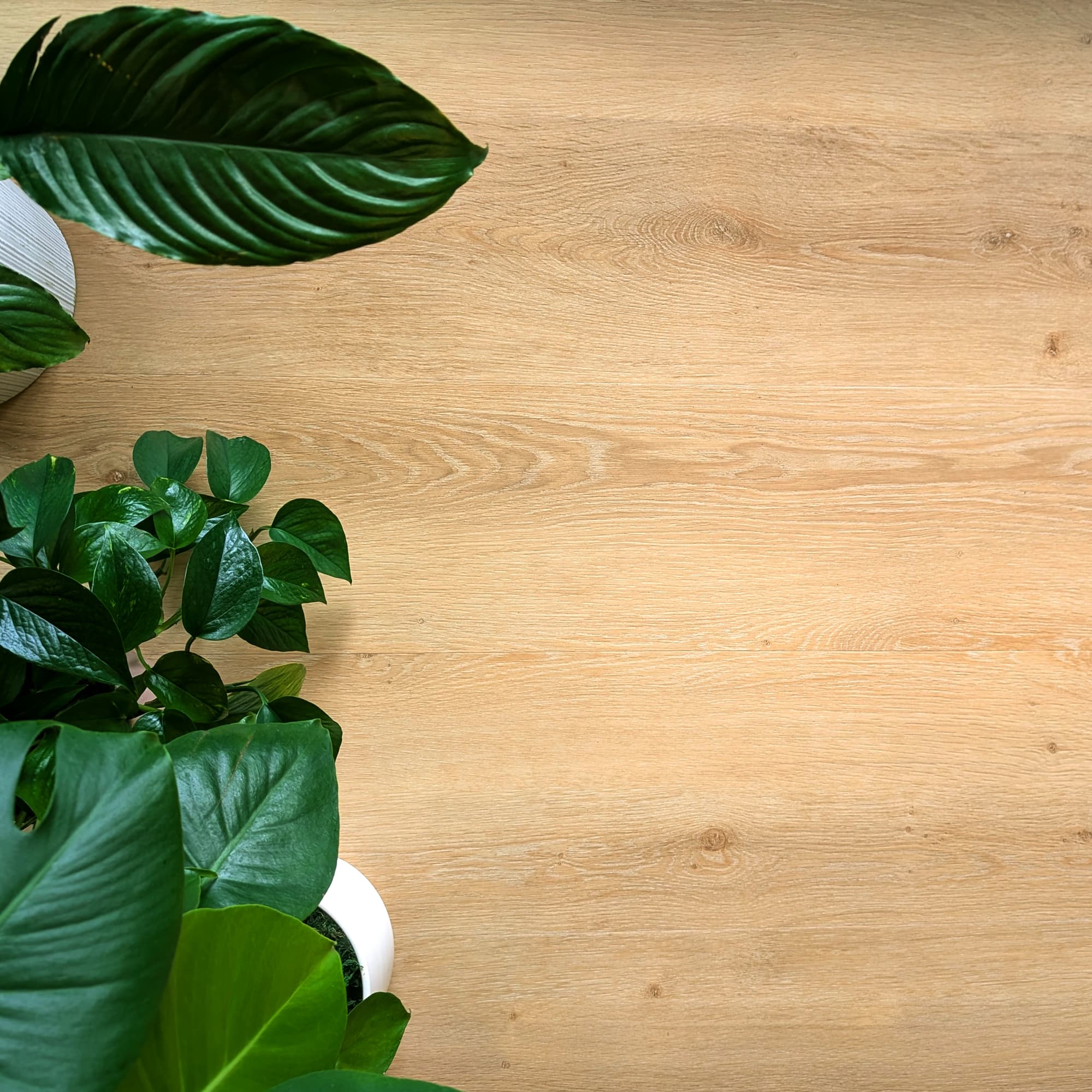
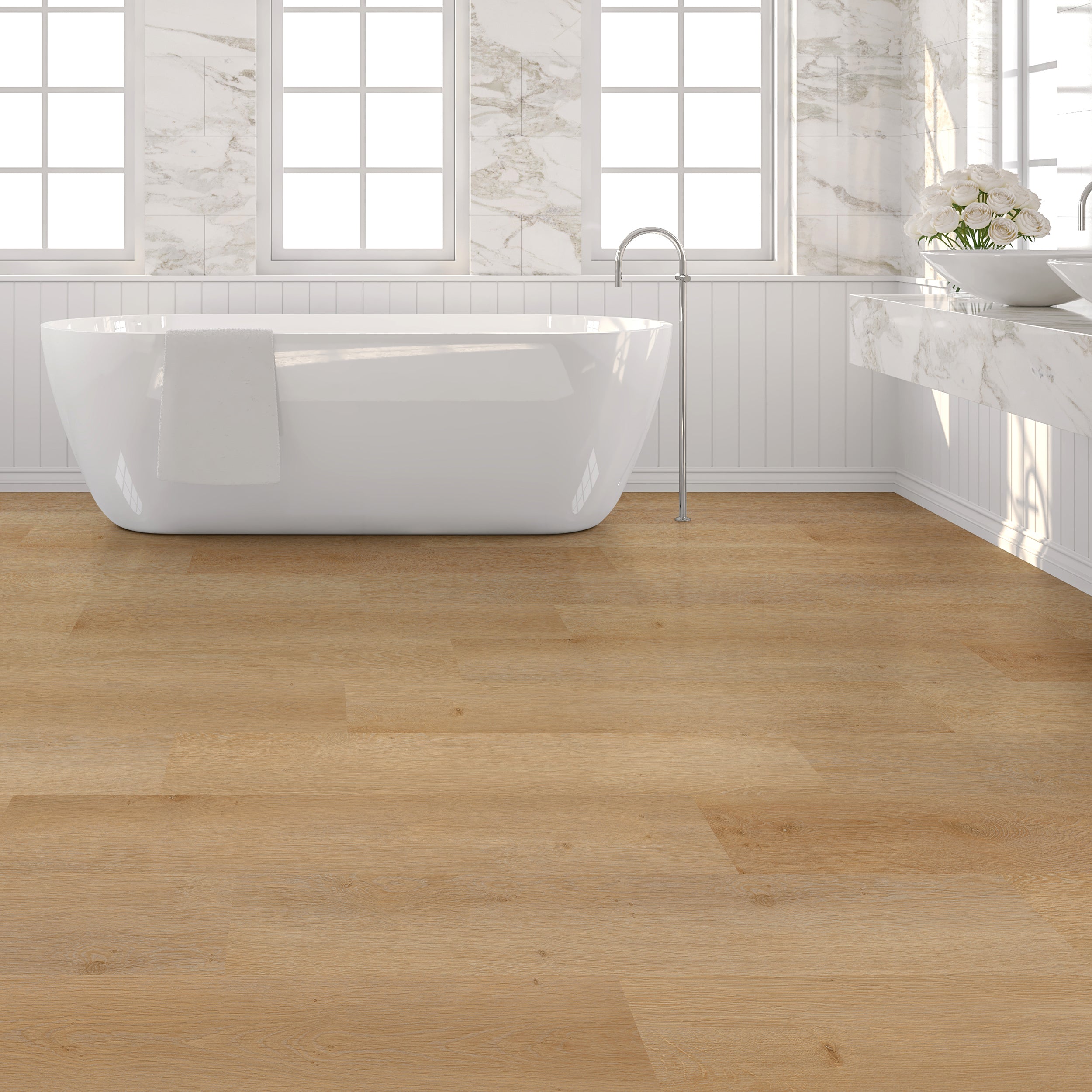
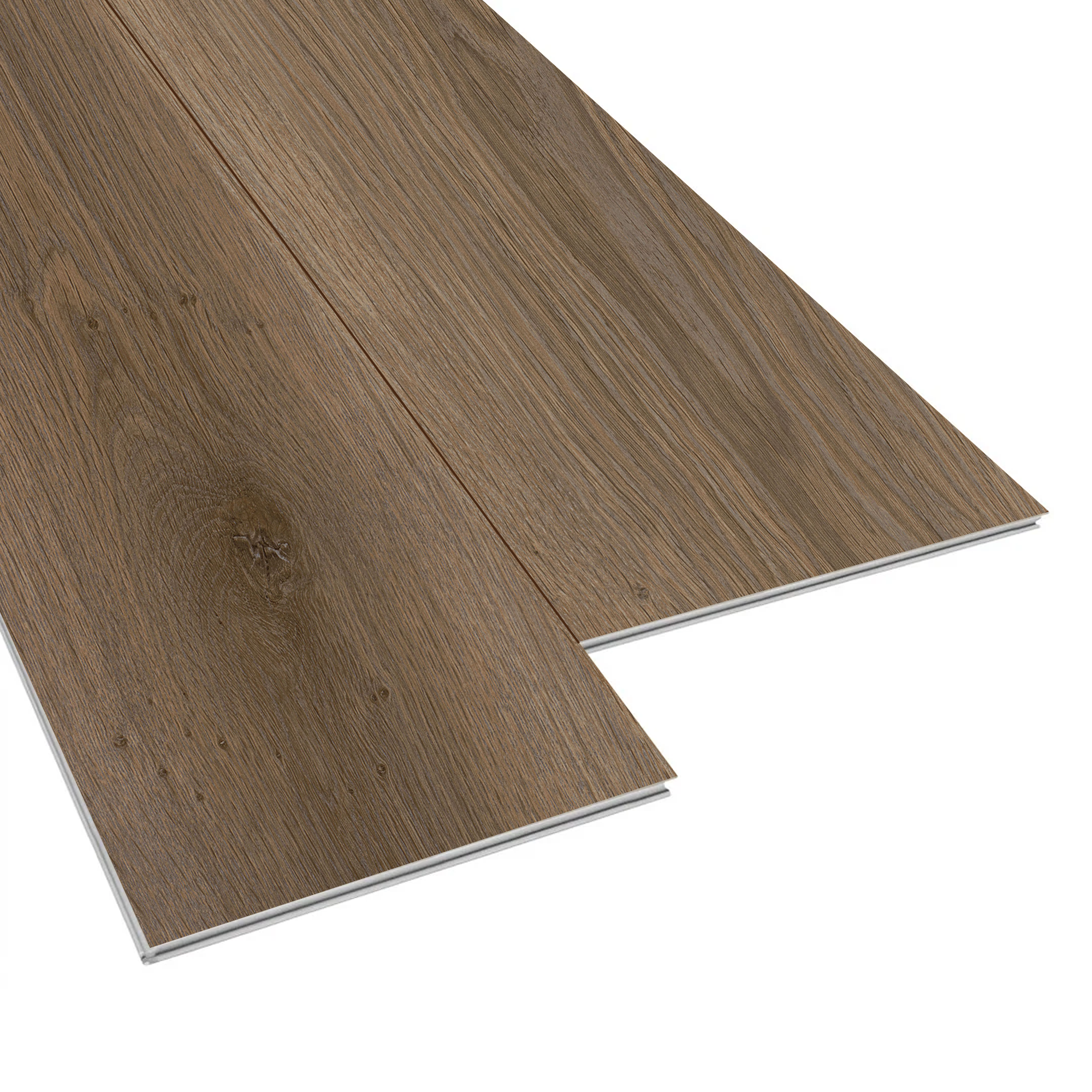
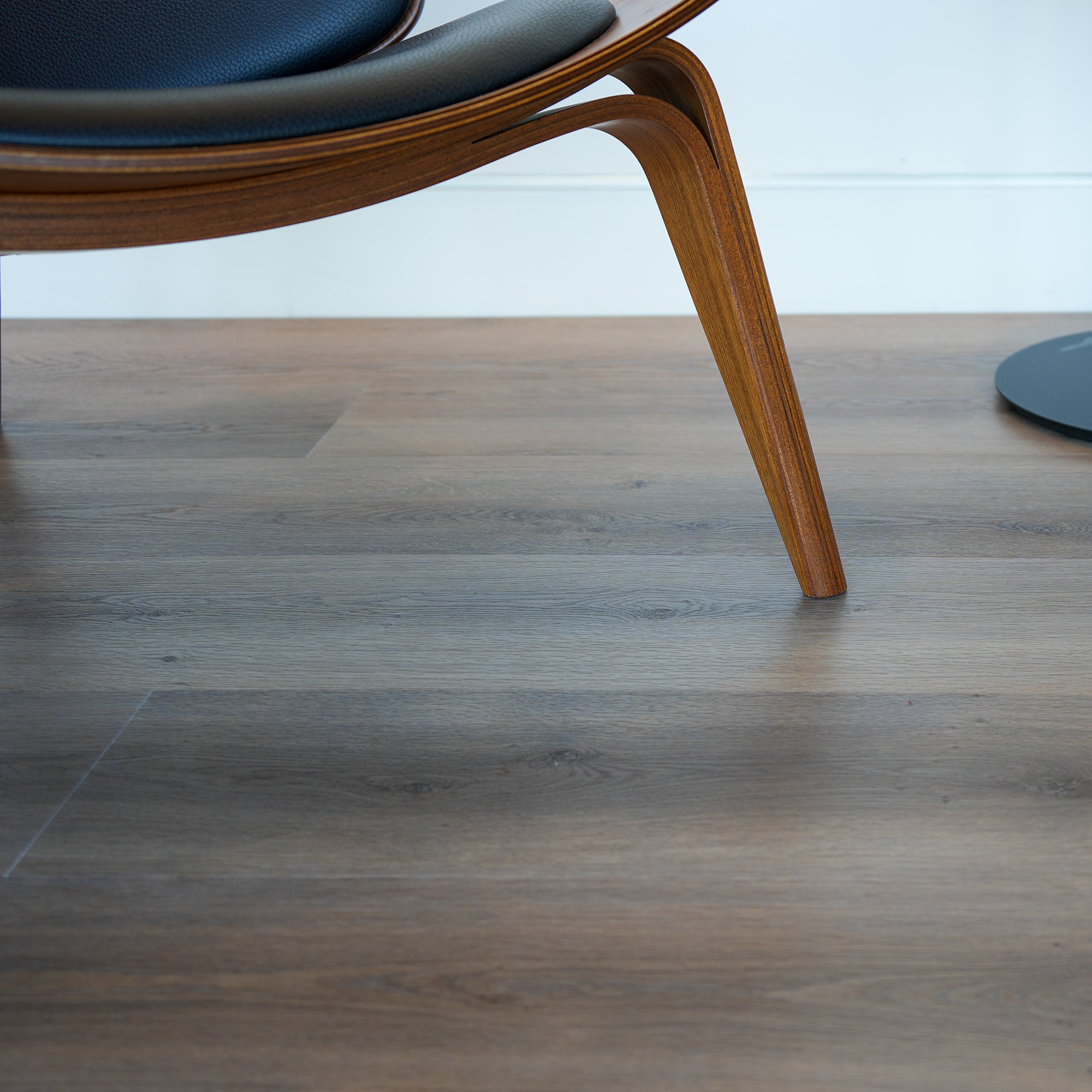
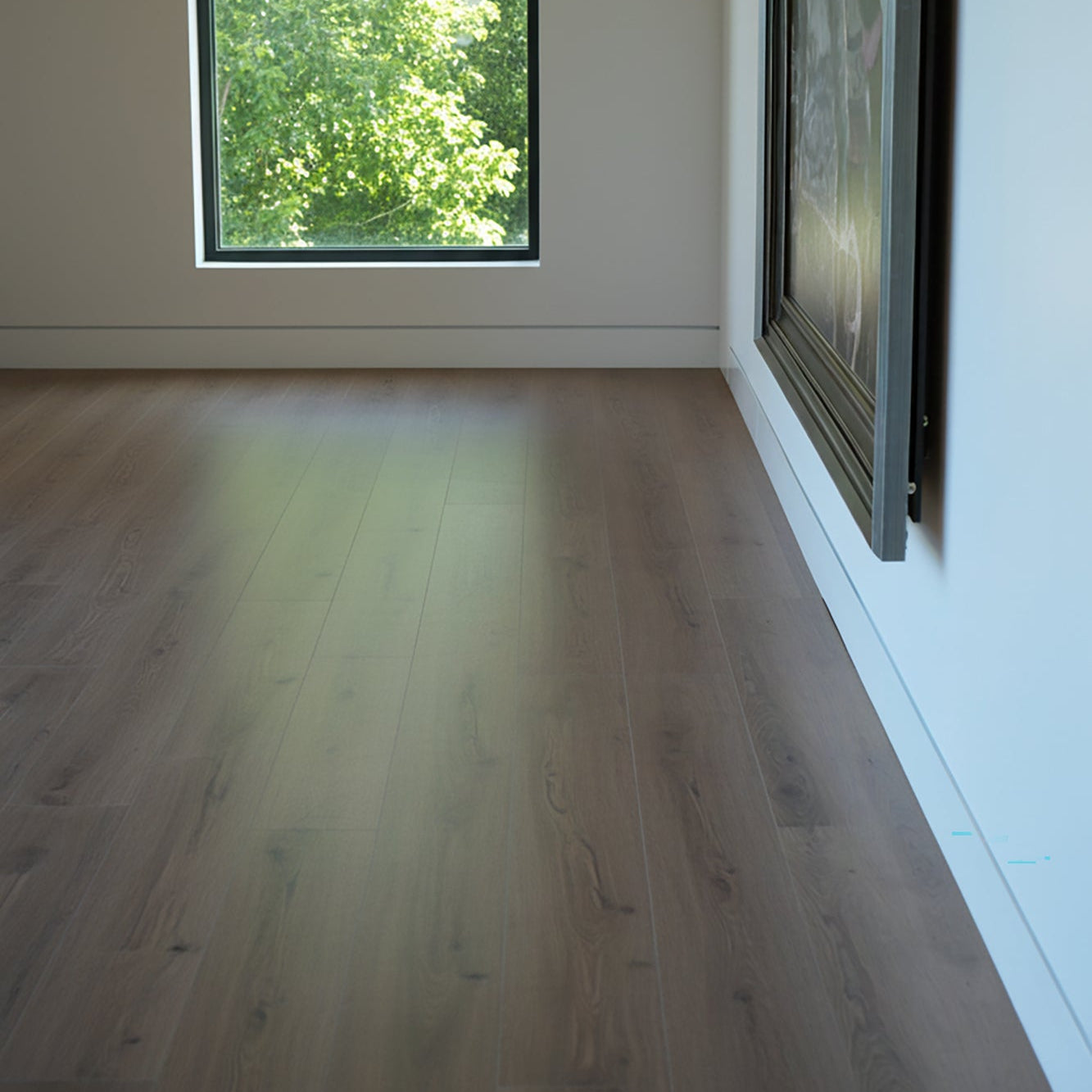
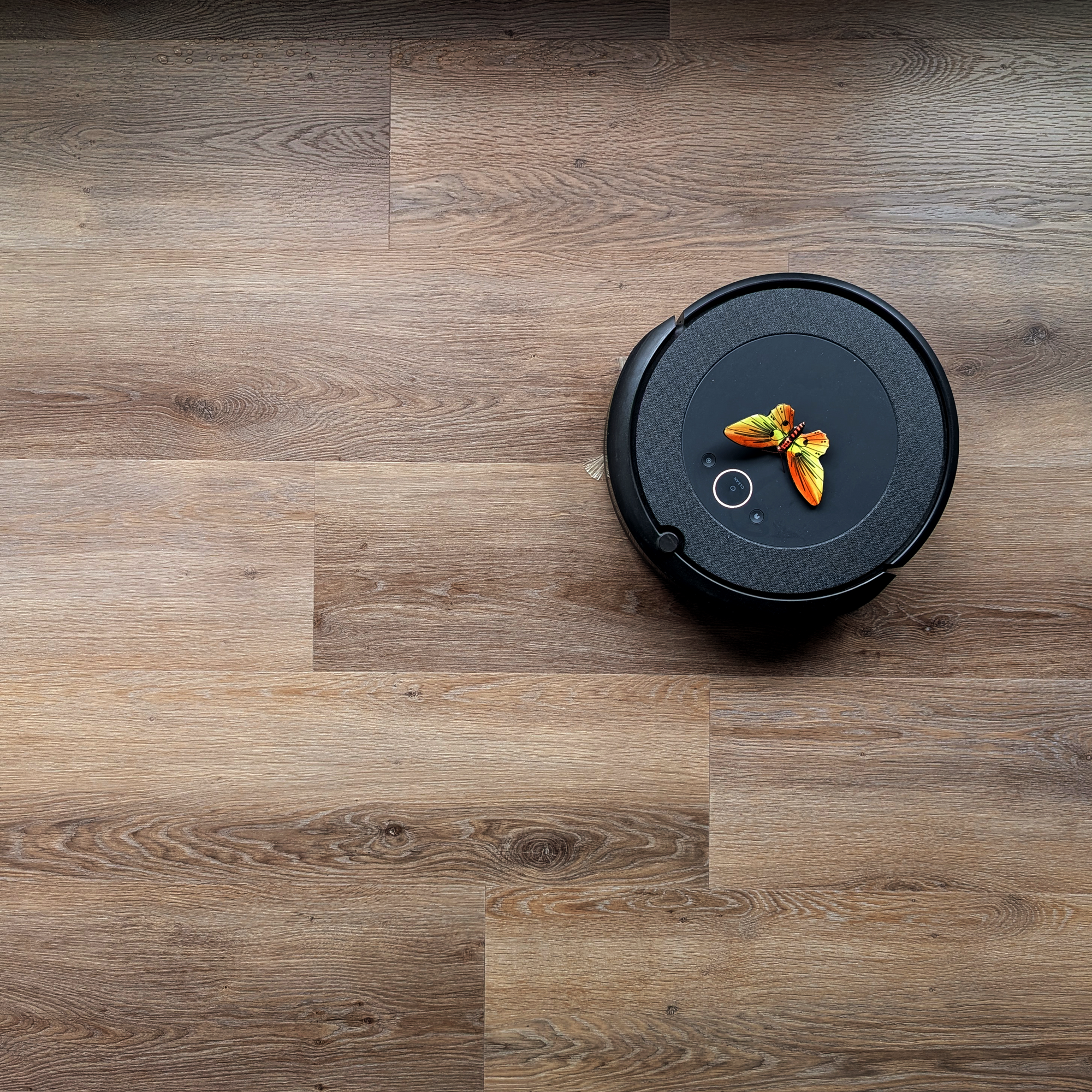
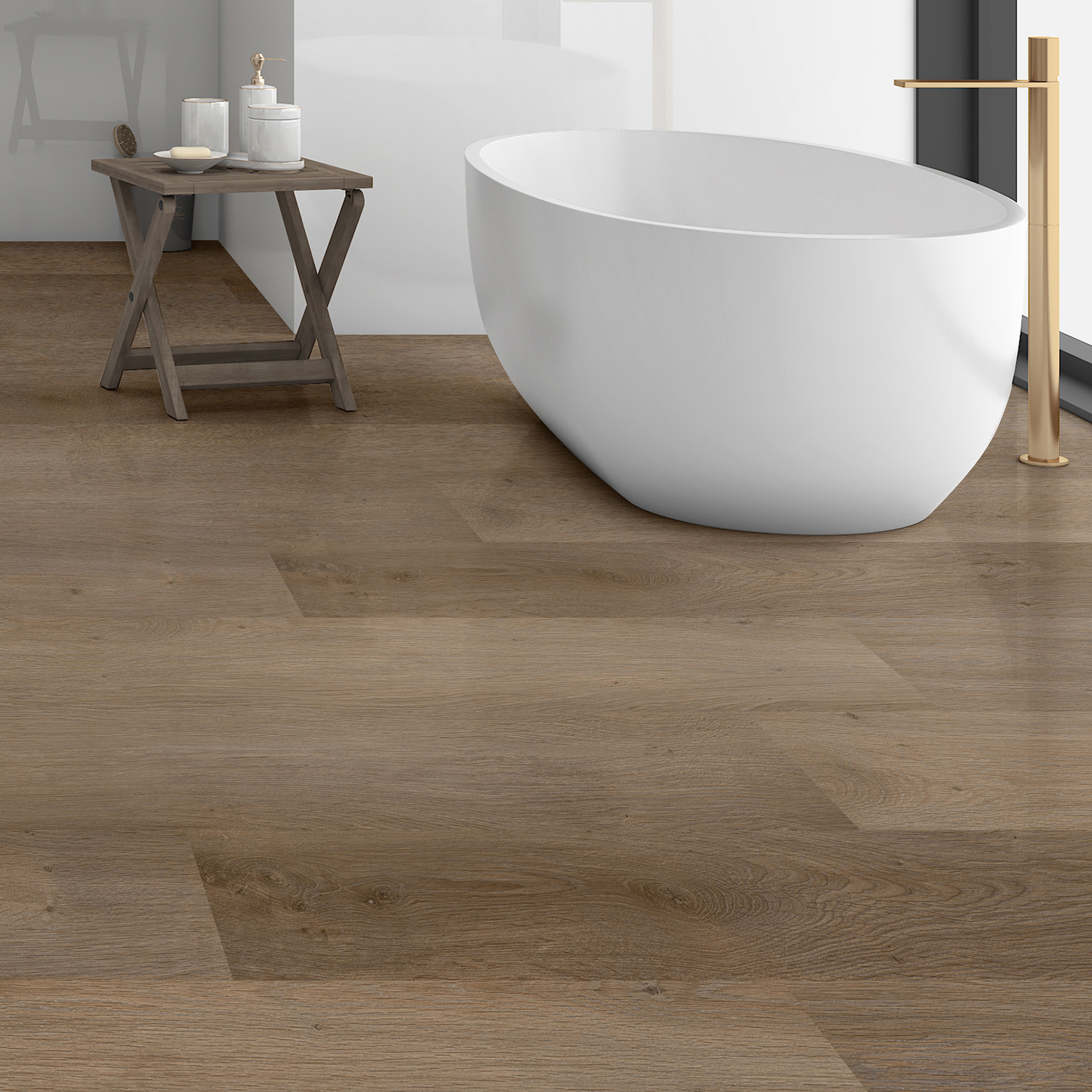
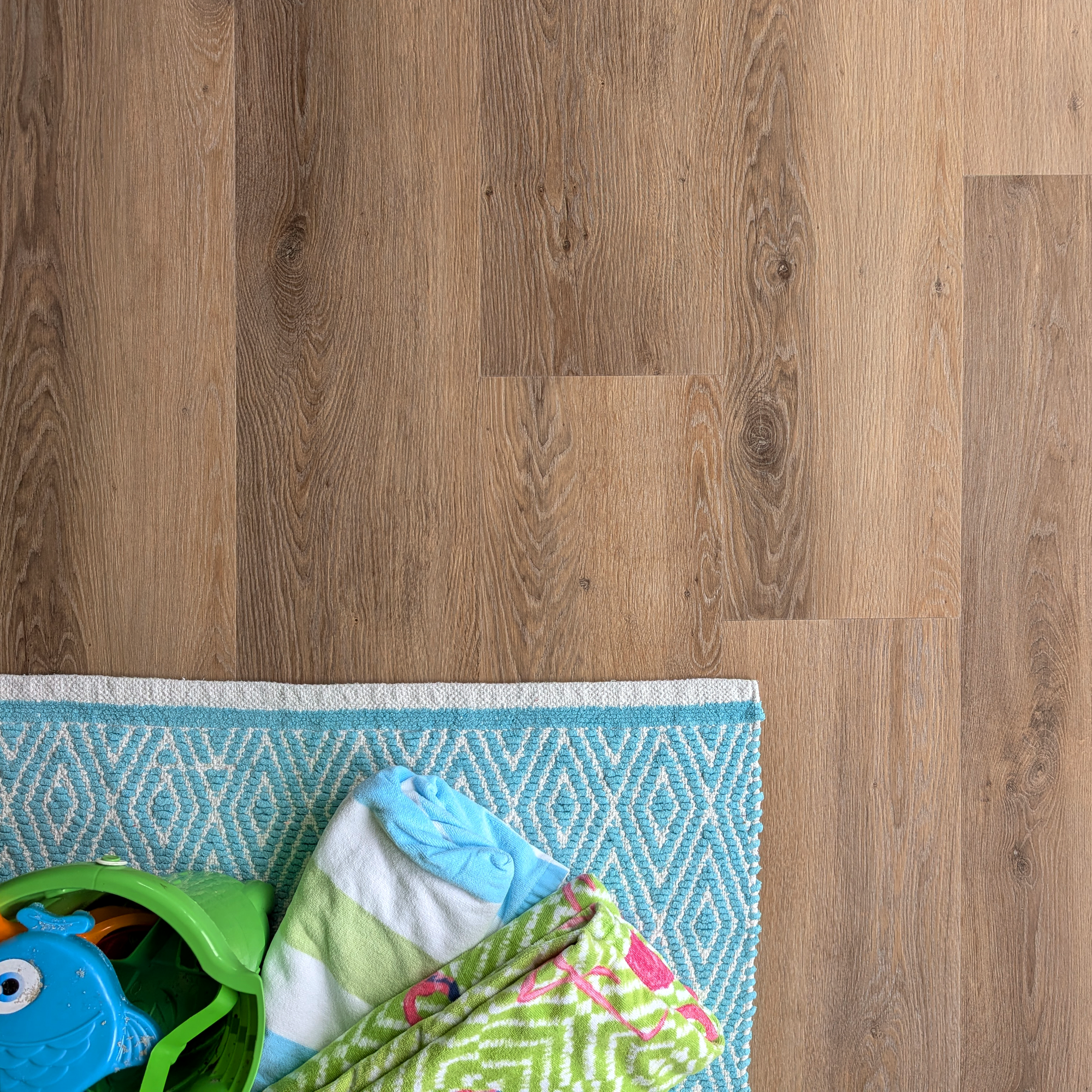
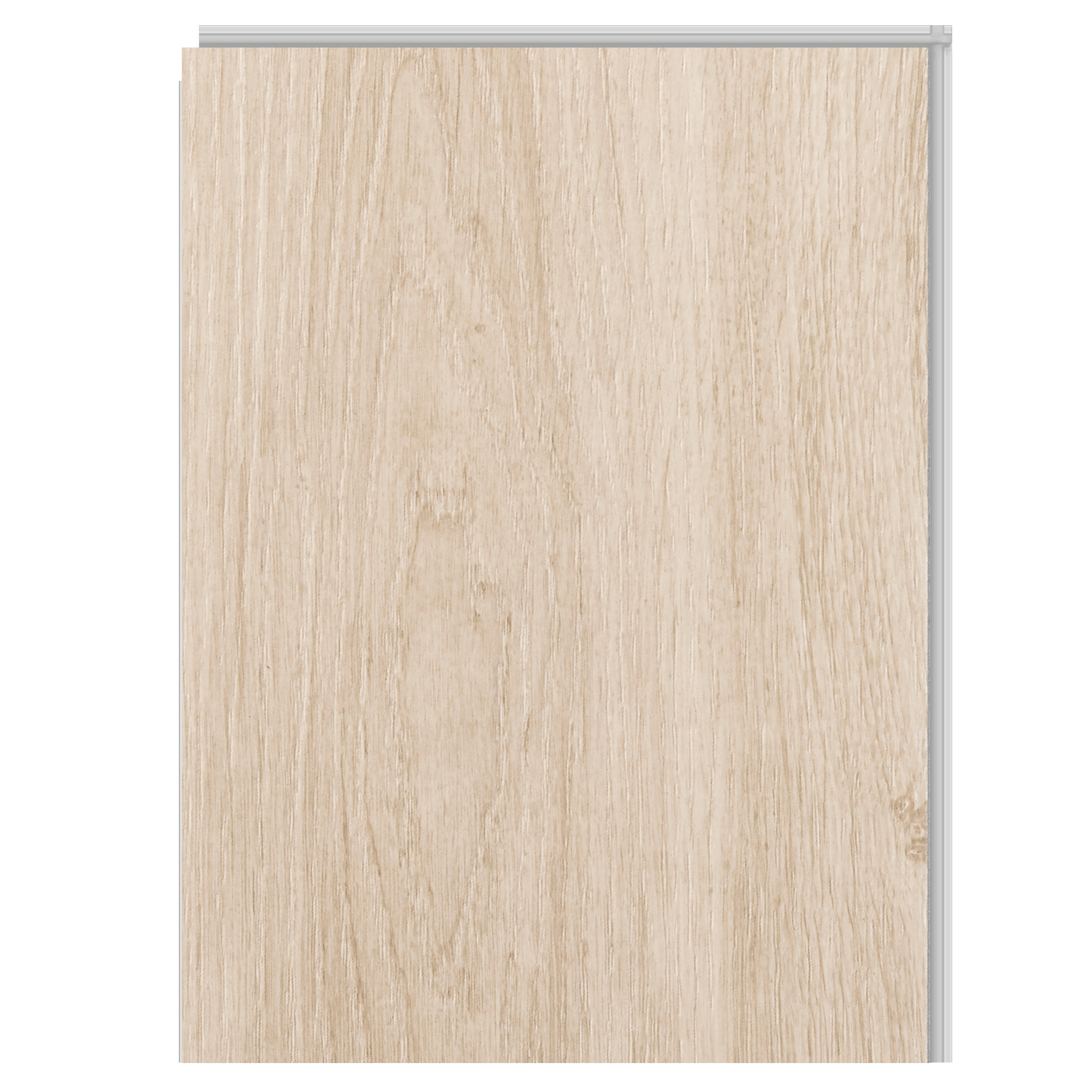
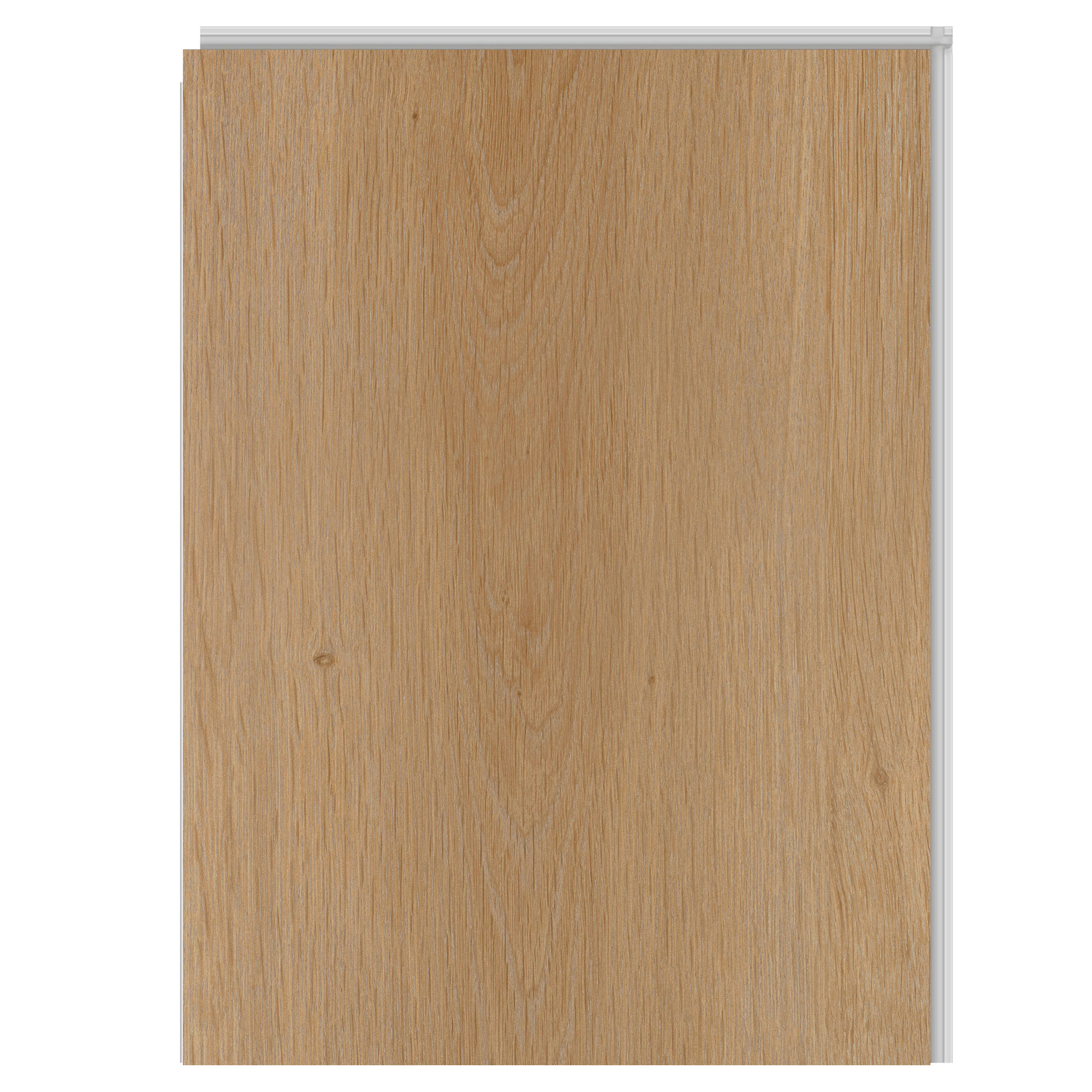
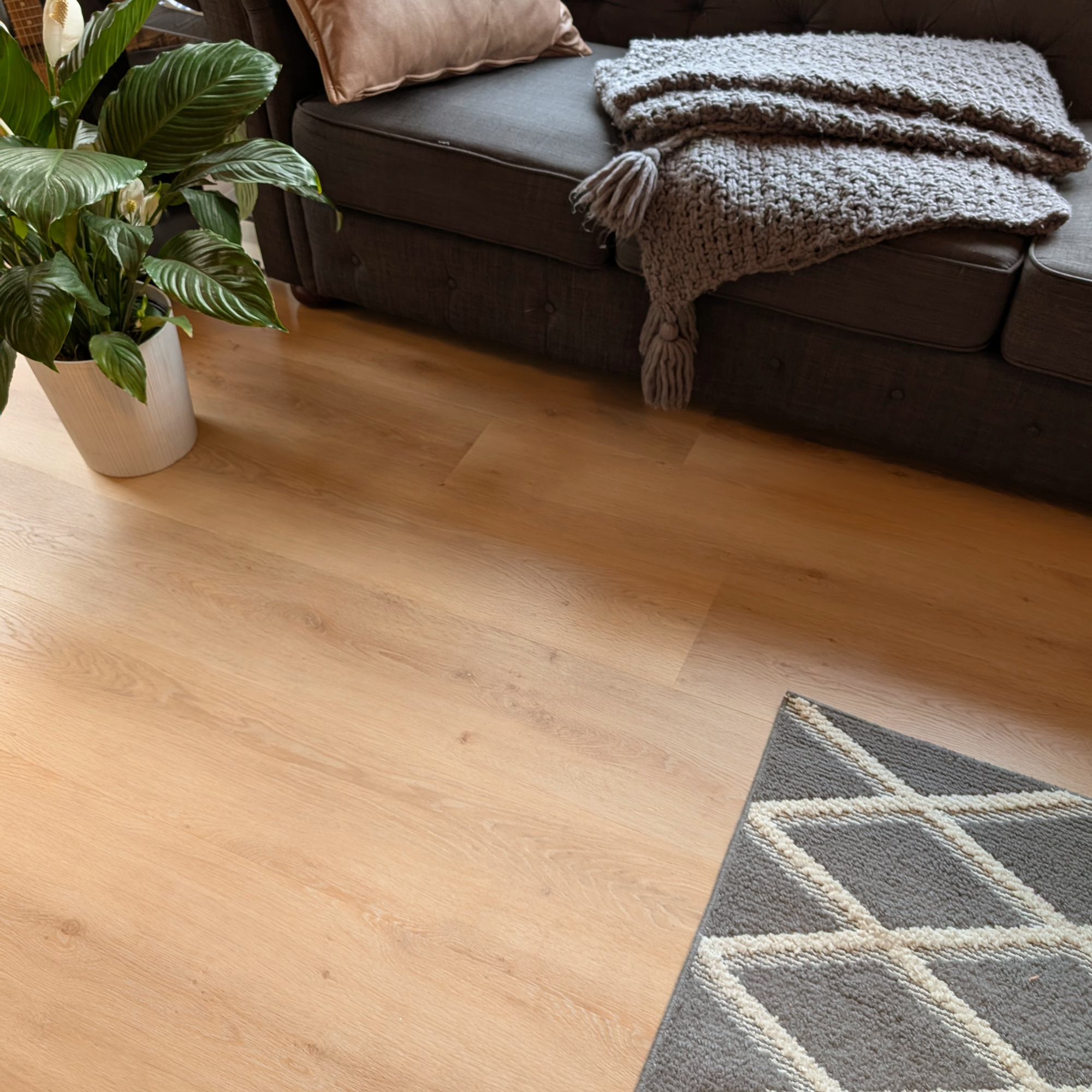
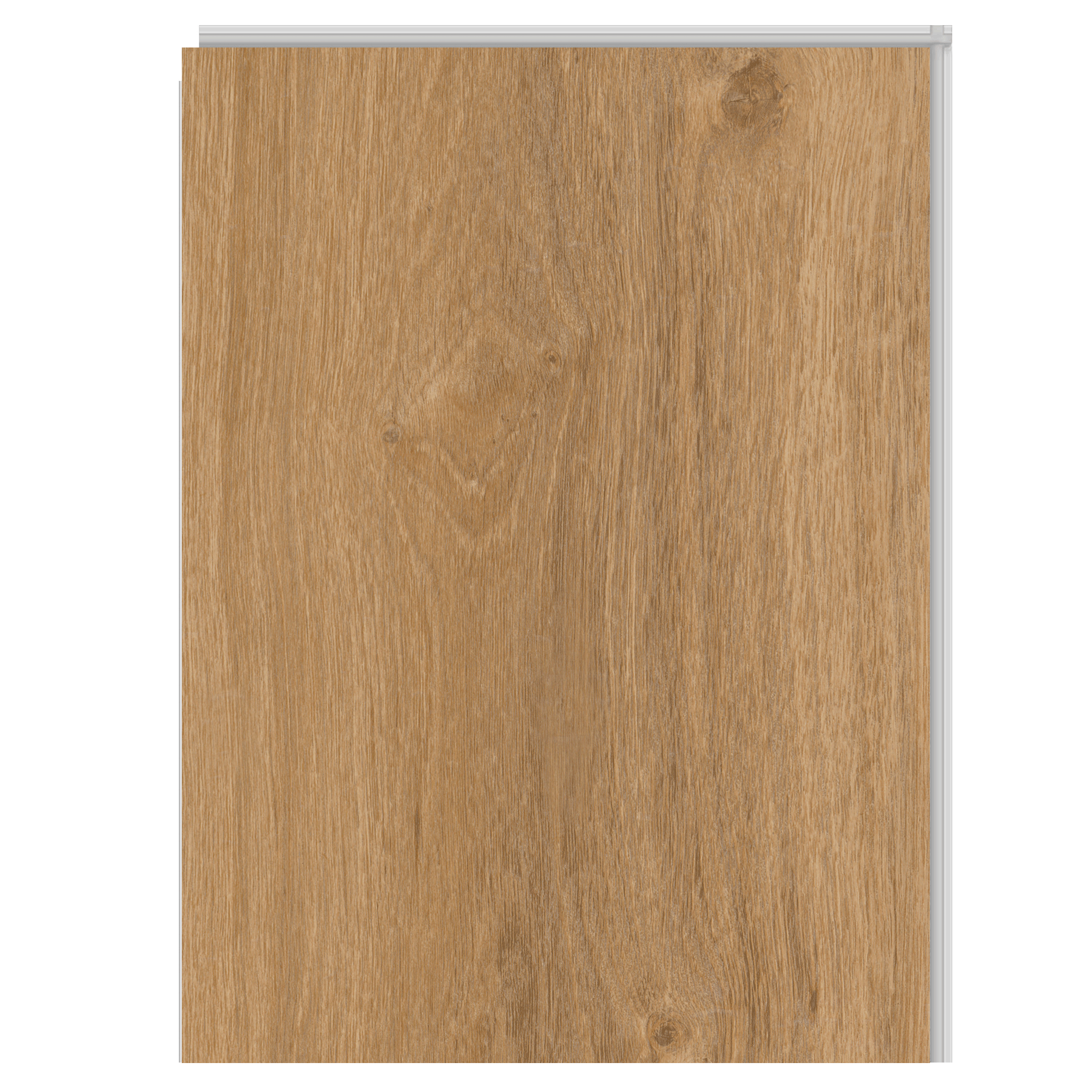
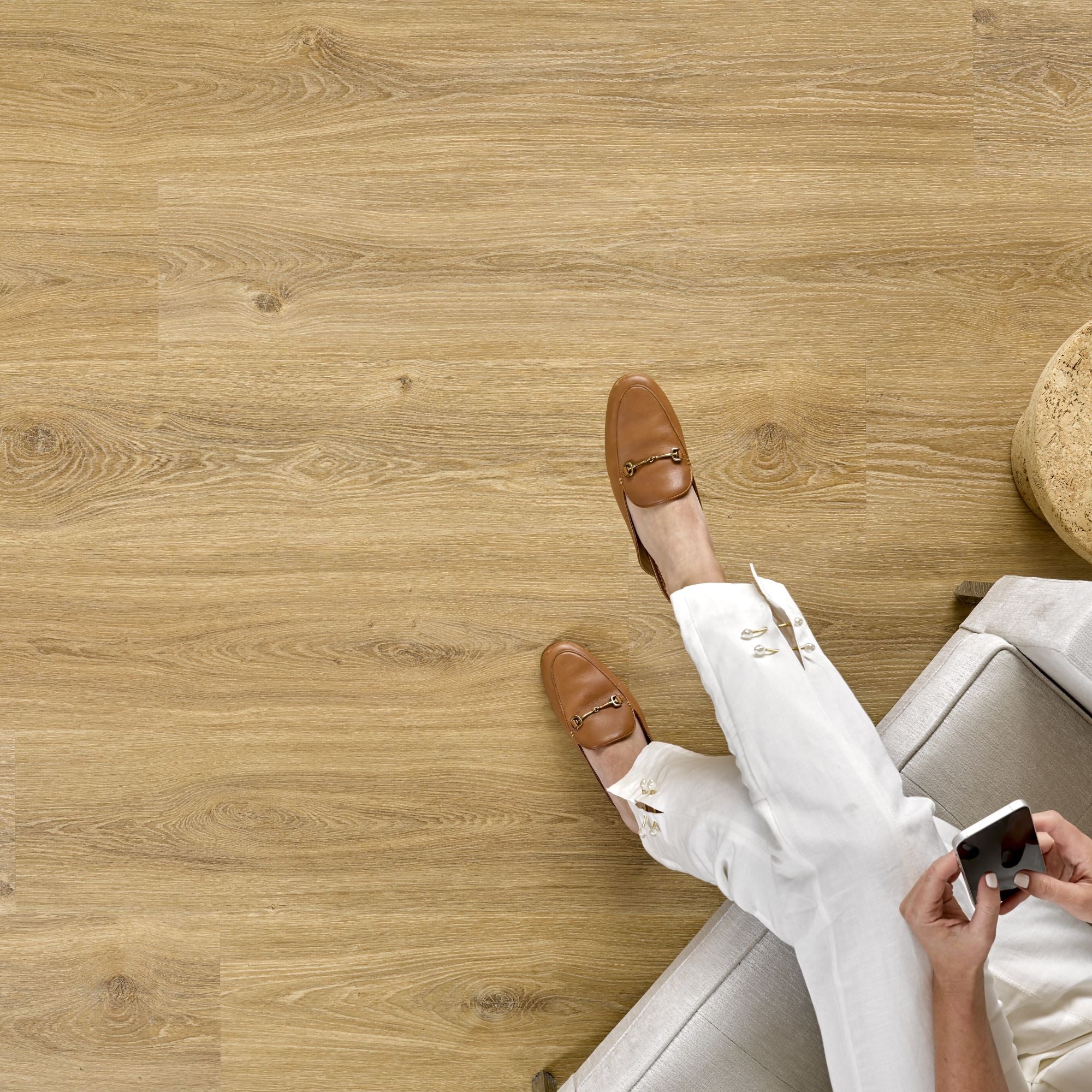
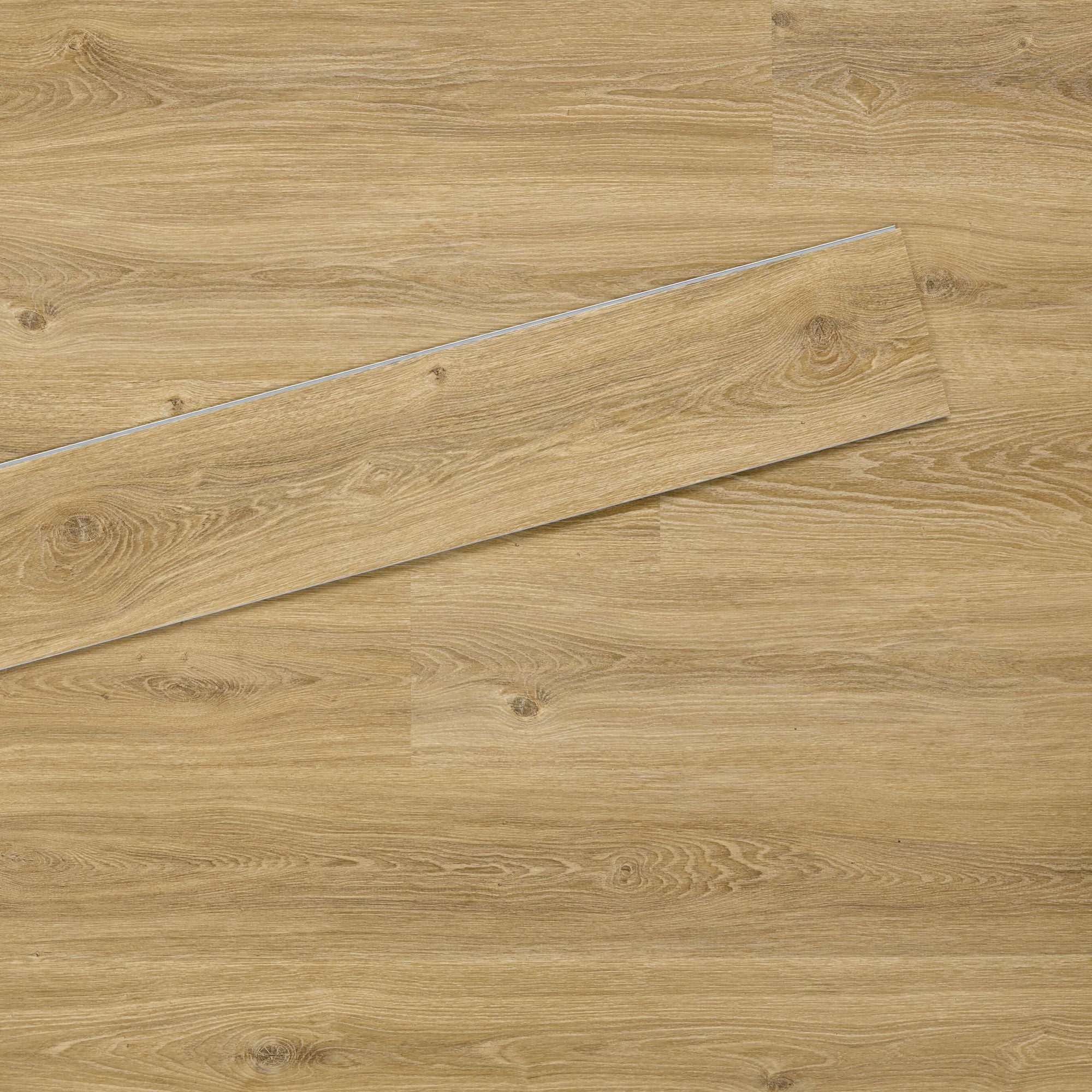
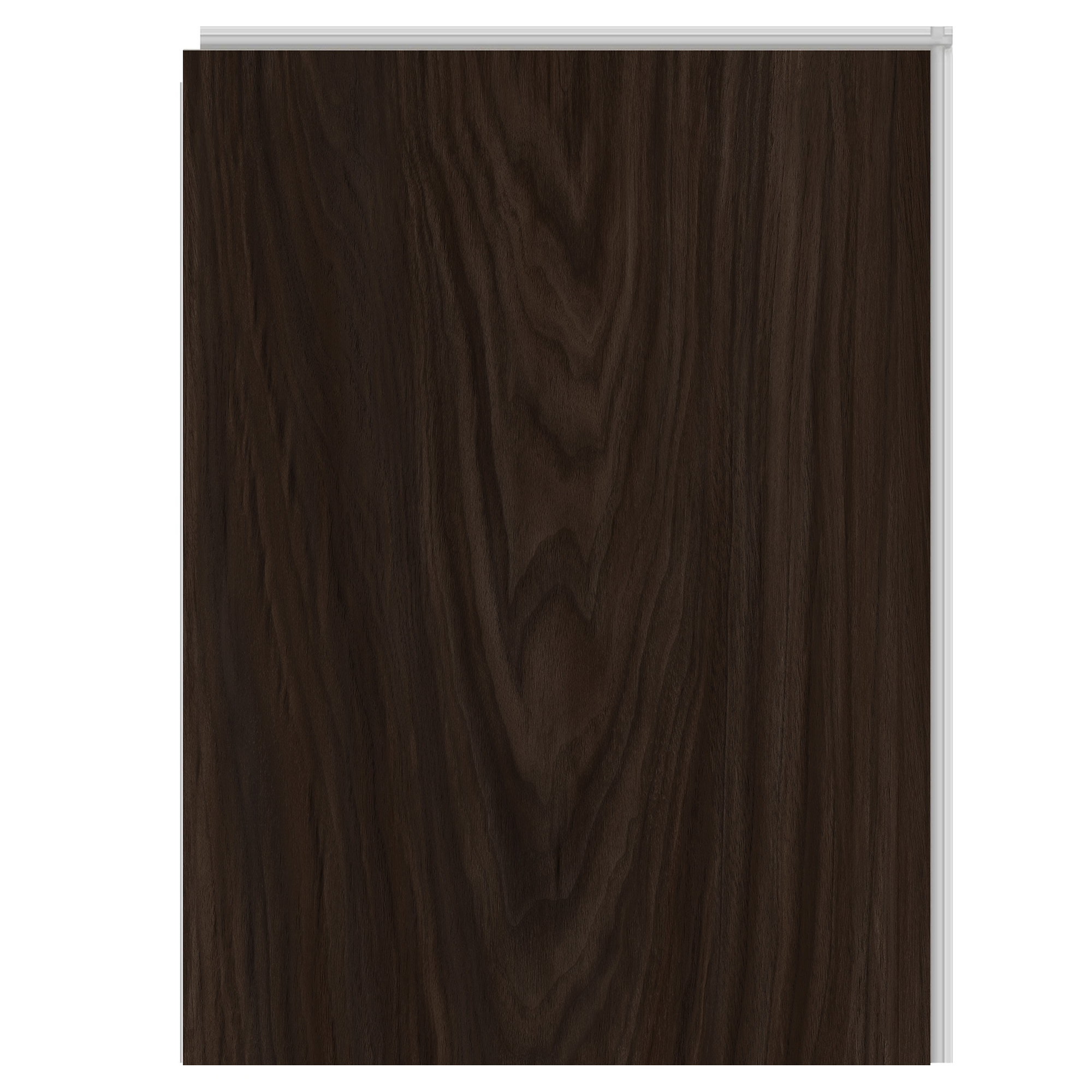
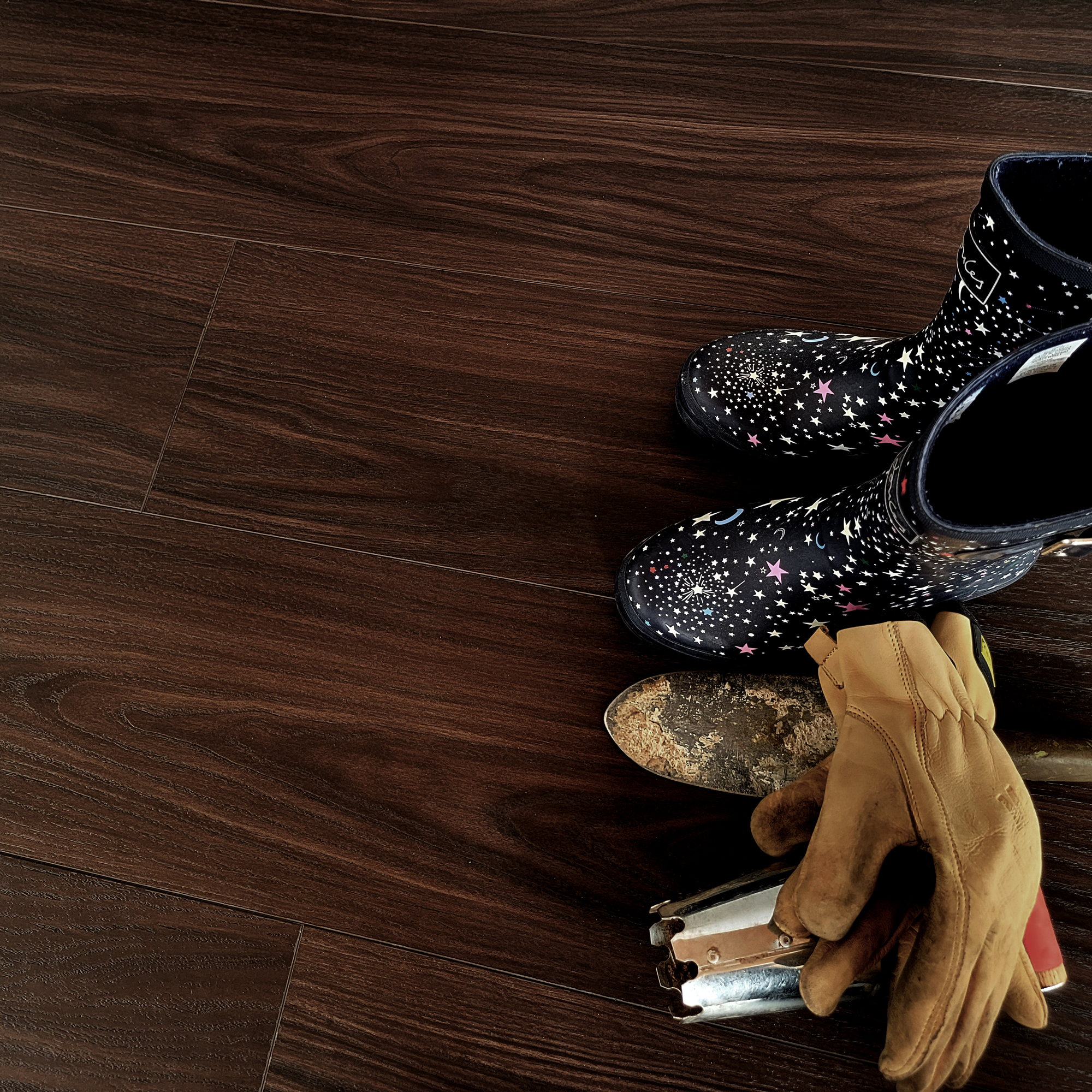
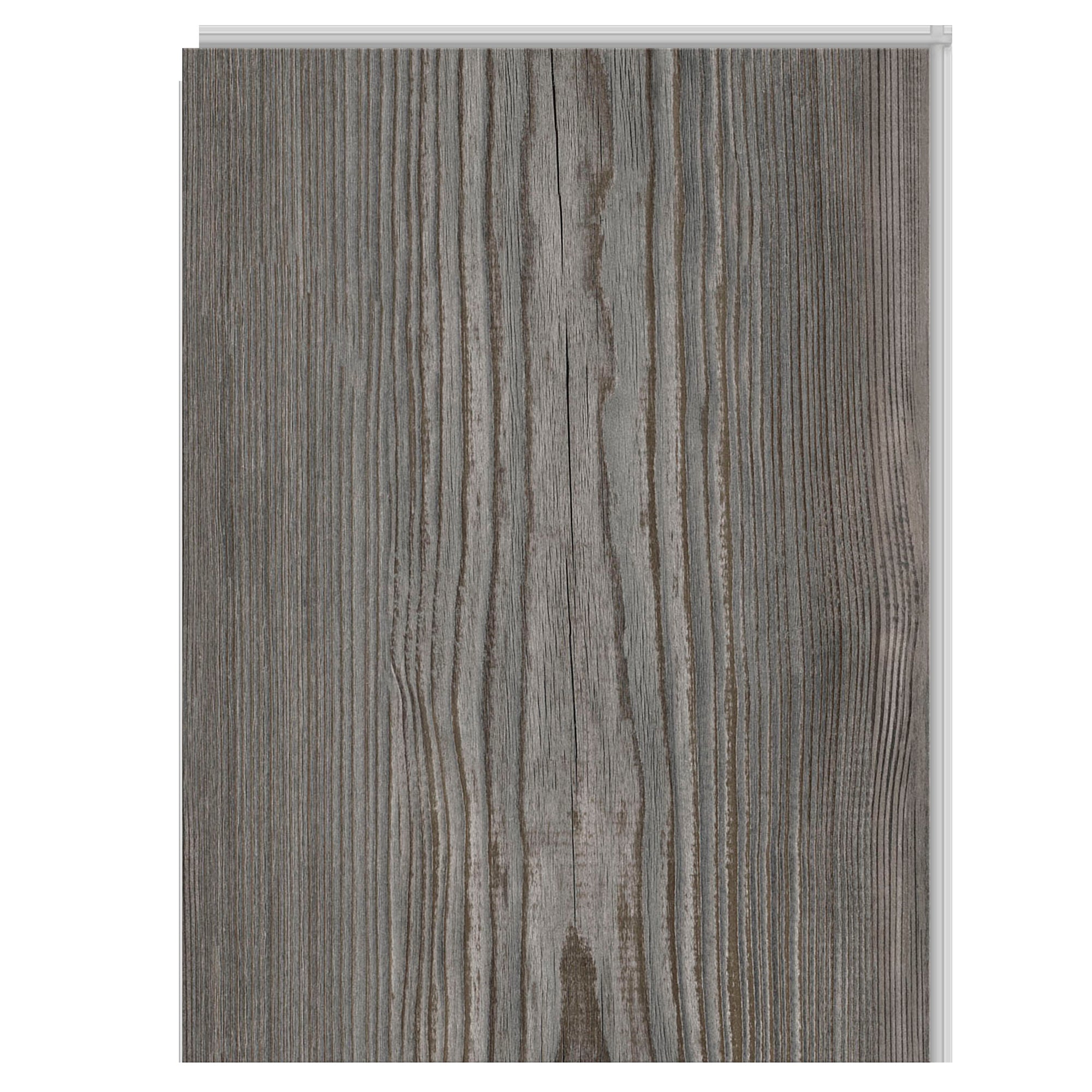
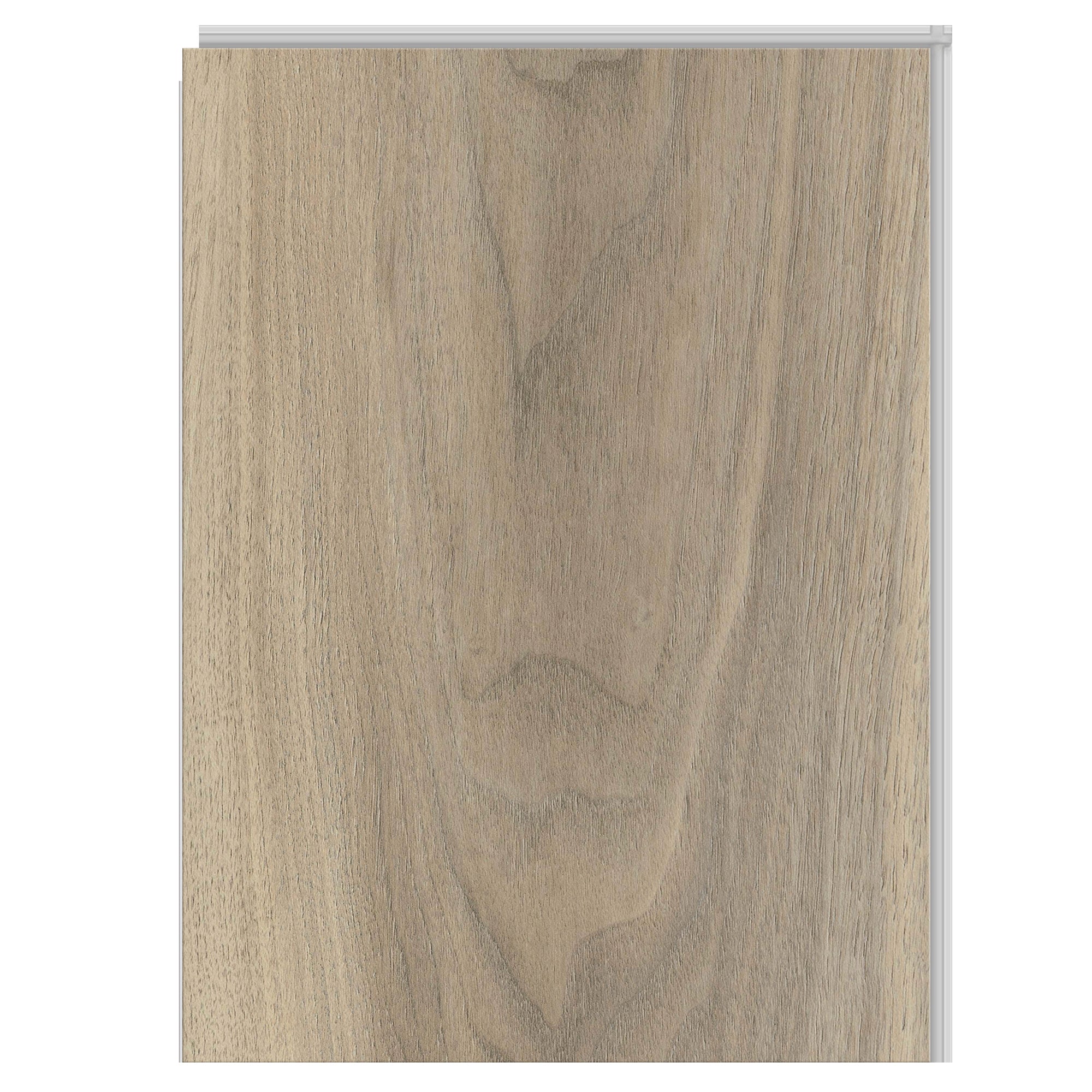
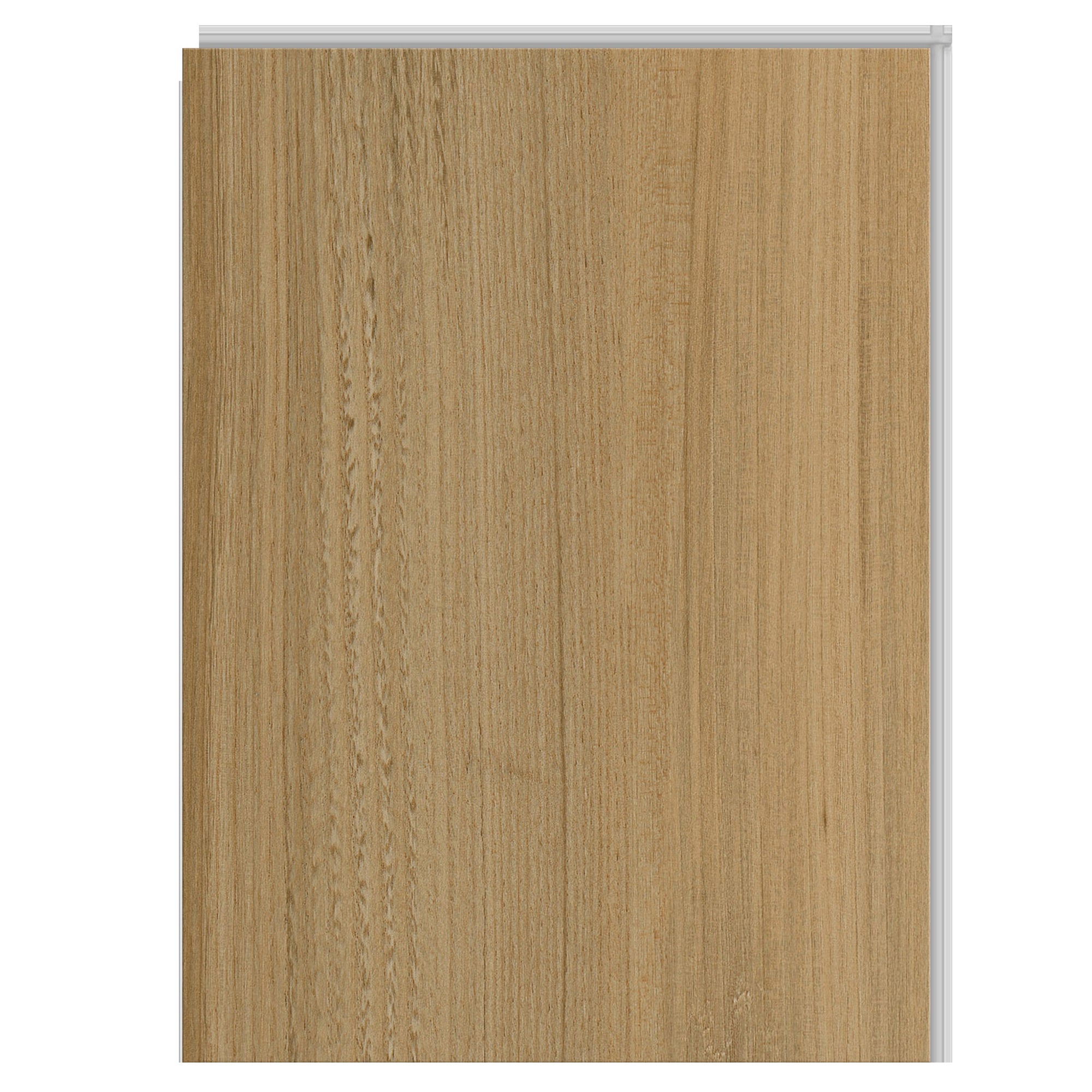
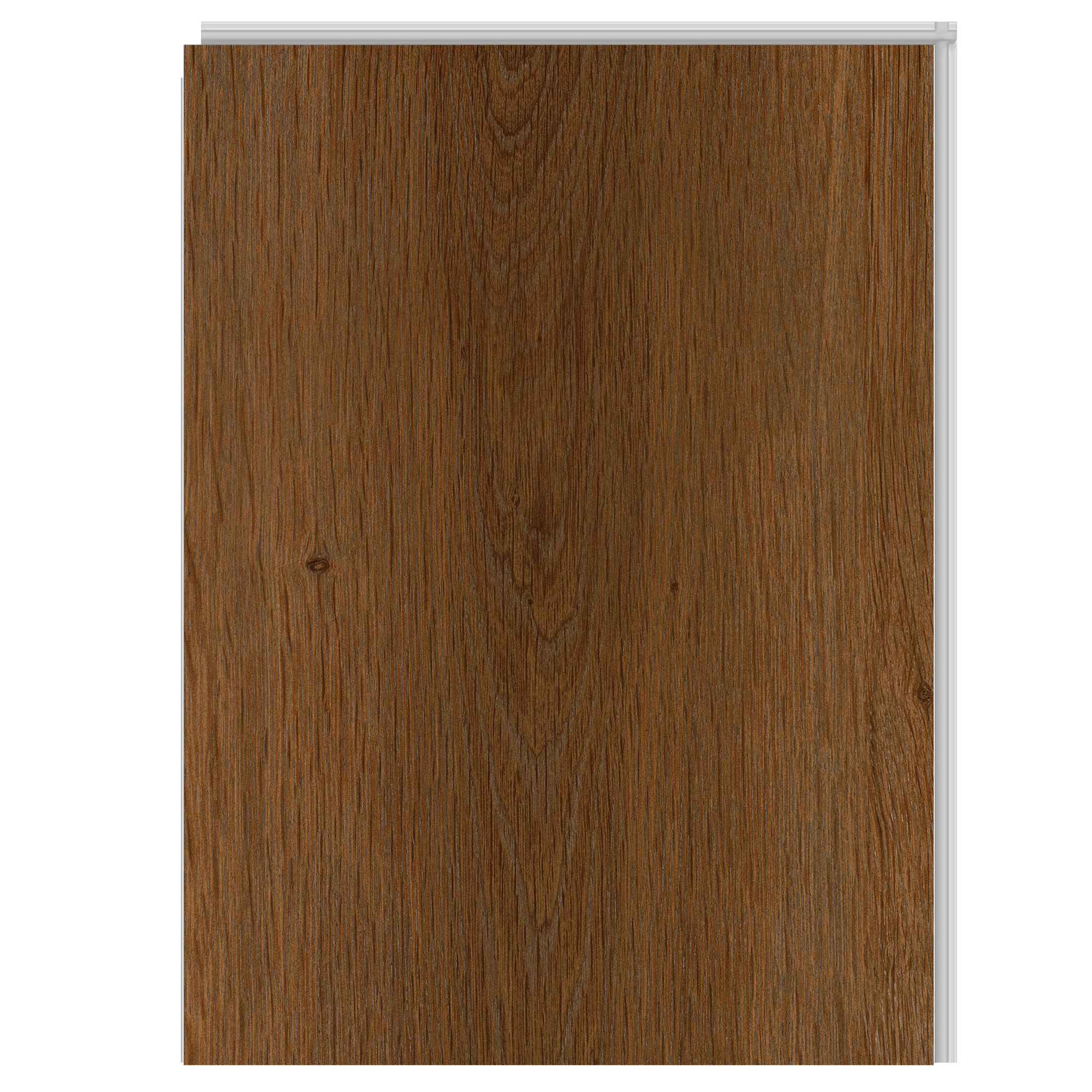
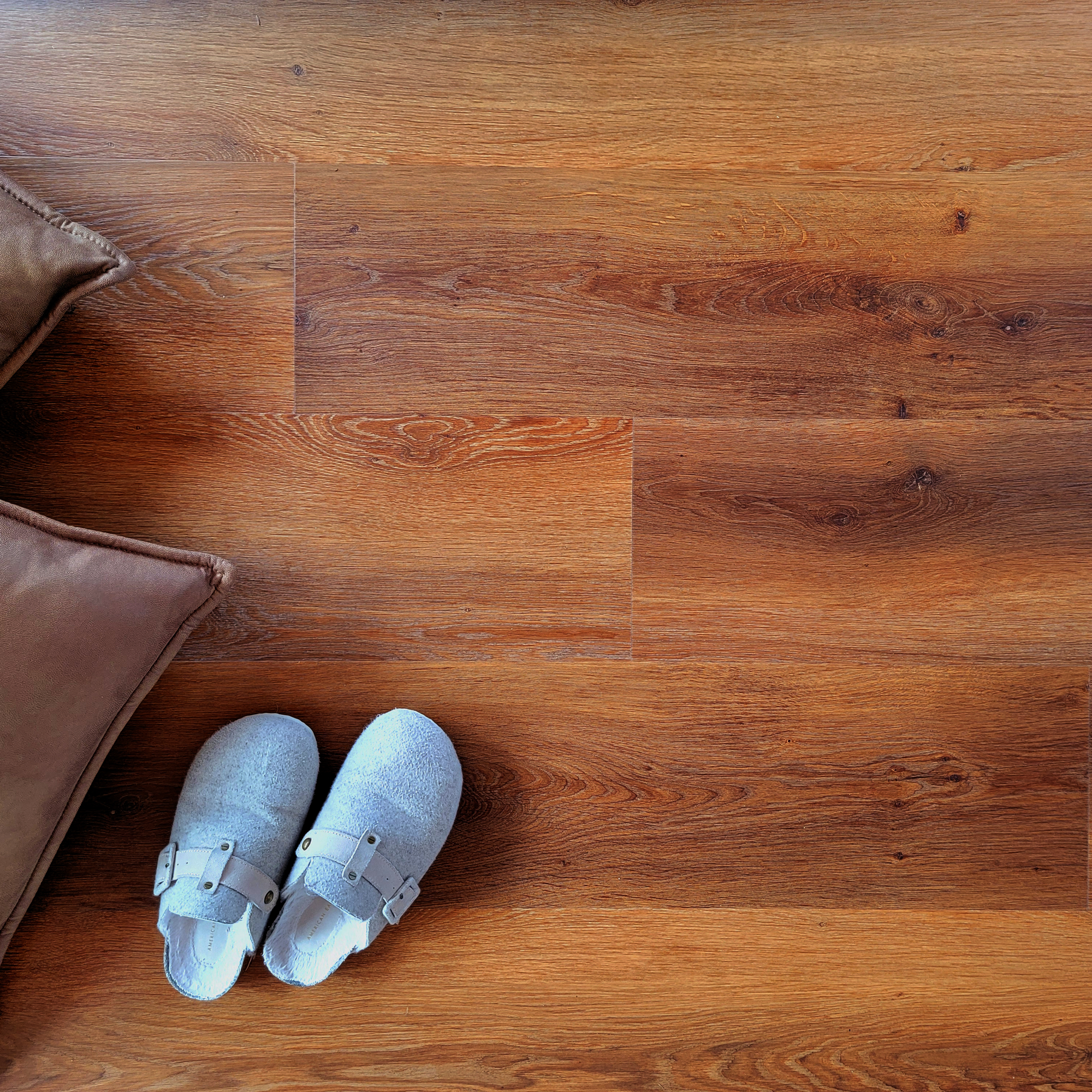
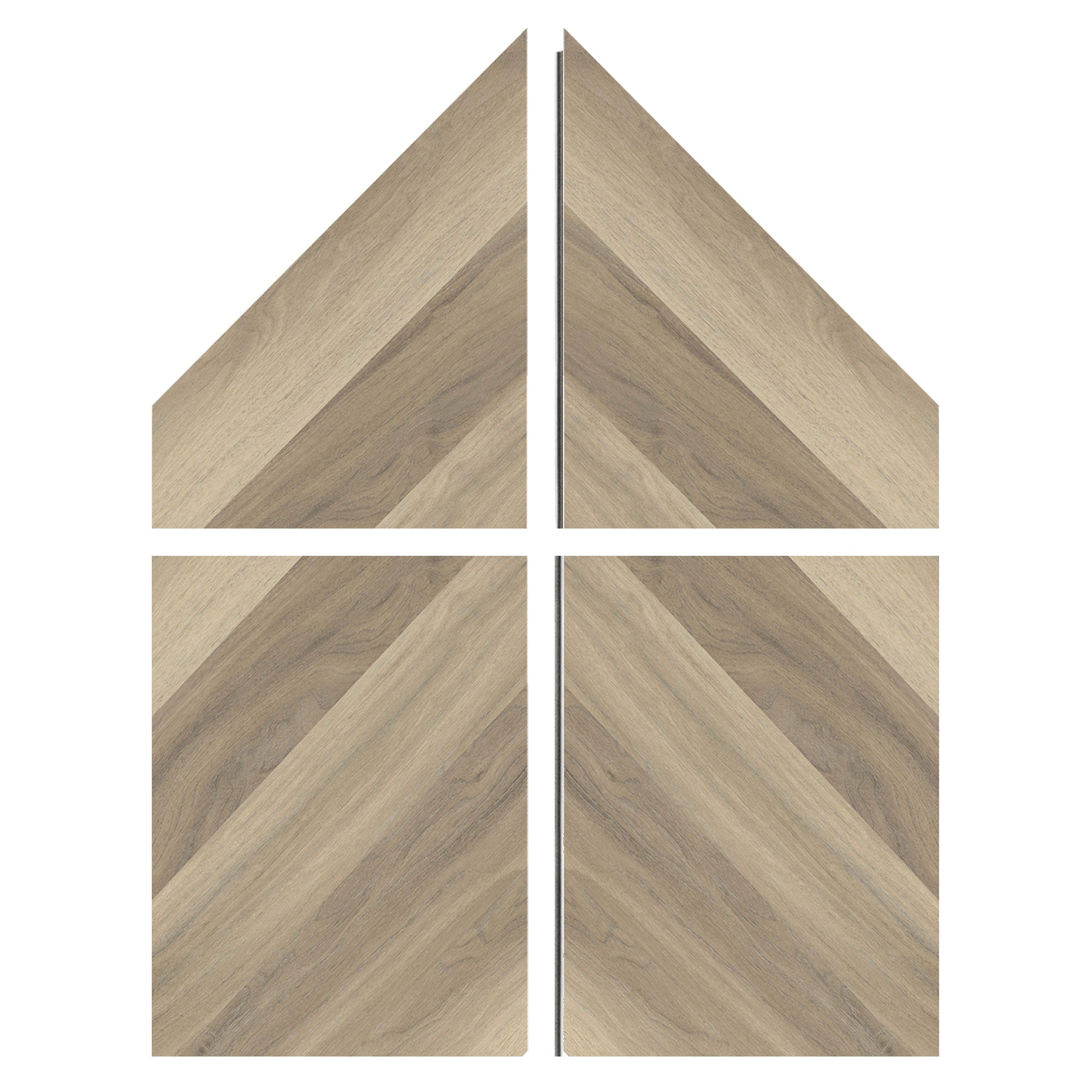
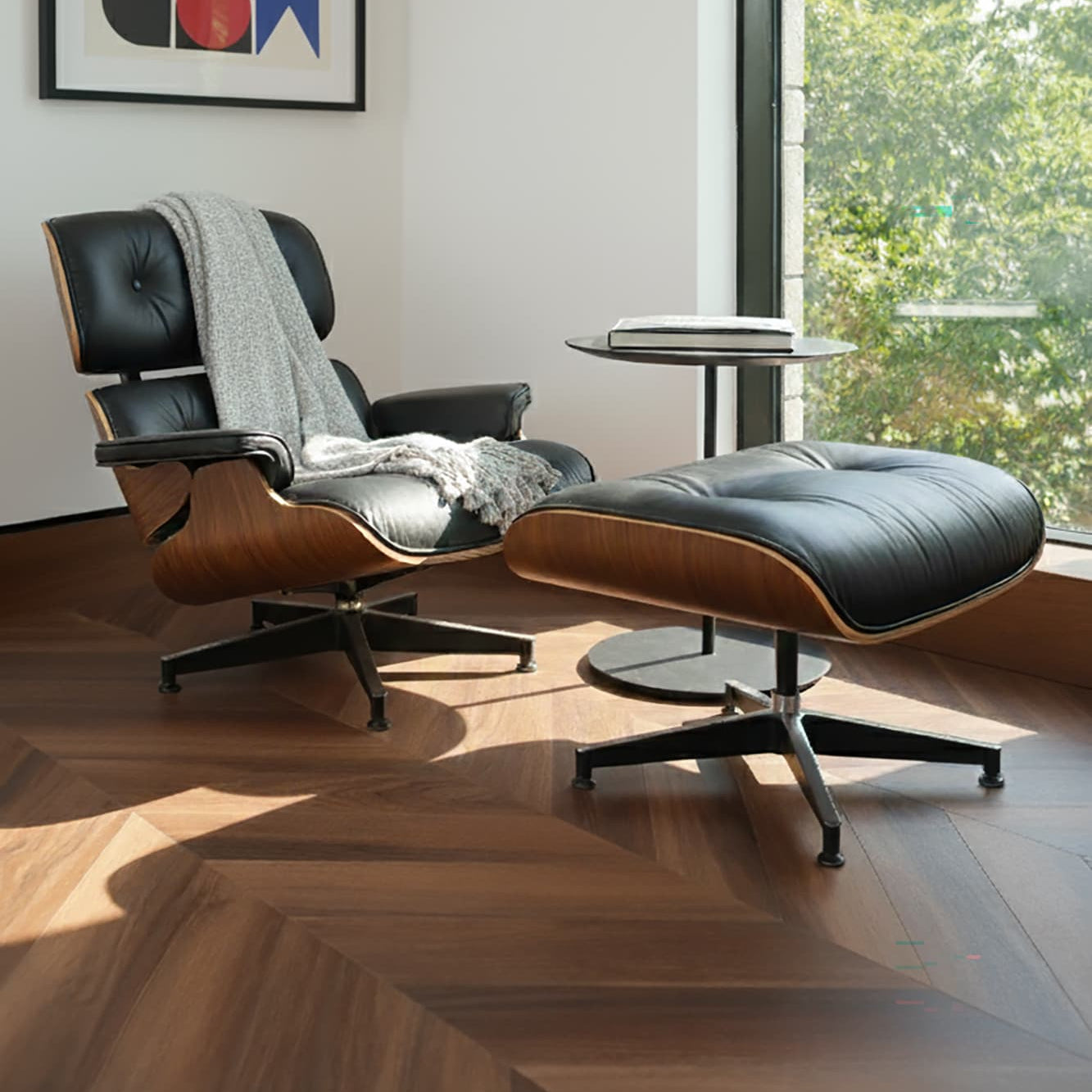
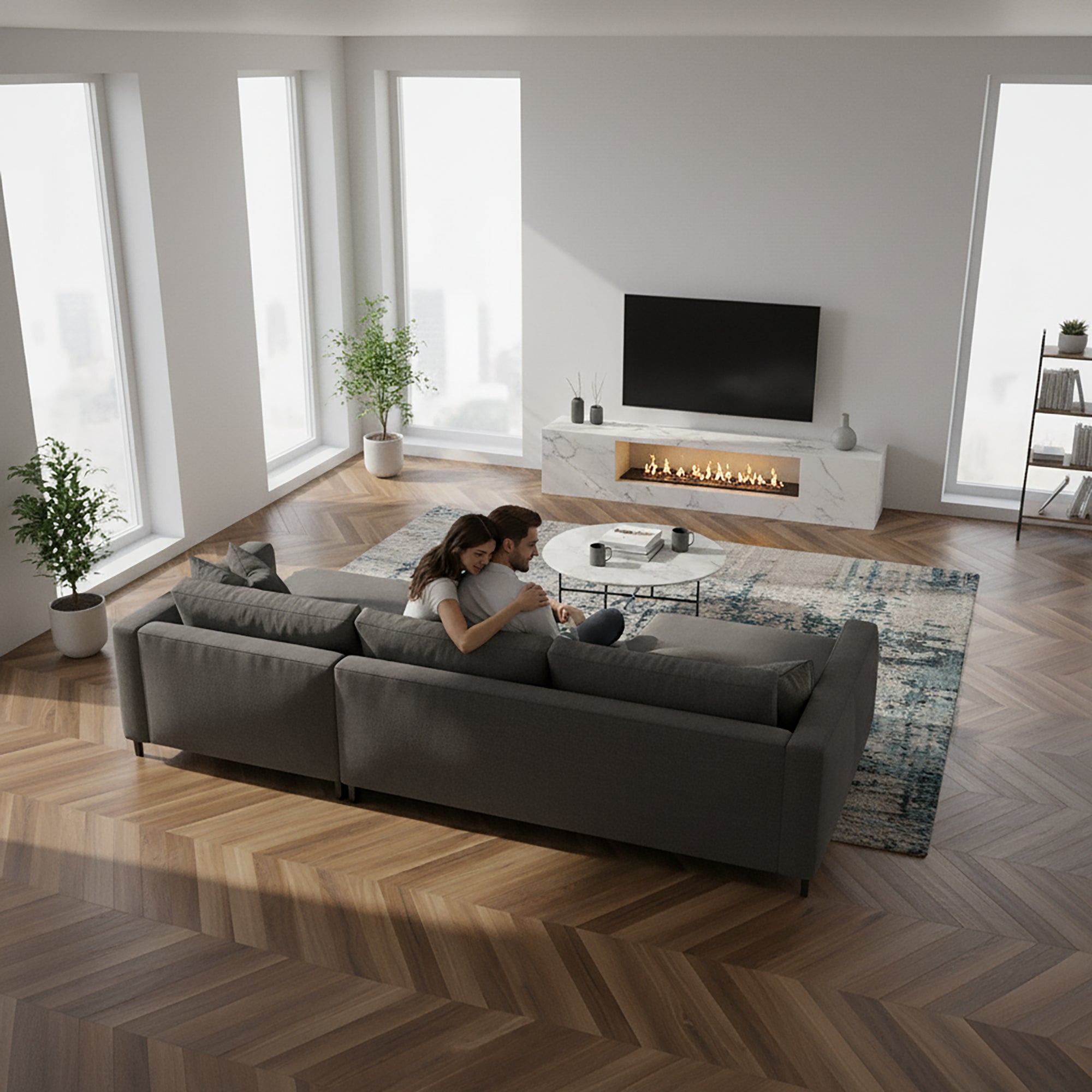
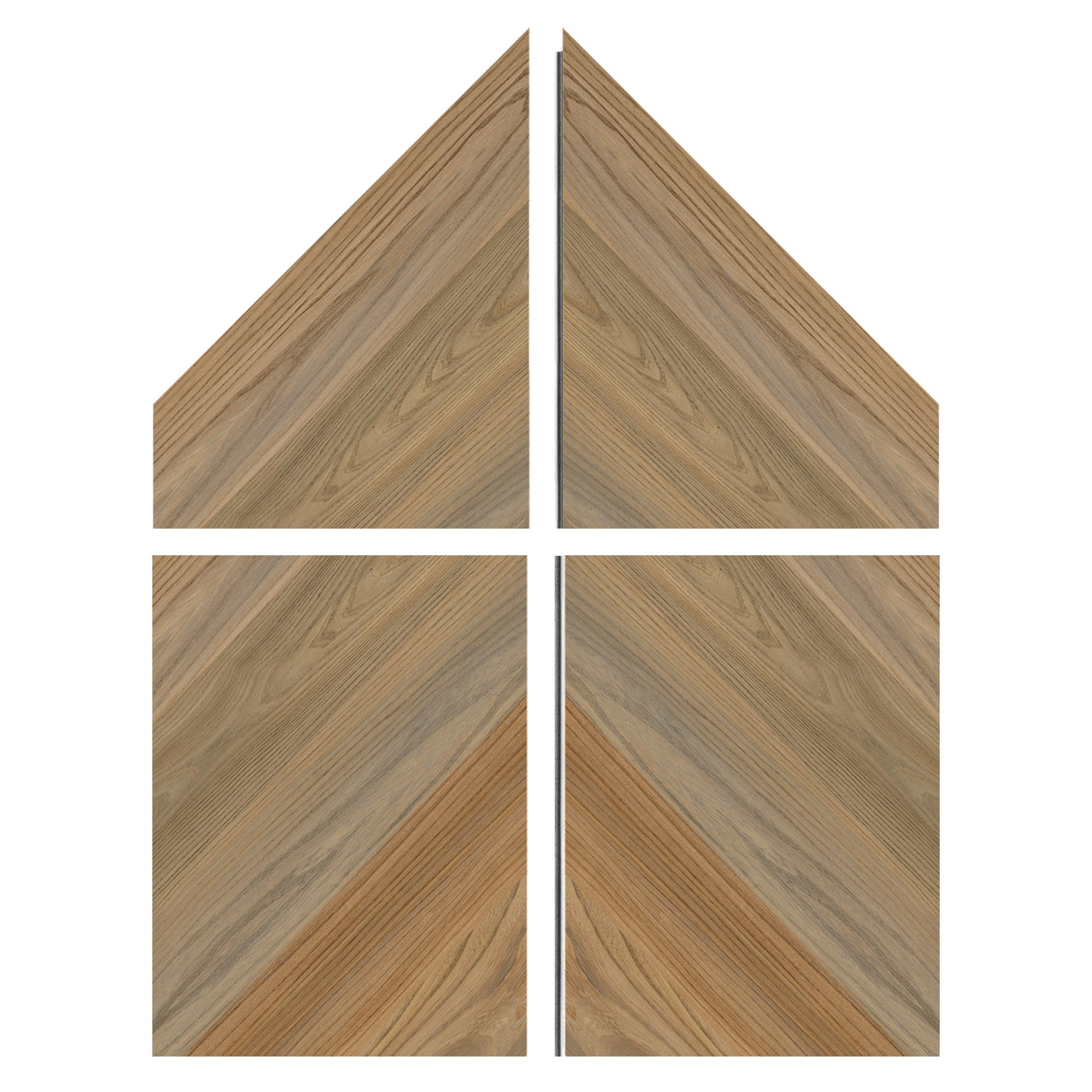
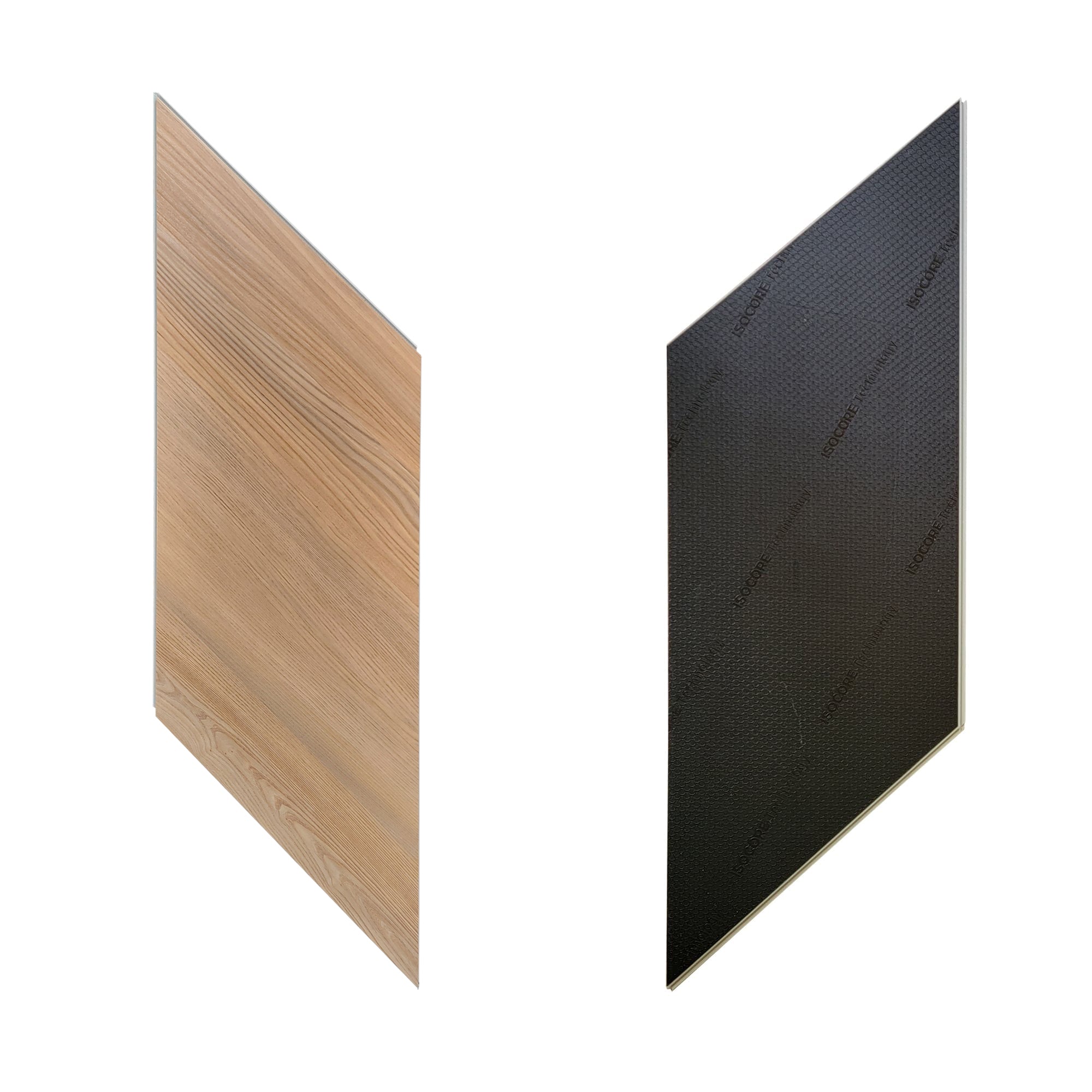
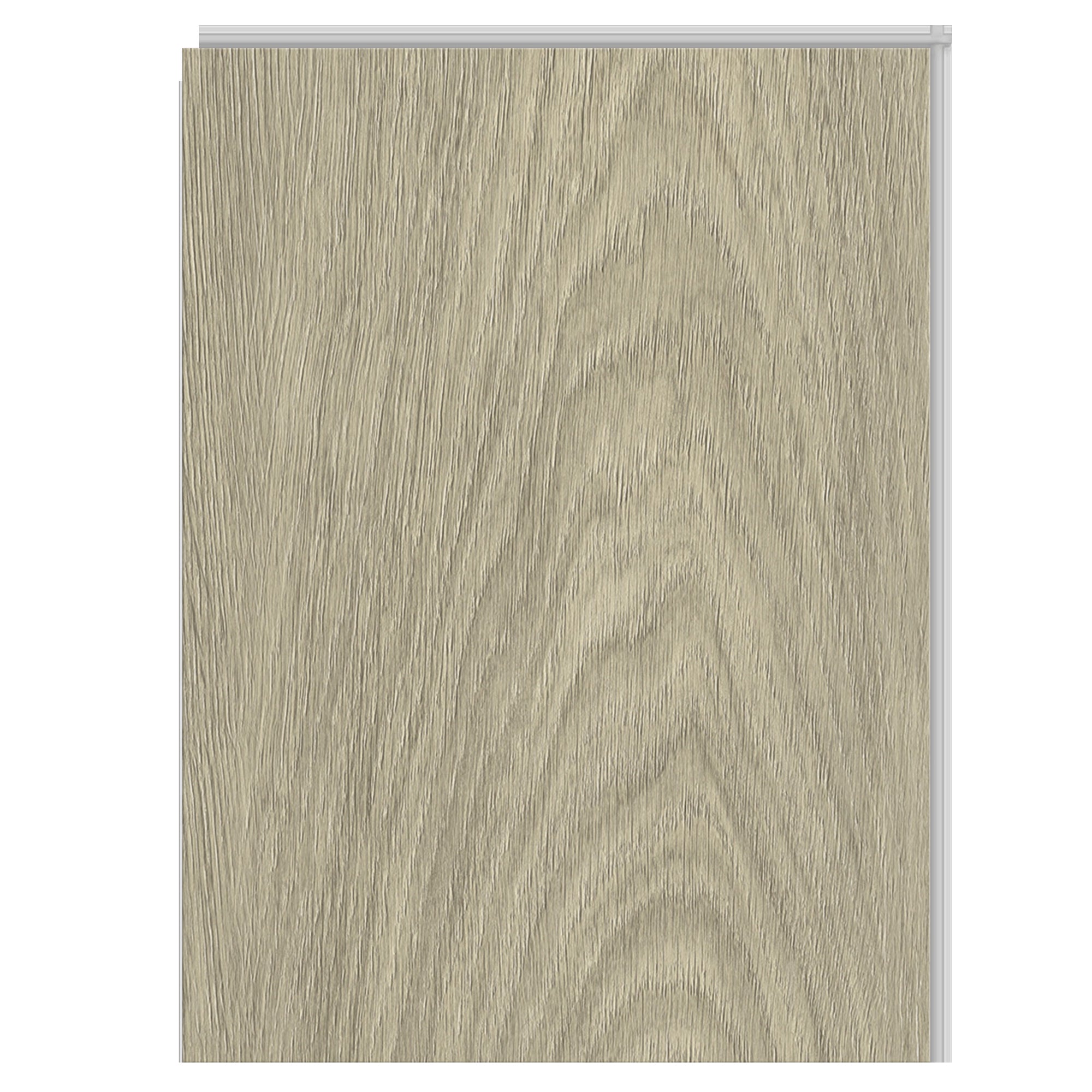
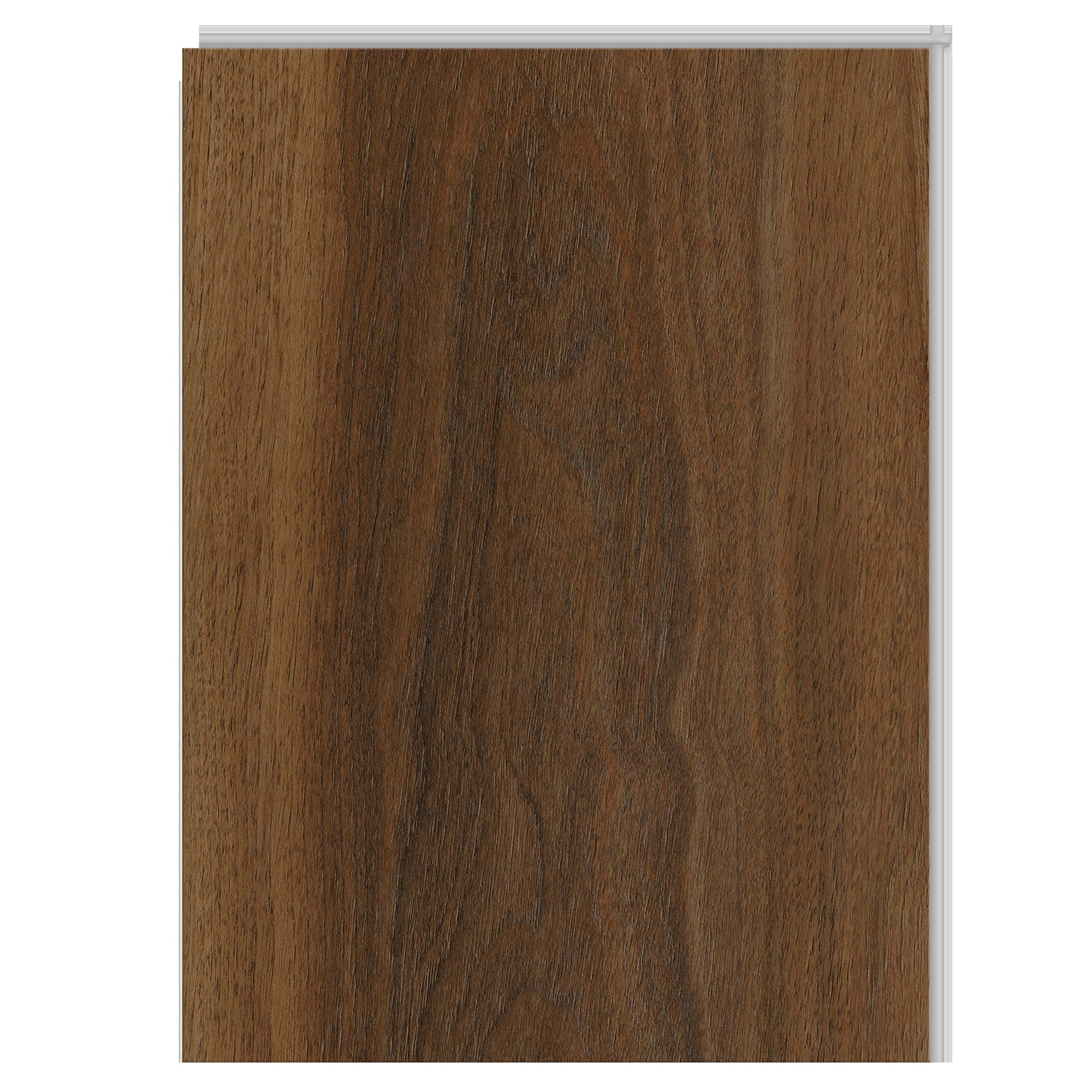
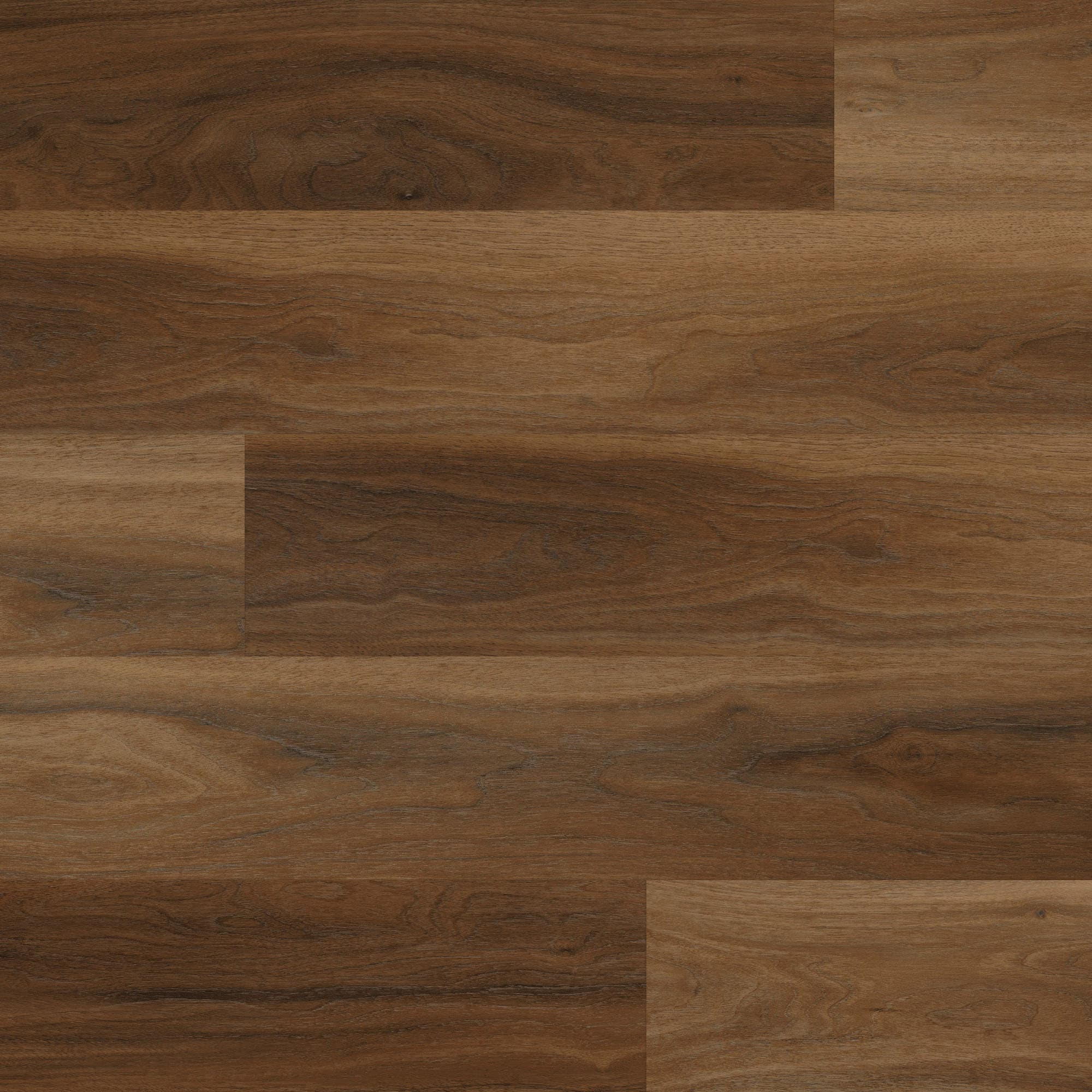
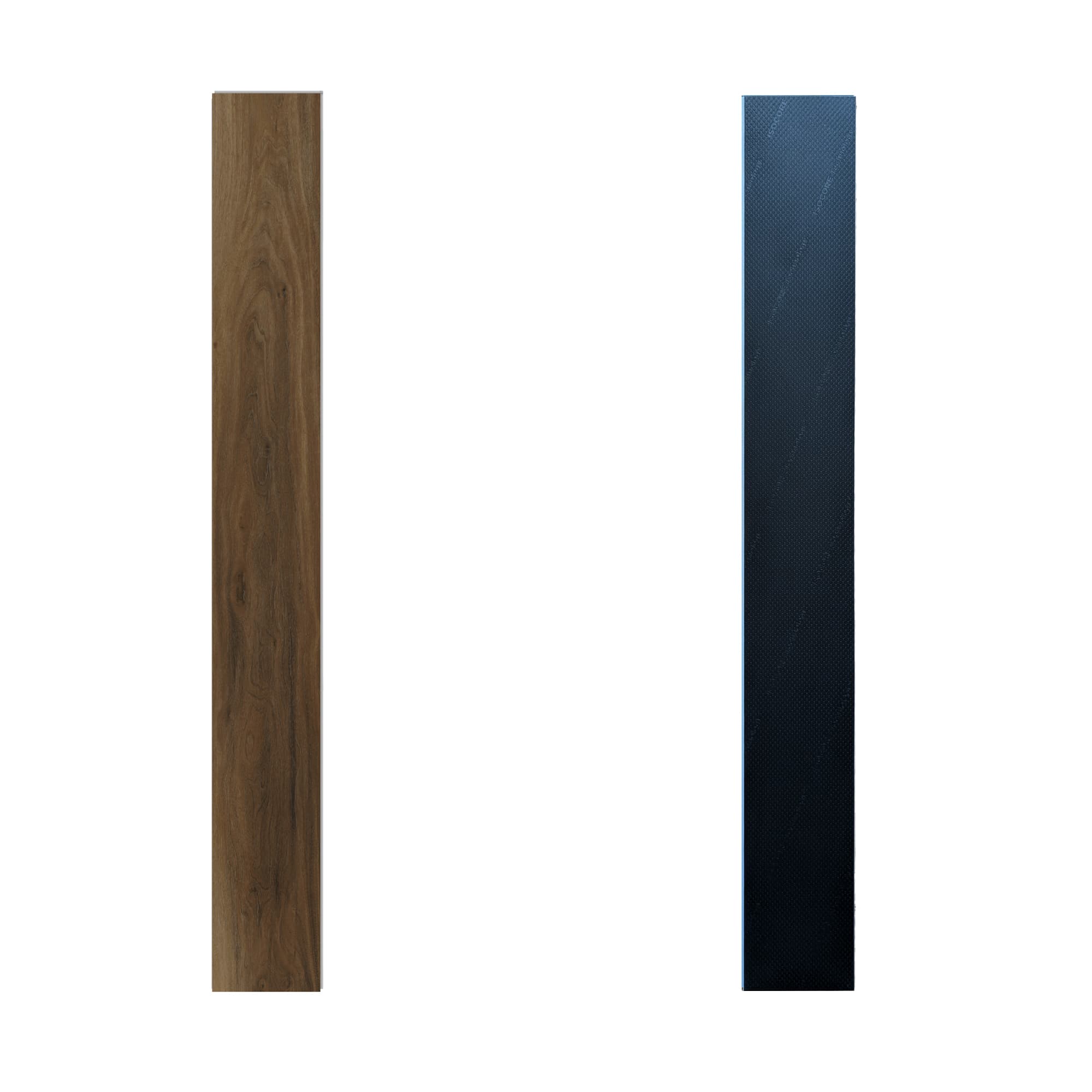
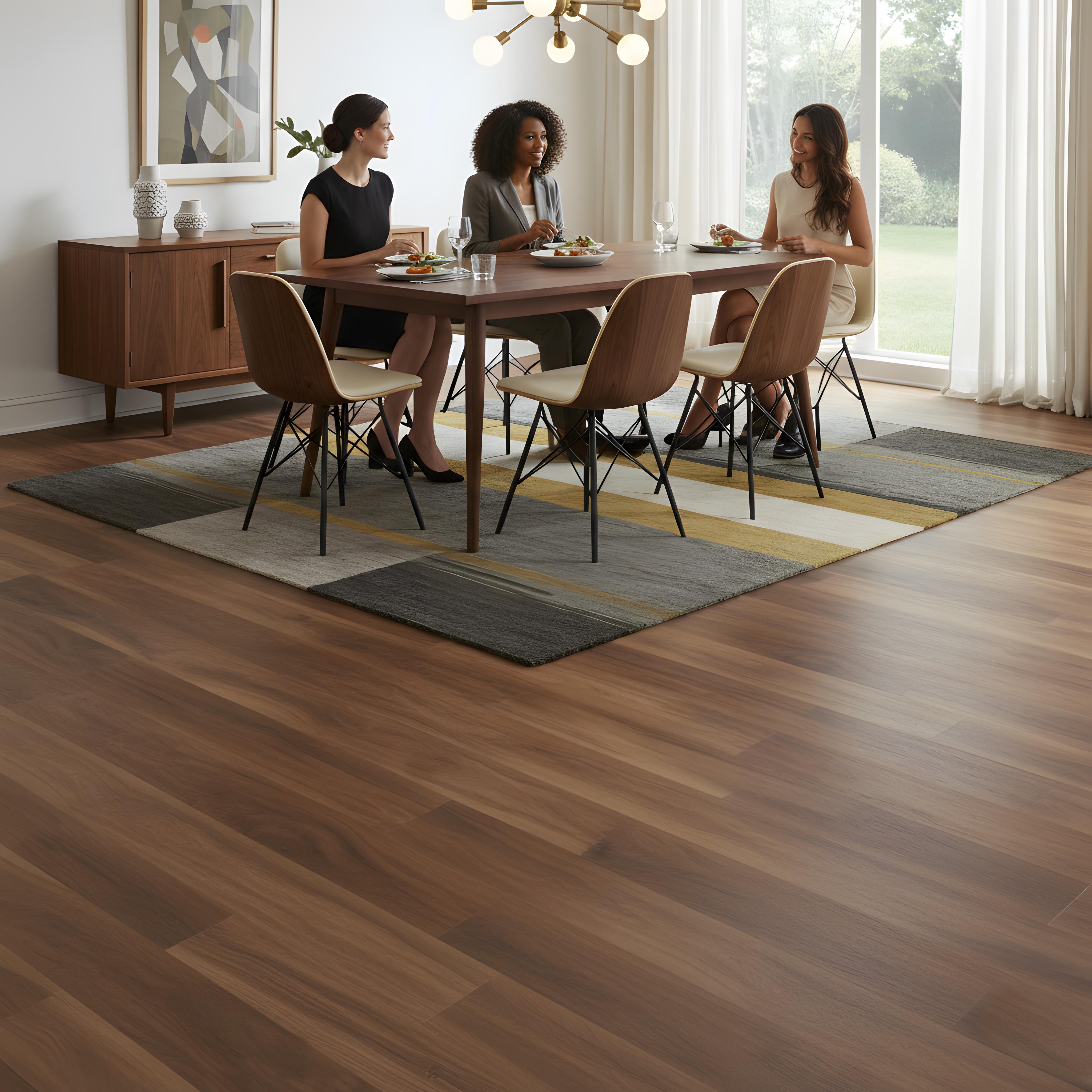
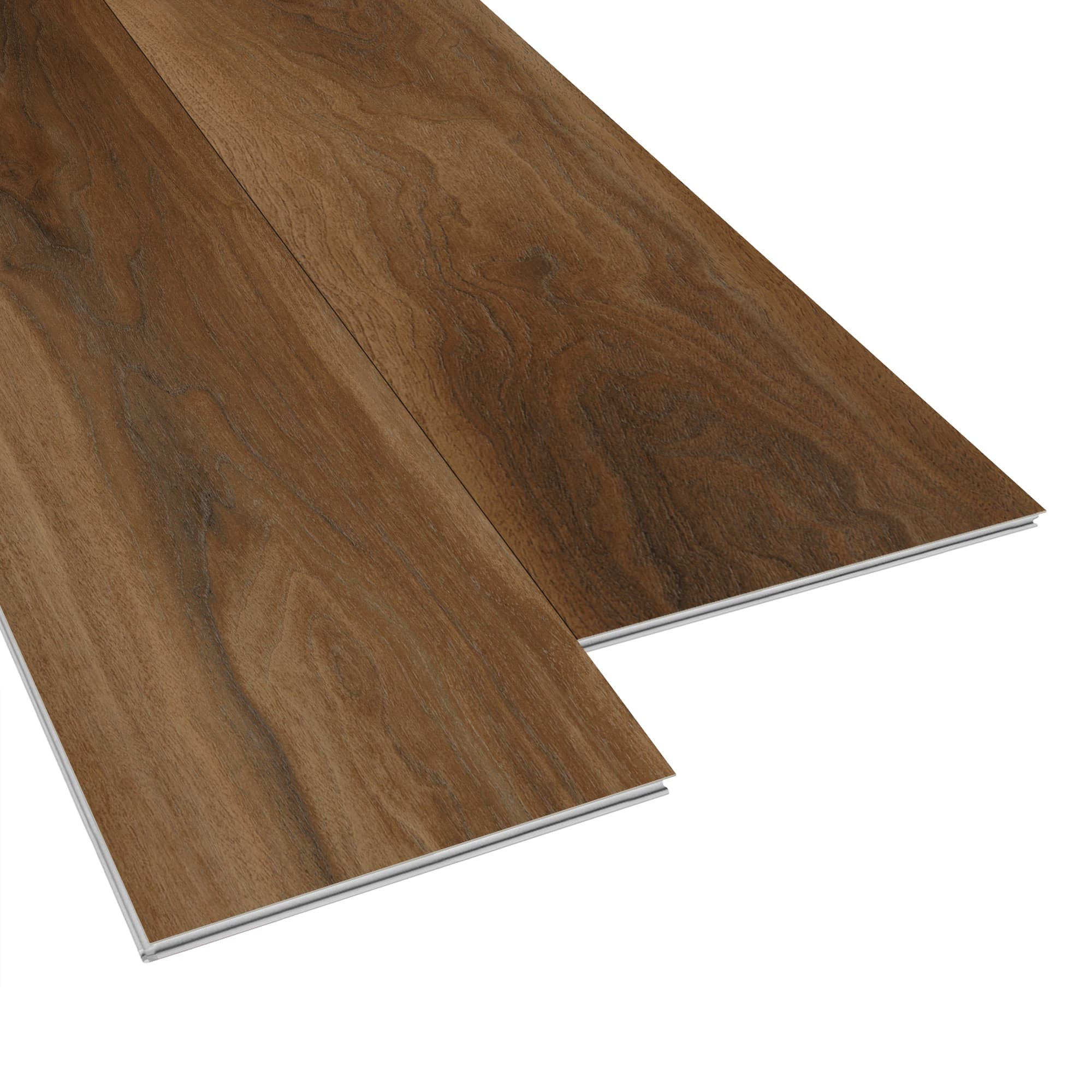
Click lock vinyl flooring is one of the most popular flooring options for homeowners who want the look of hardwood or tile with the durability and waterproof performance of luxury vinyl. Designed with an innovative drop-and-lock installation system, click lock luxury vinyl plank (LVP) and luxury vinyl tile (LVT) floors connect securely without glue, nails, or complicated tools. This floating floor system makes installation faster, cleaner, and is designed for DIY projects.
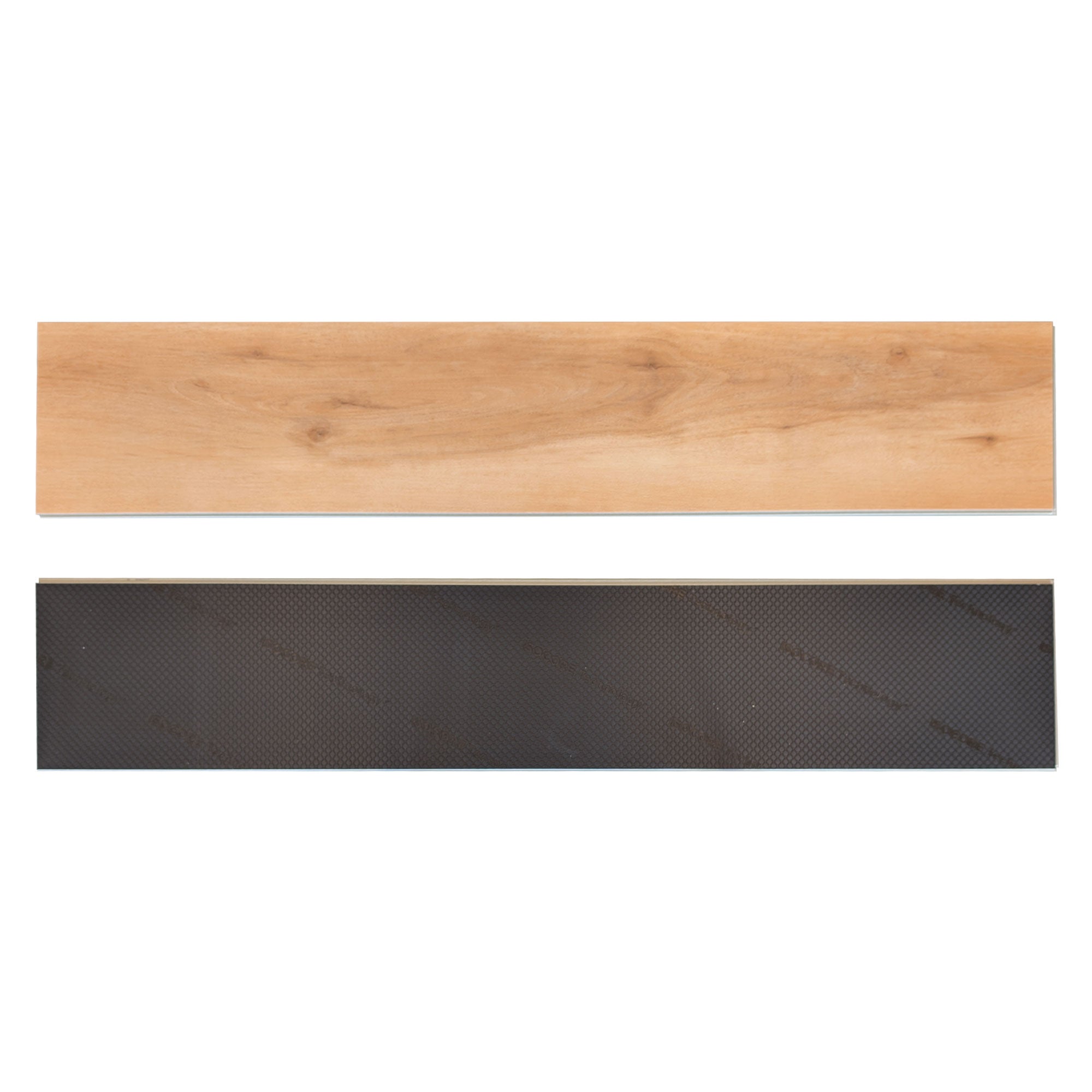
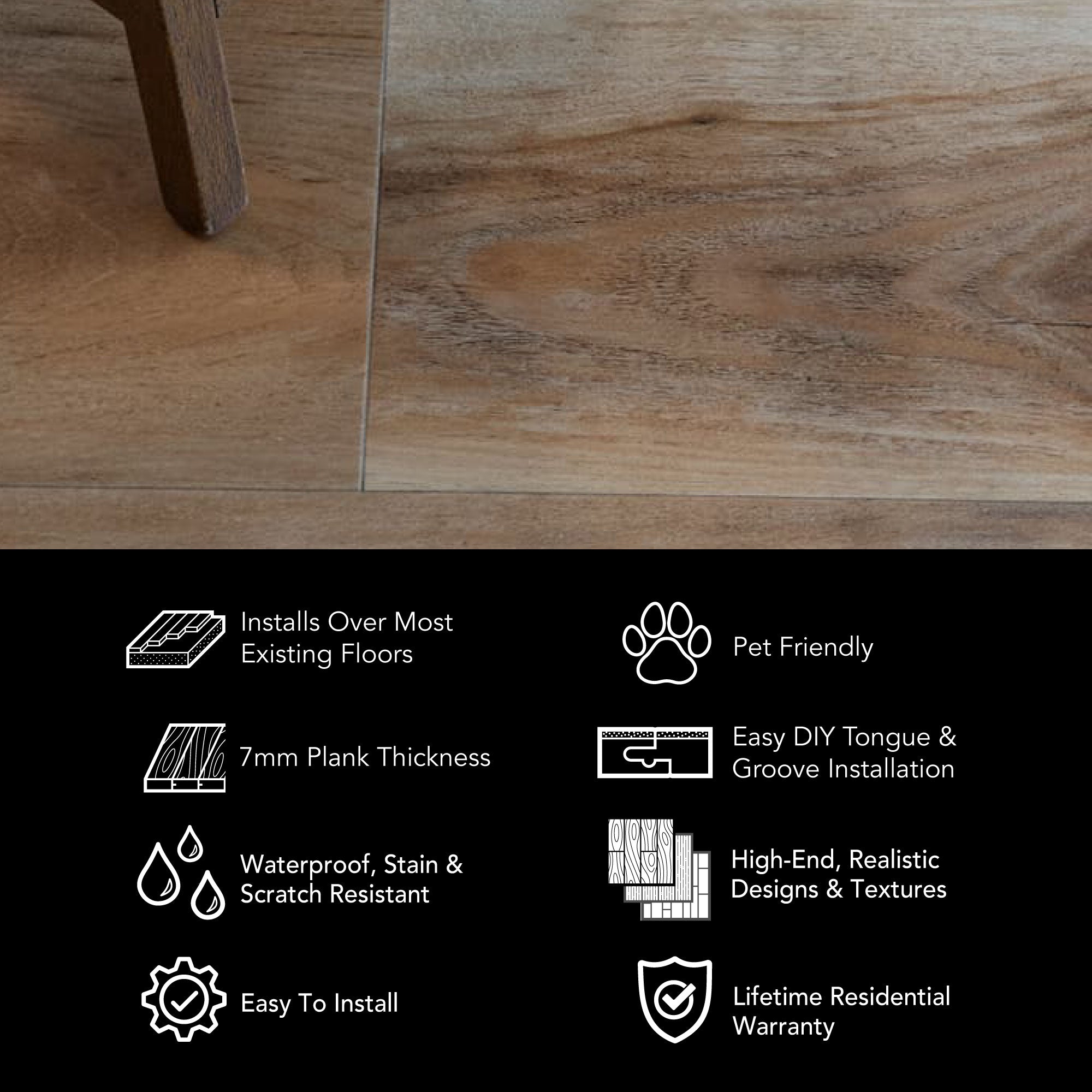
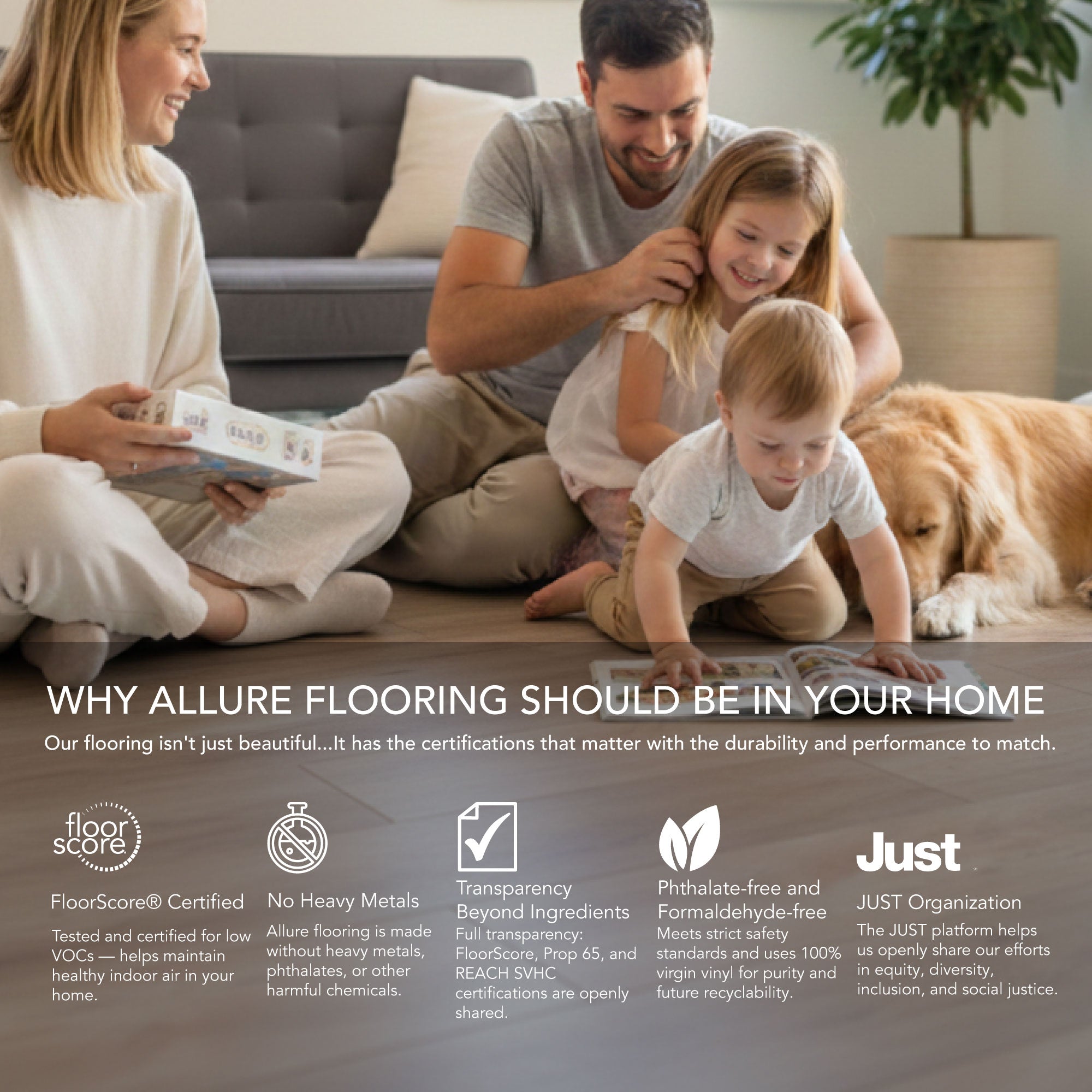
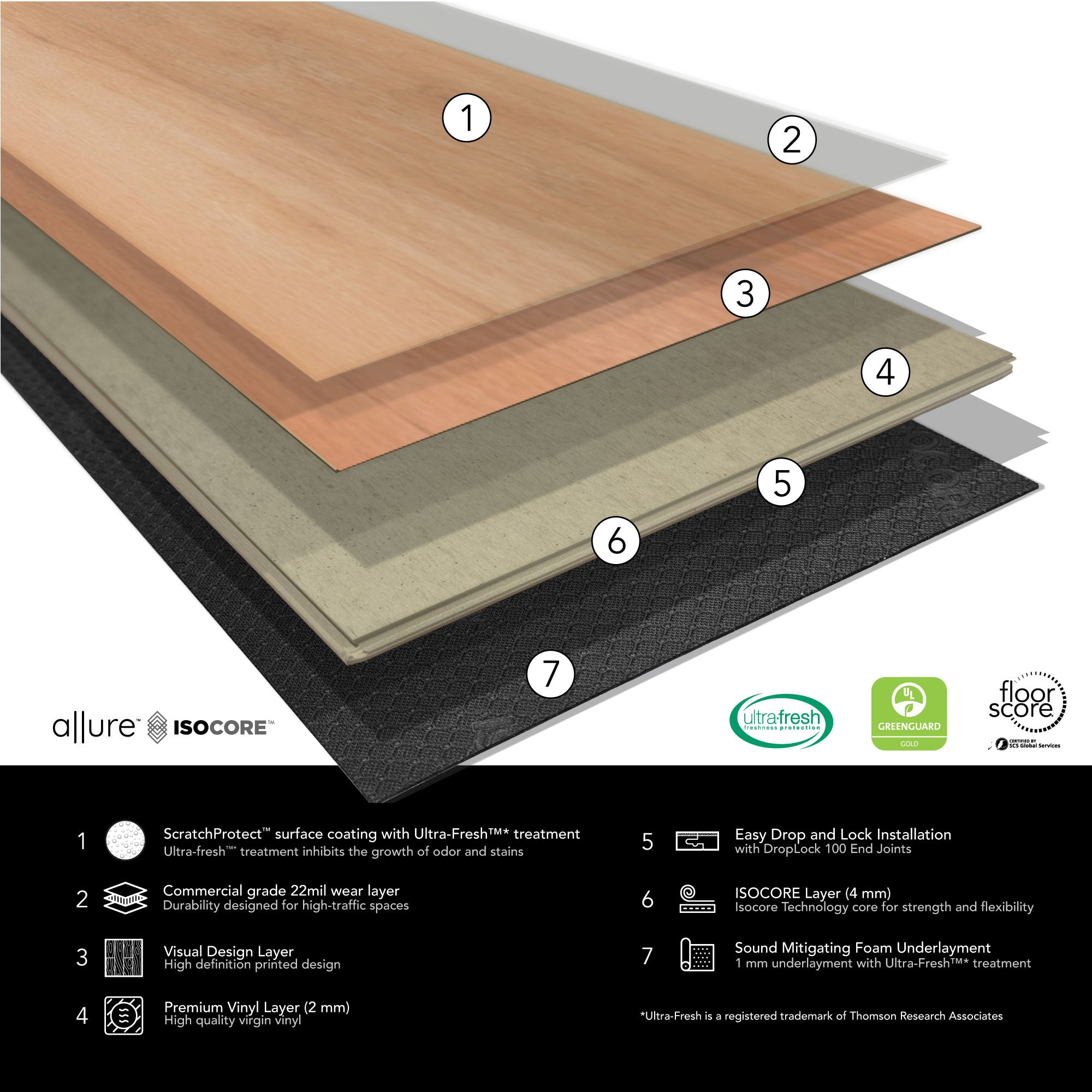
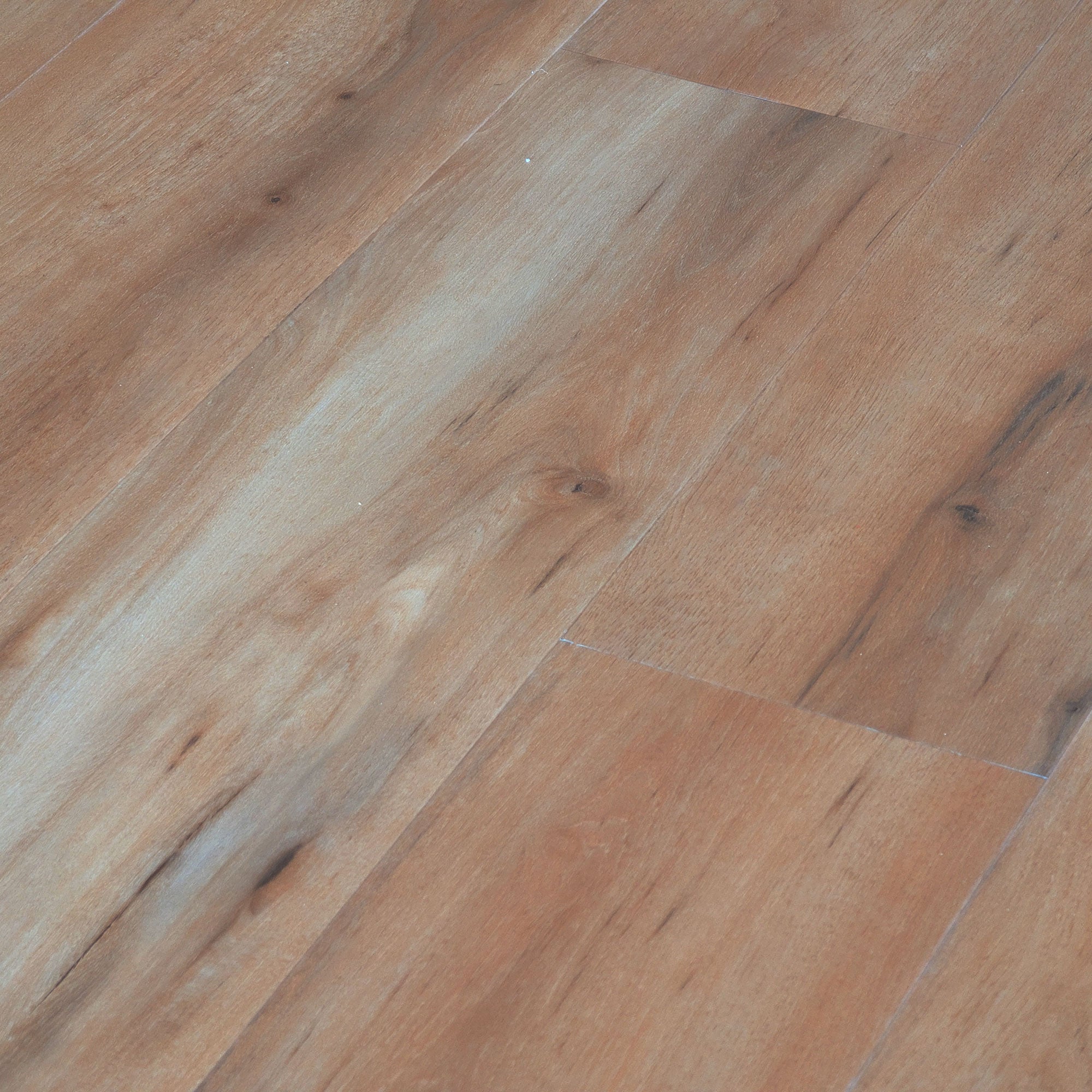
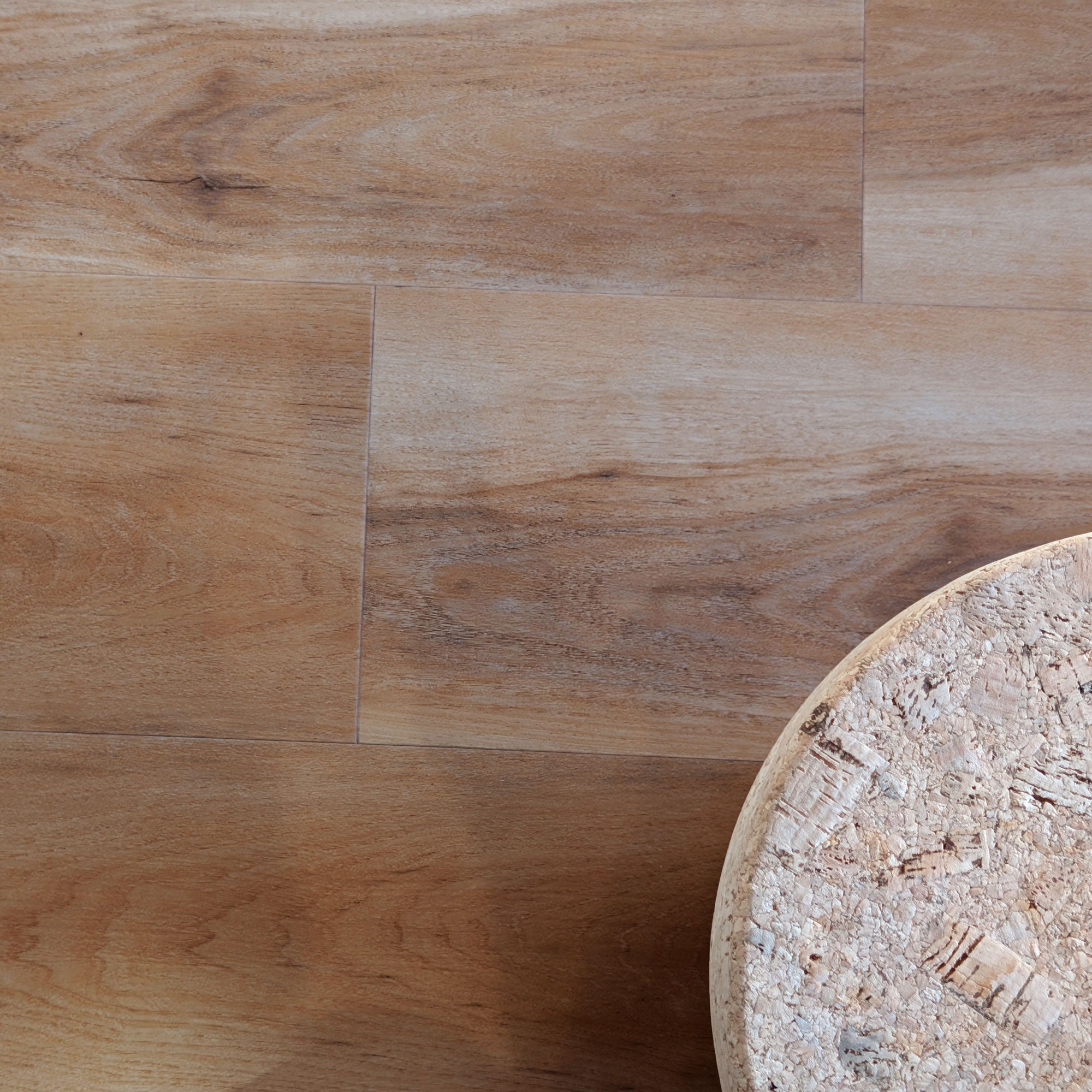
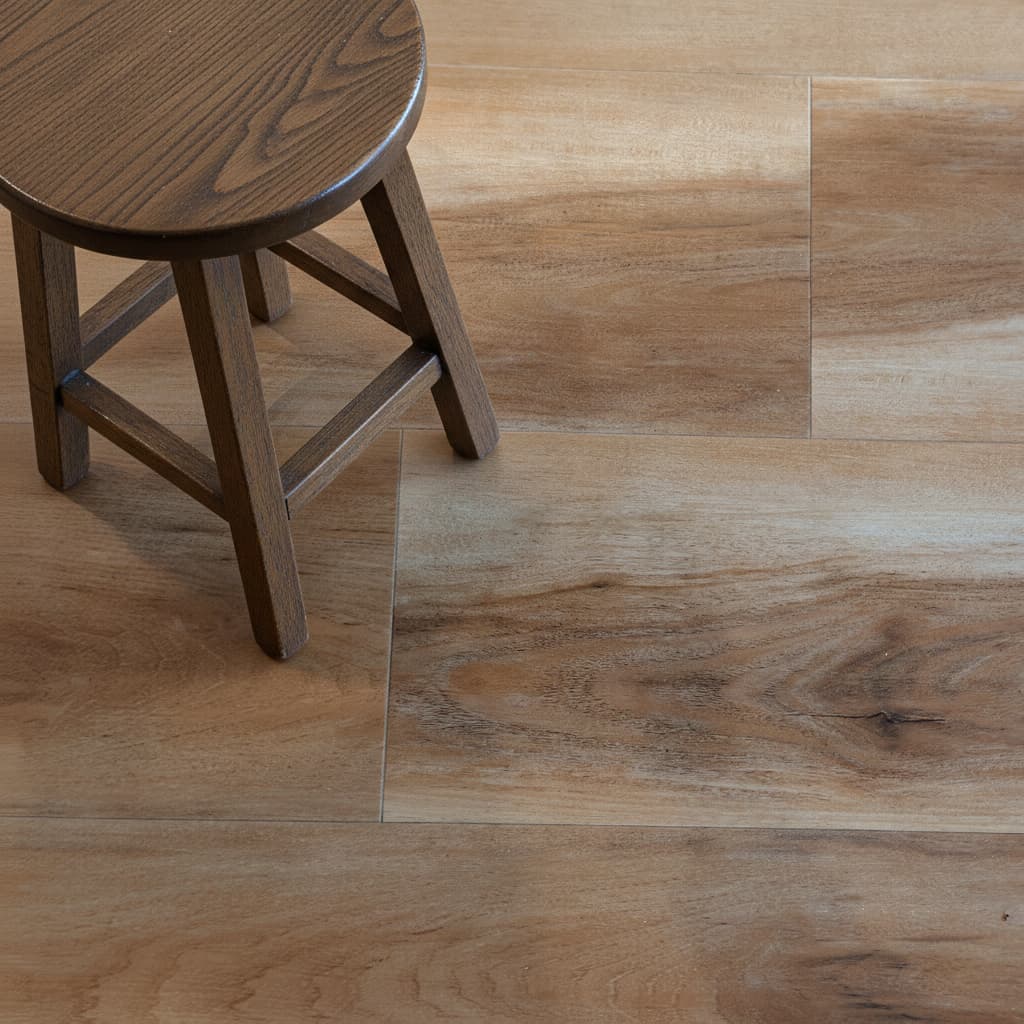
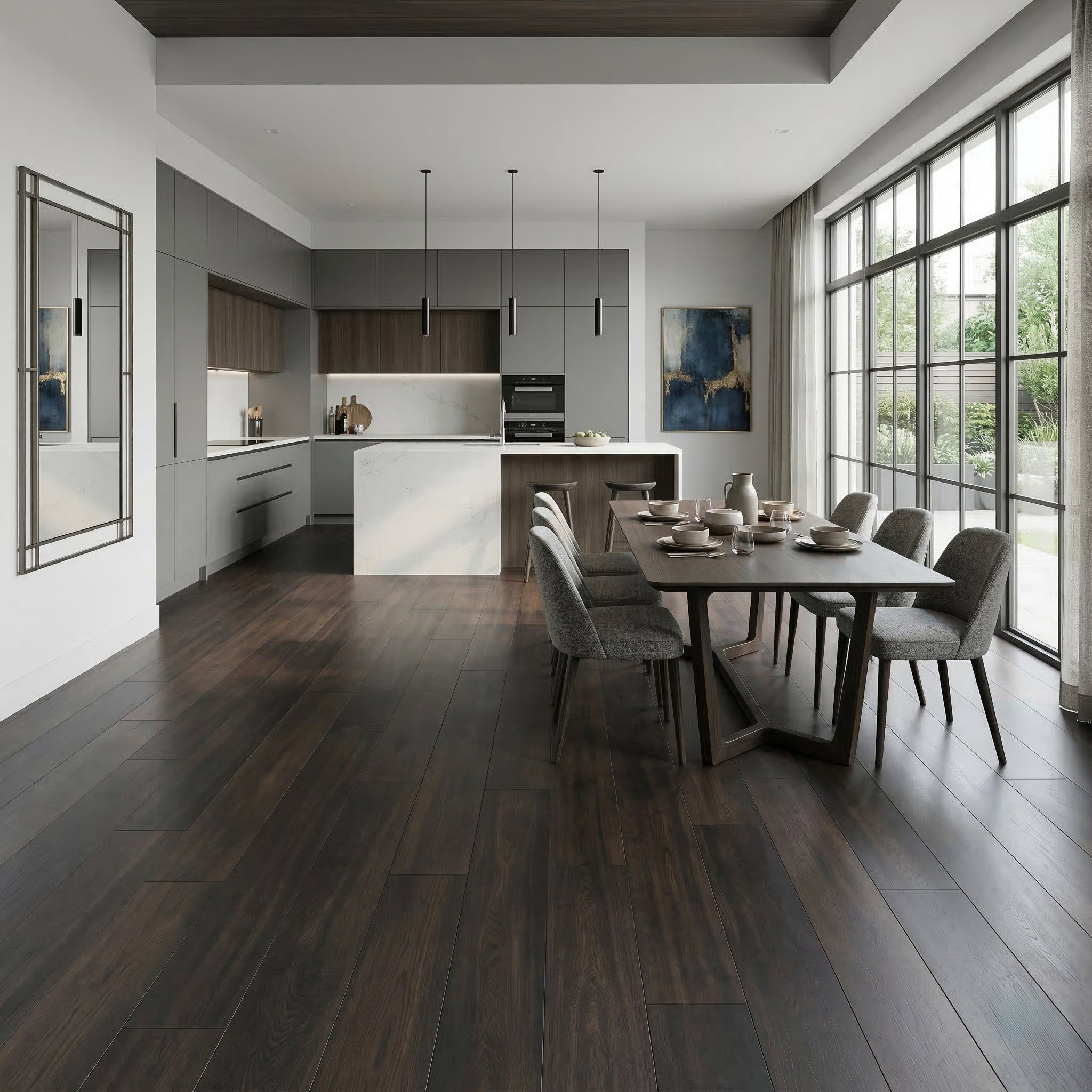
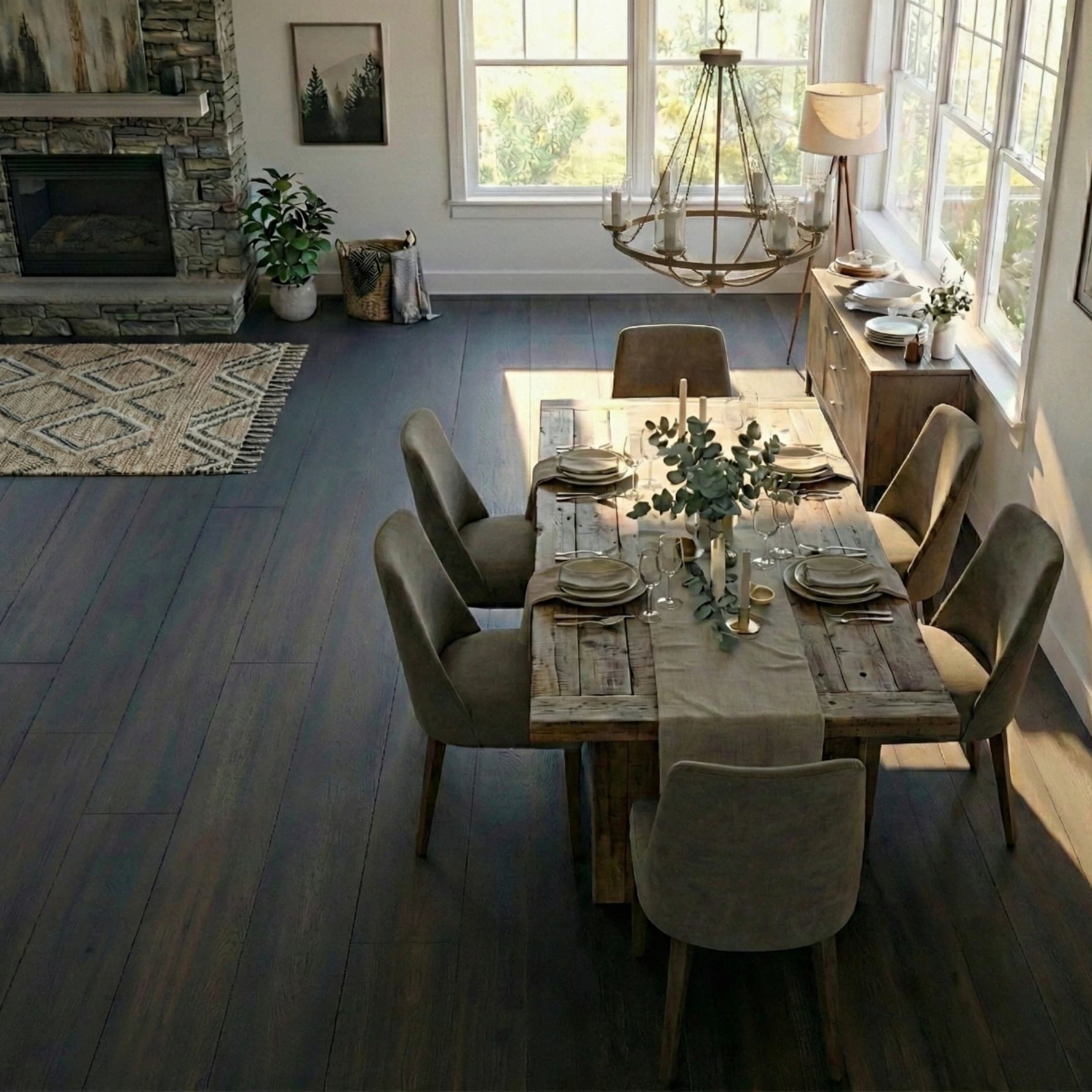
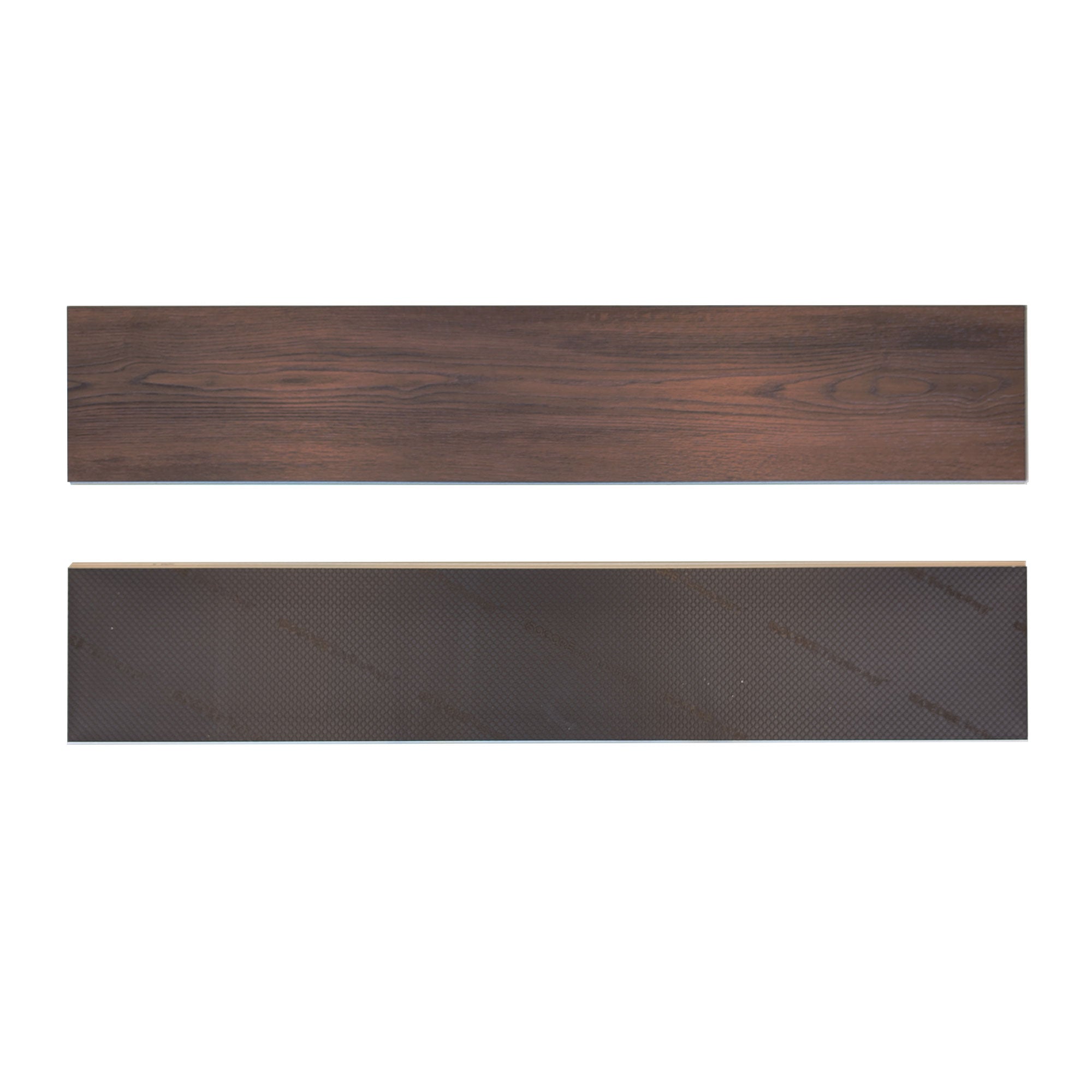
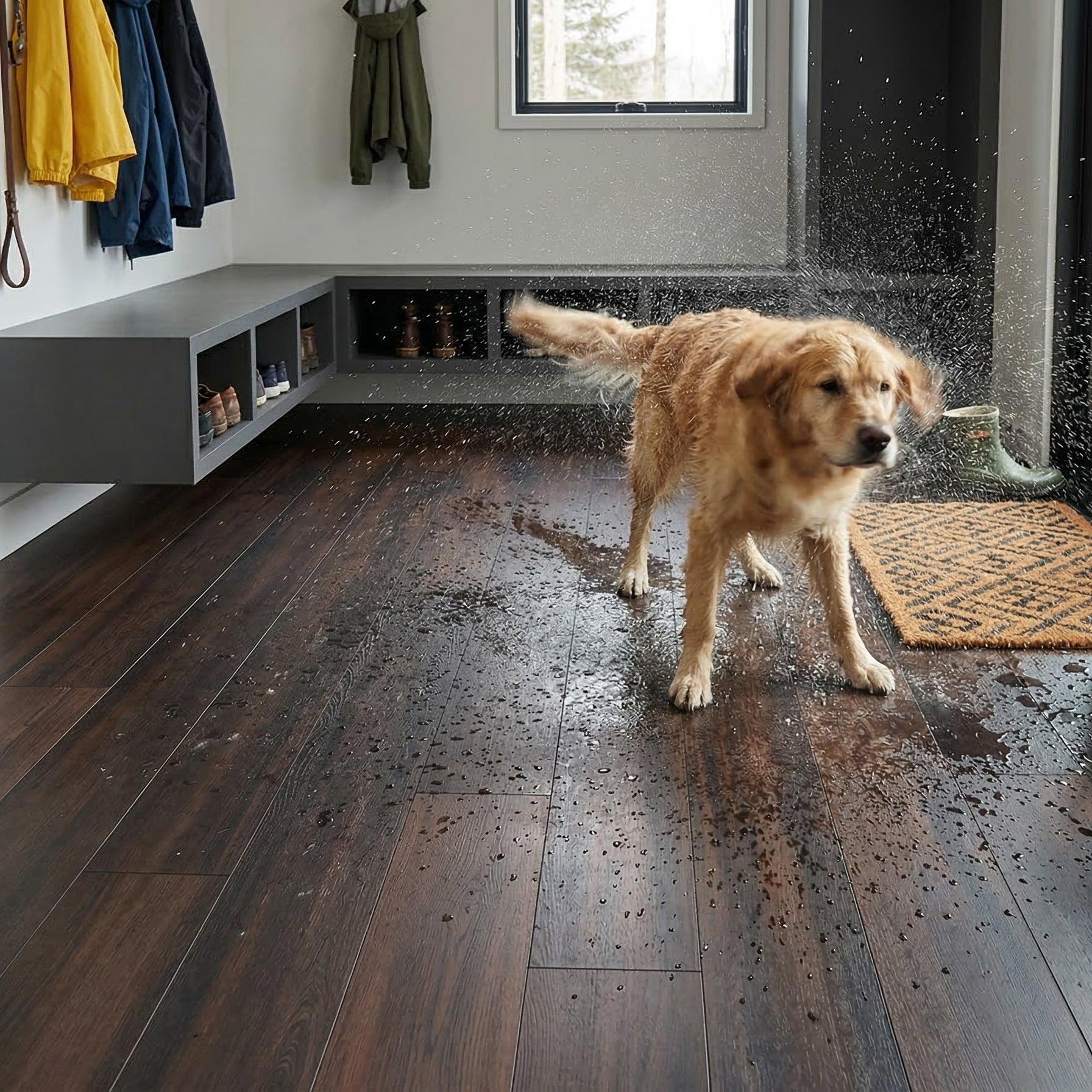
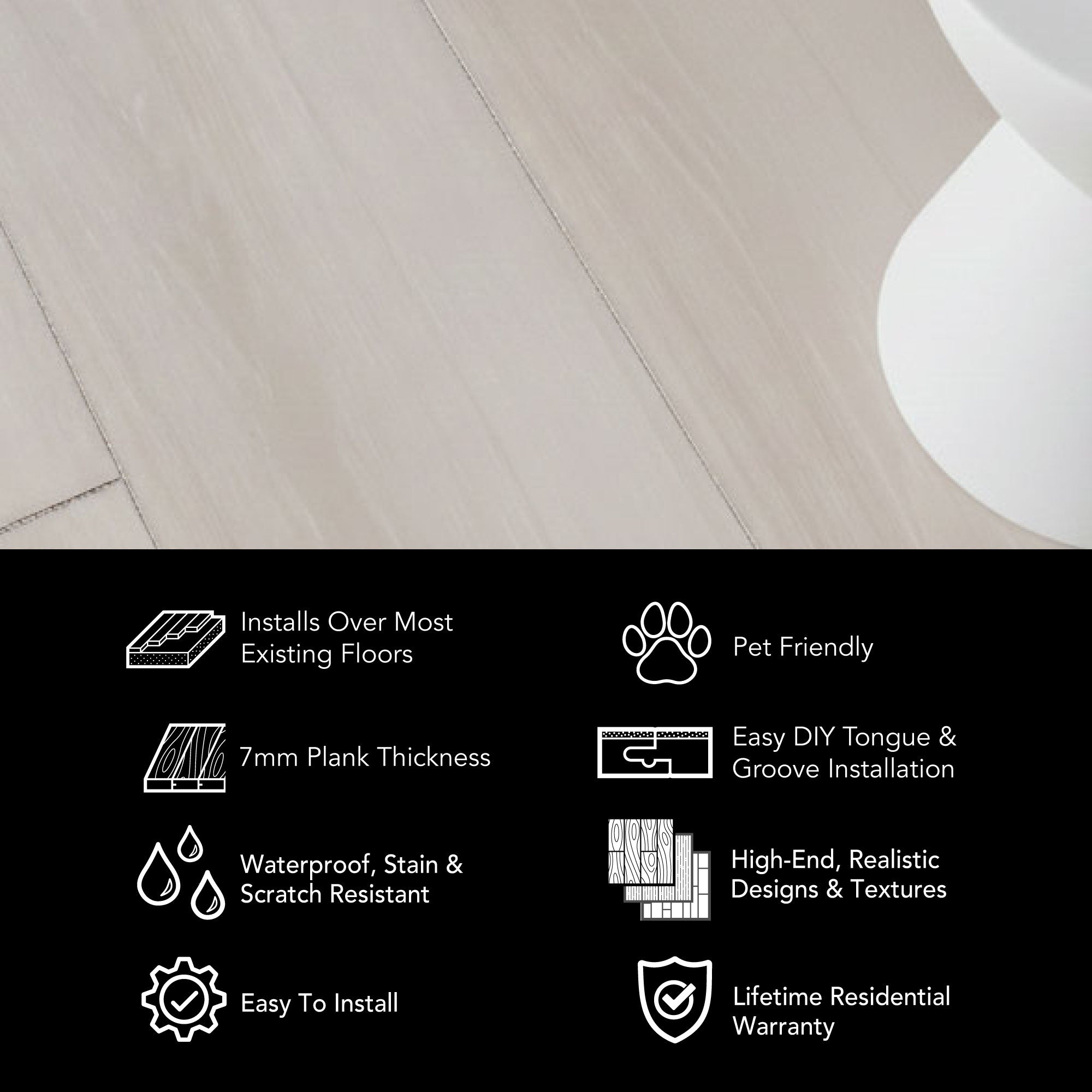
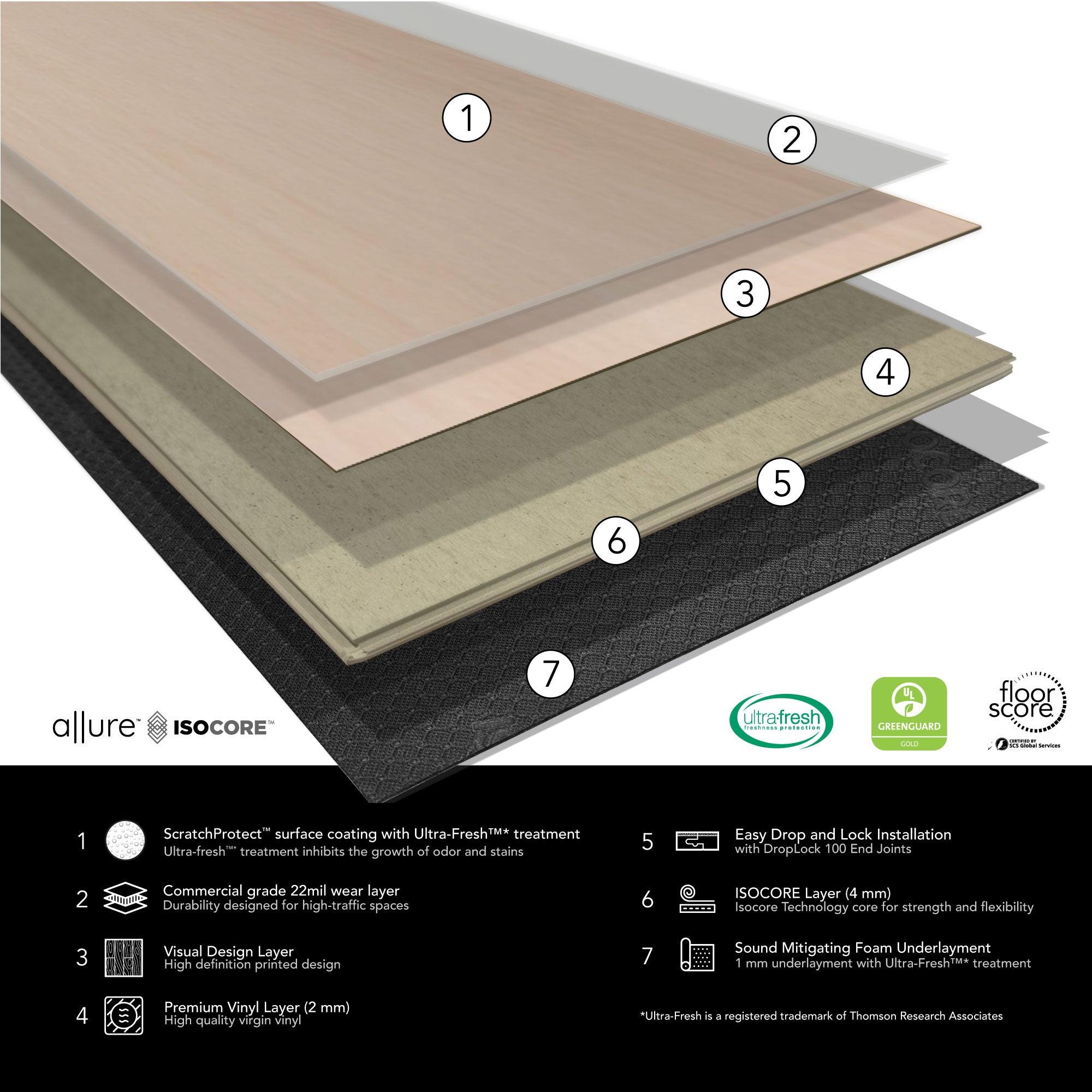
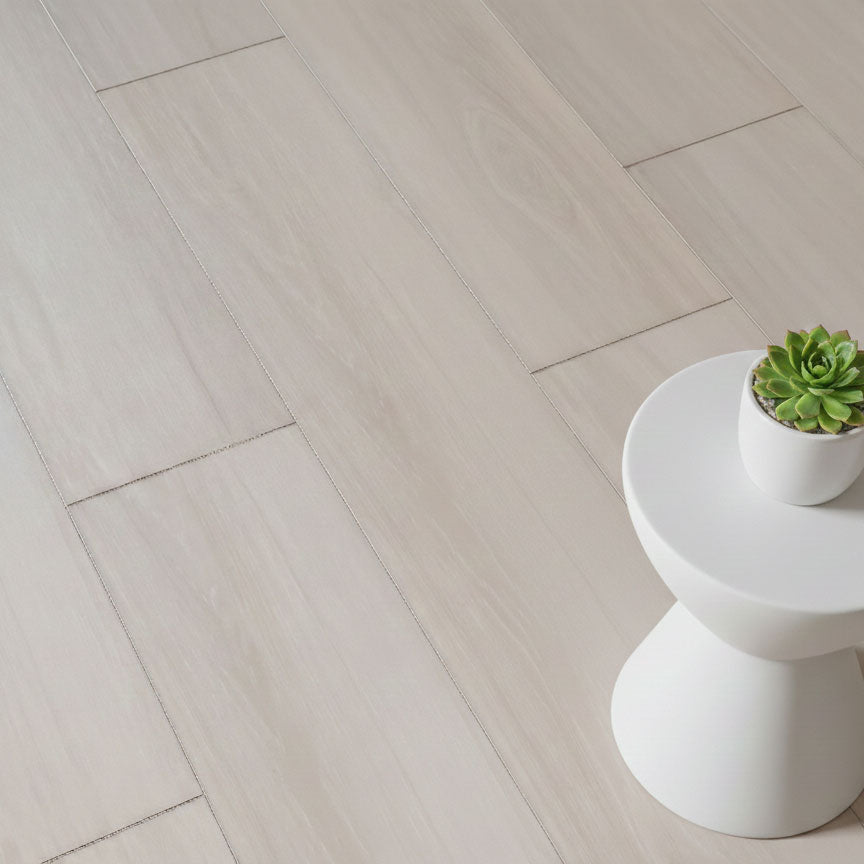
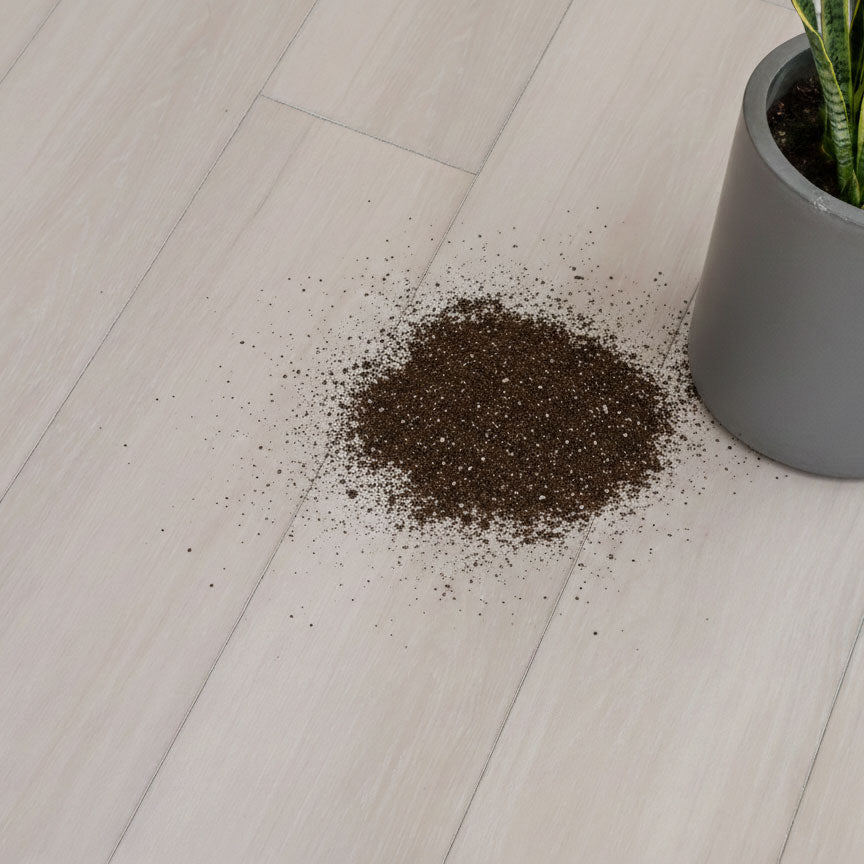
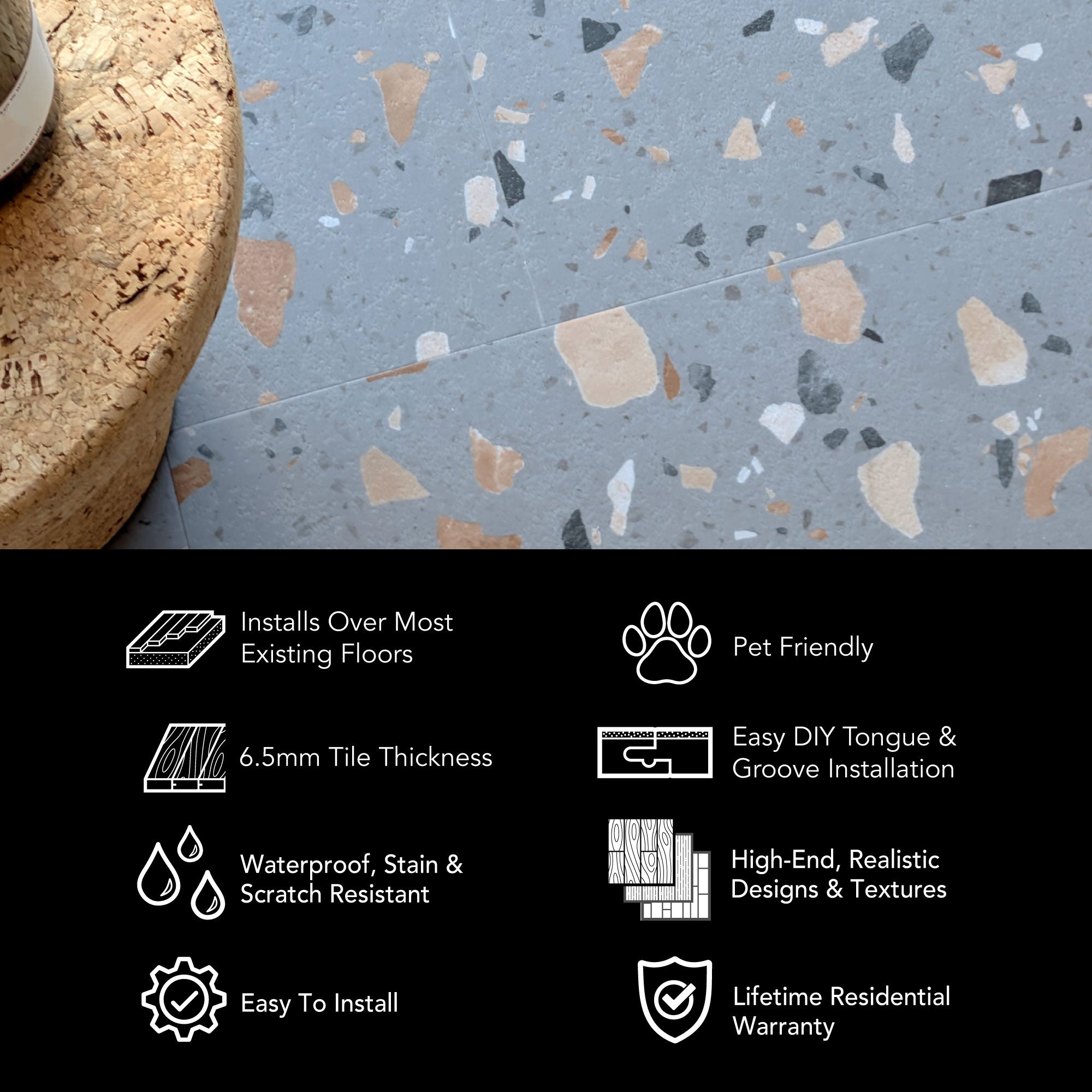
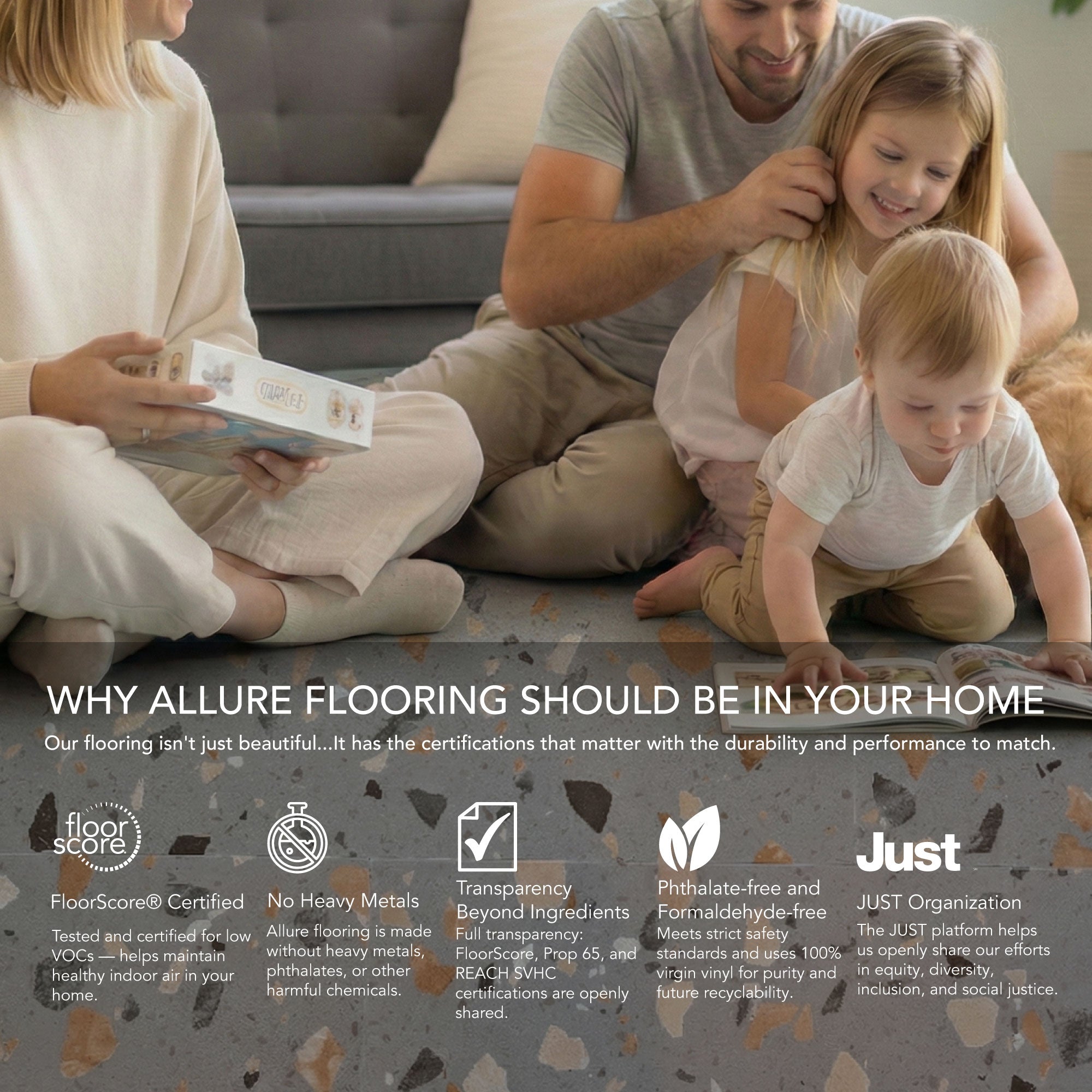
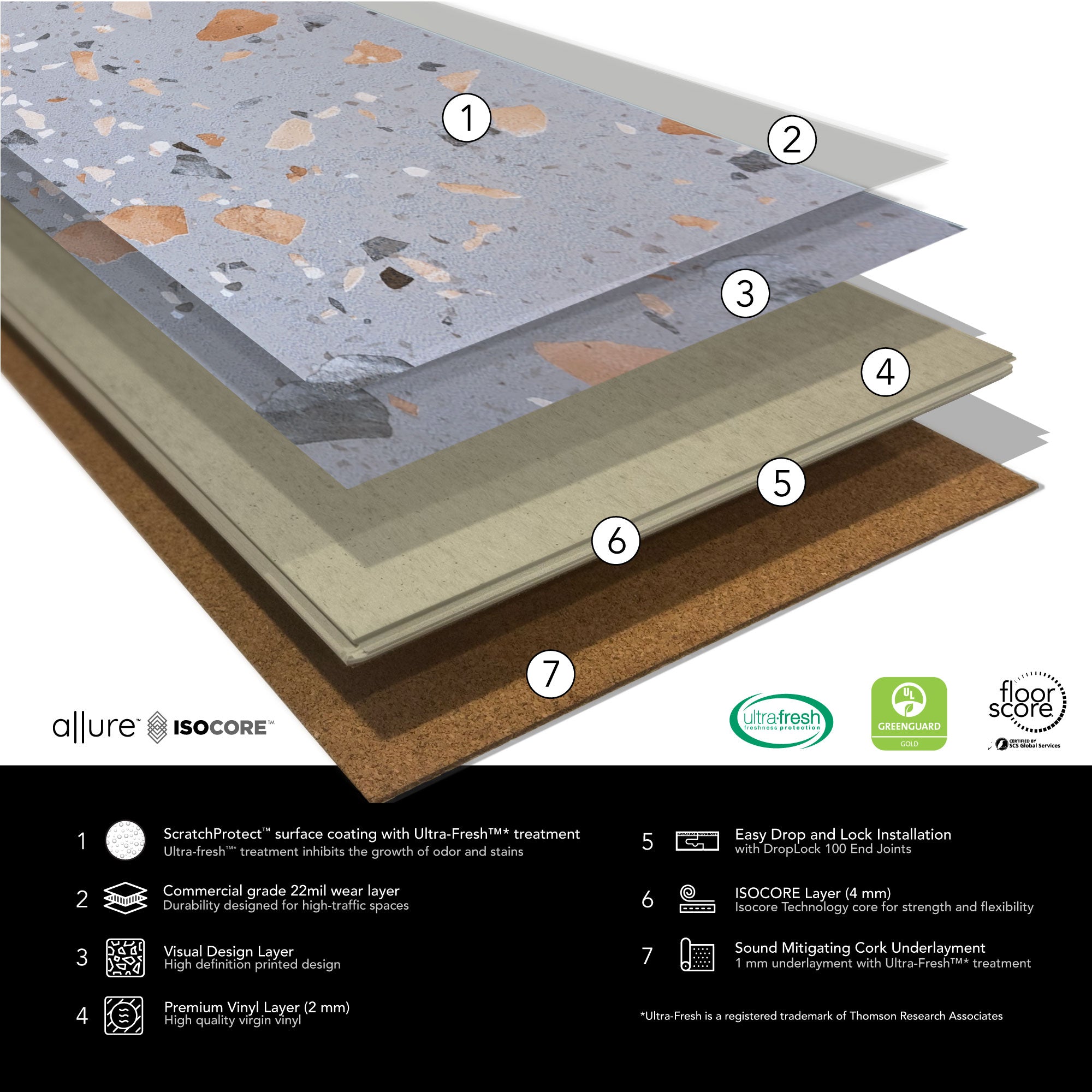
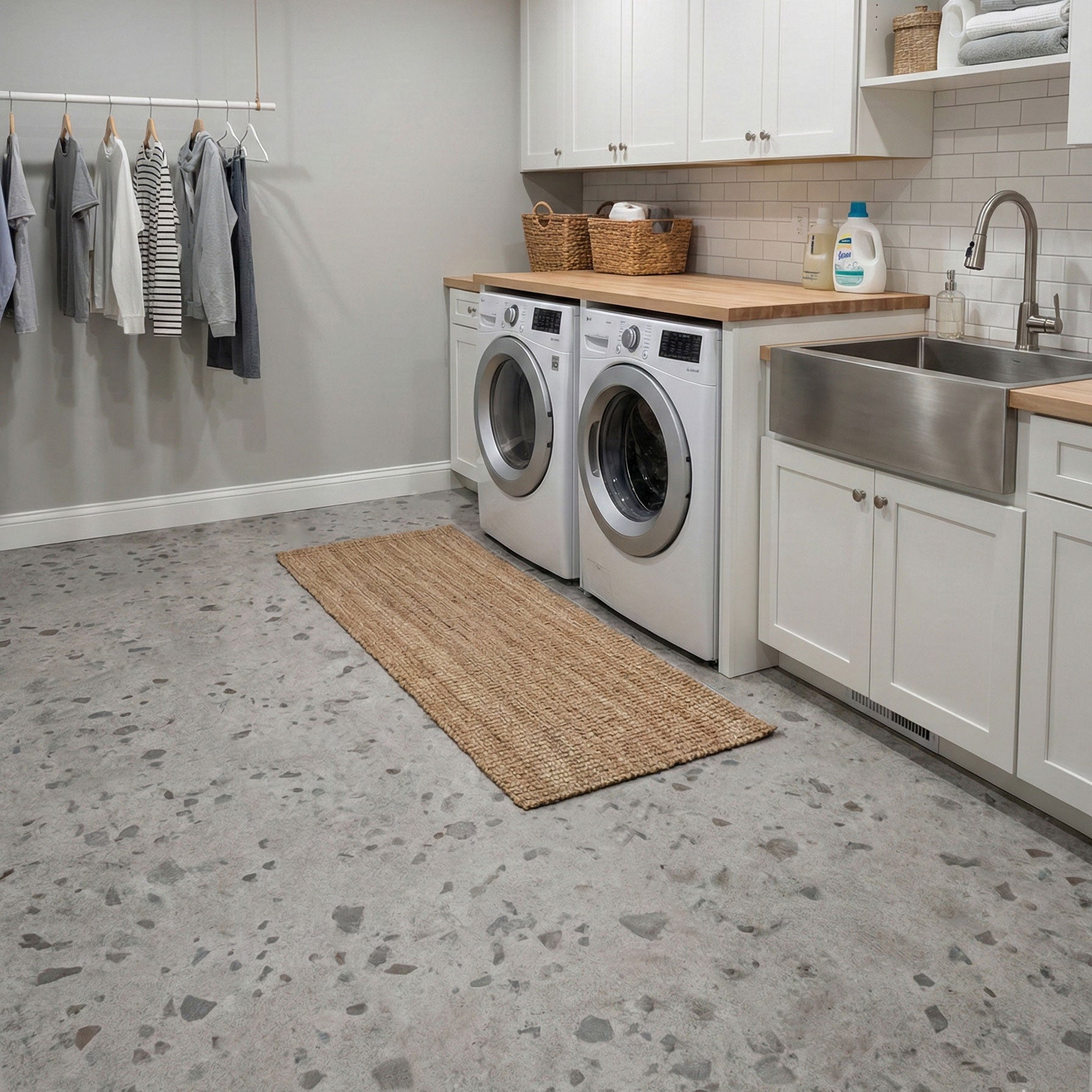
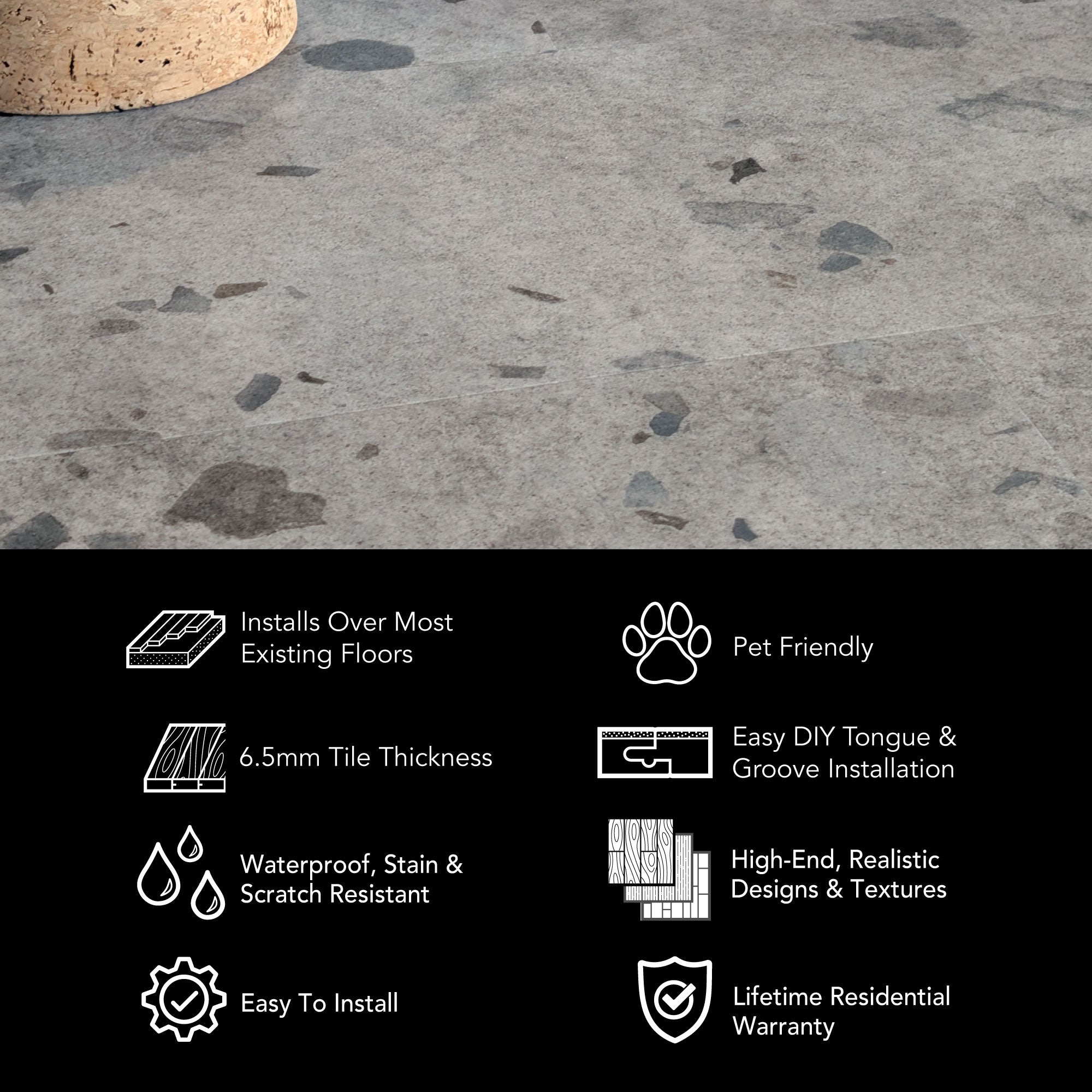
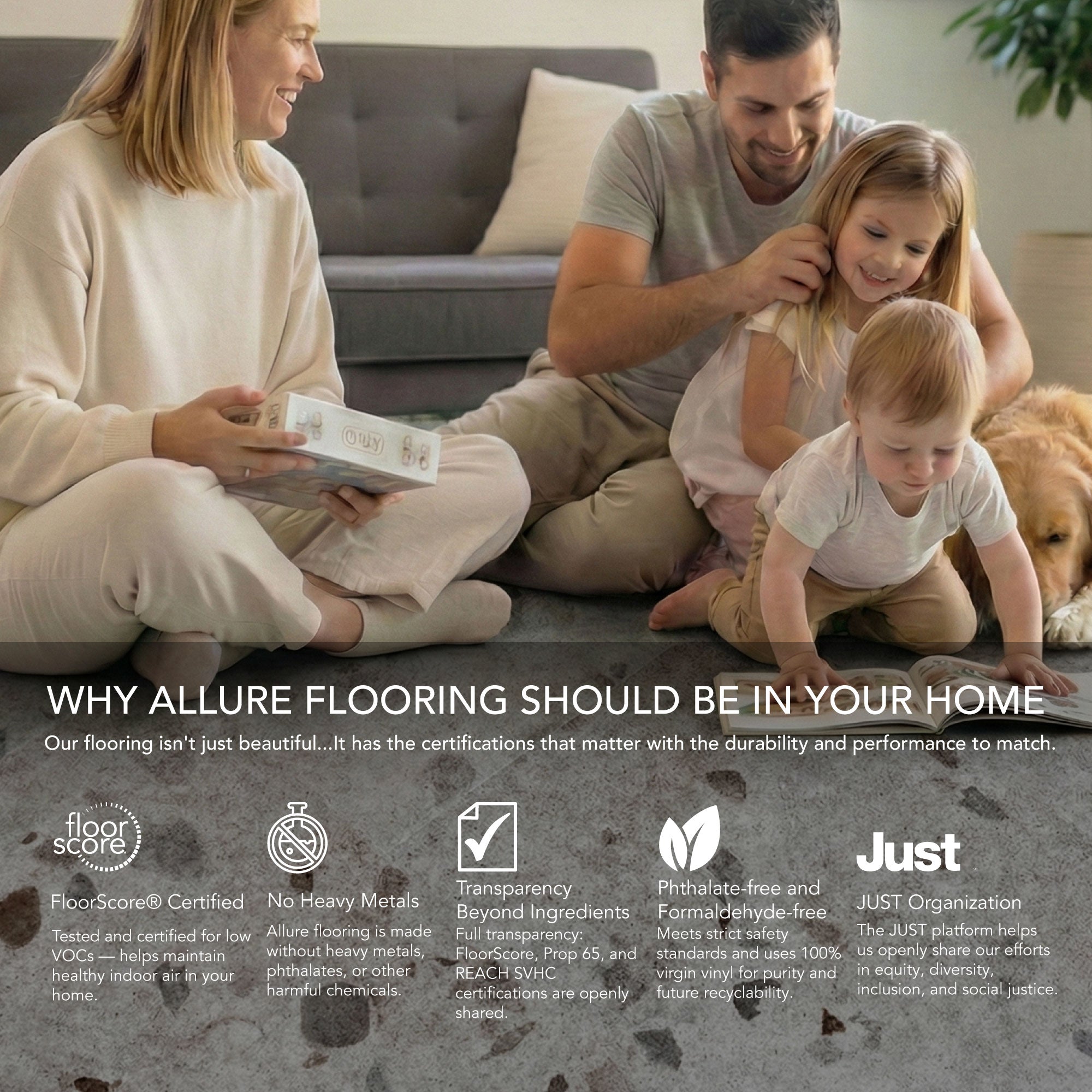
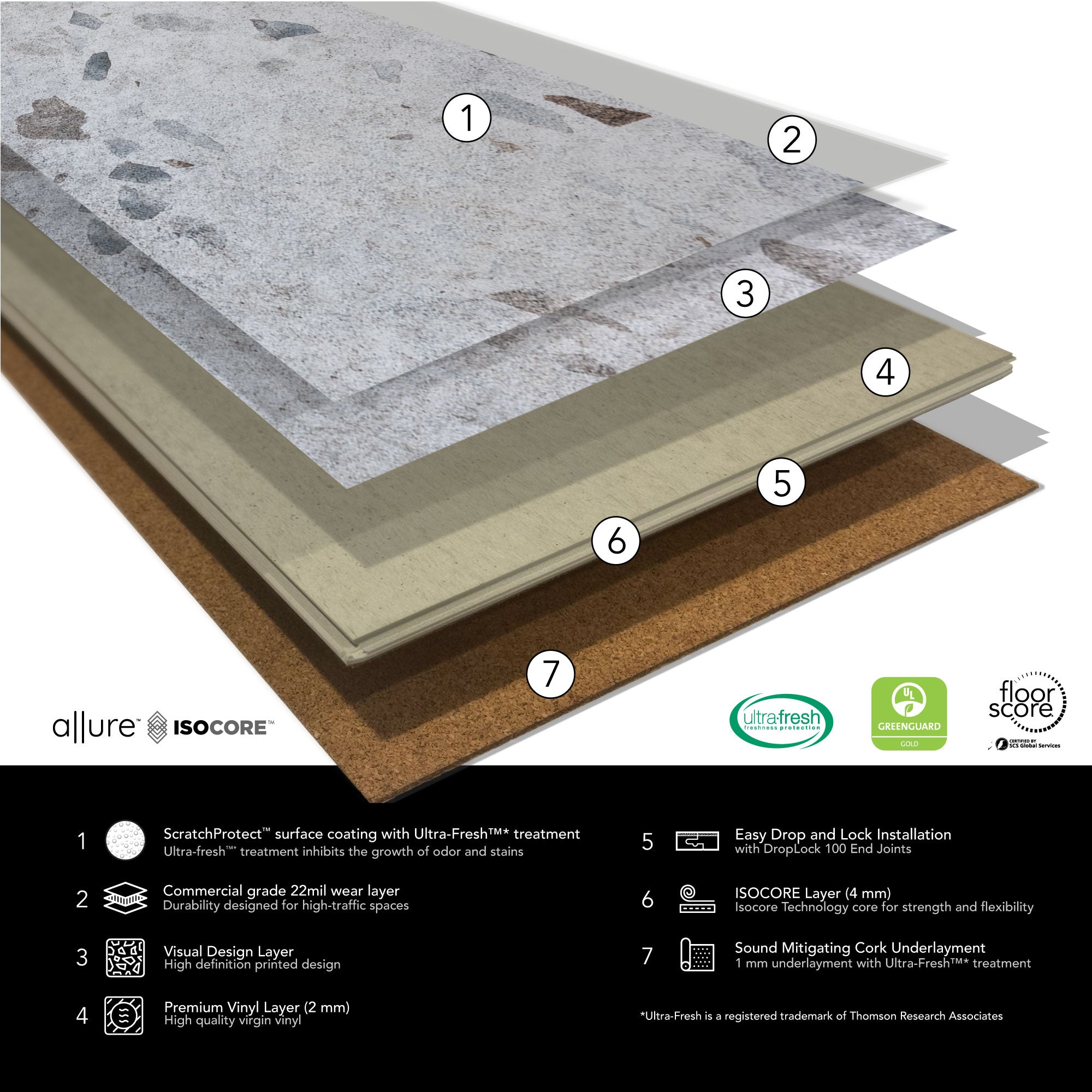
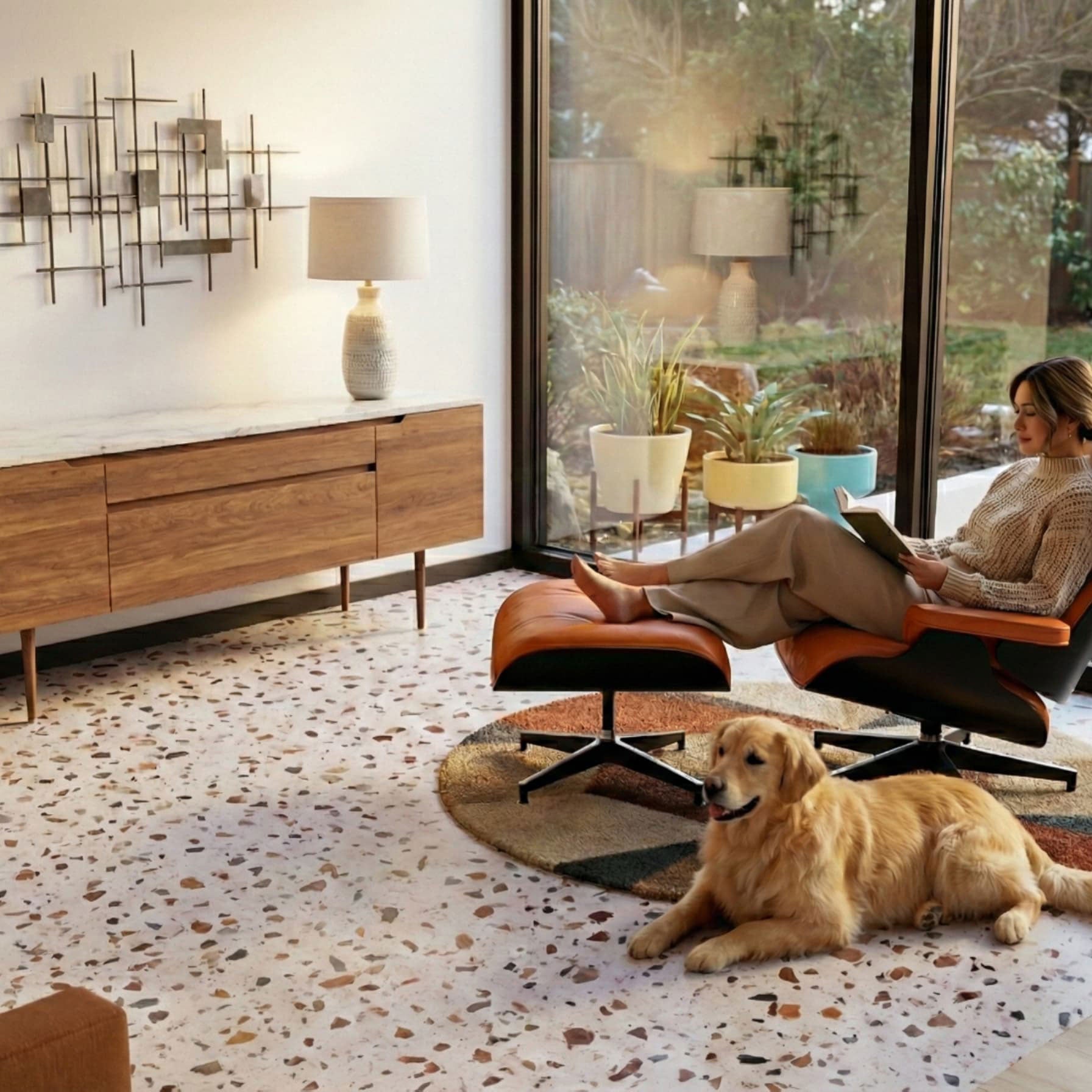
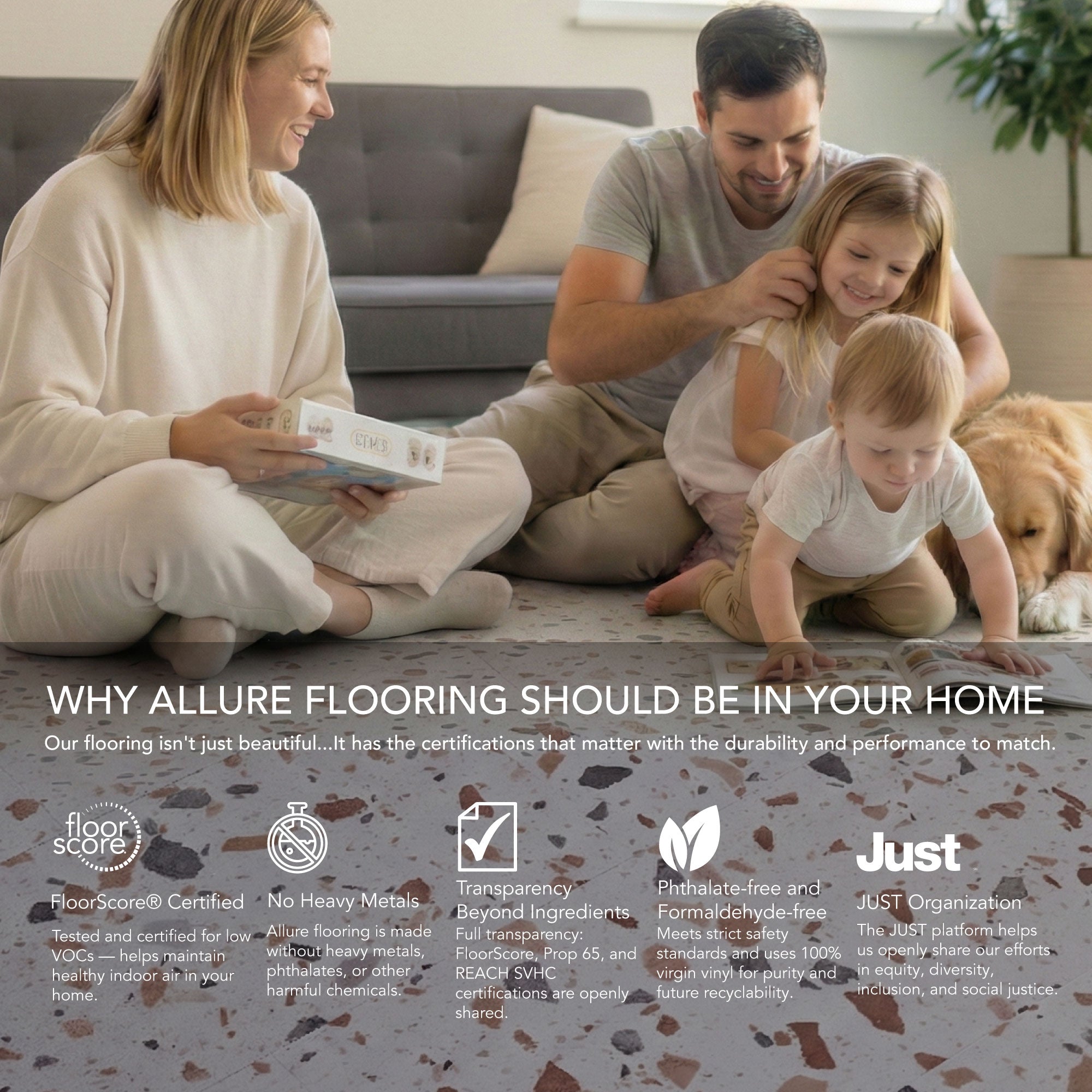
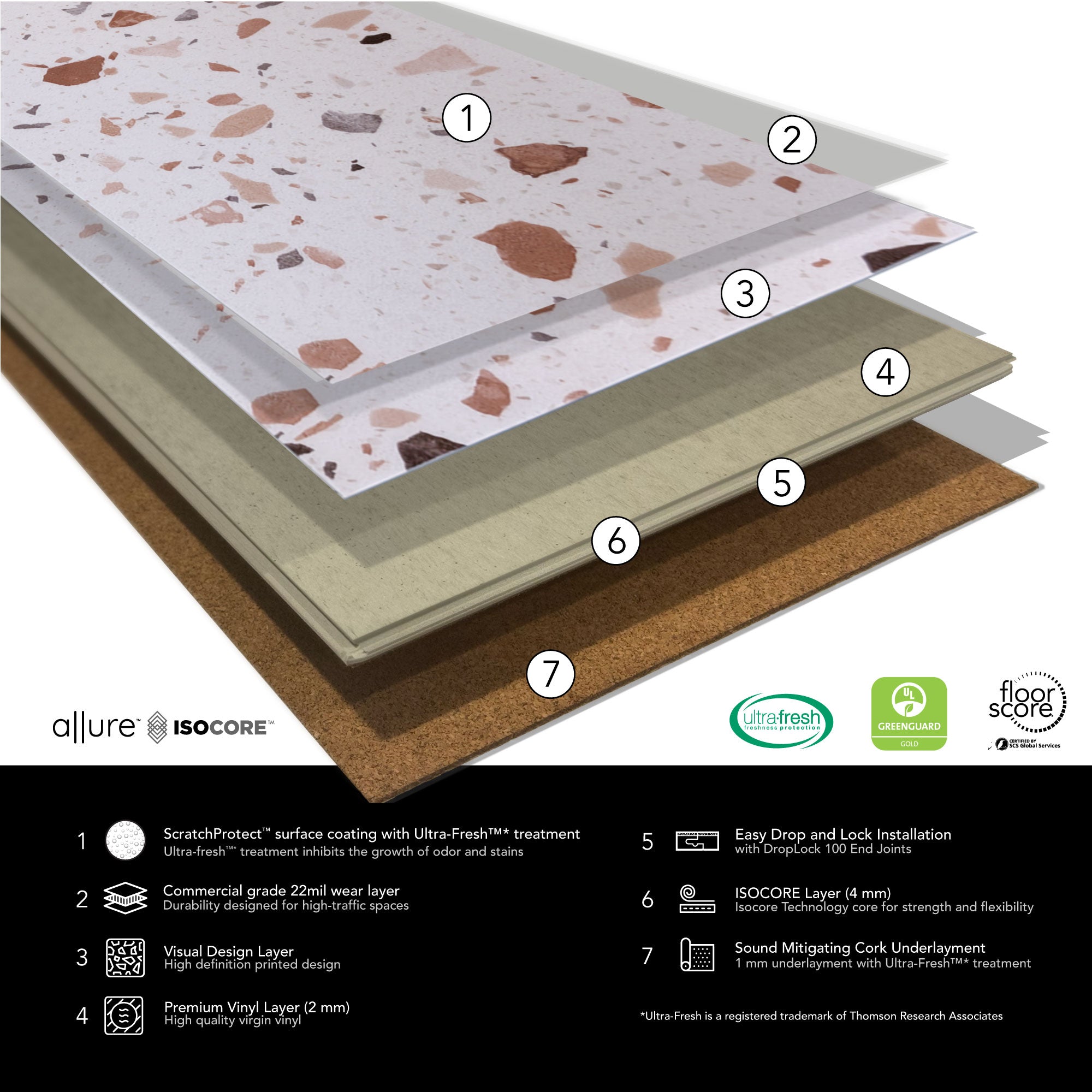
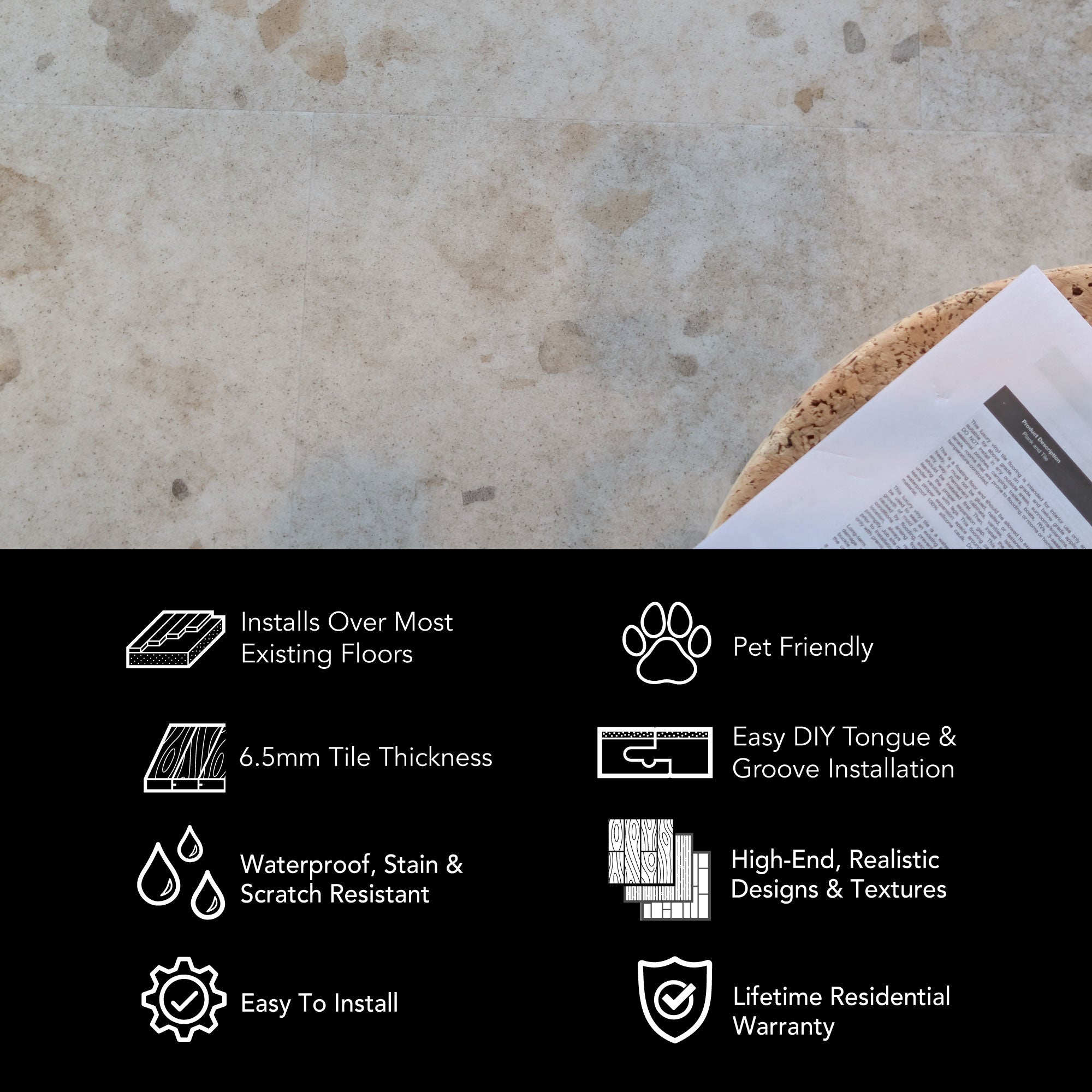
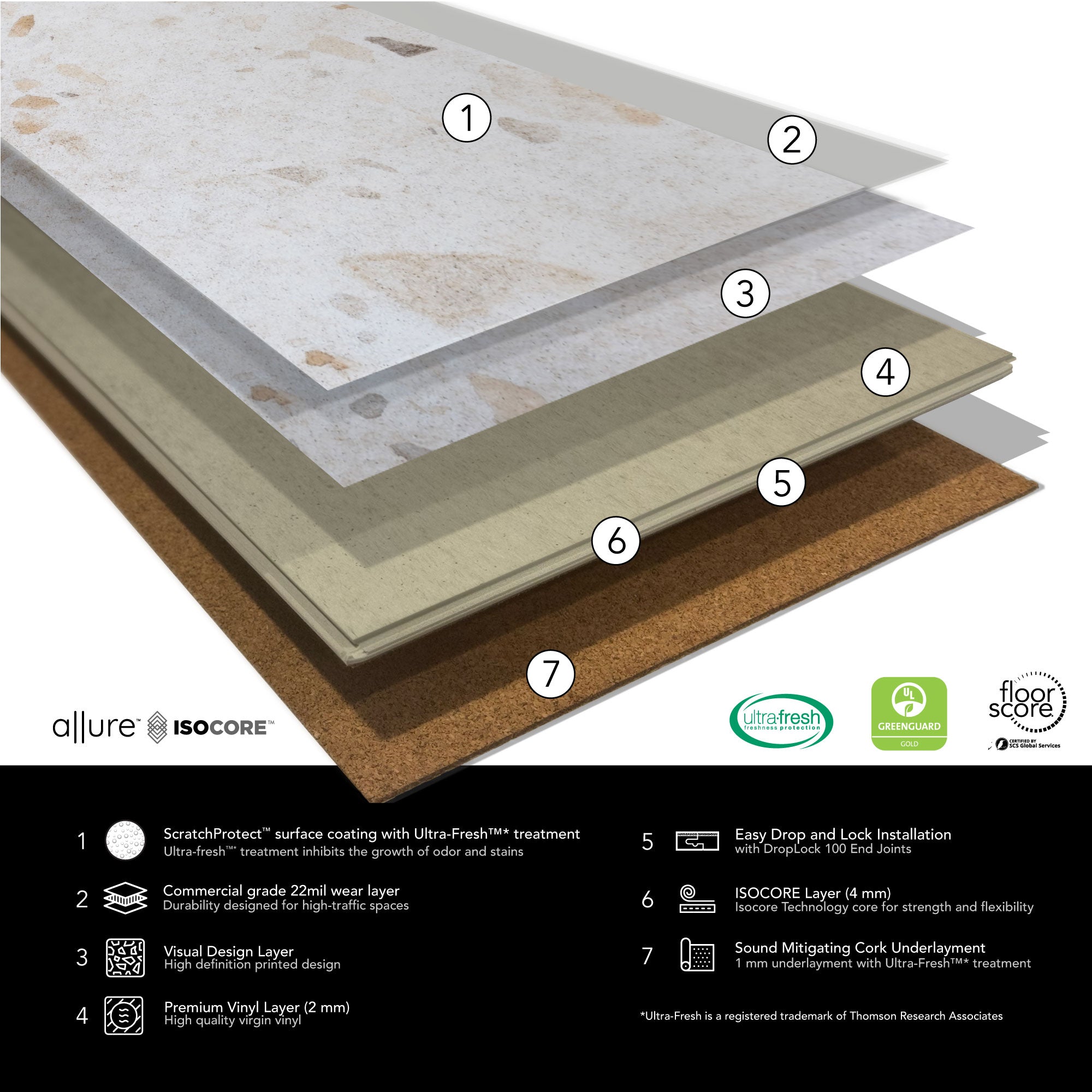
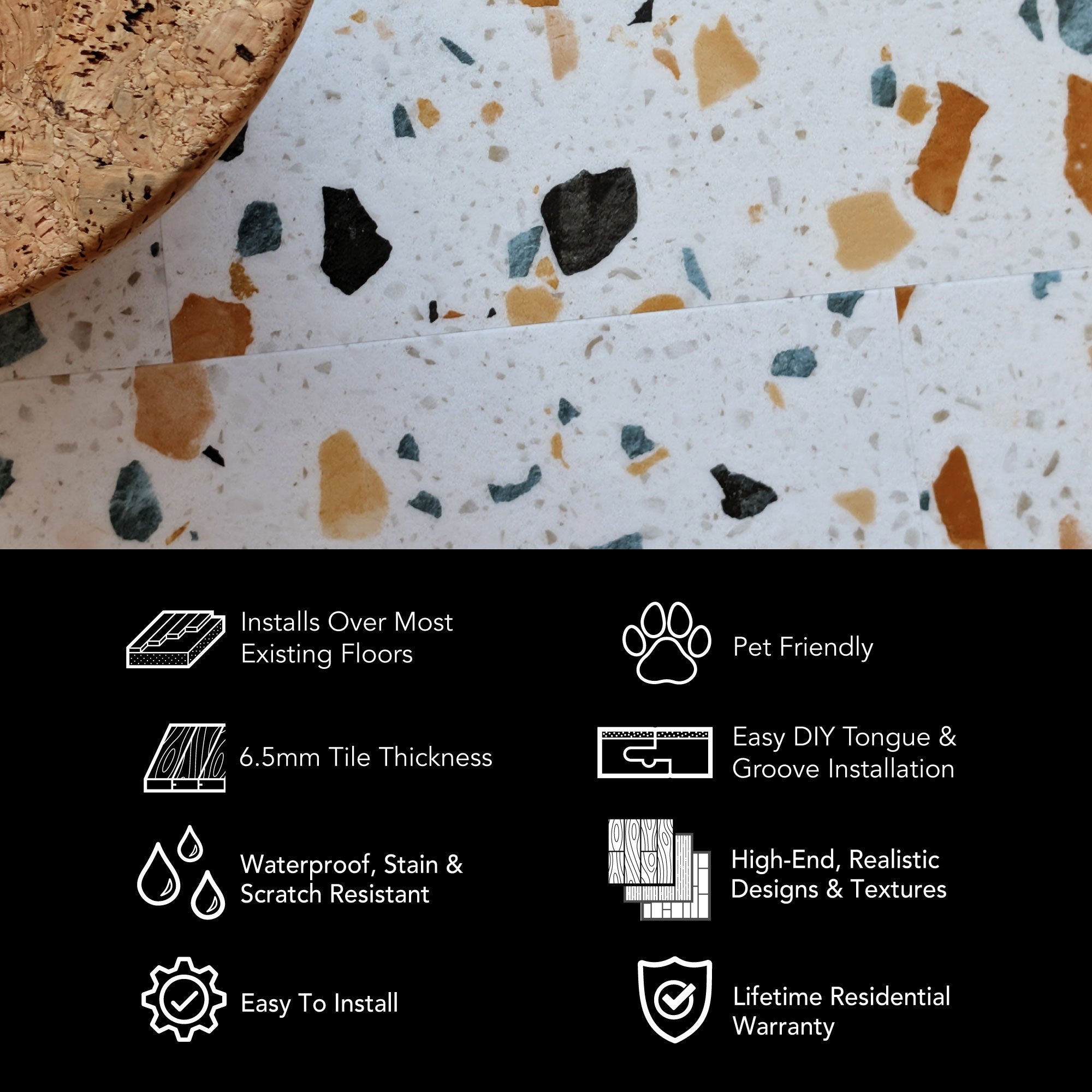
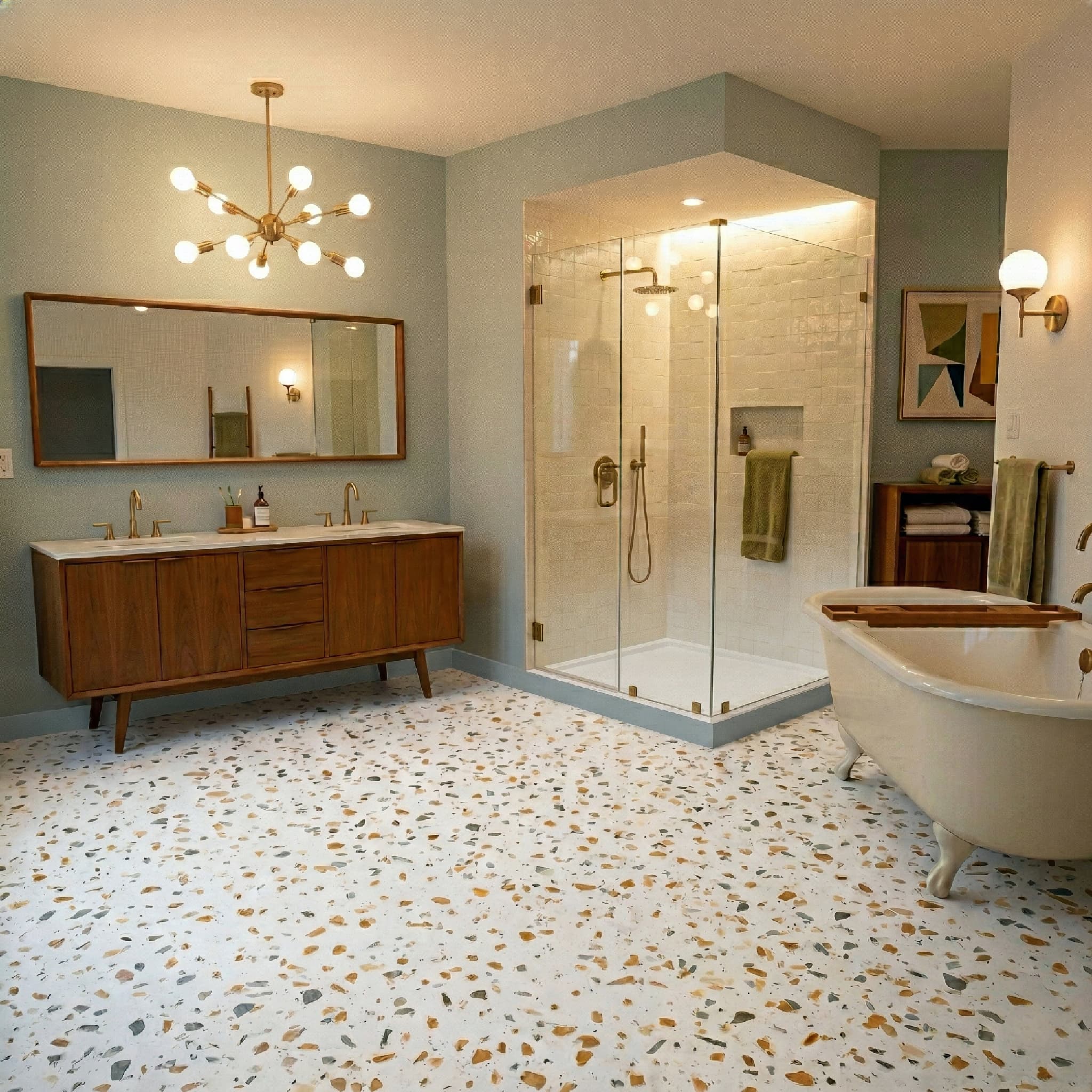
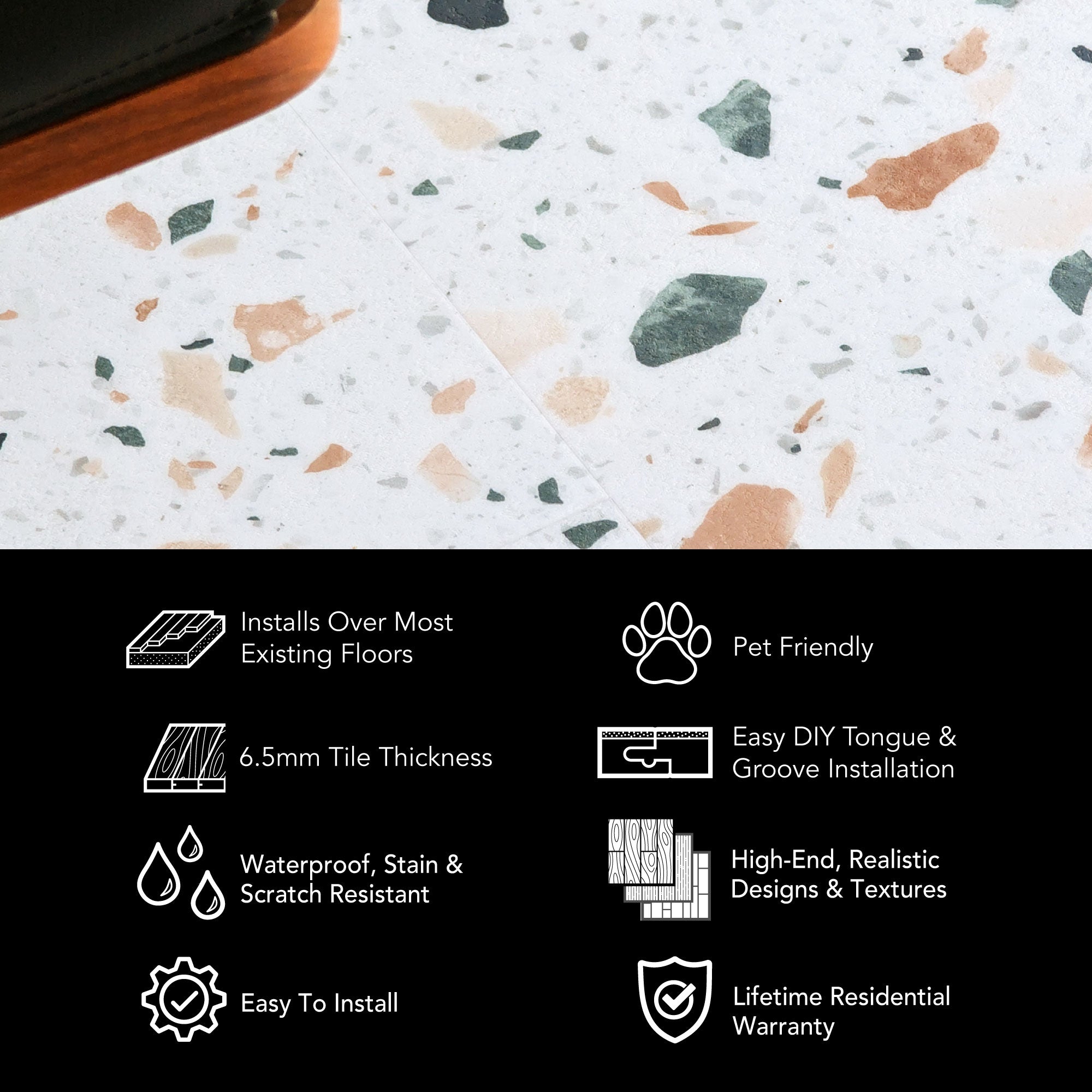
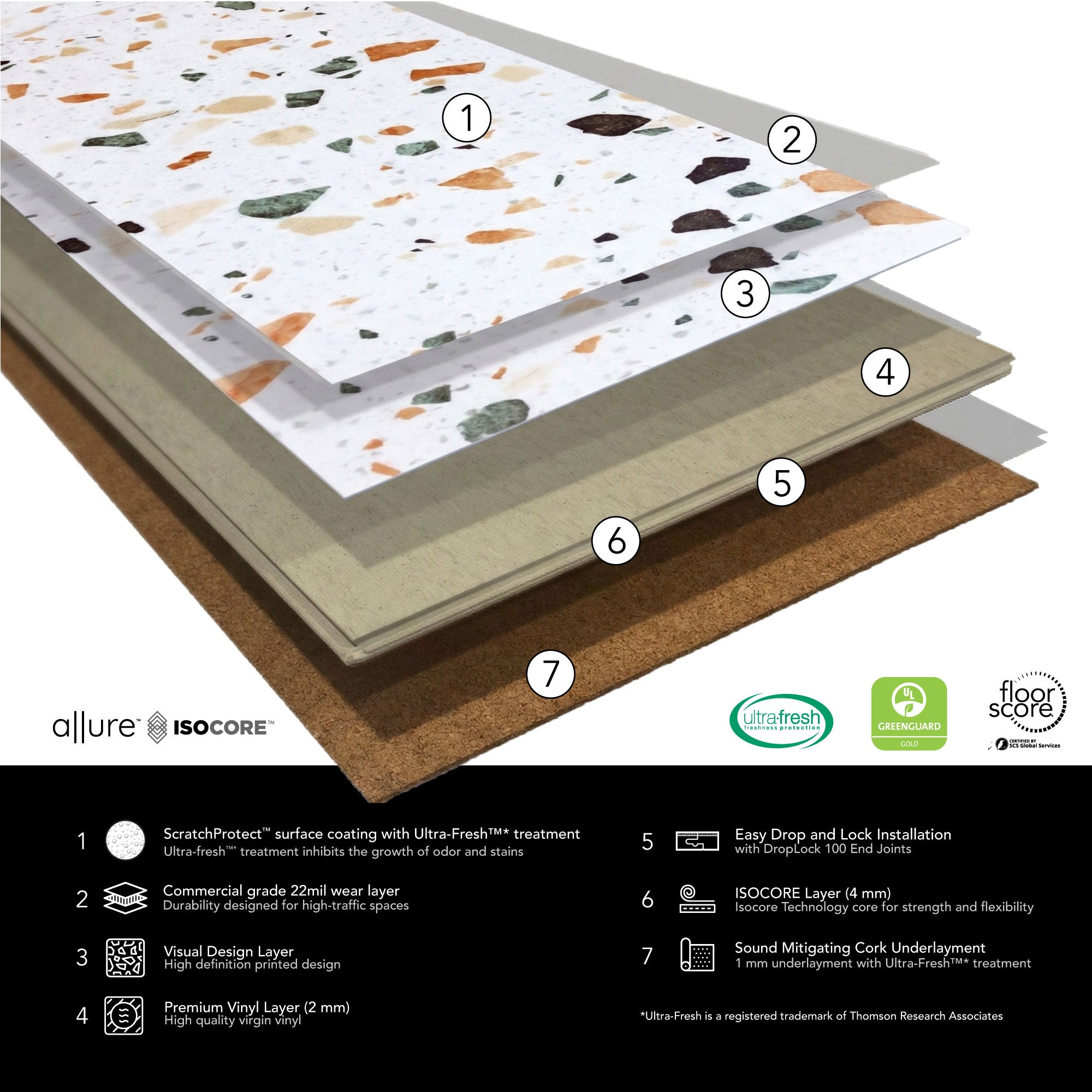
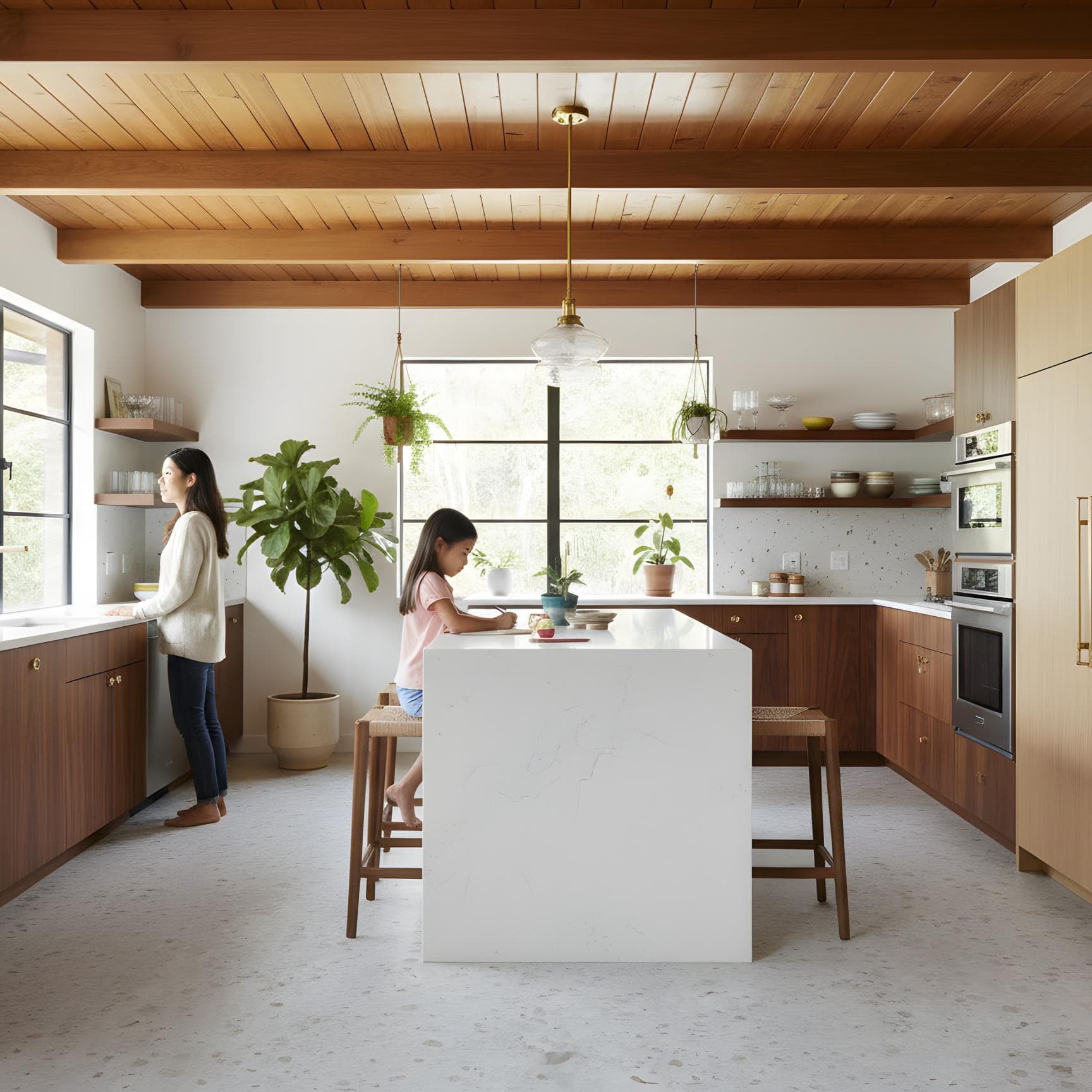
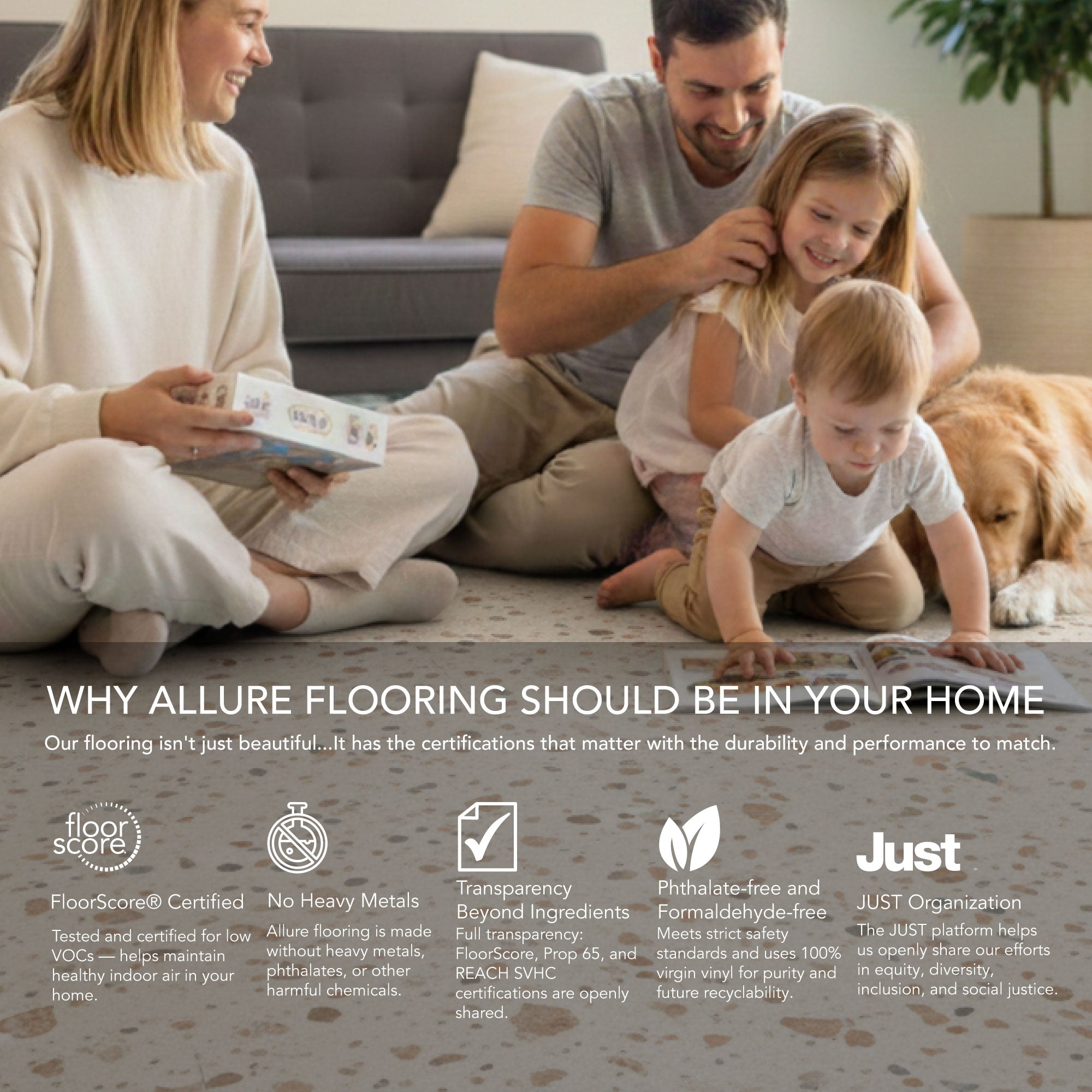
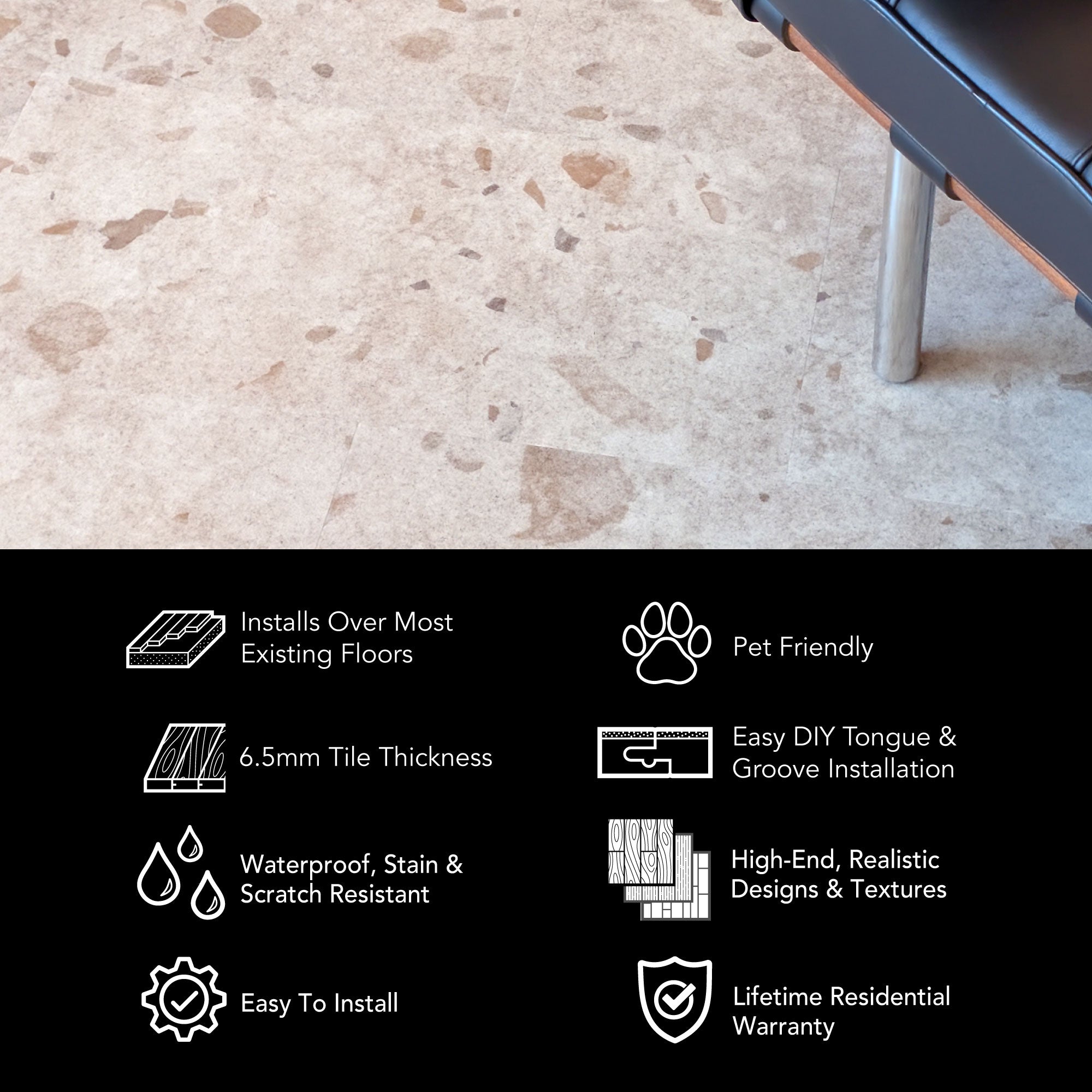
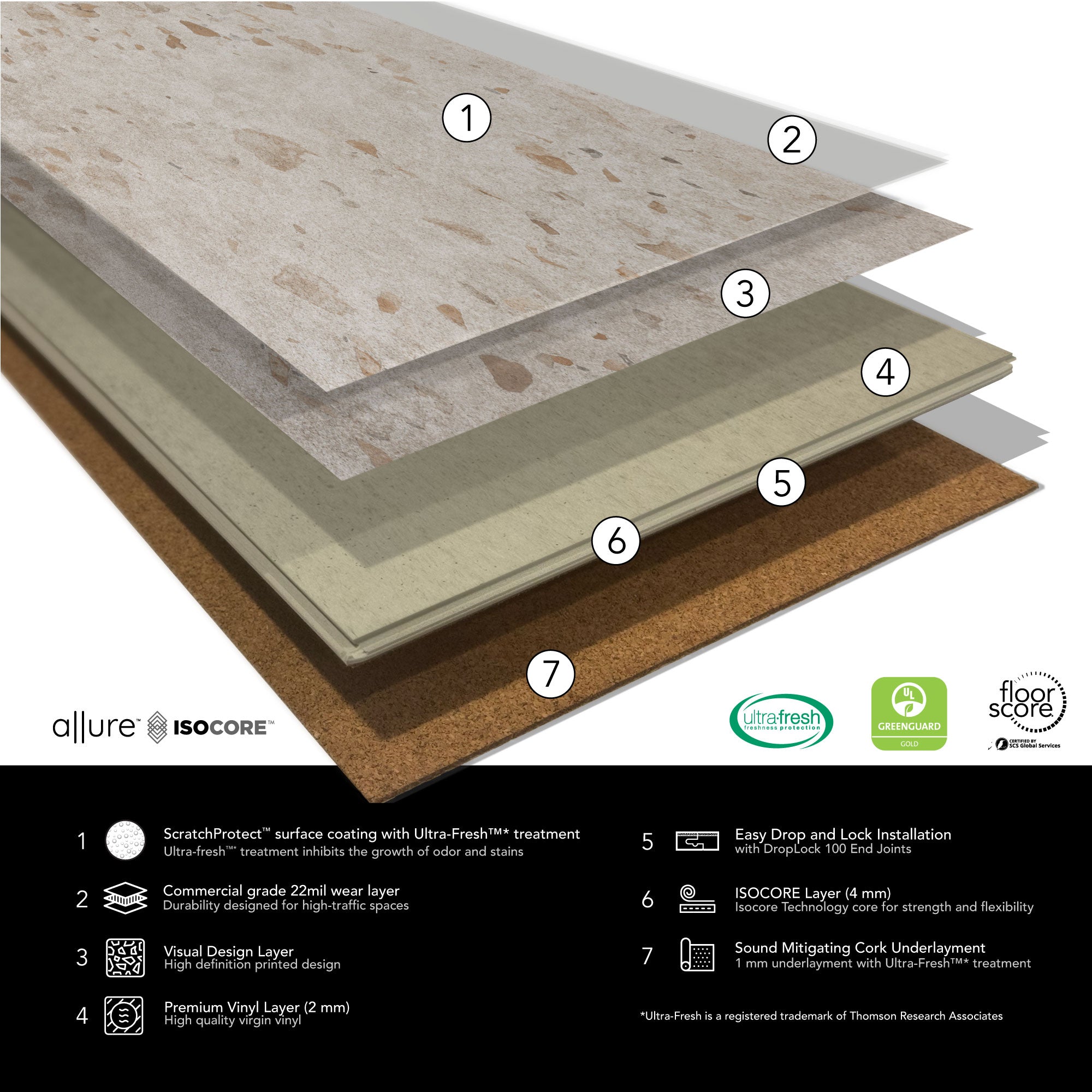
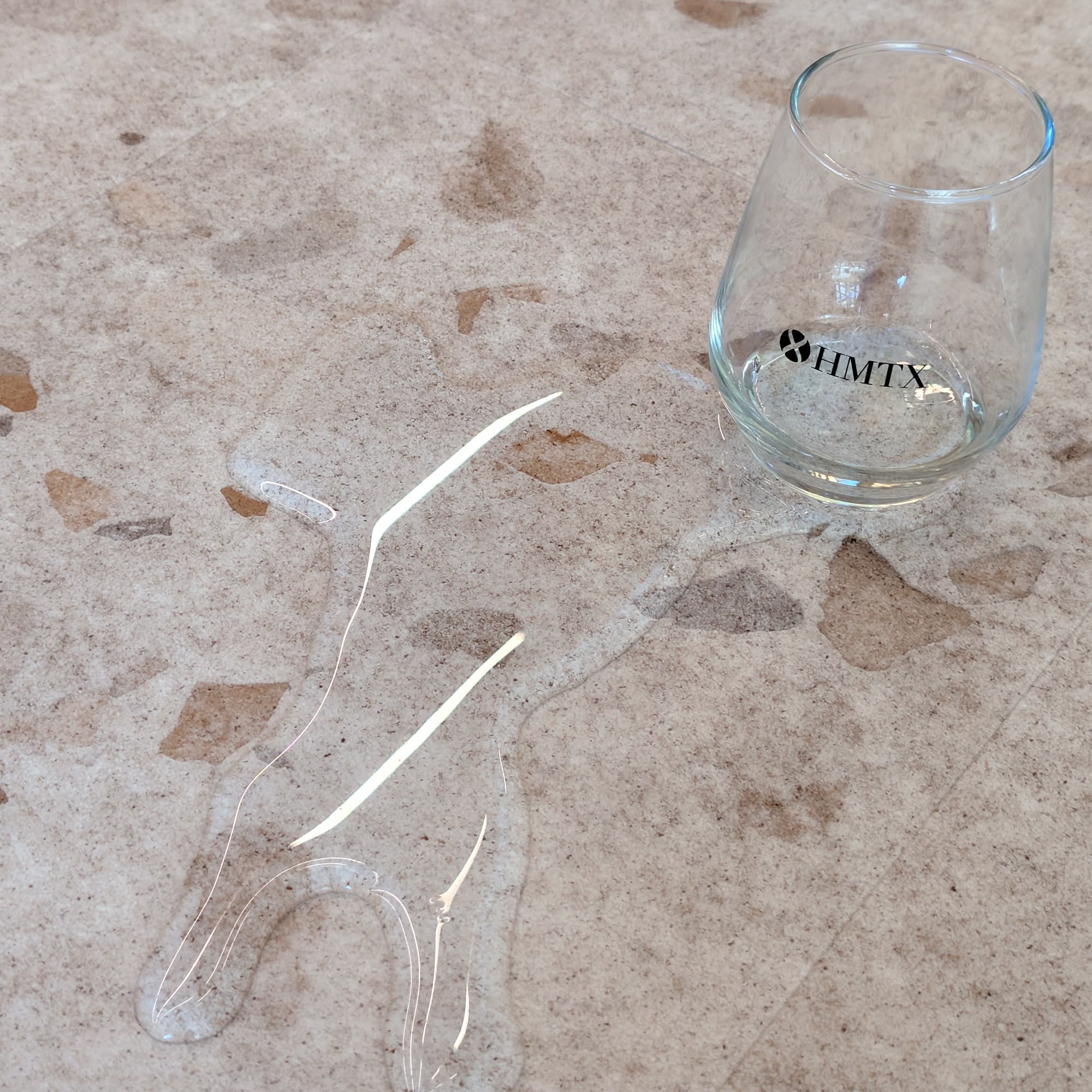
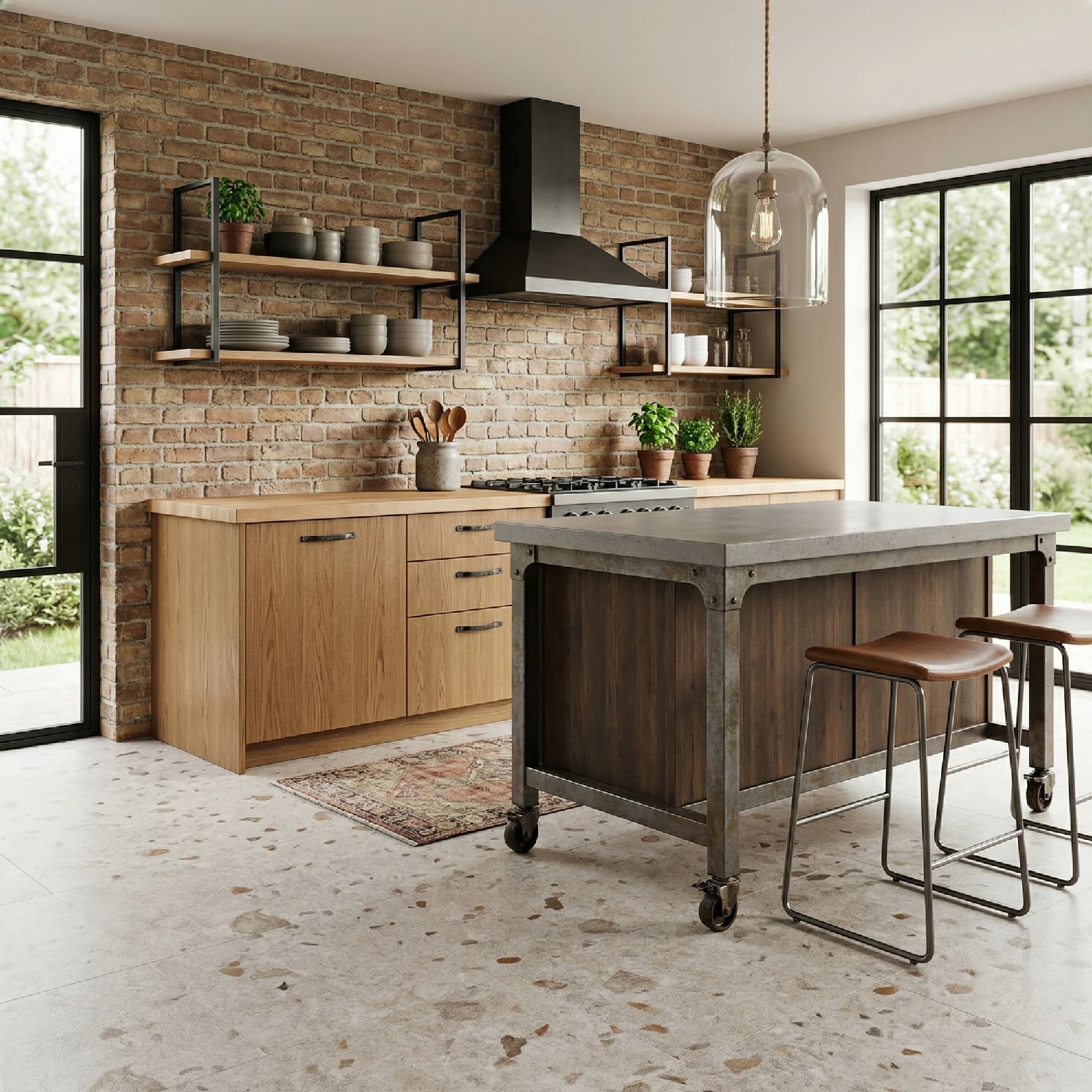
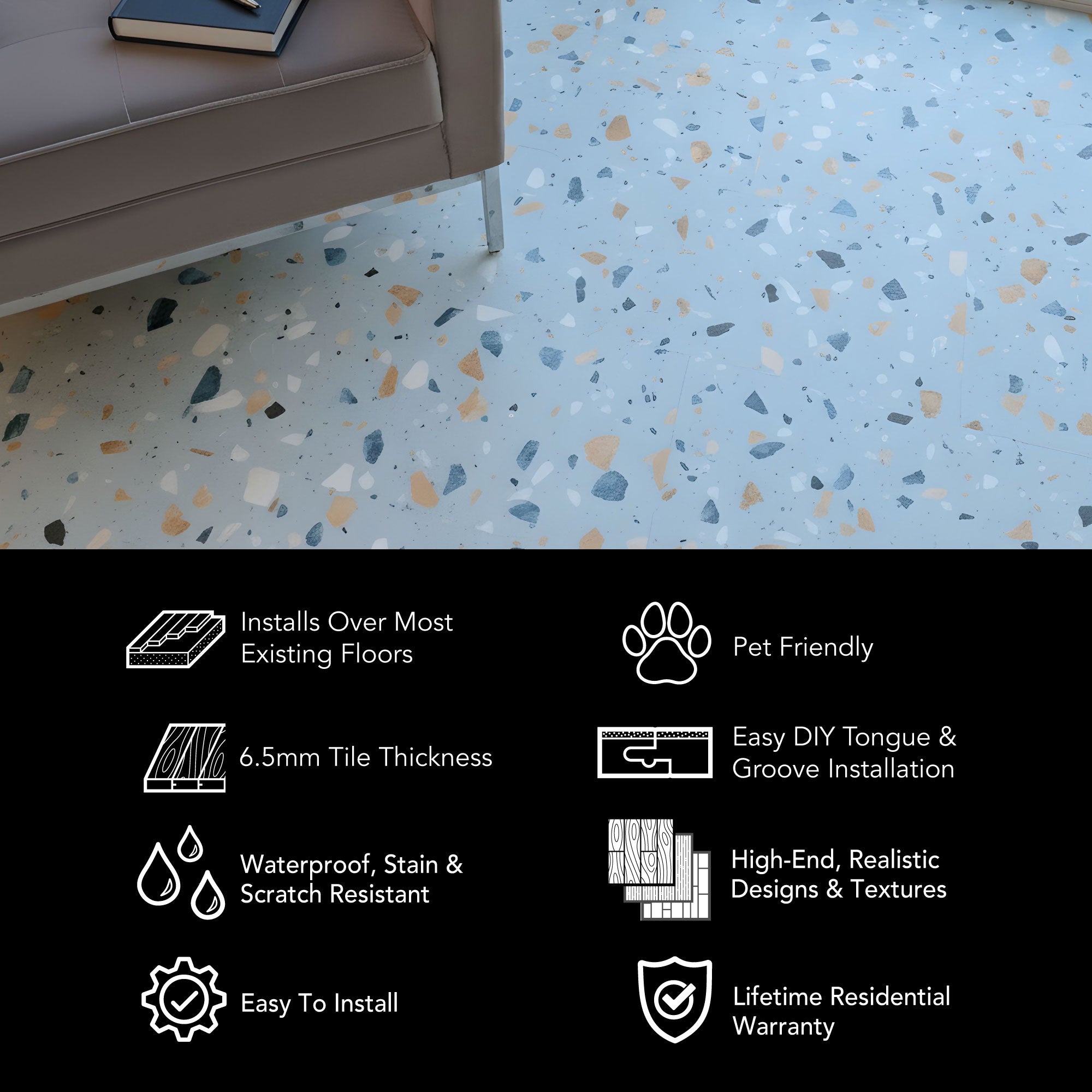
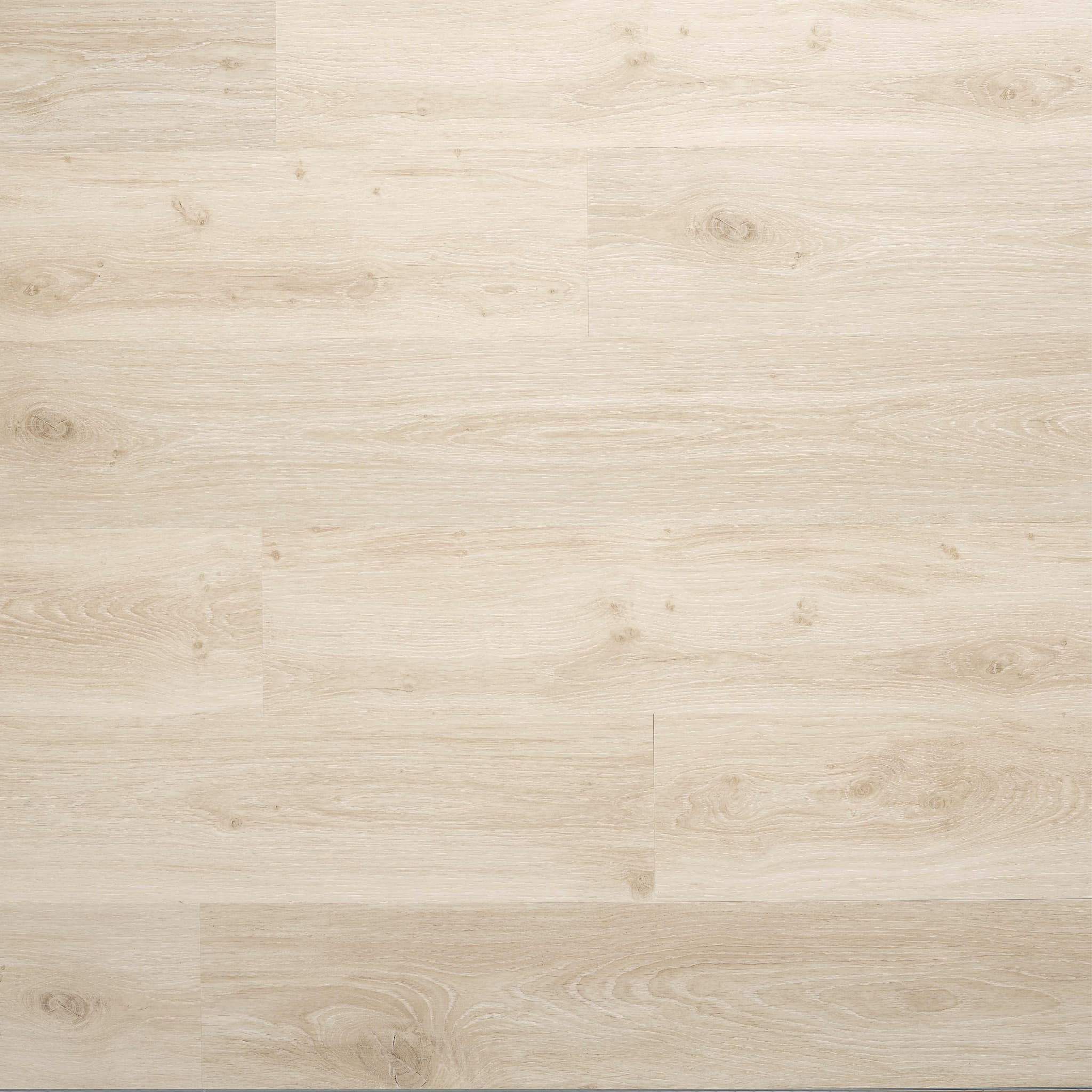
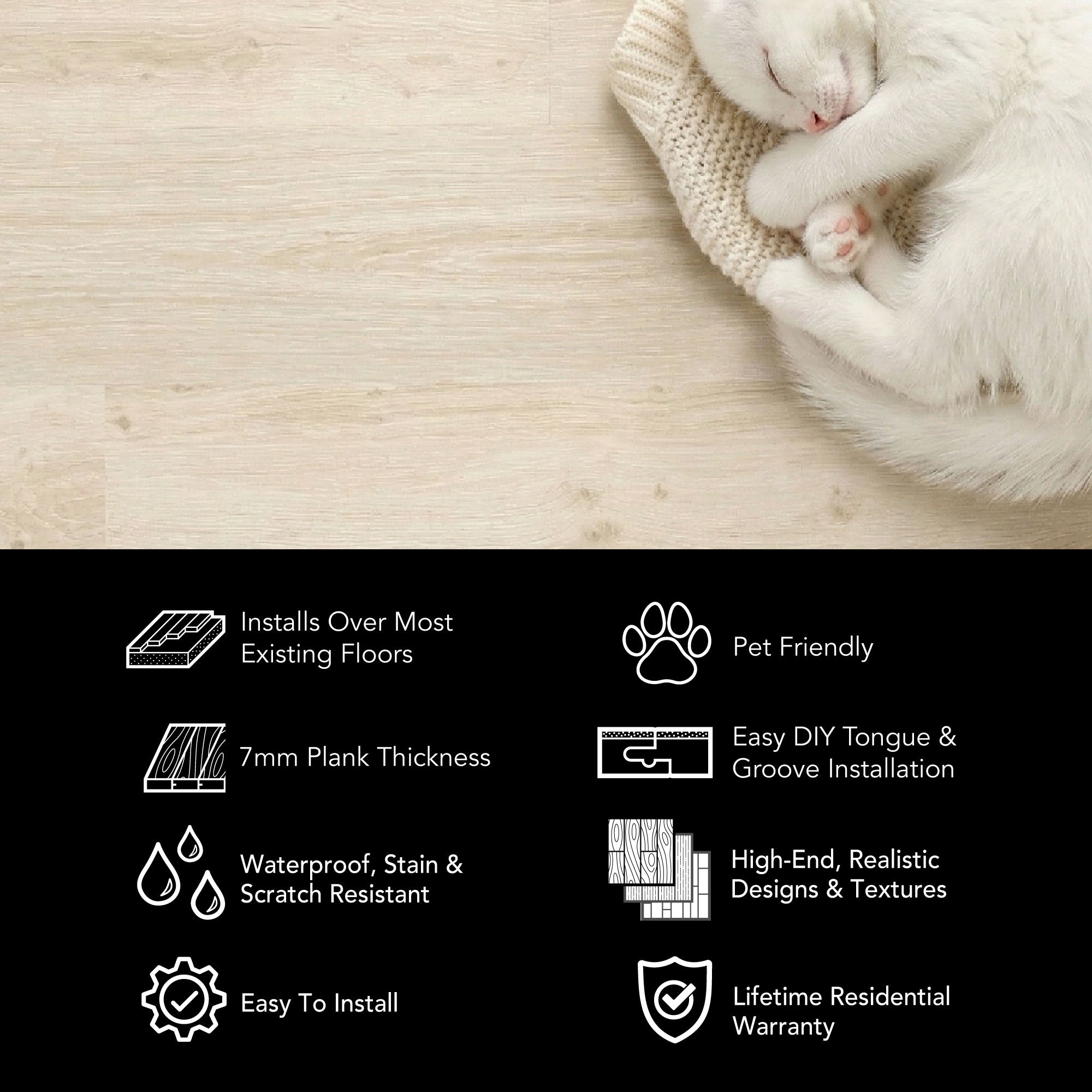
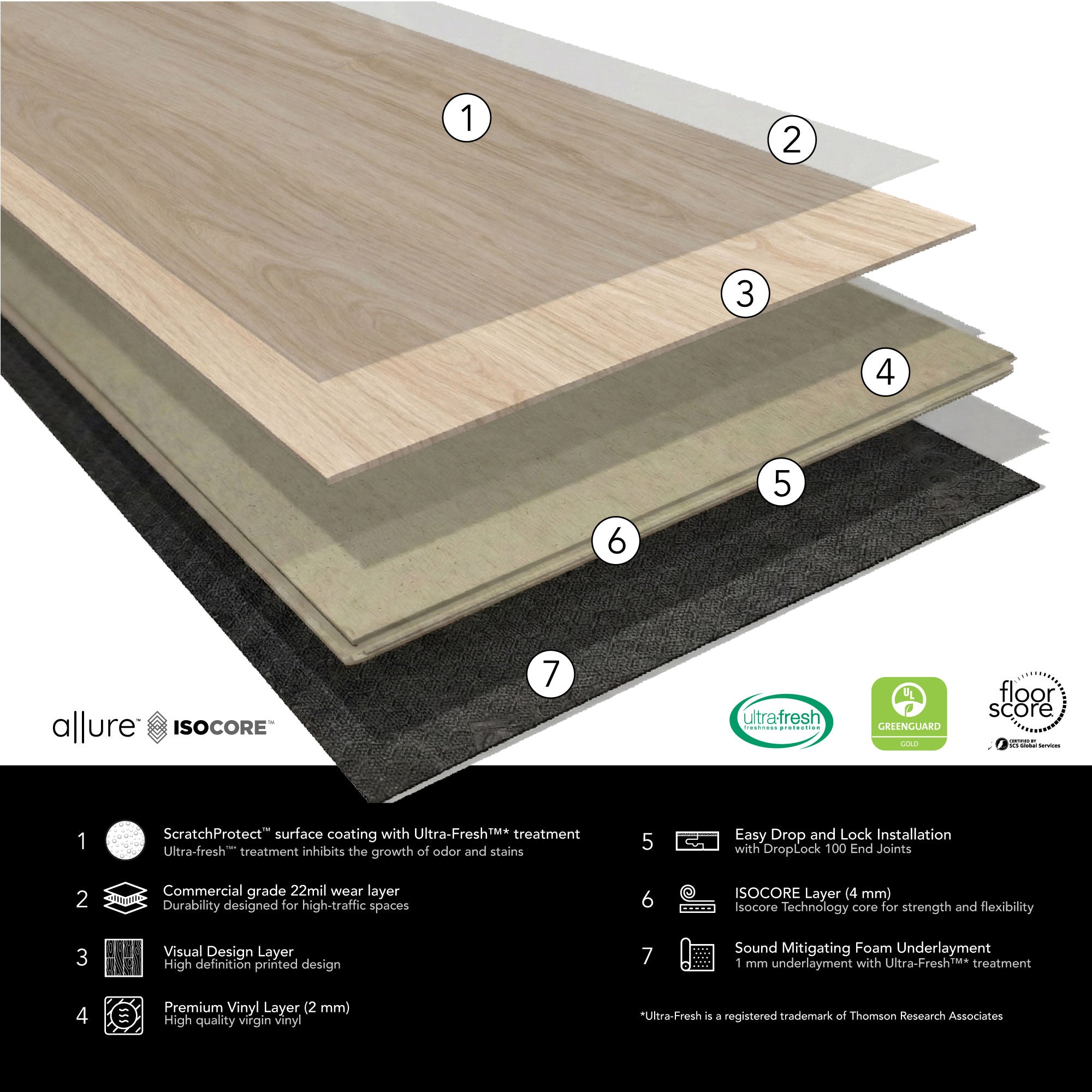
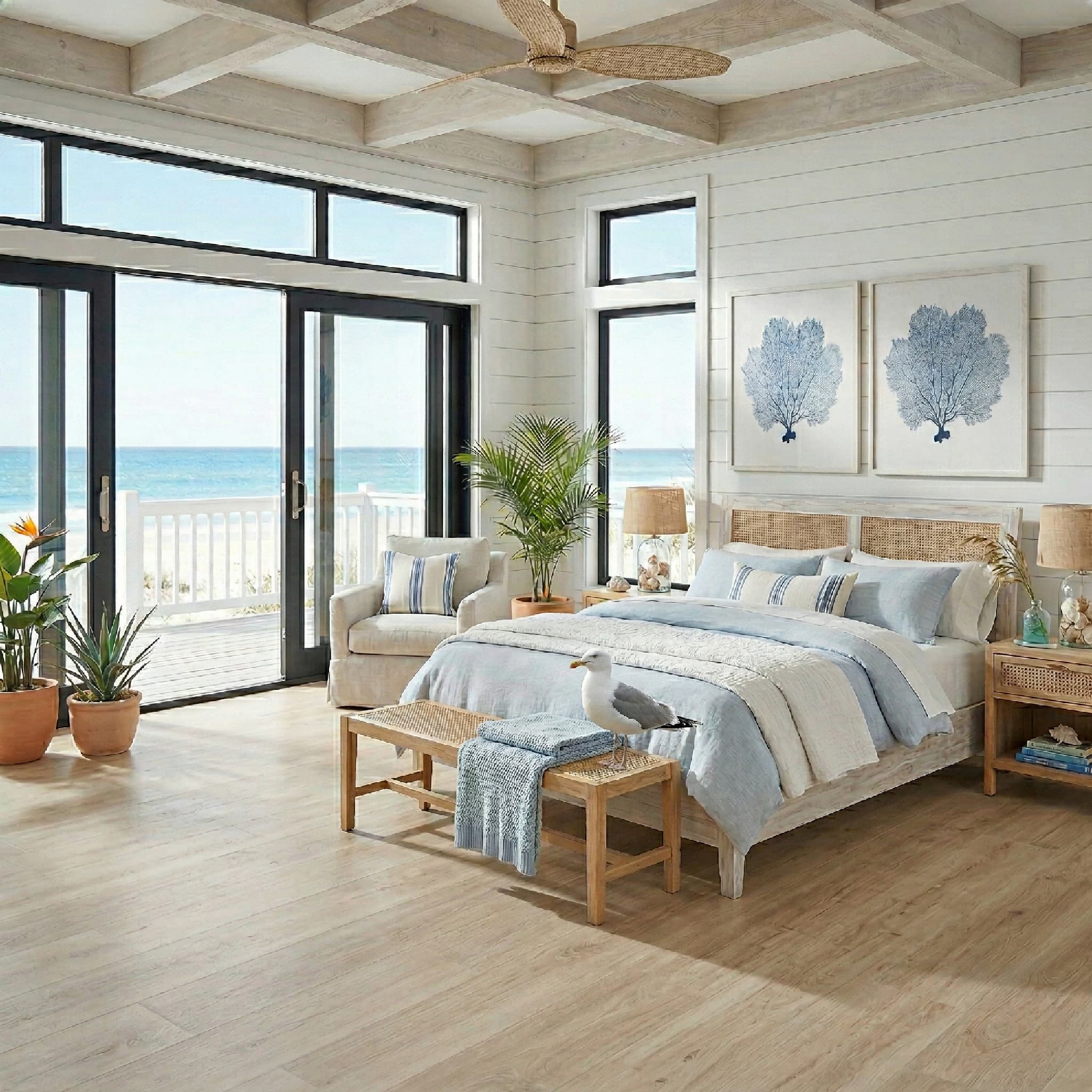
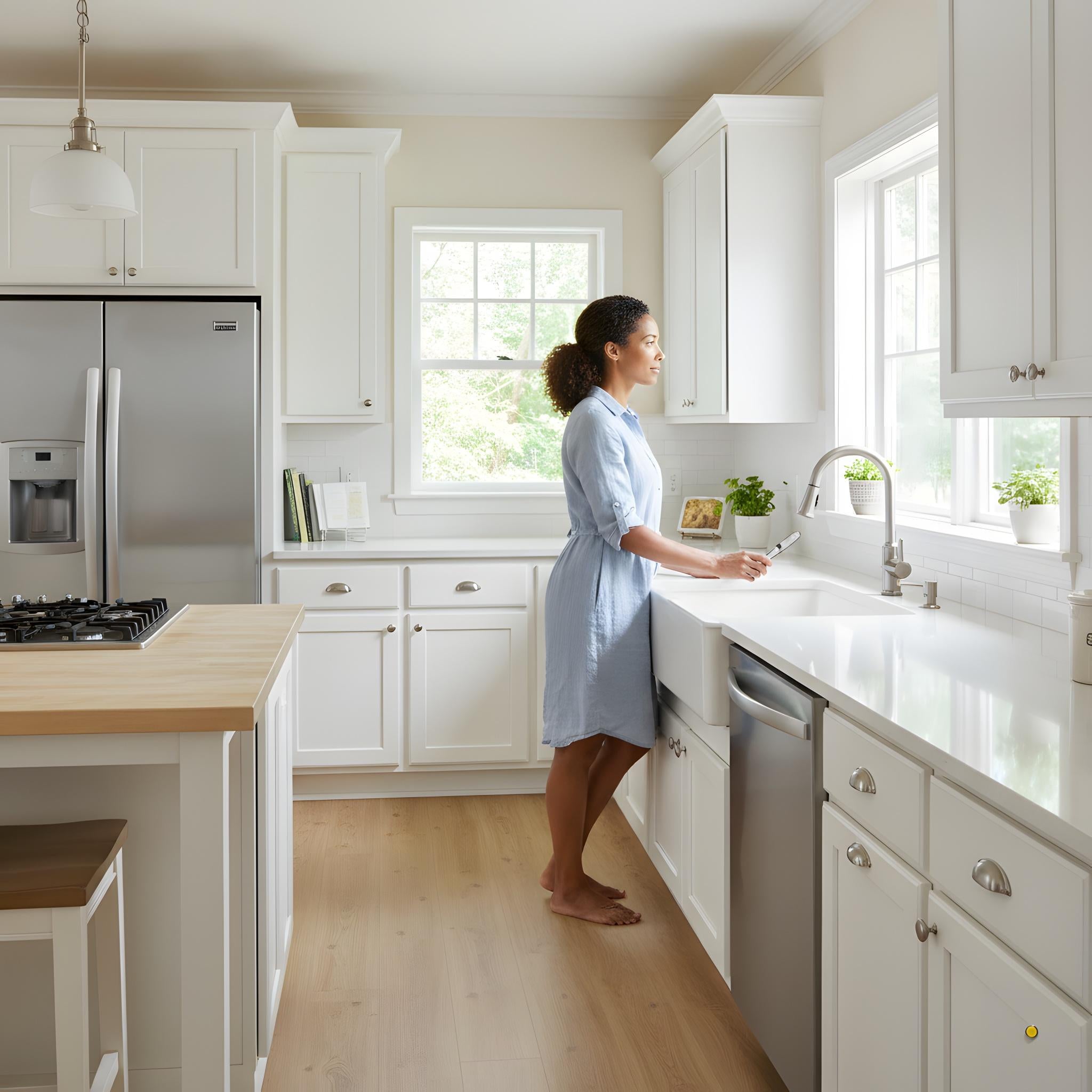
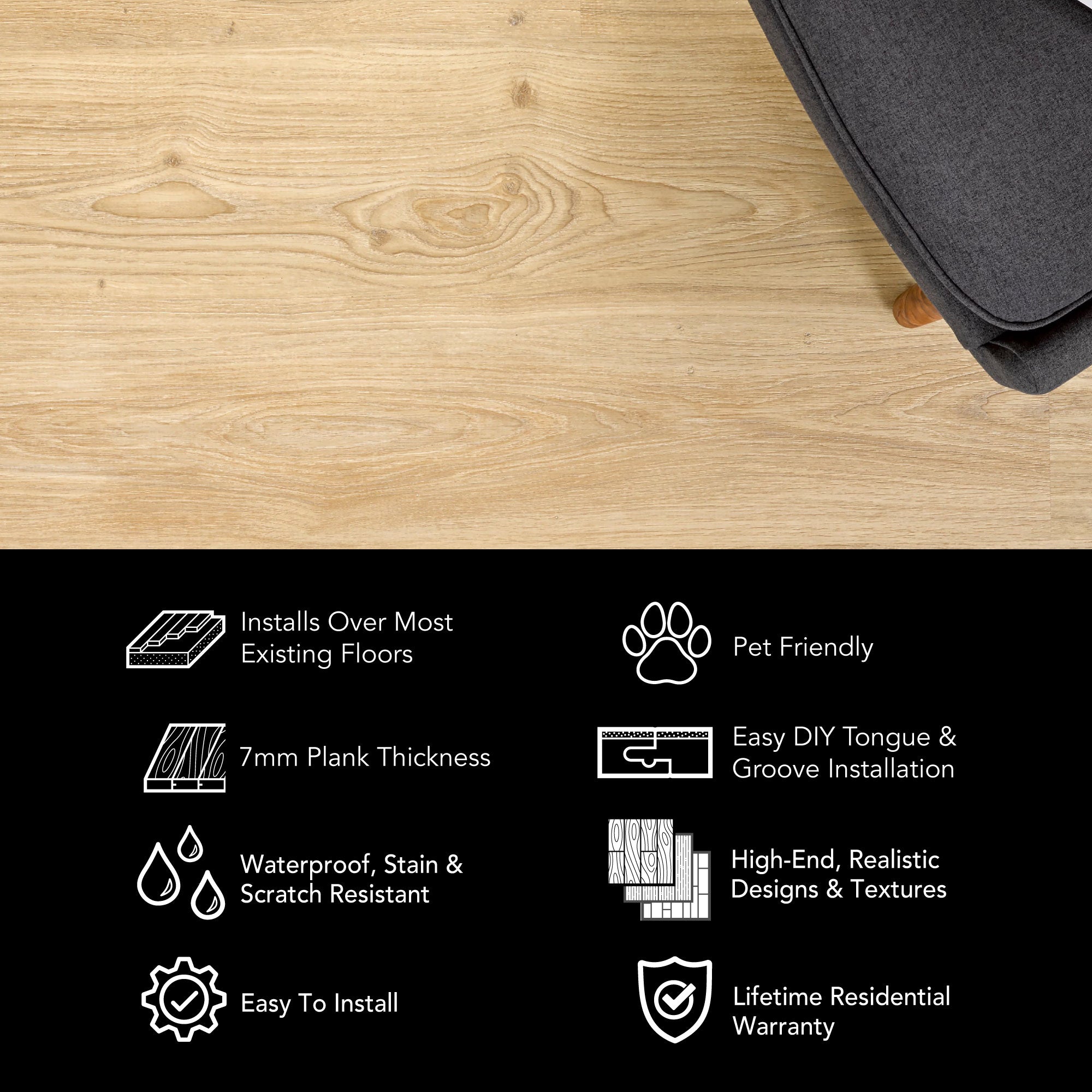
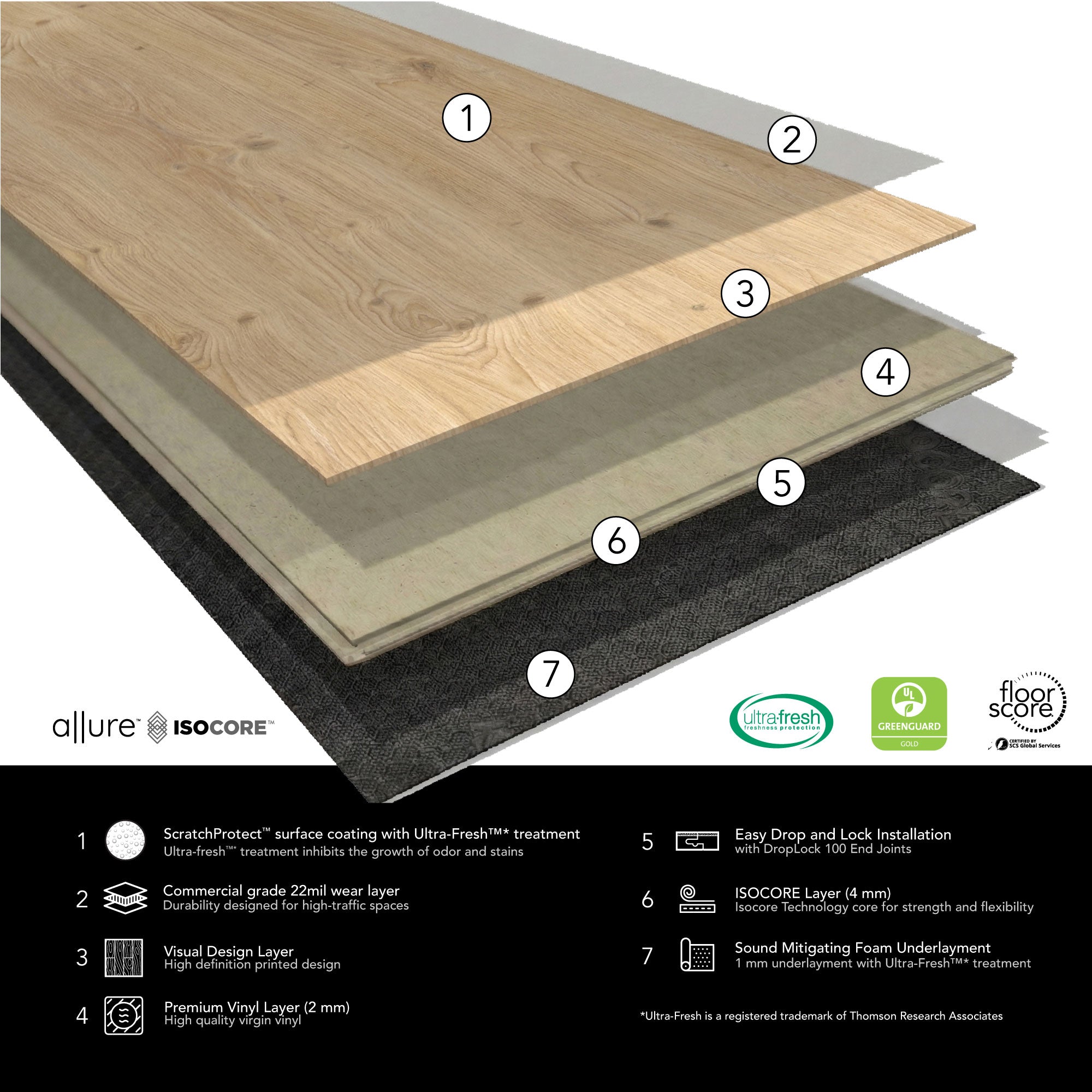
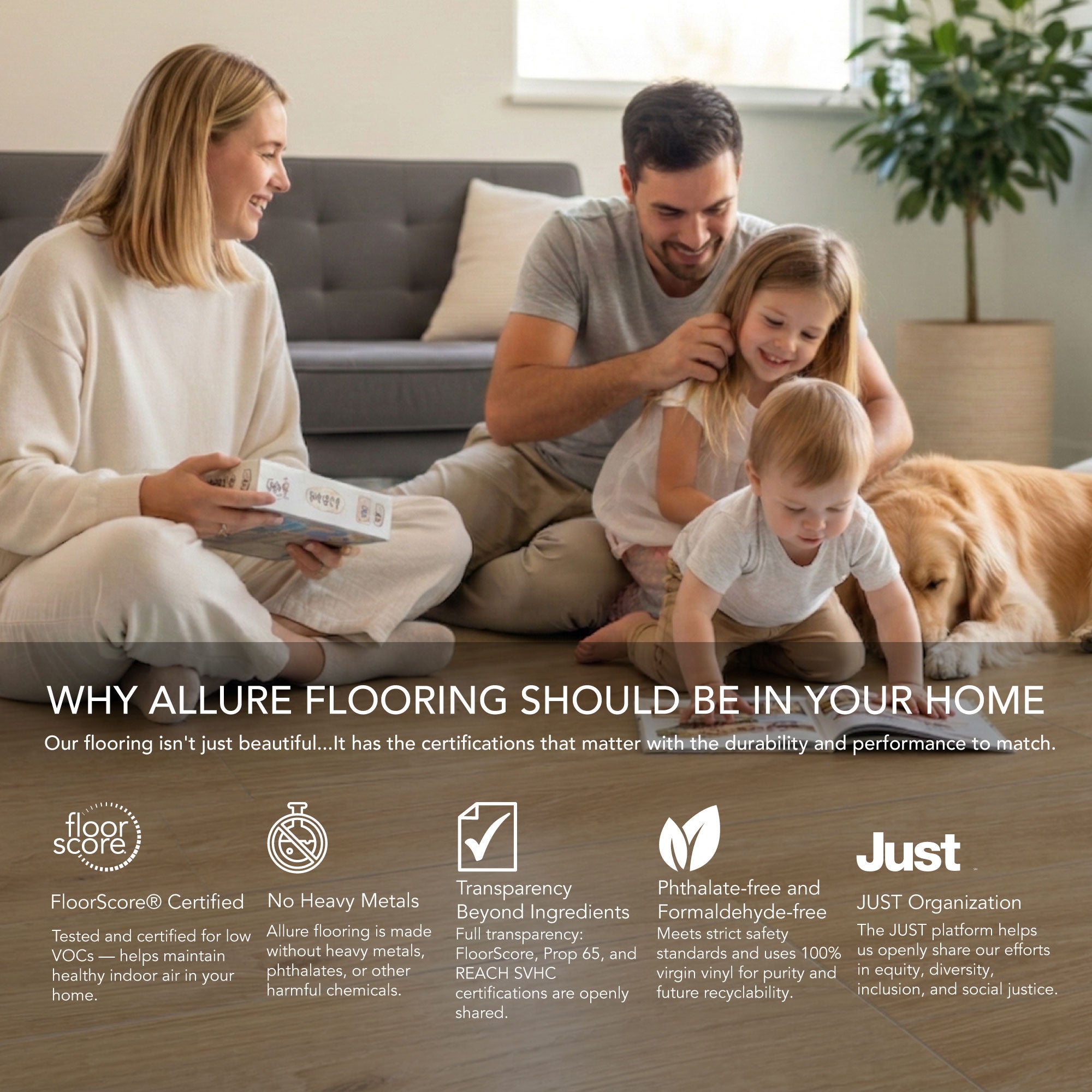
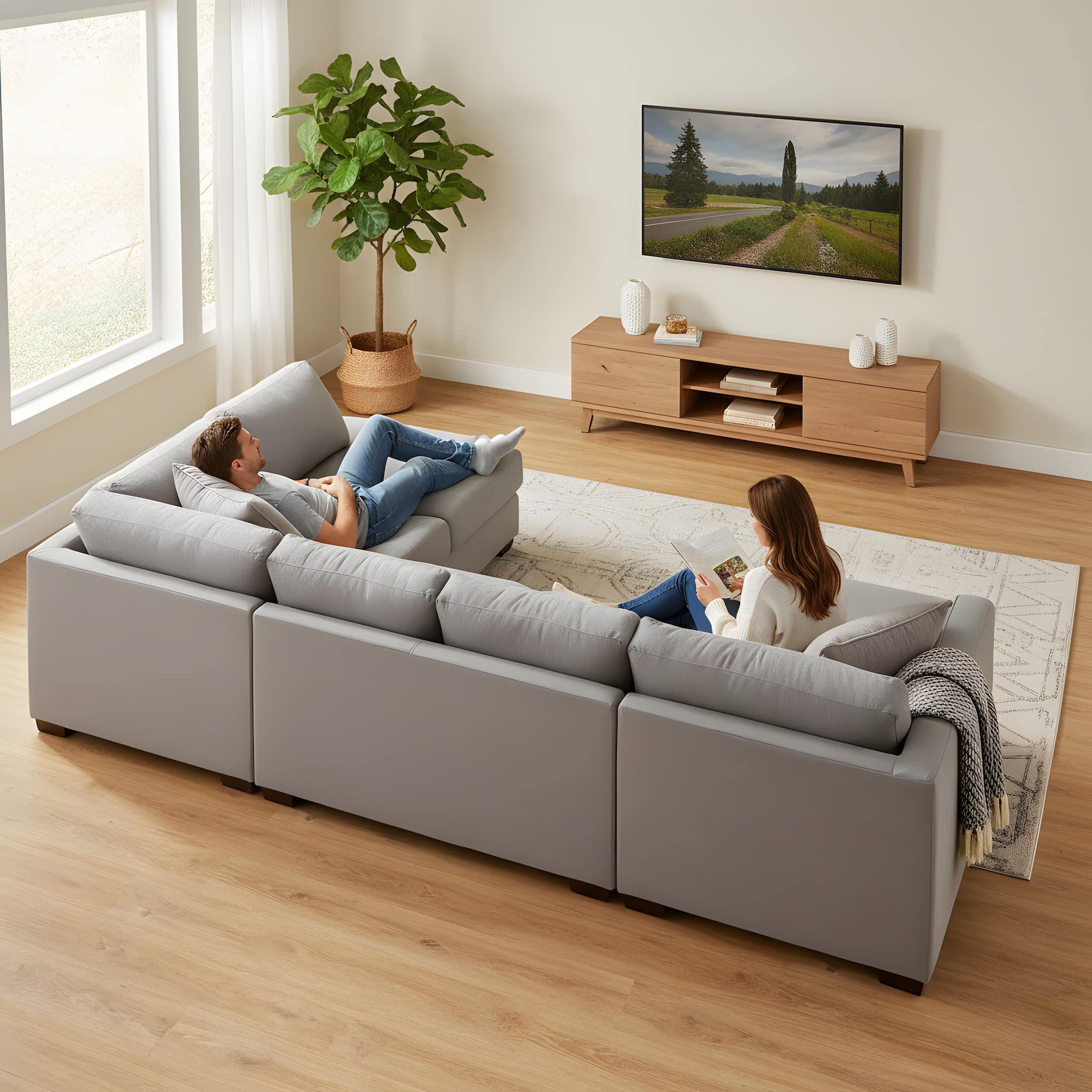
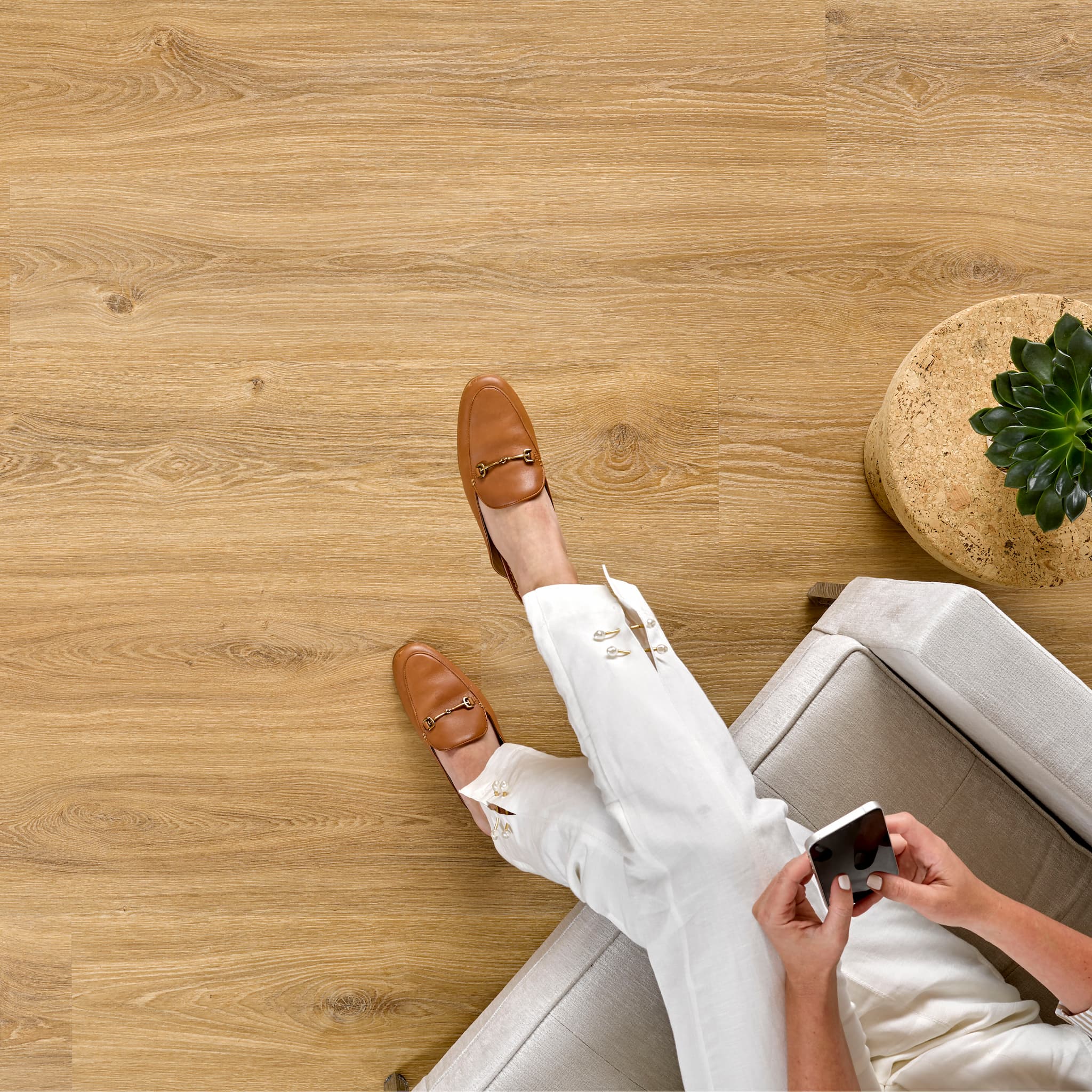
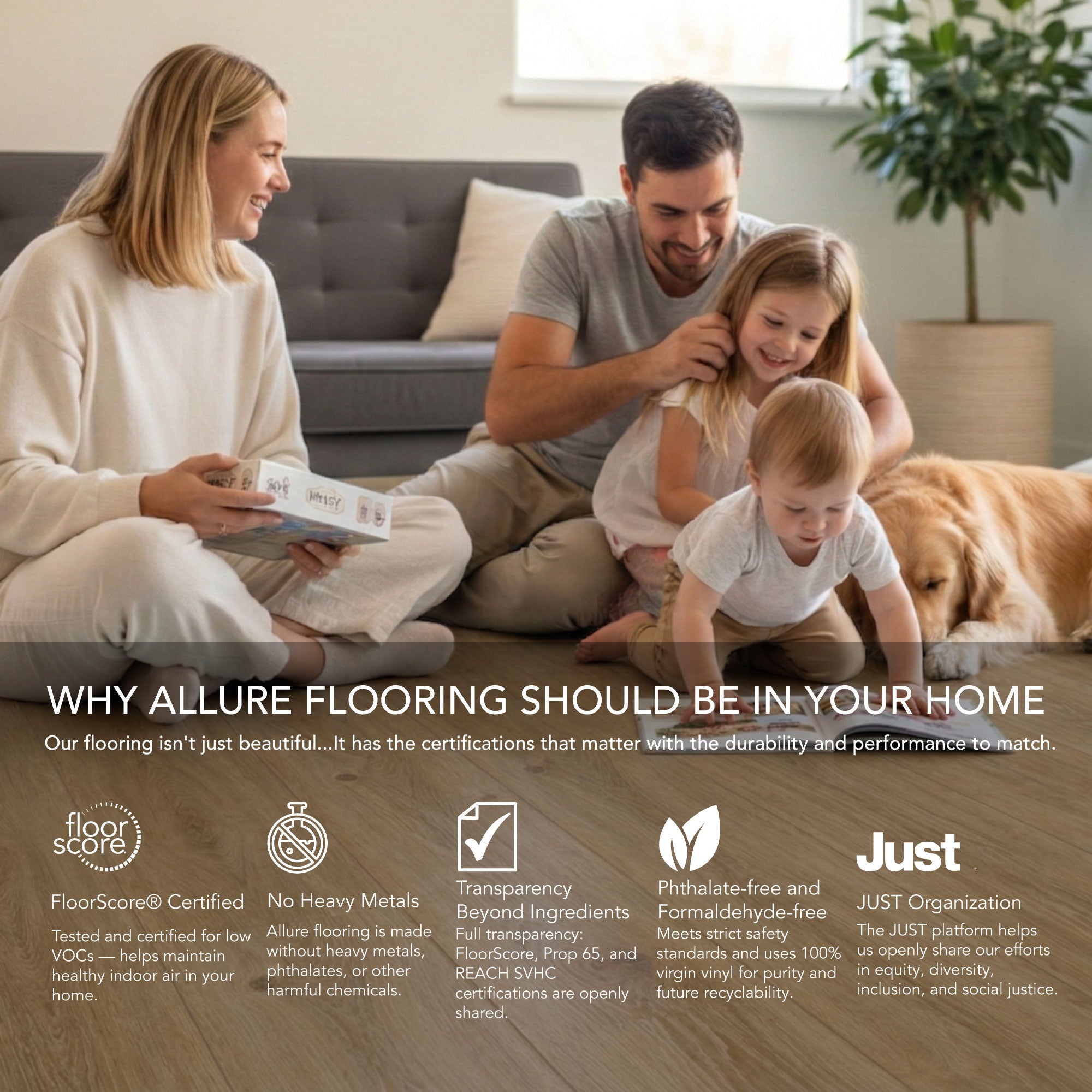
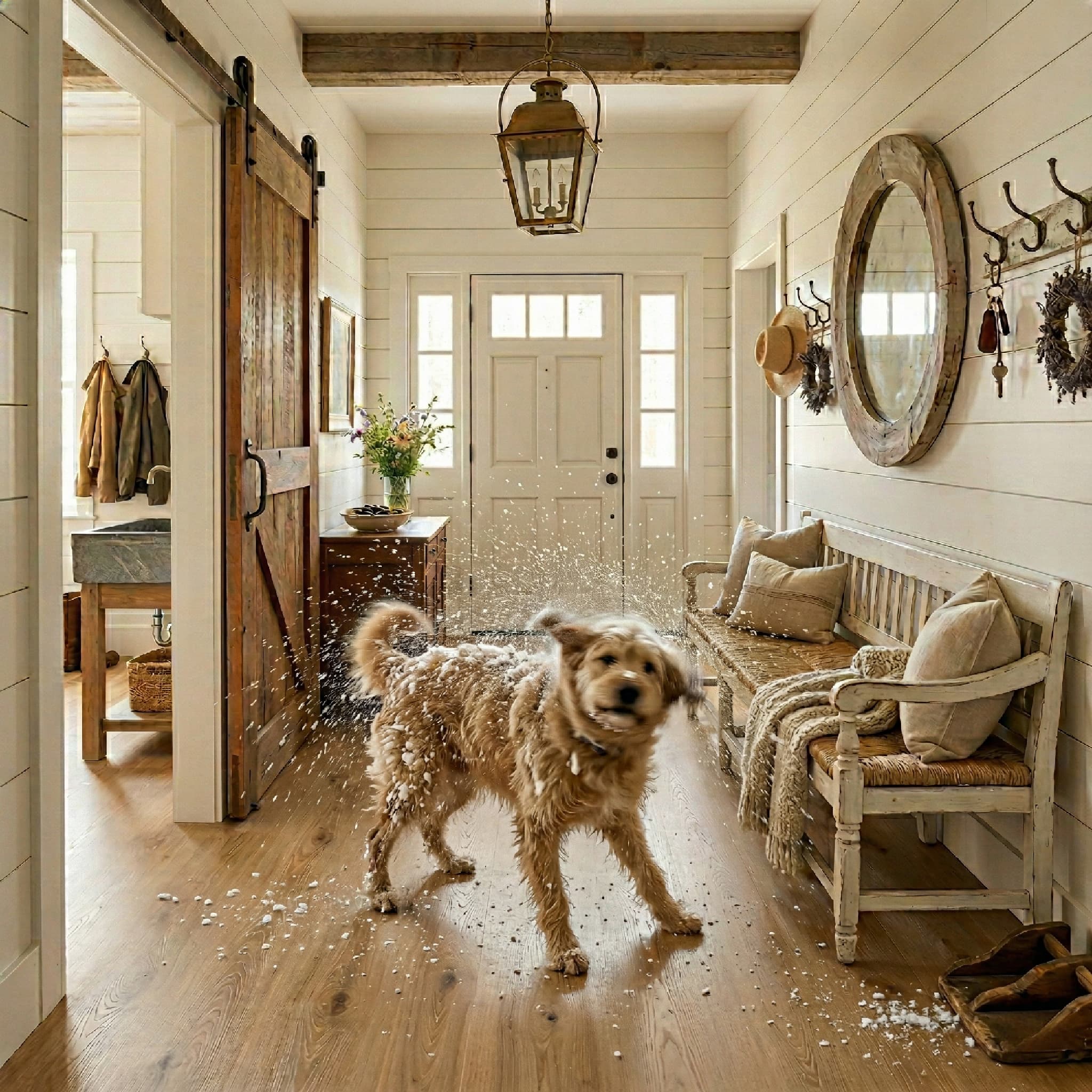
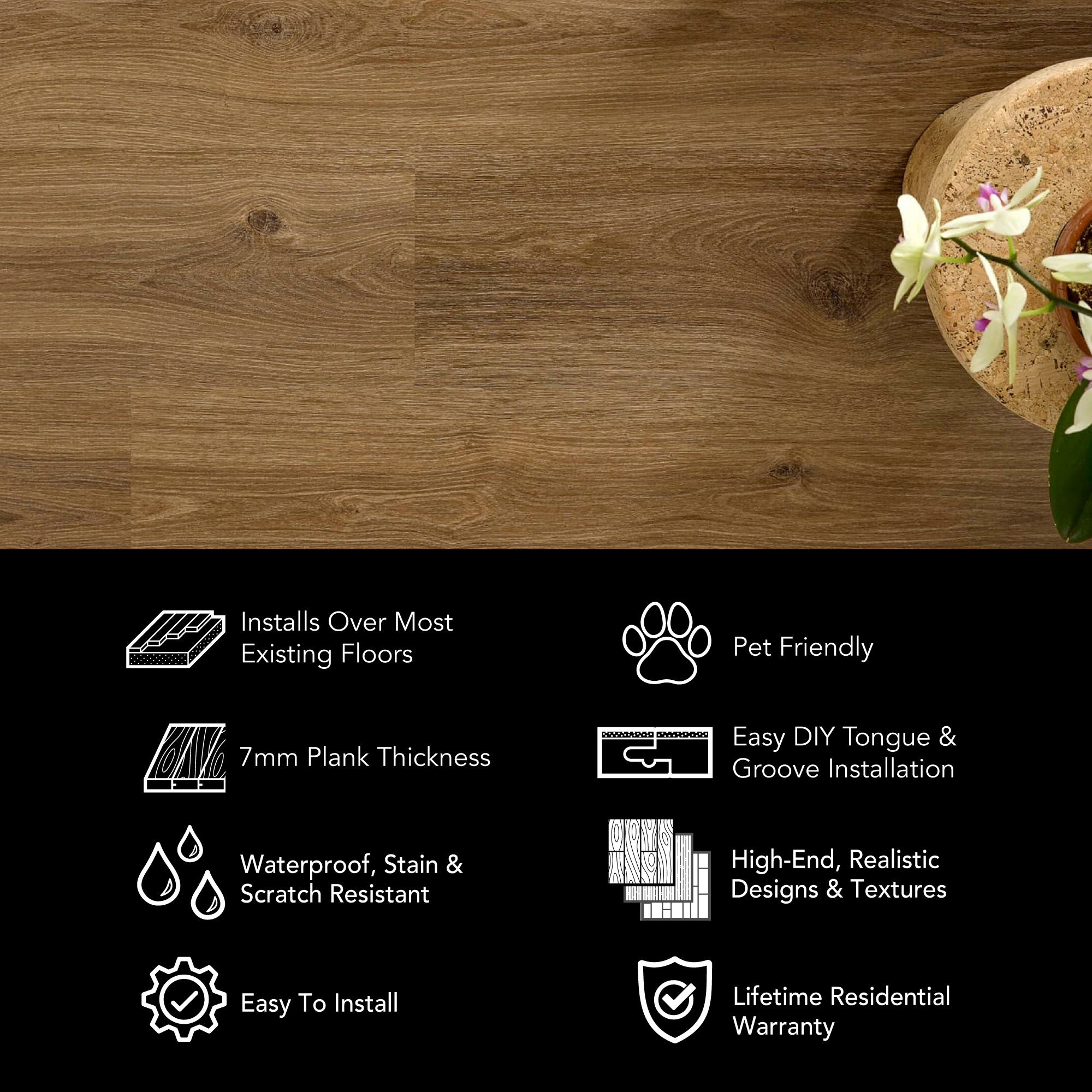
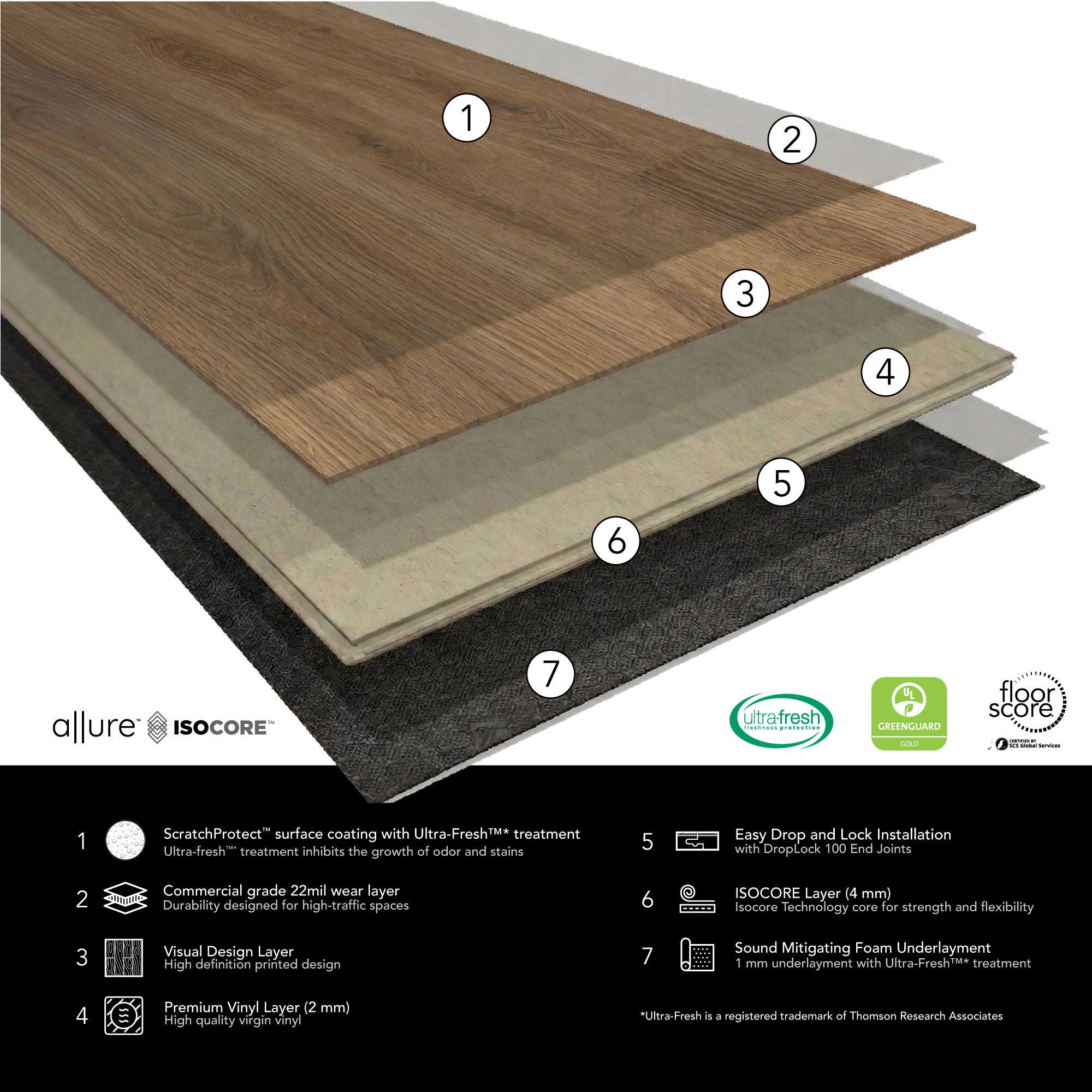
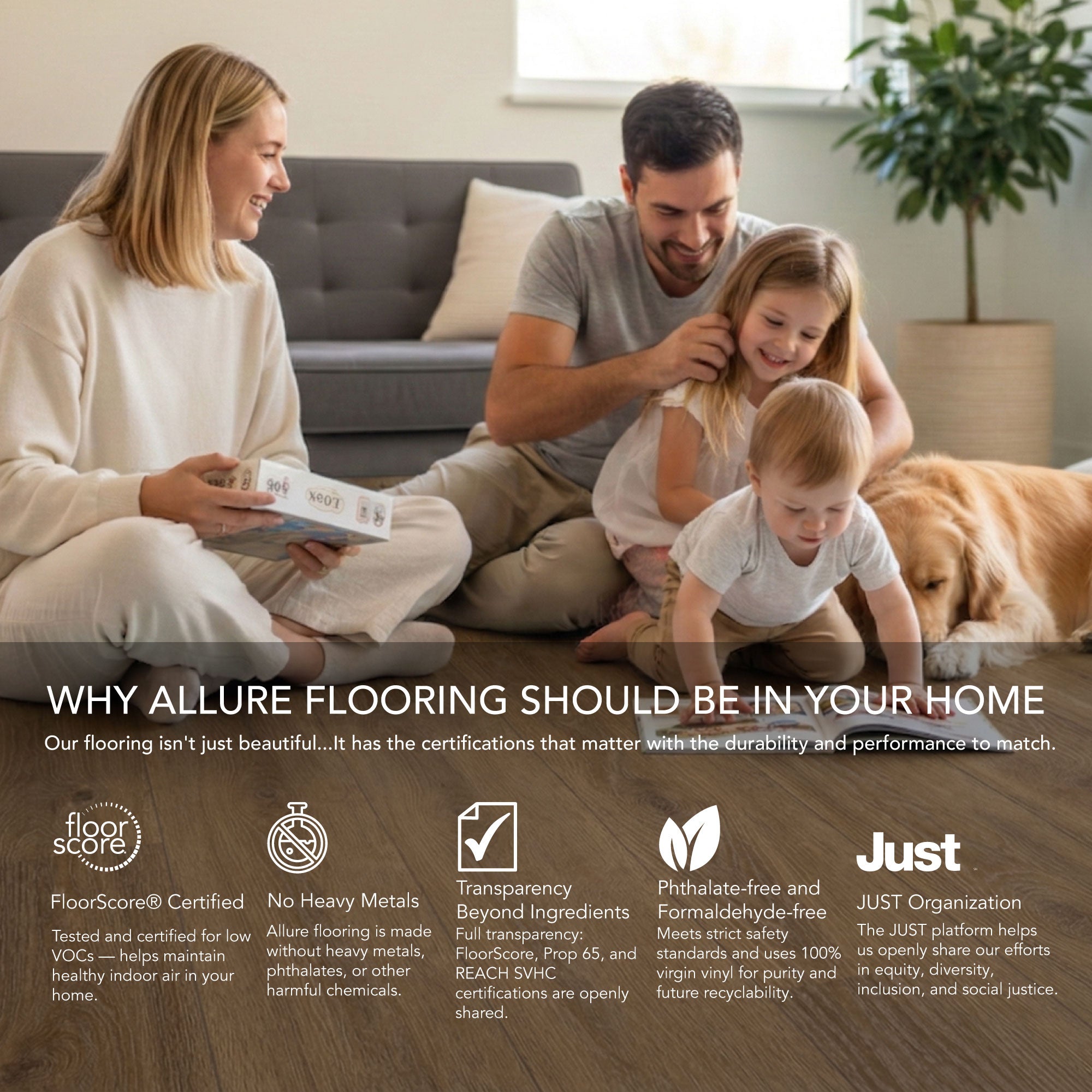
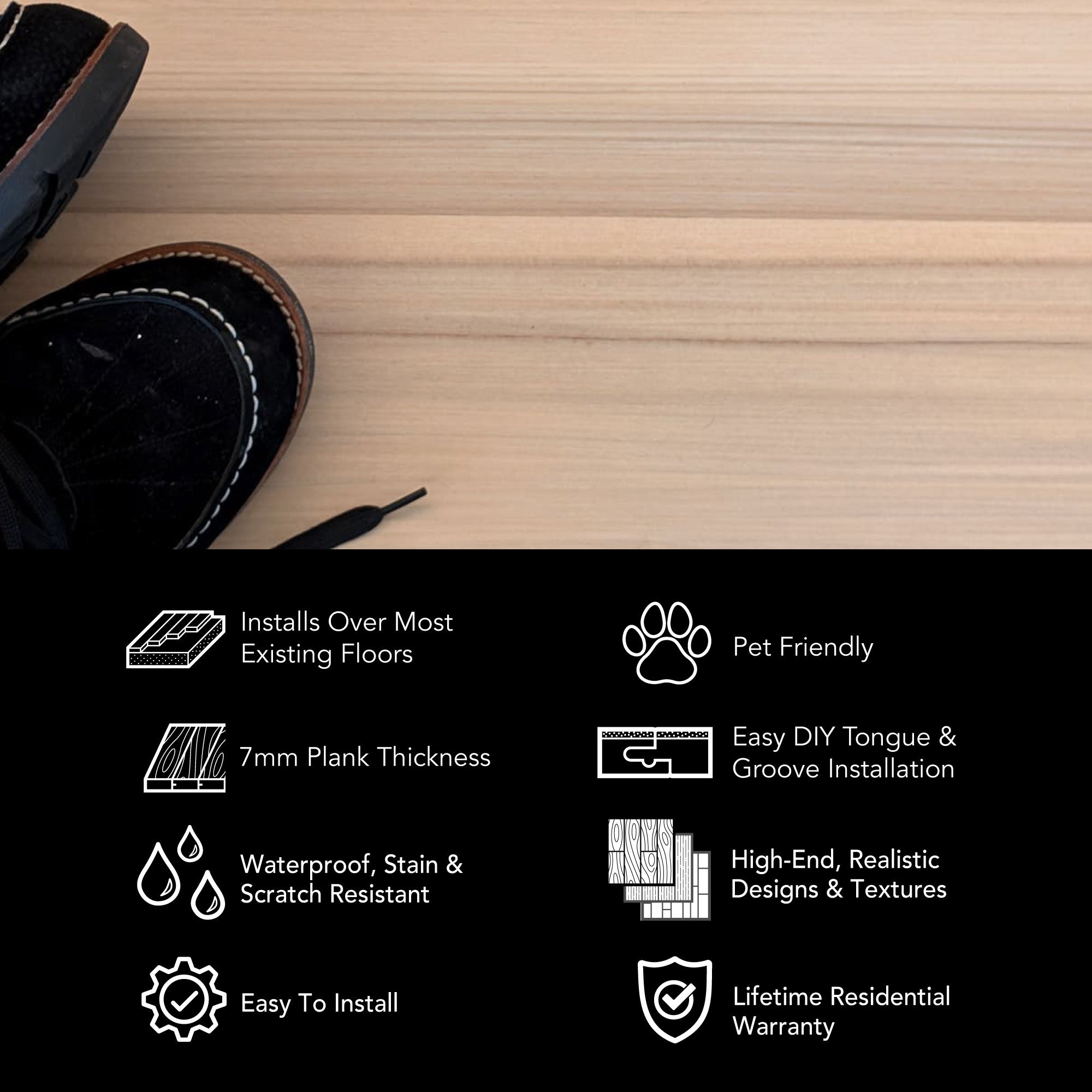
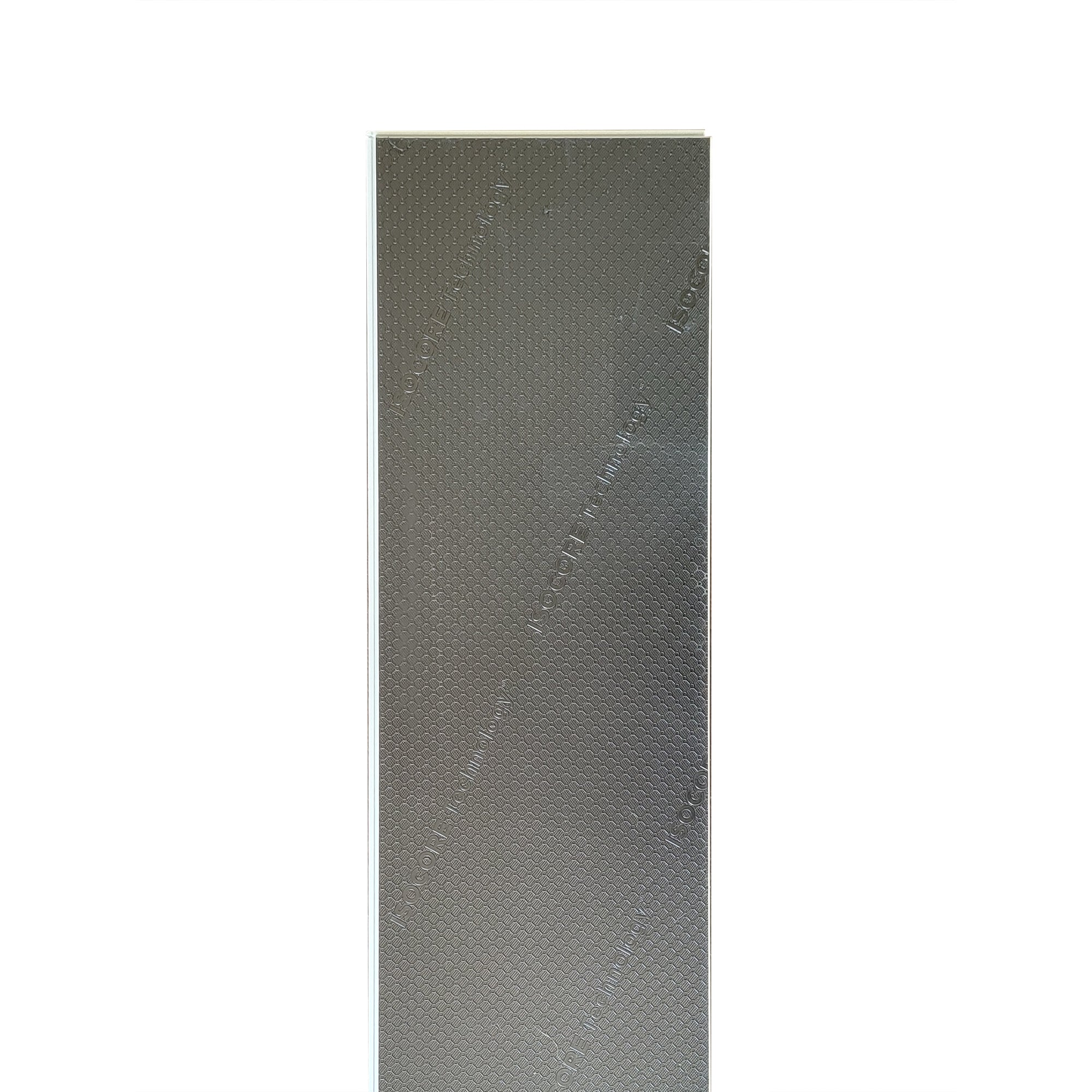
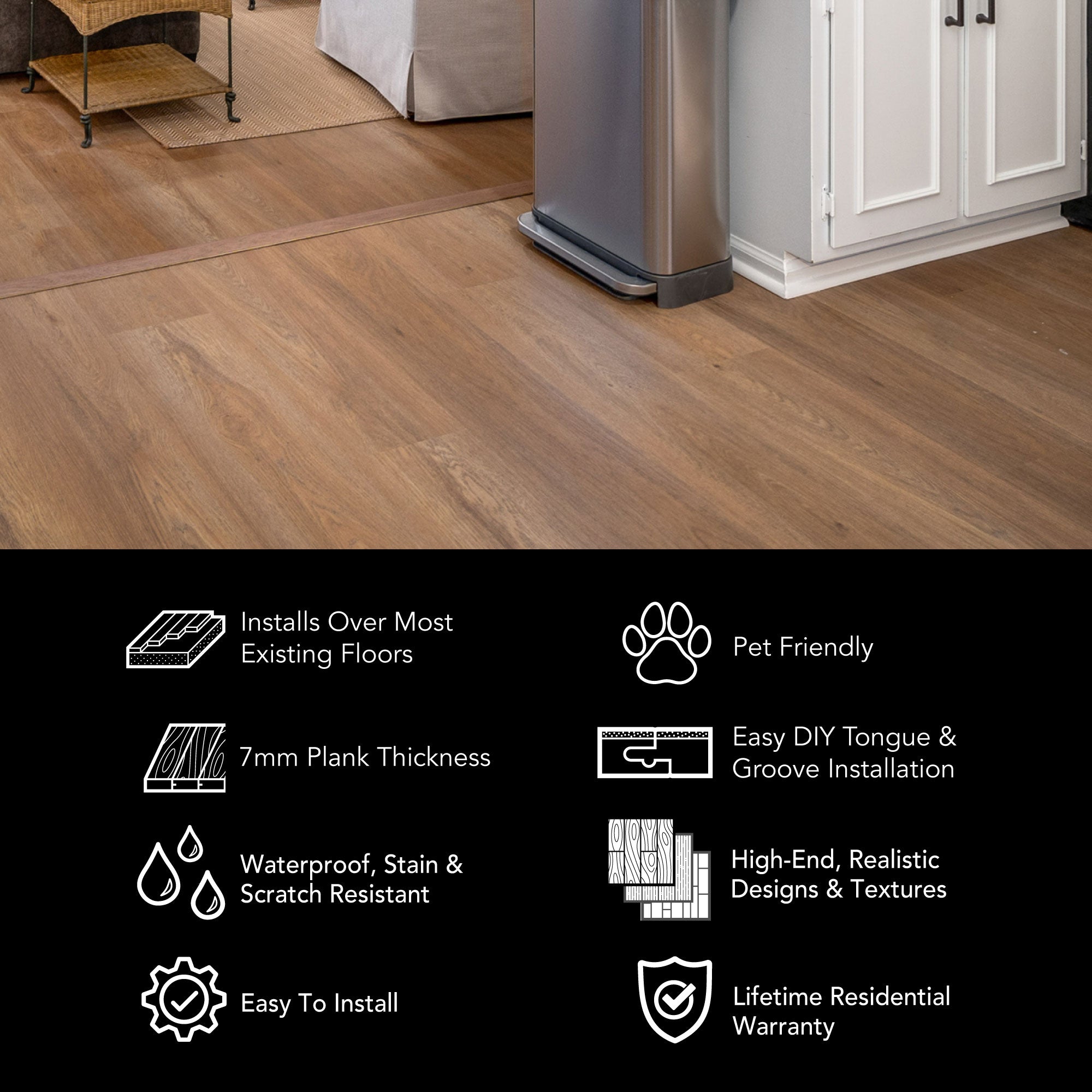
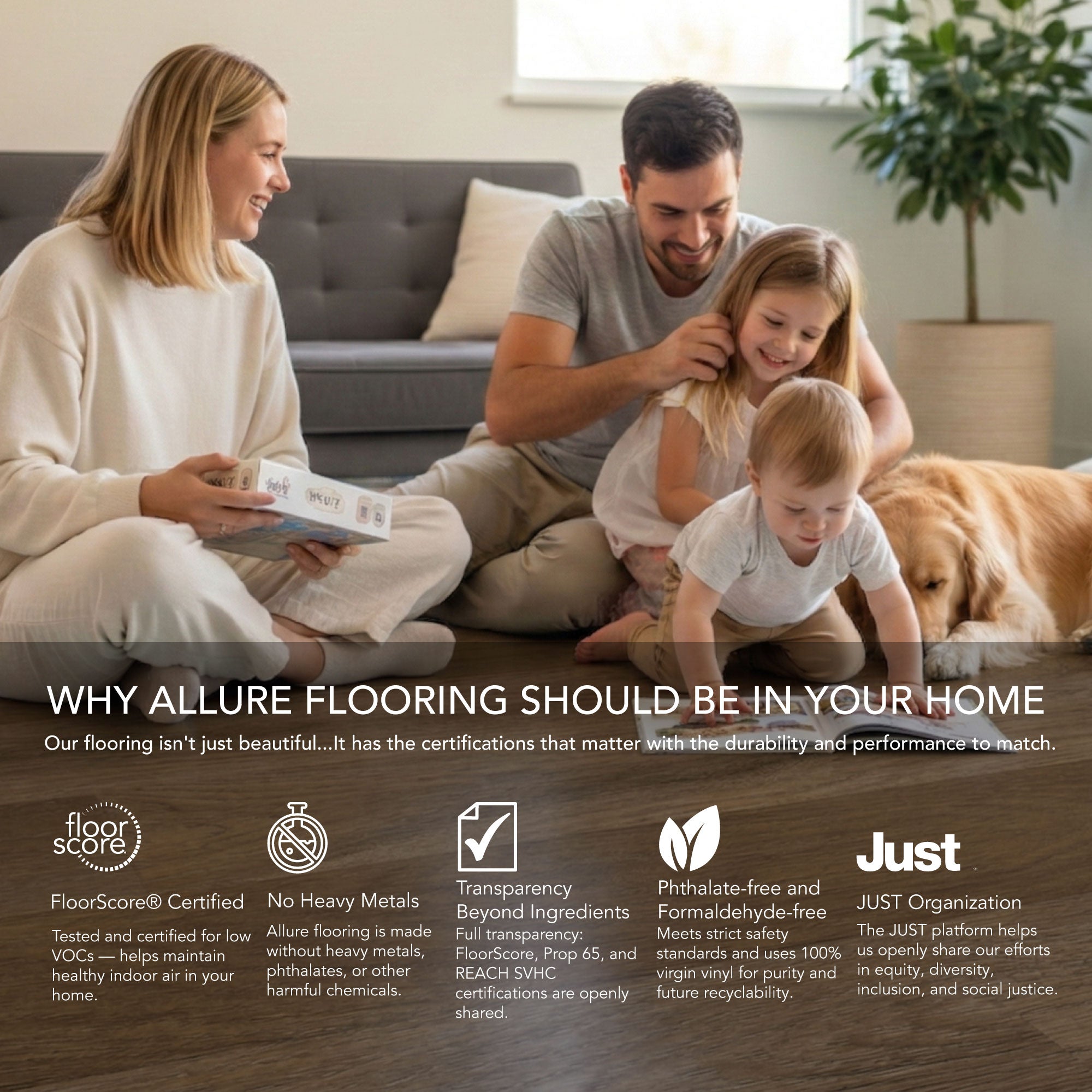
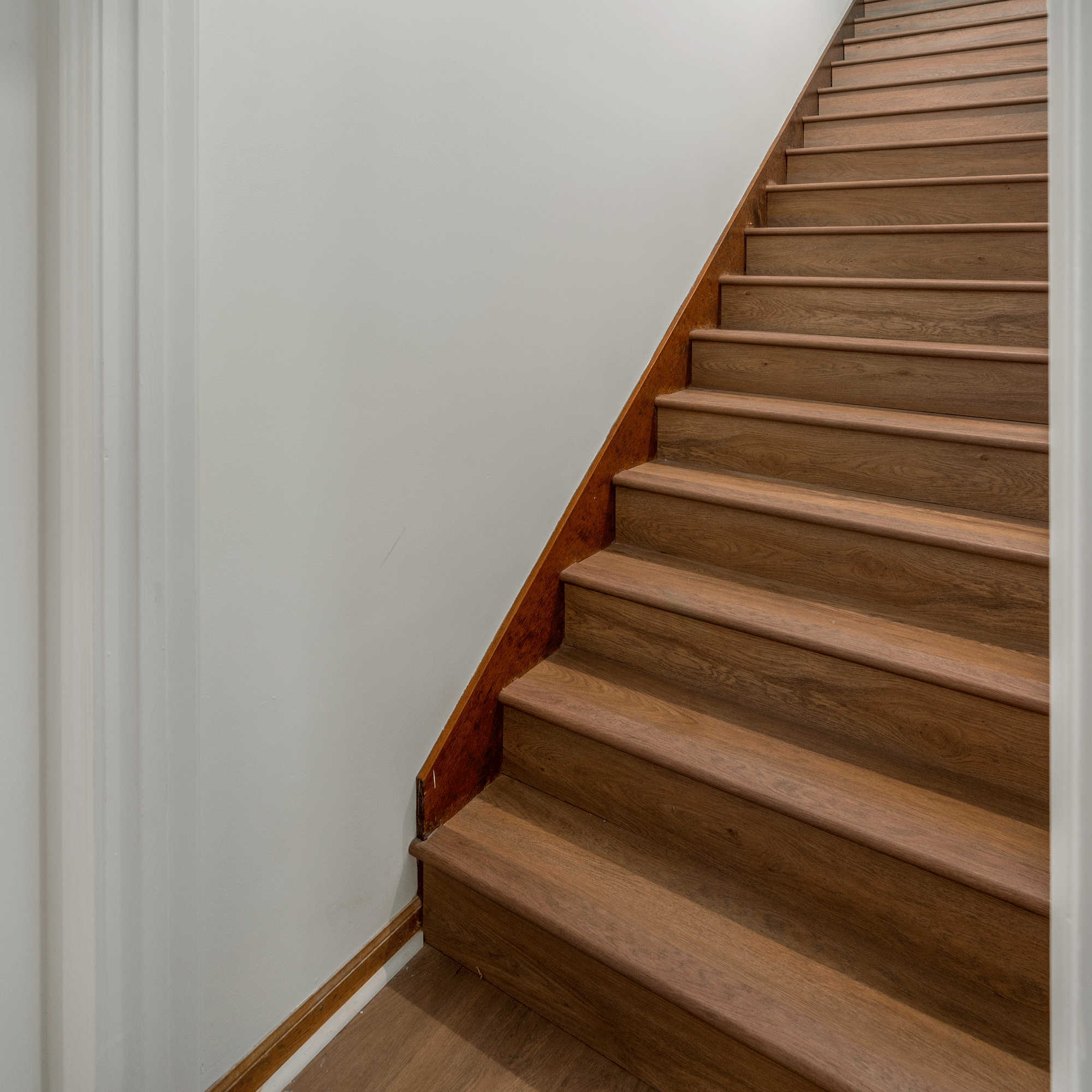
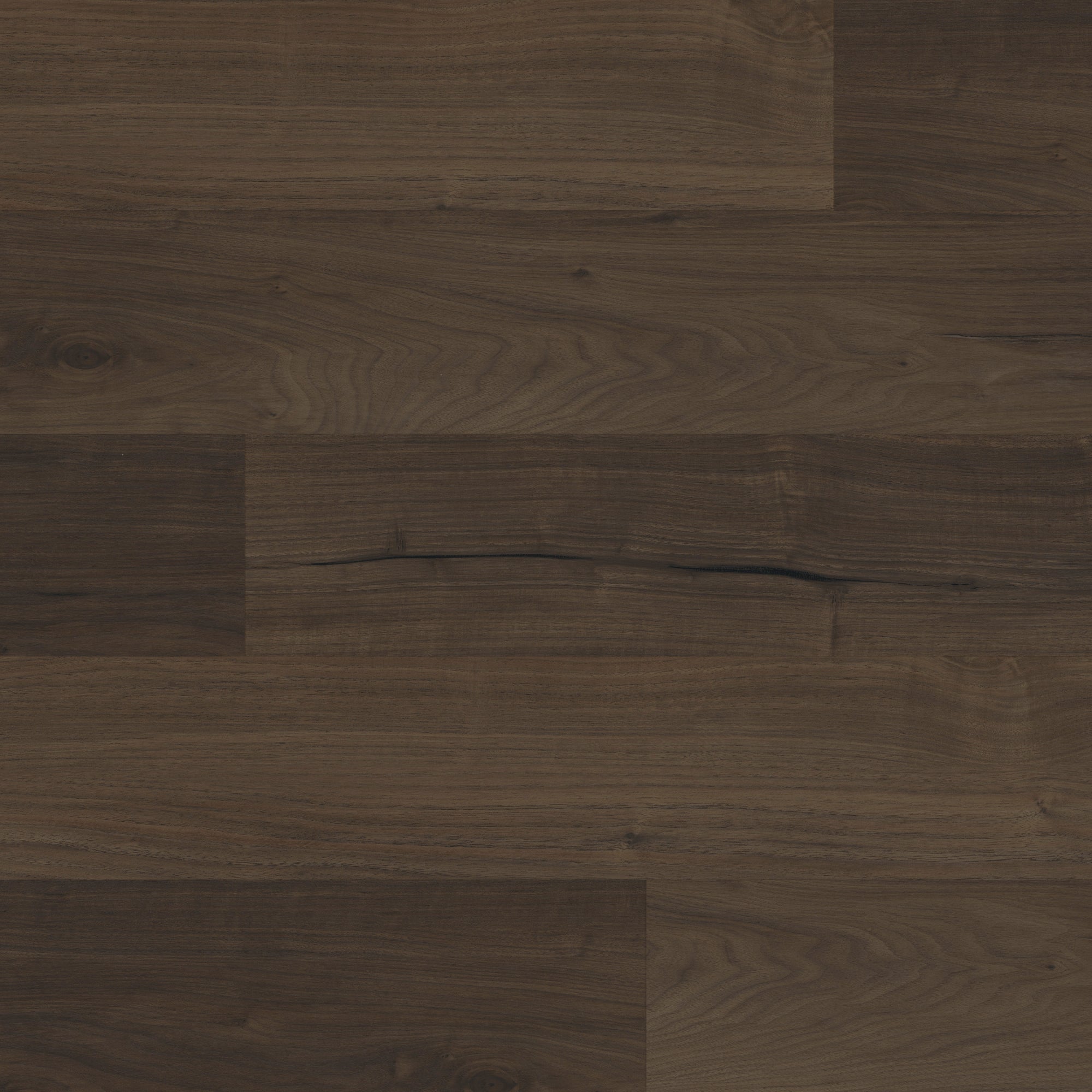
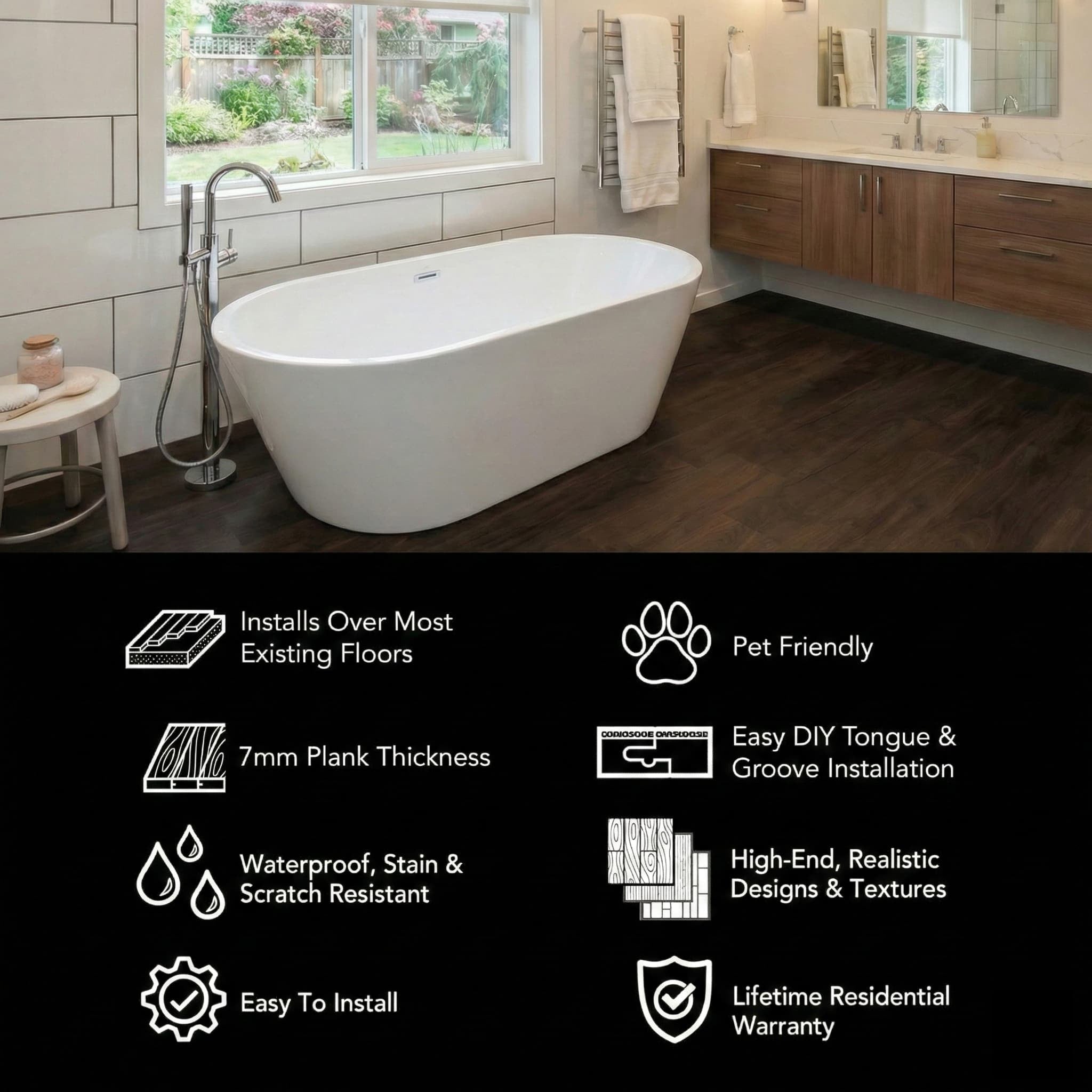
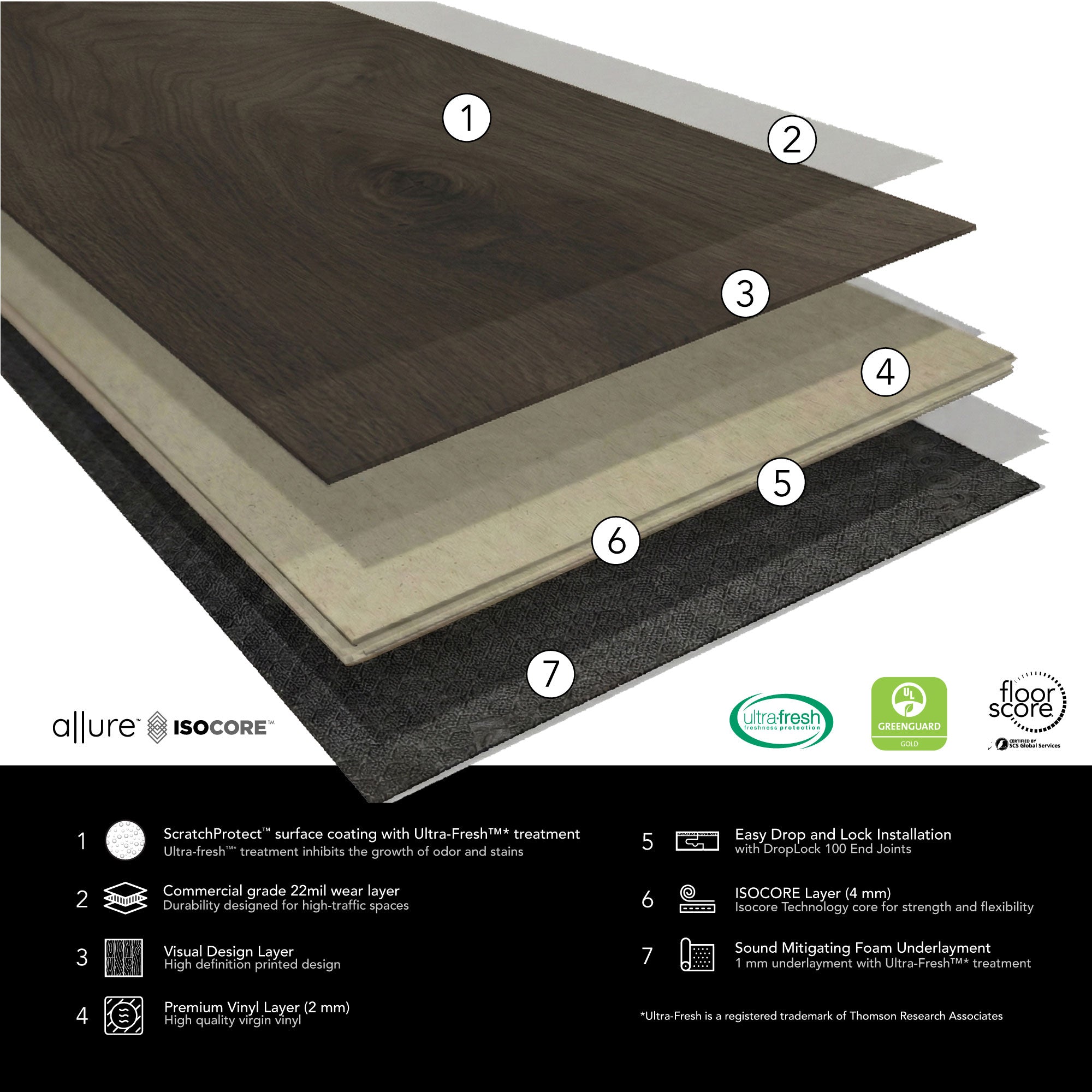
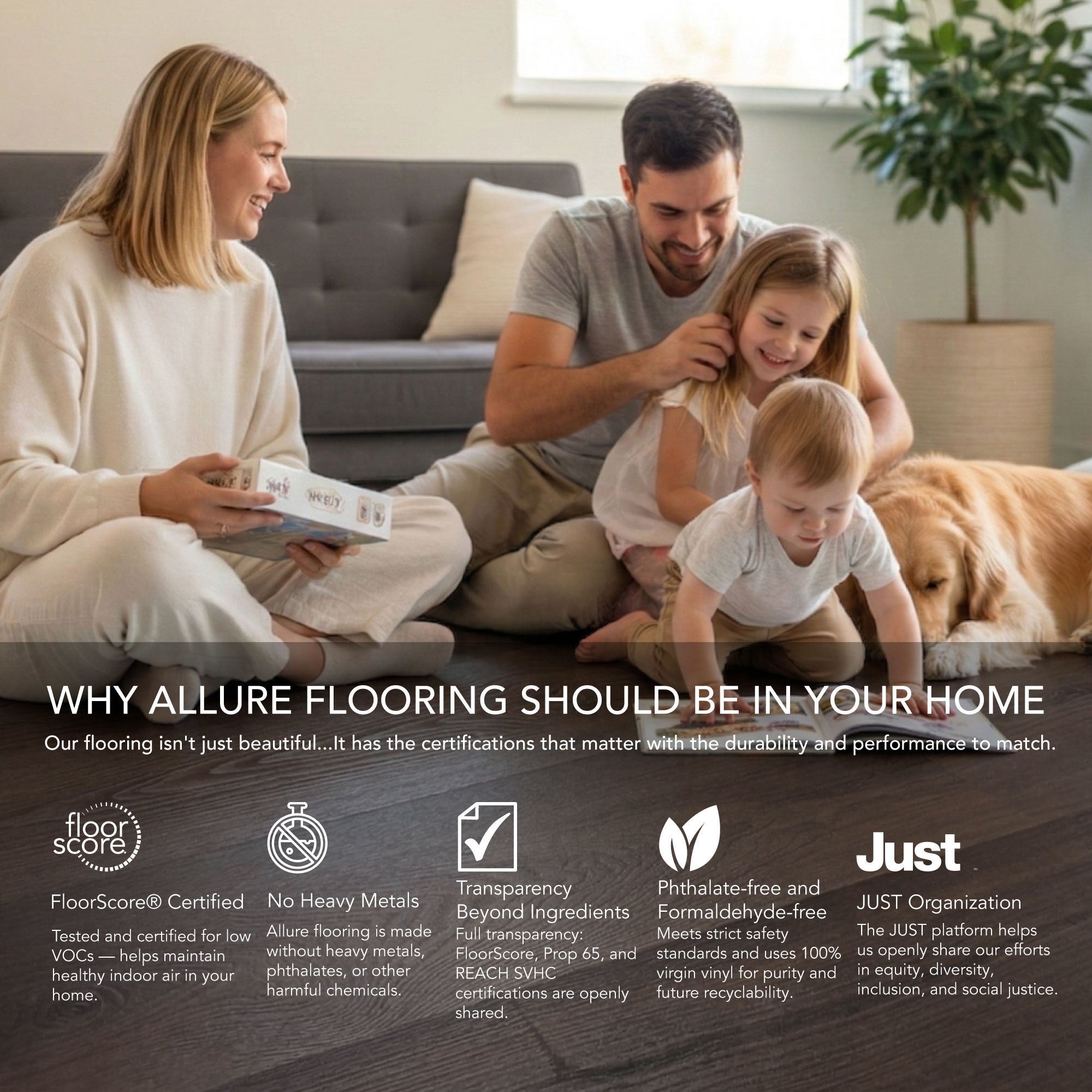
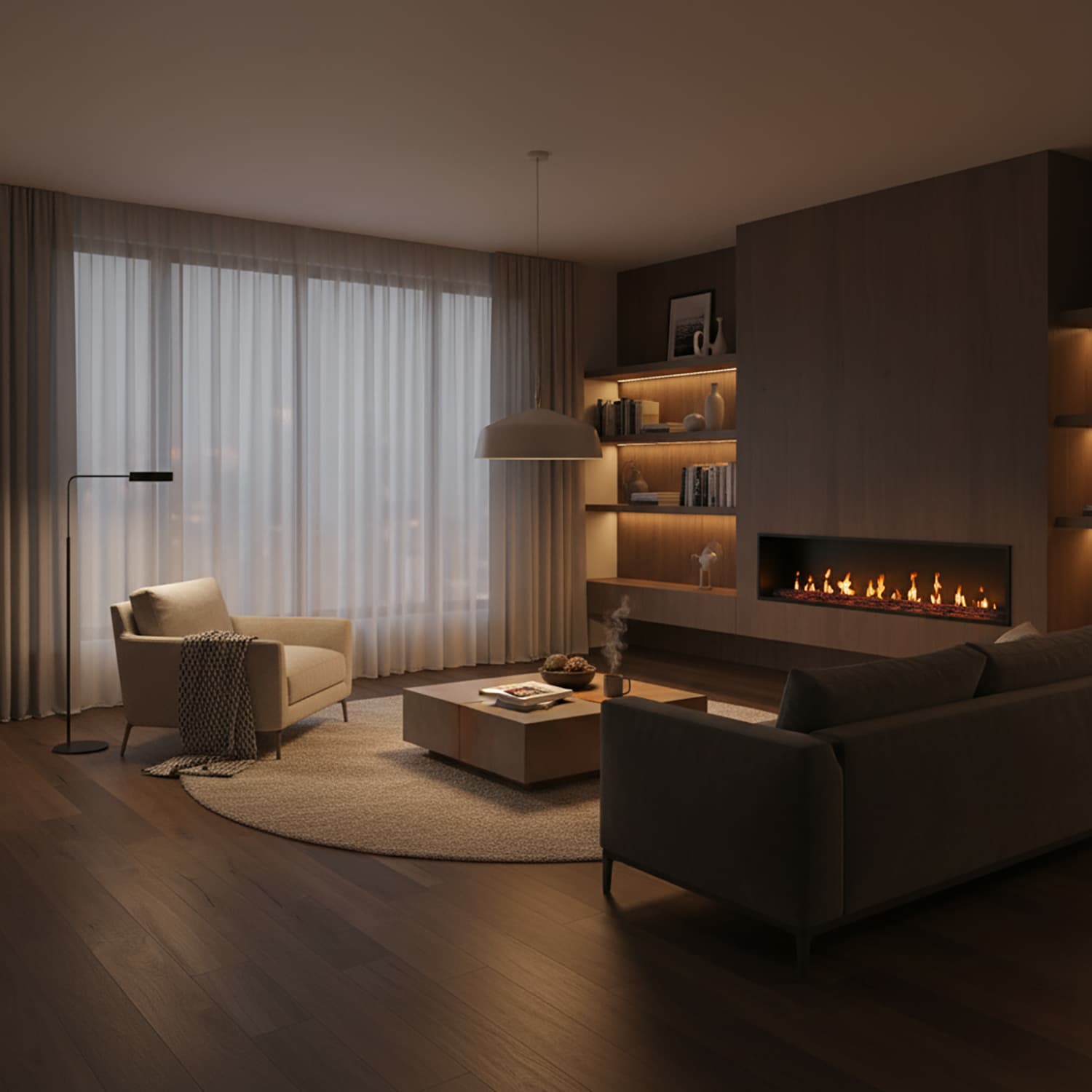
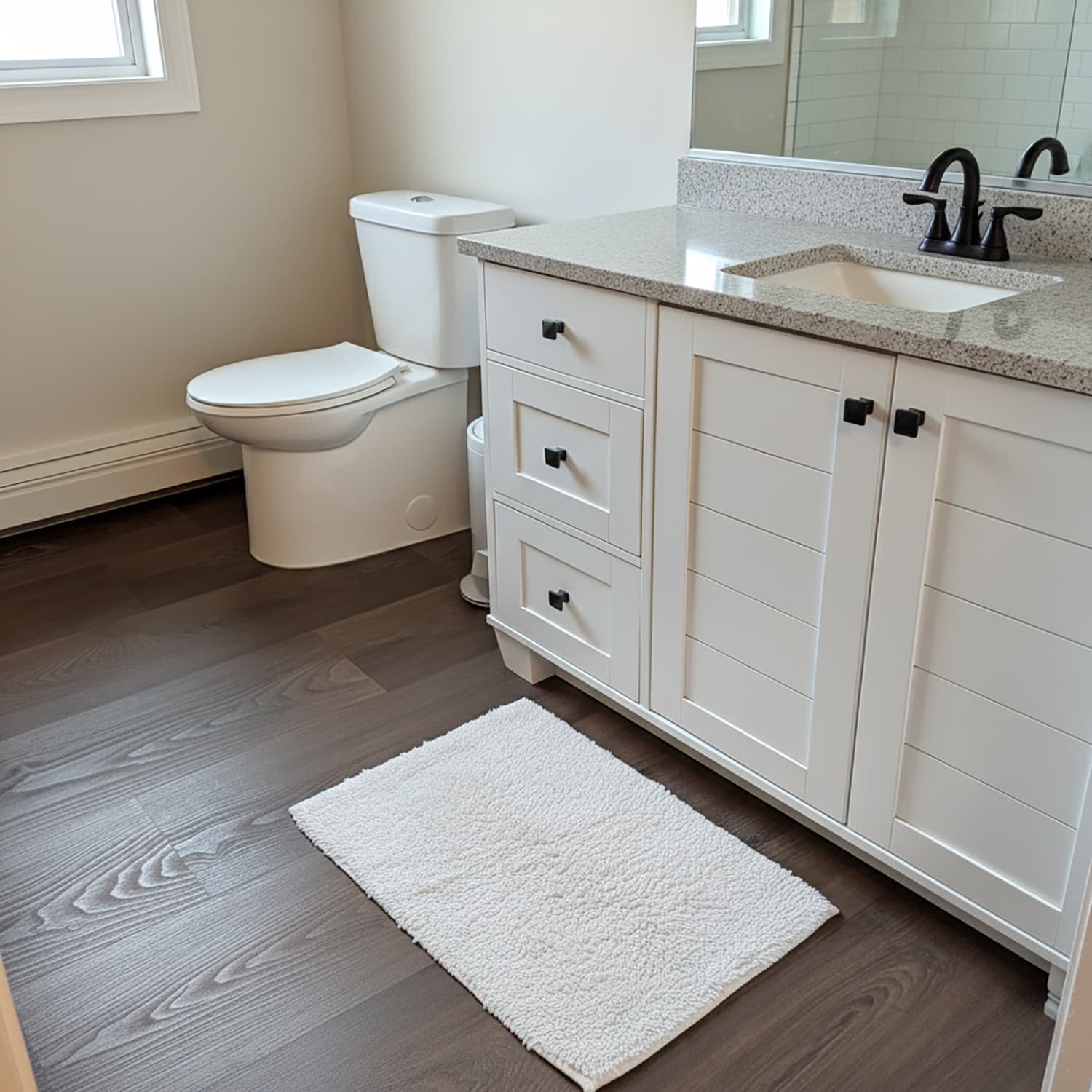
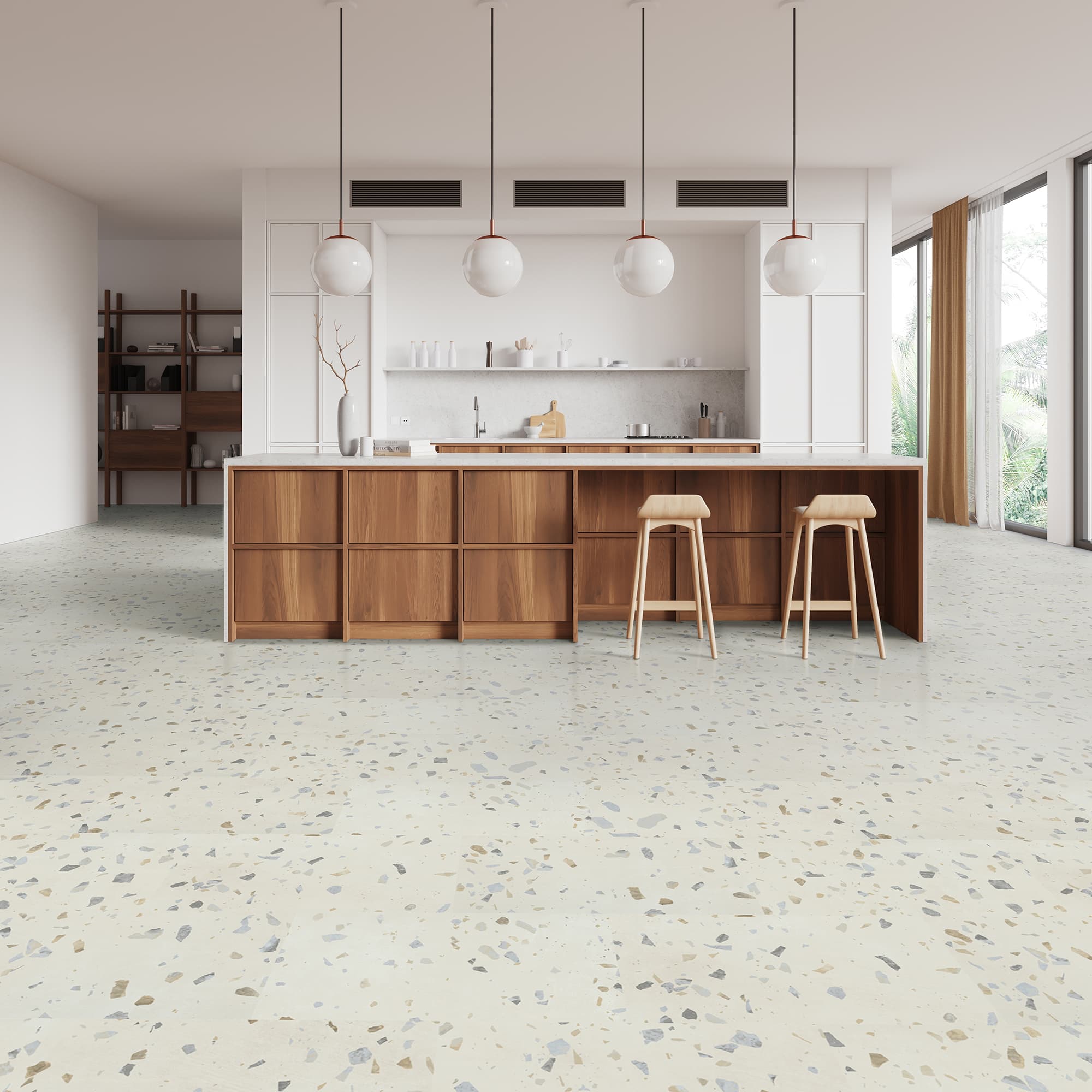
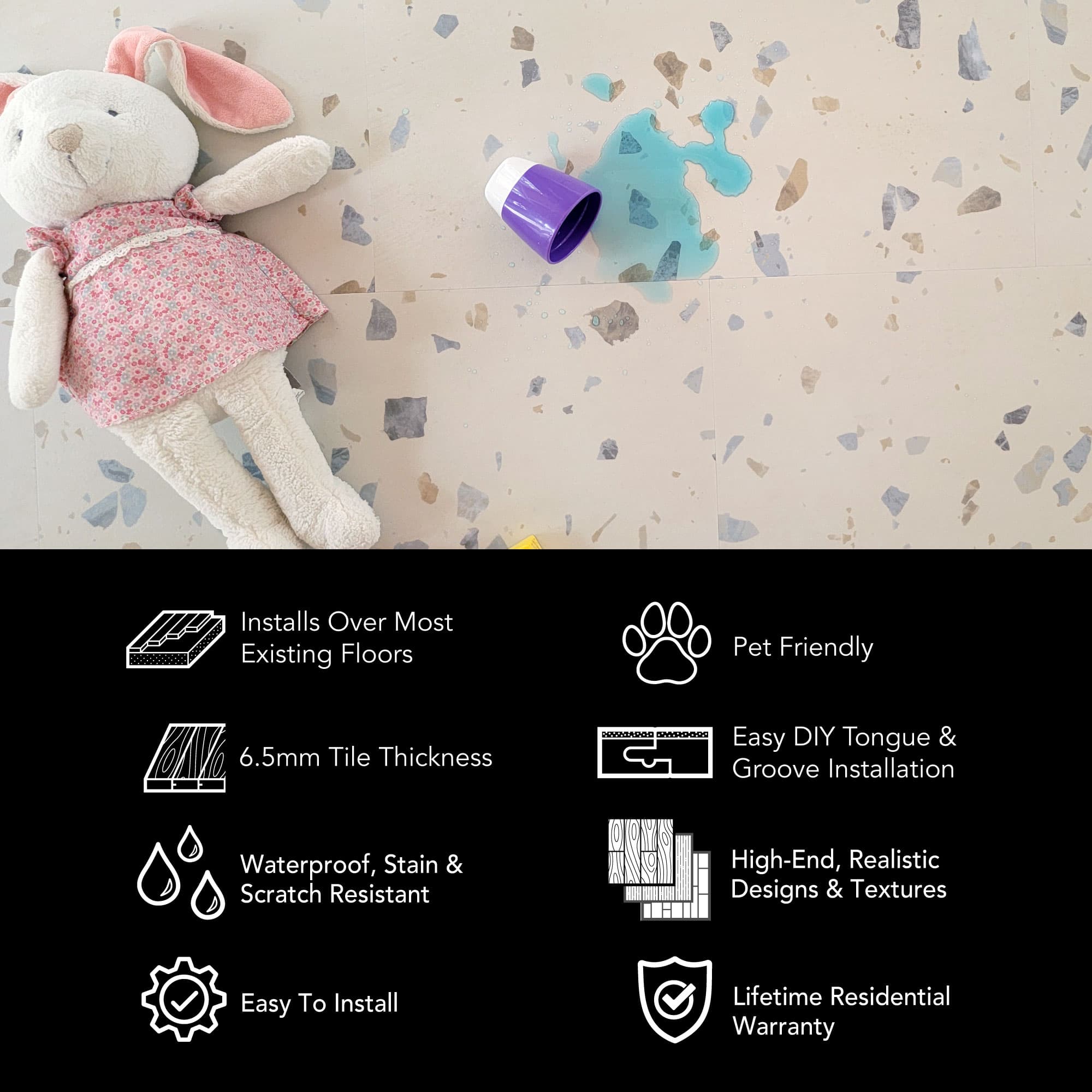
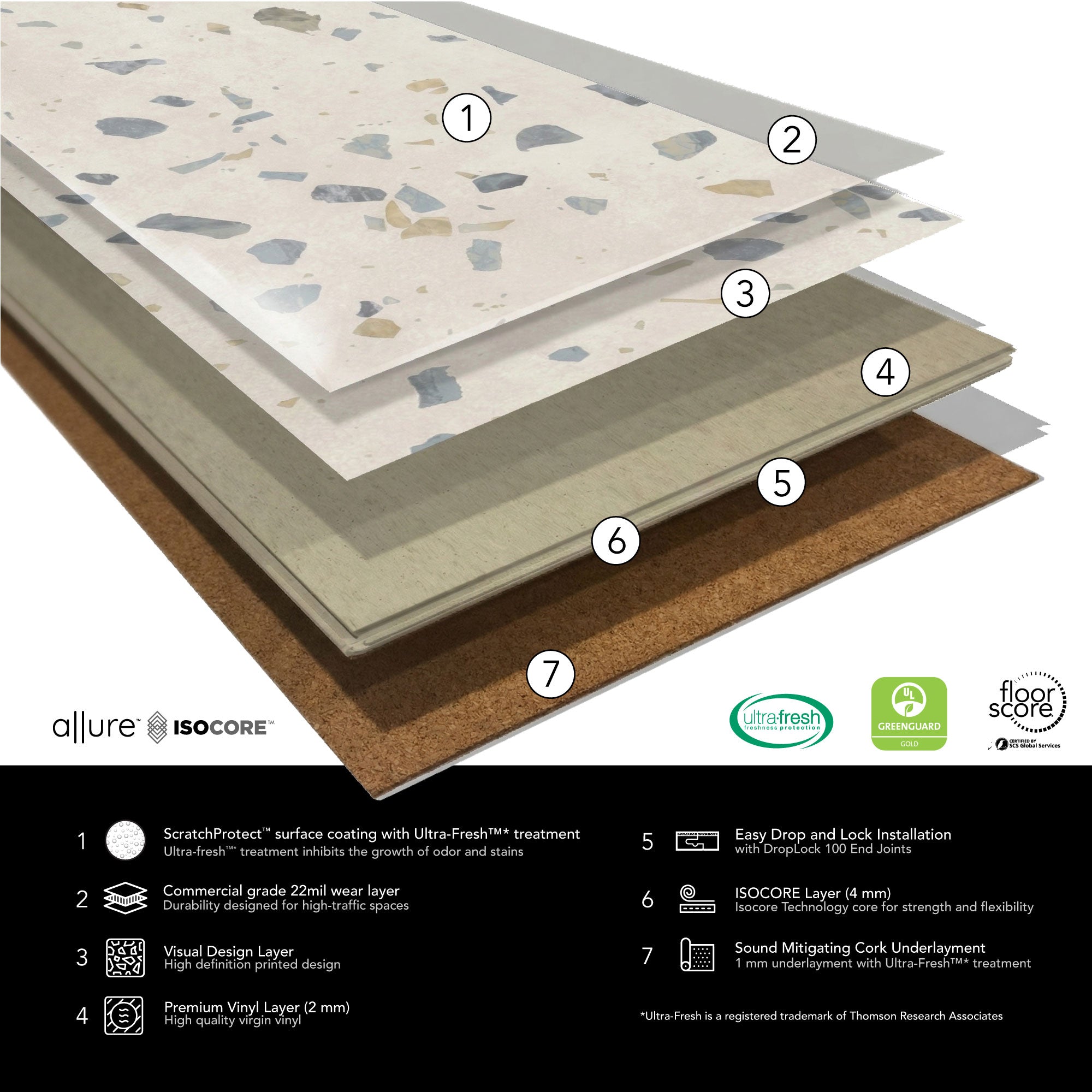
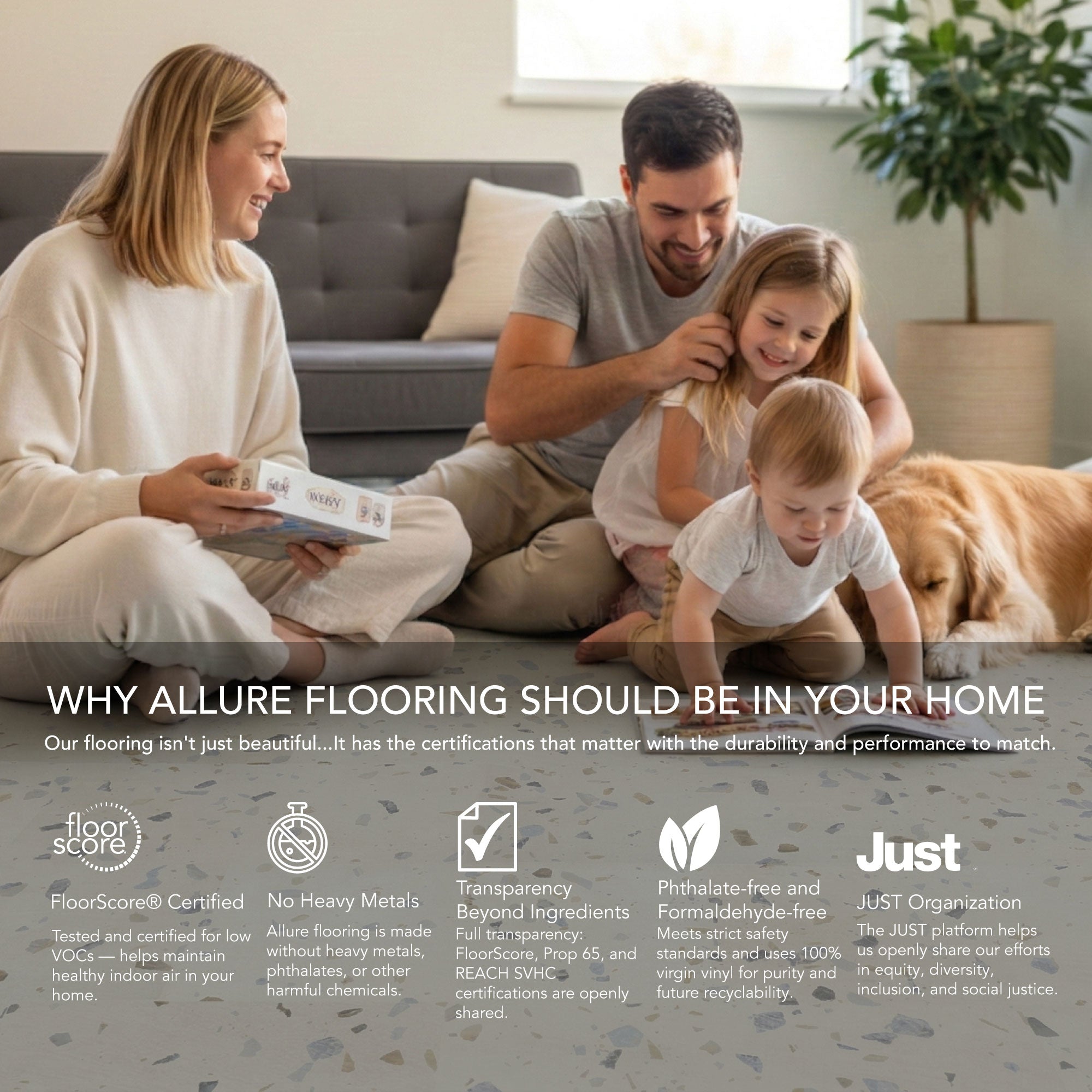
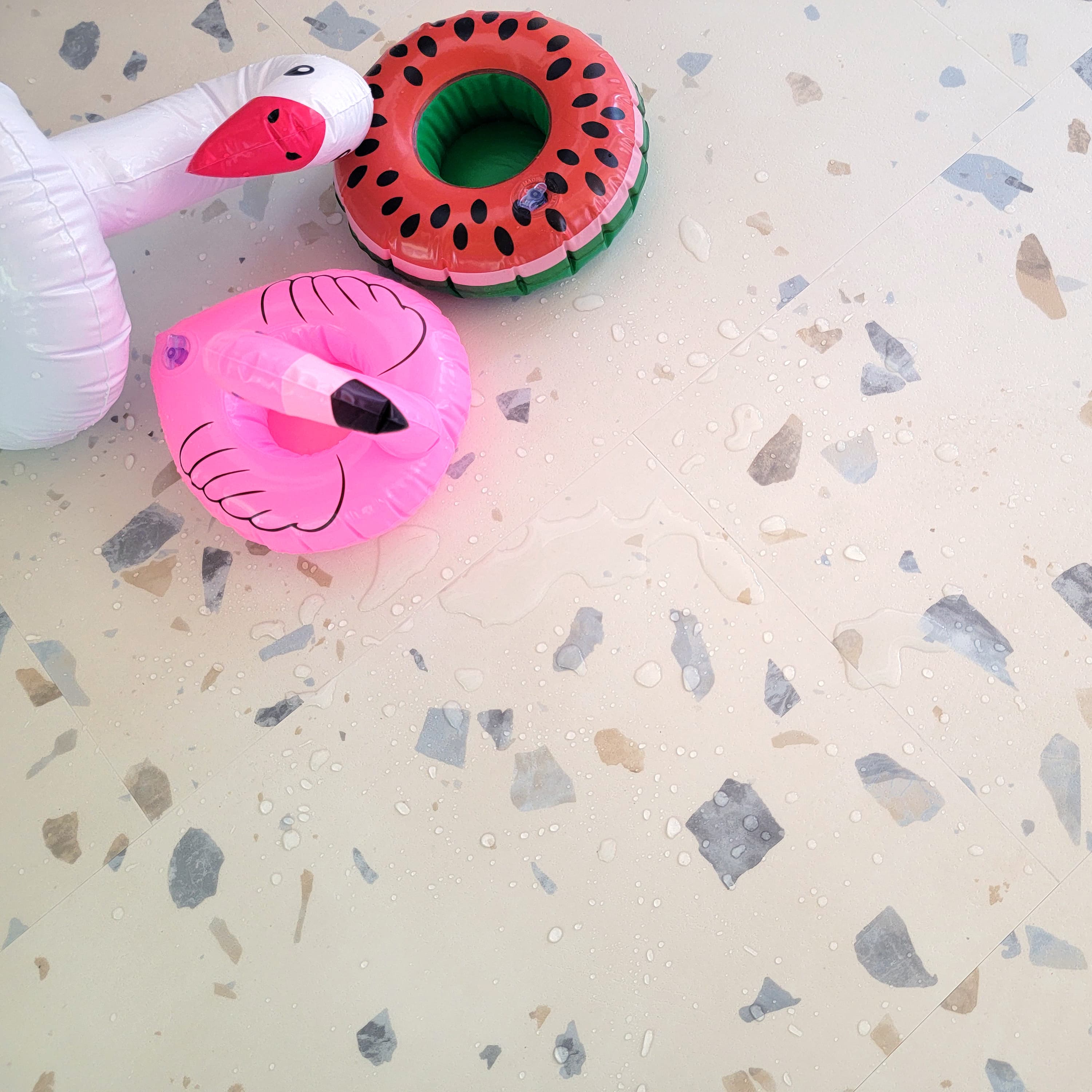
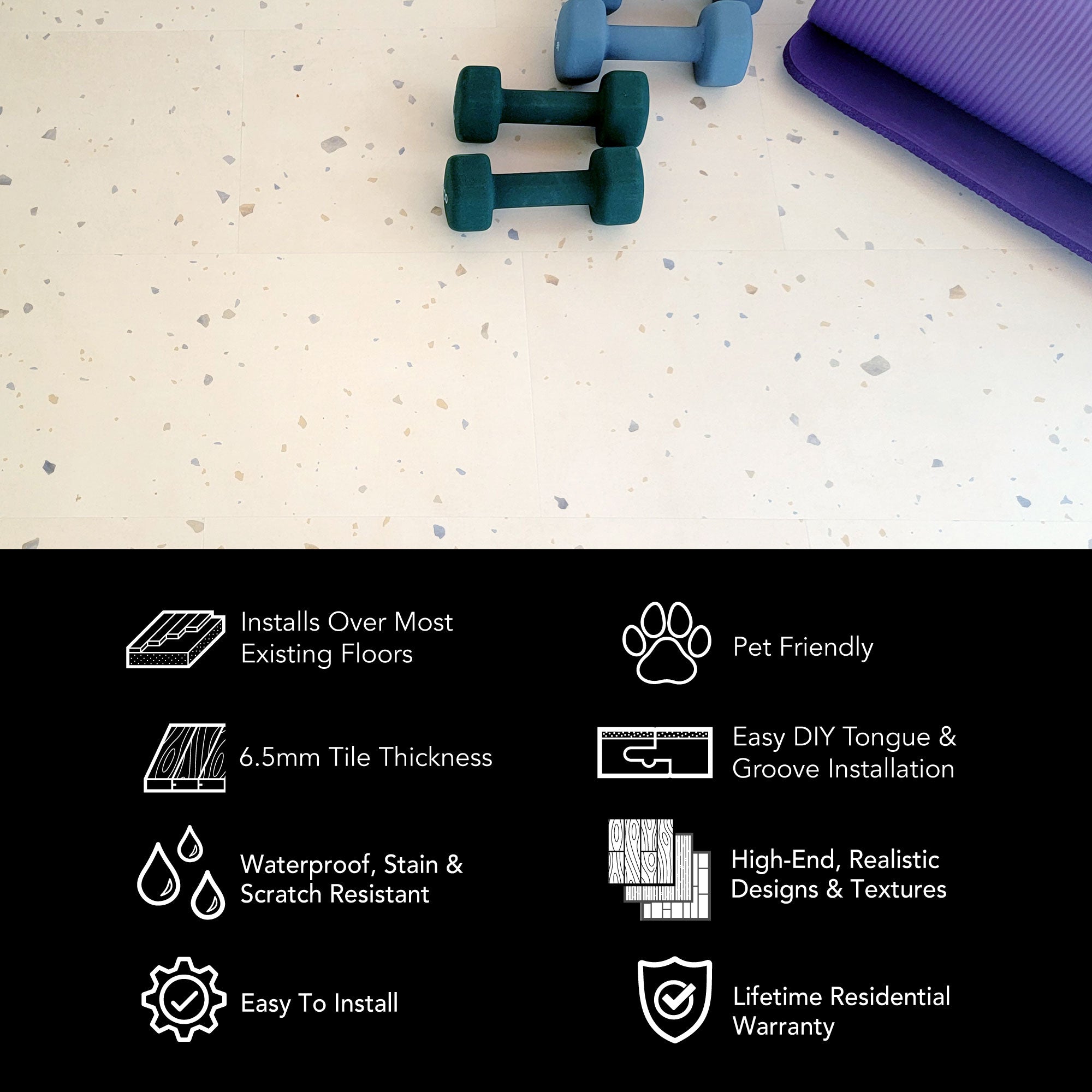
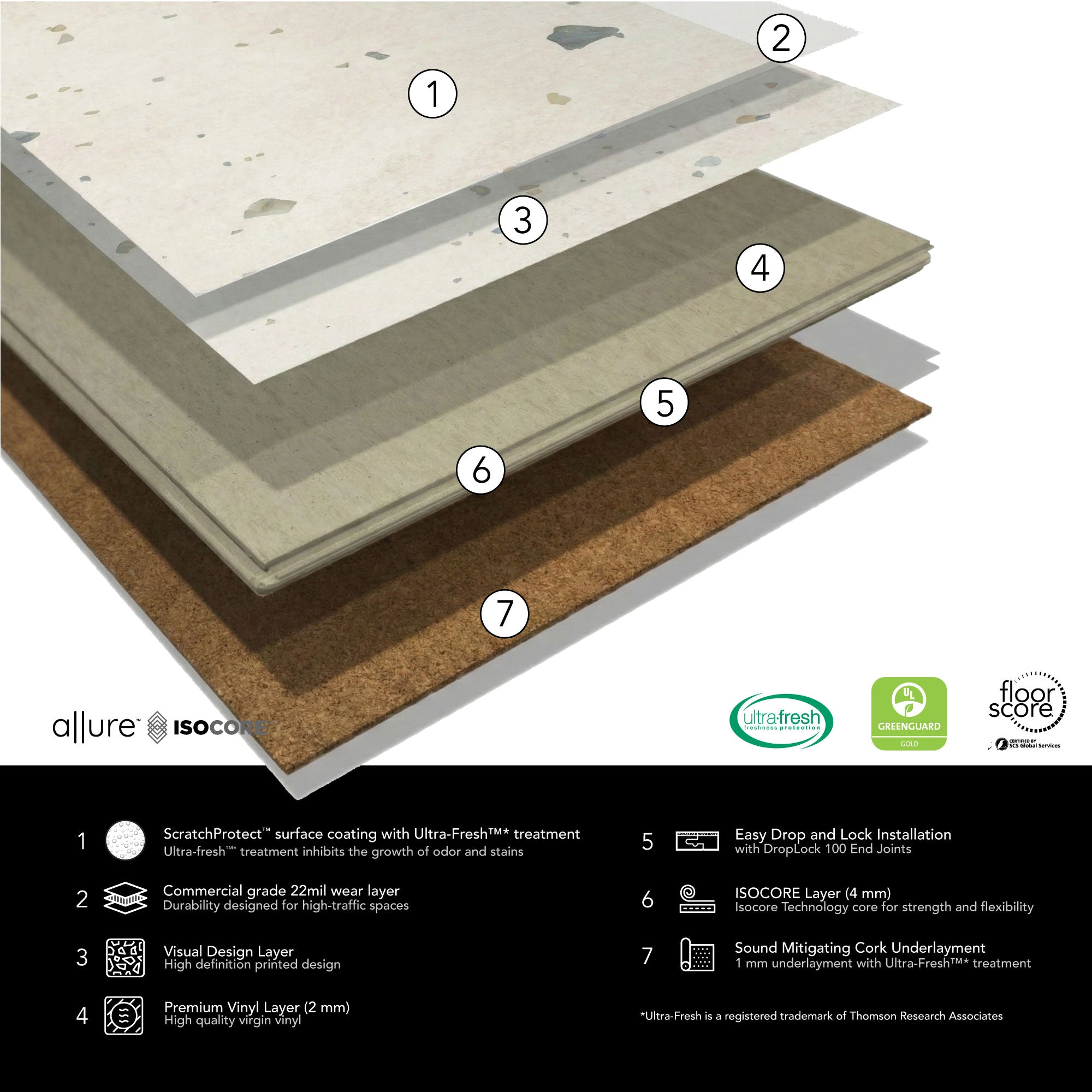
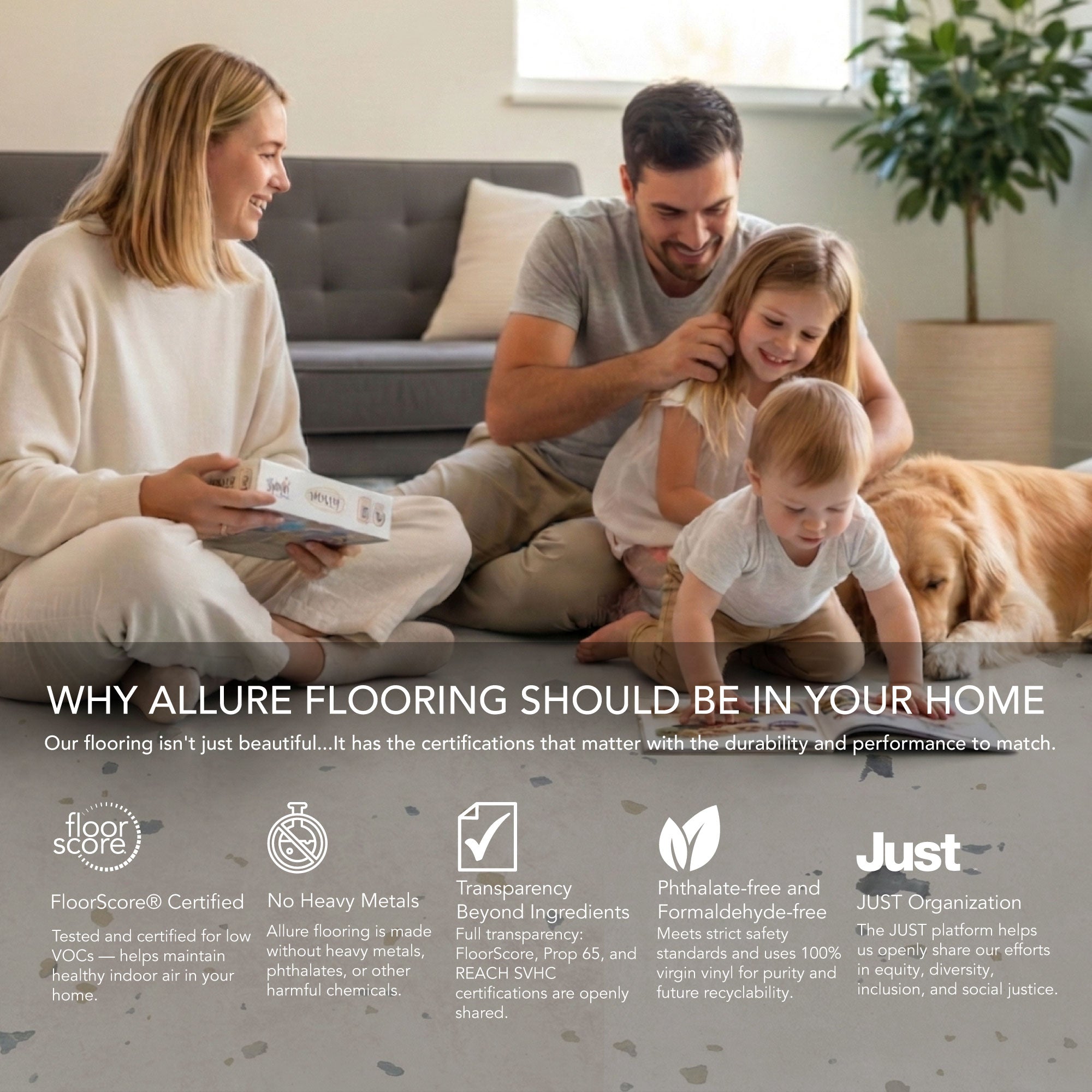
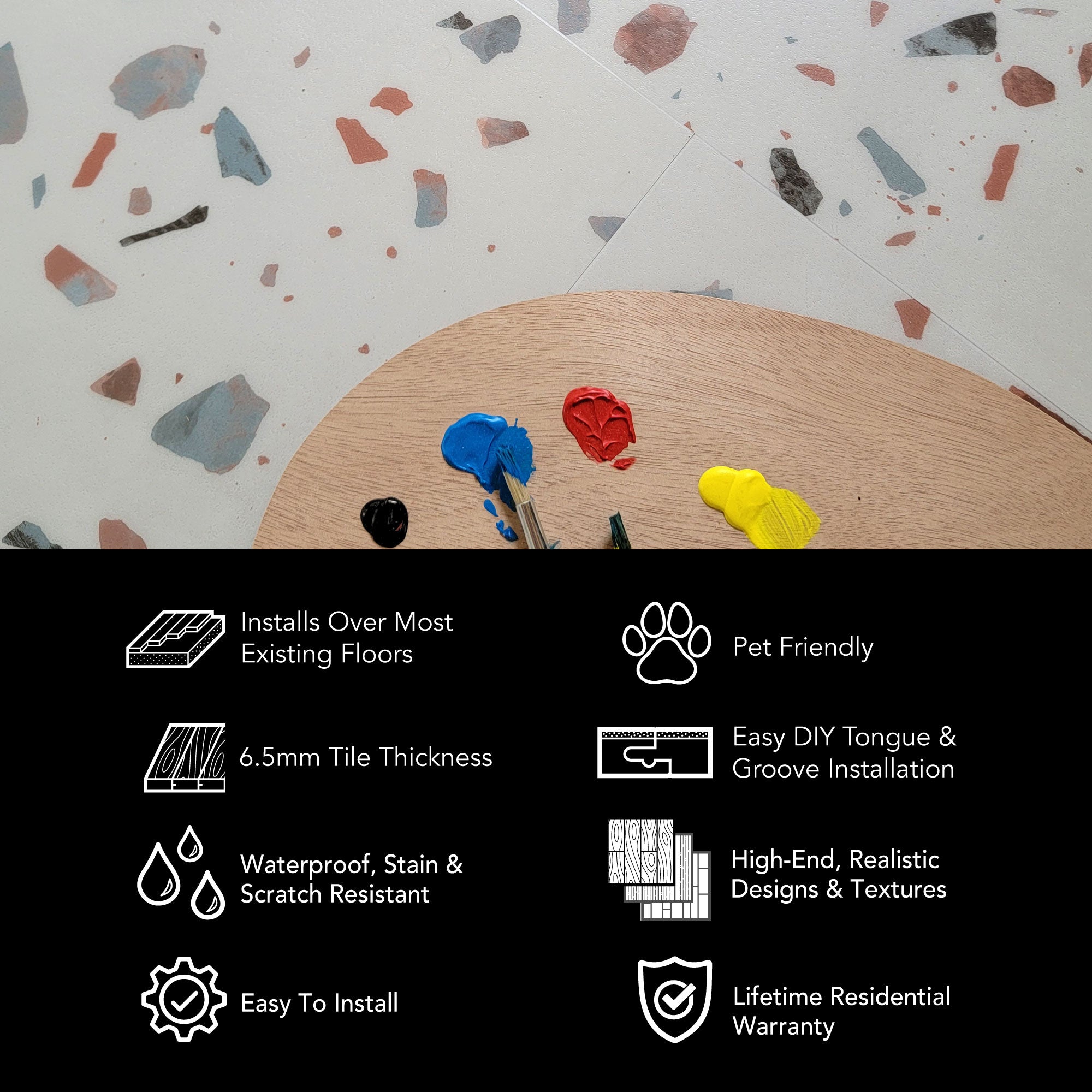
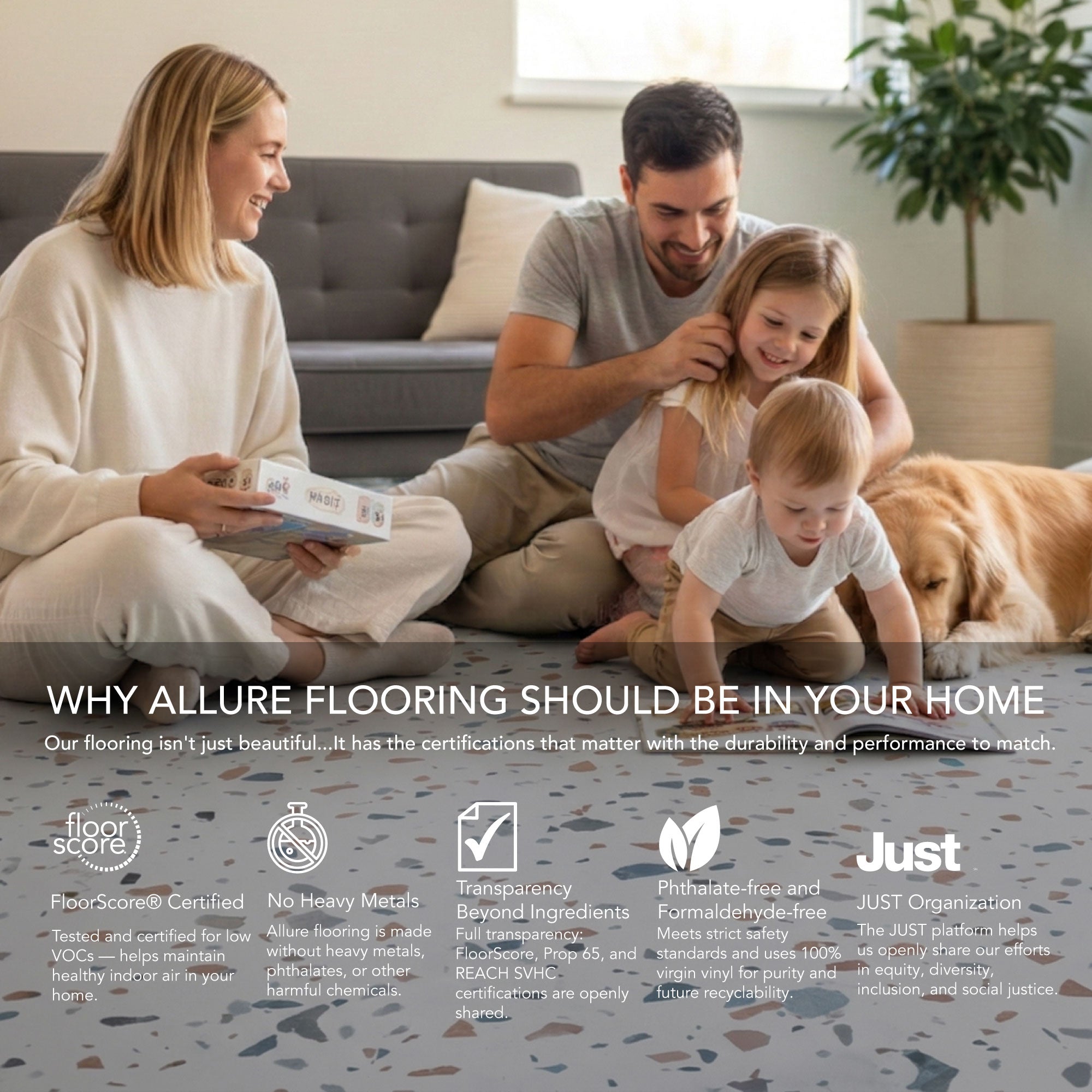
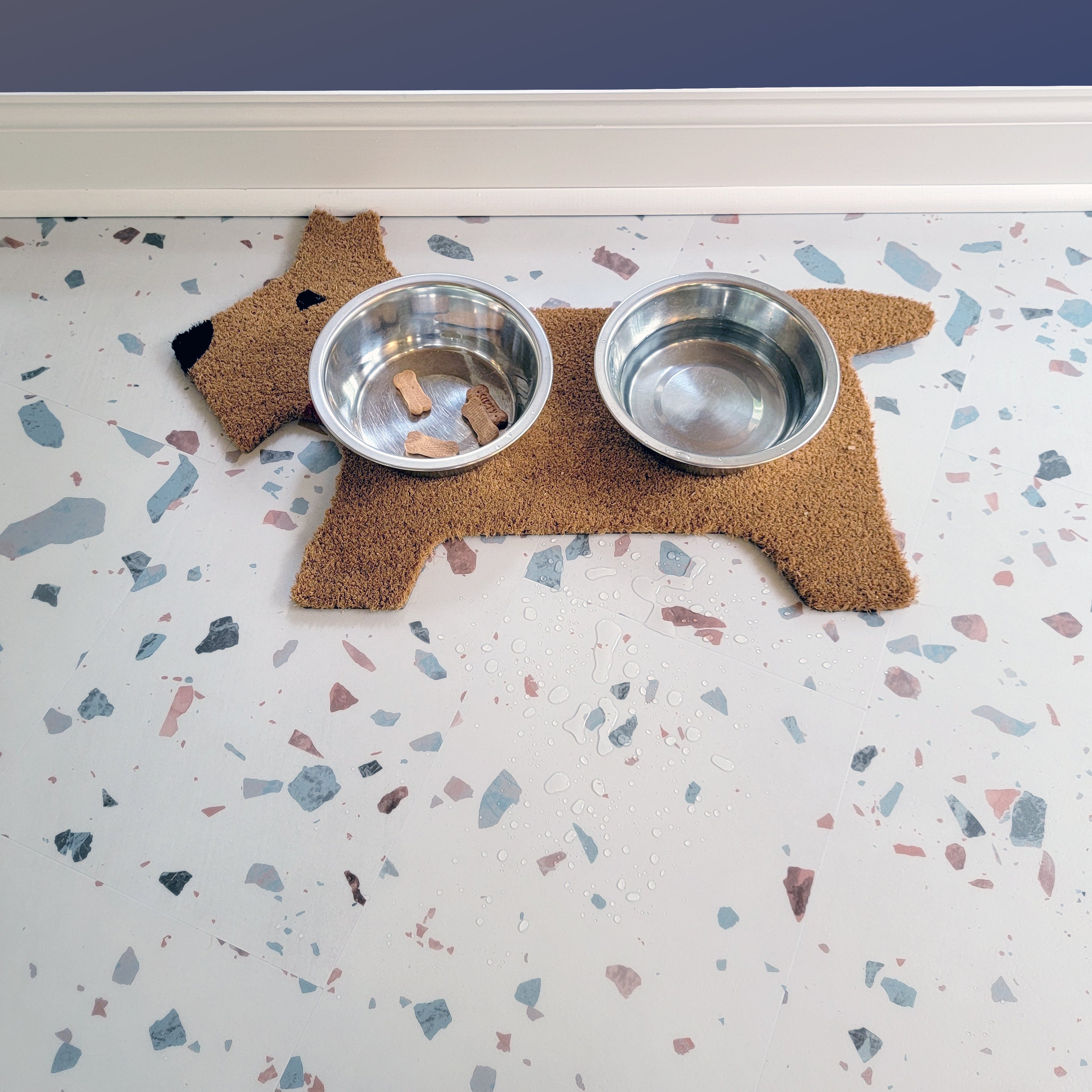
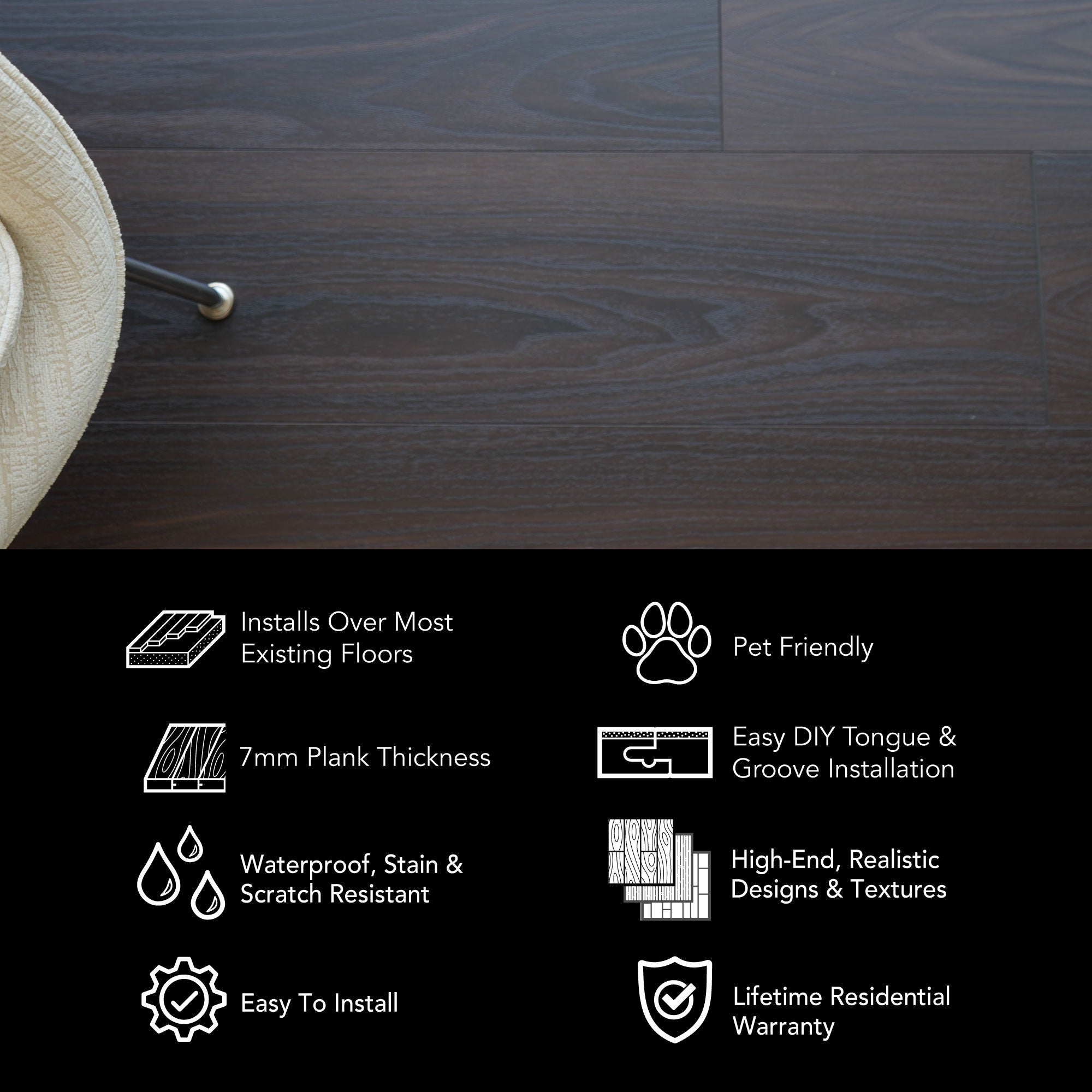
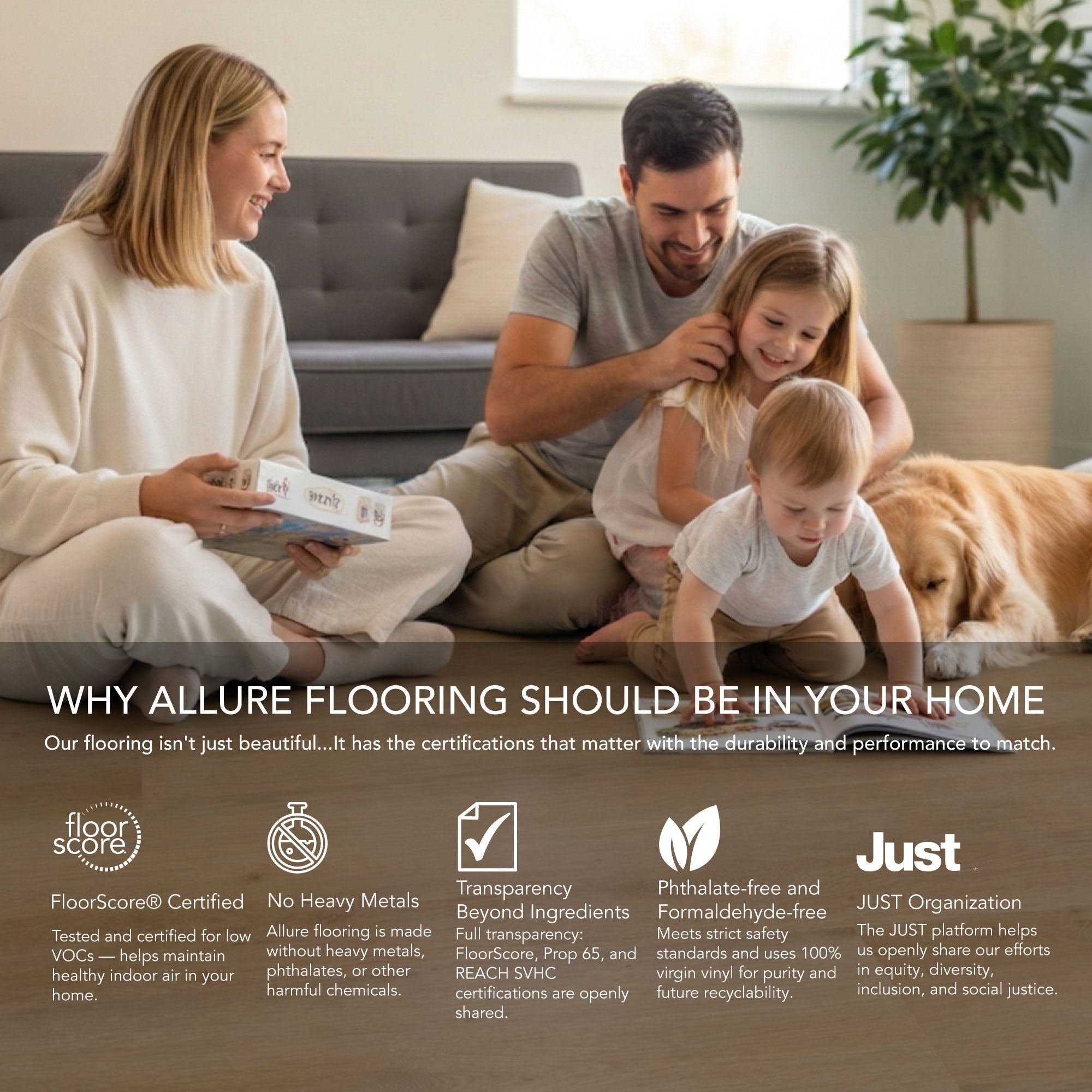
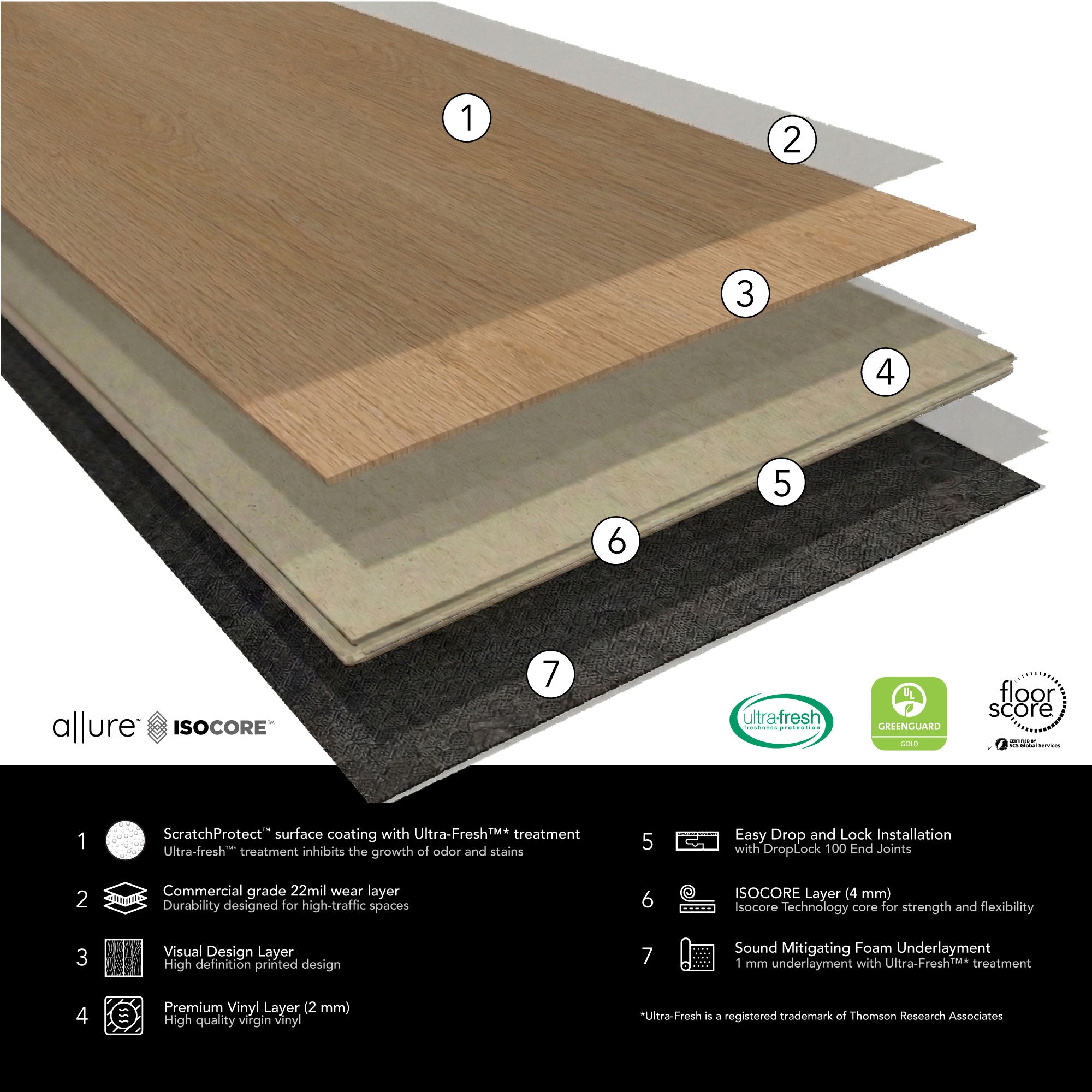
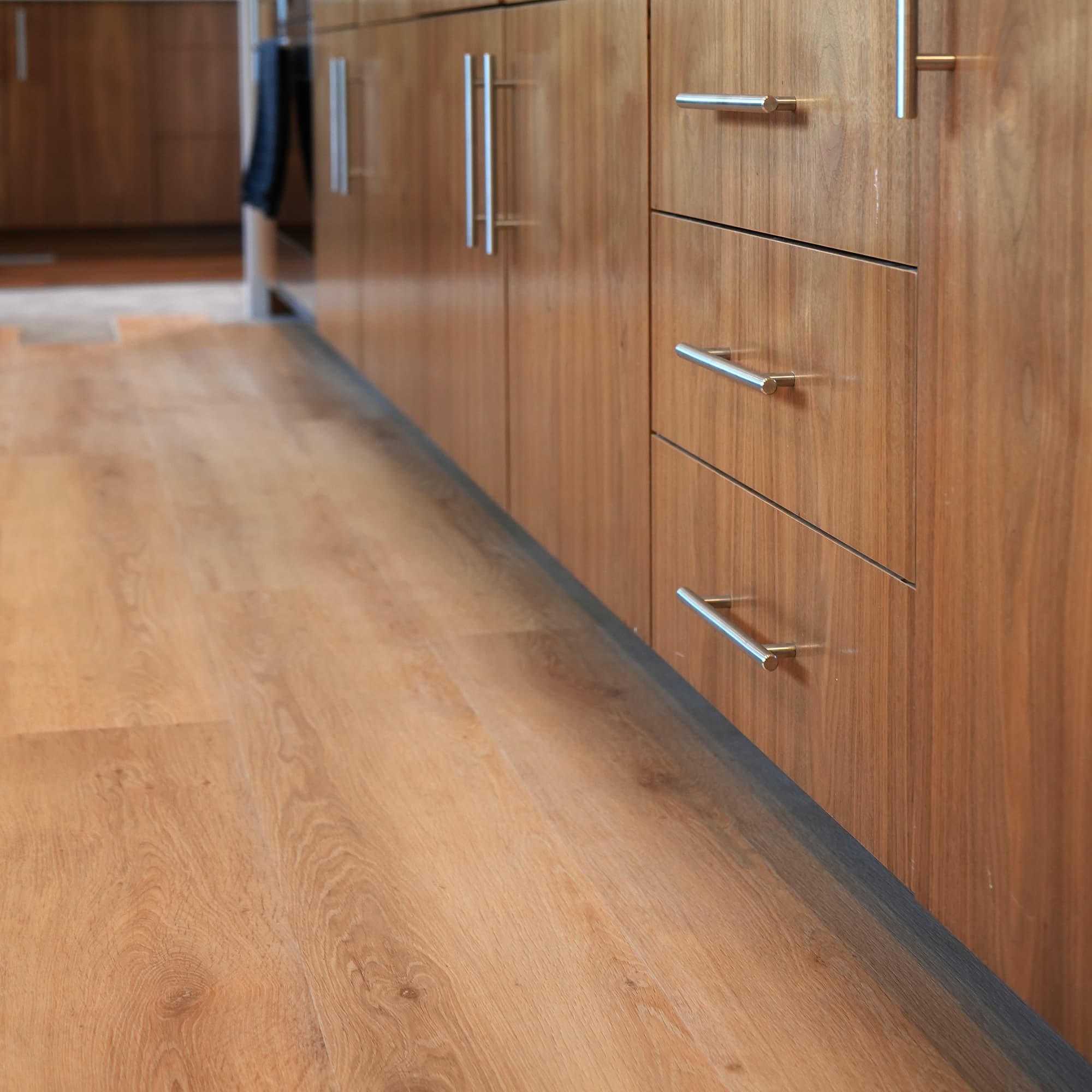
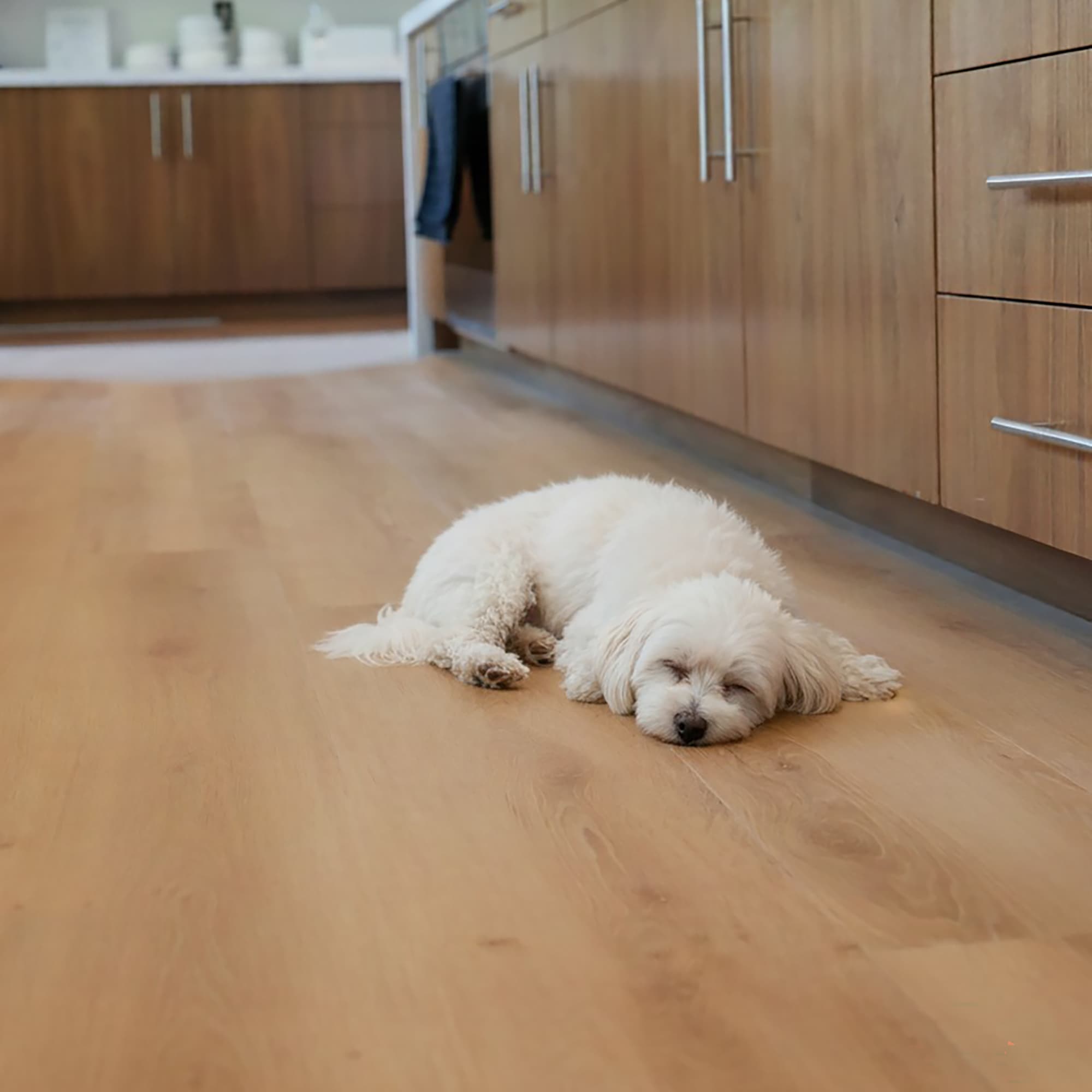
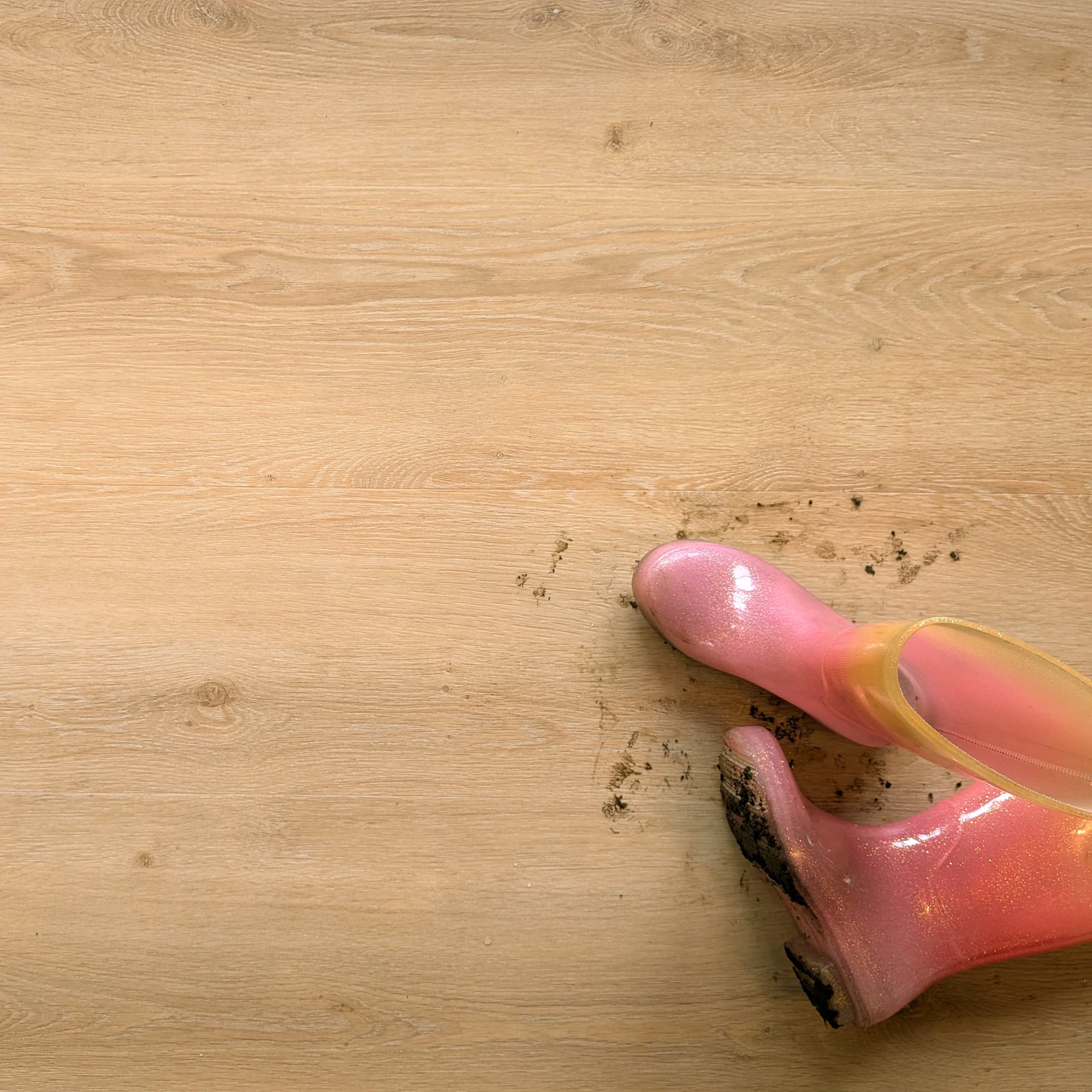
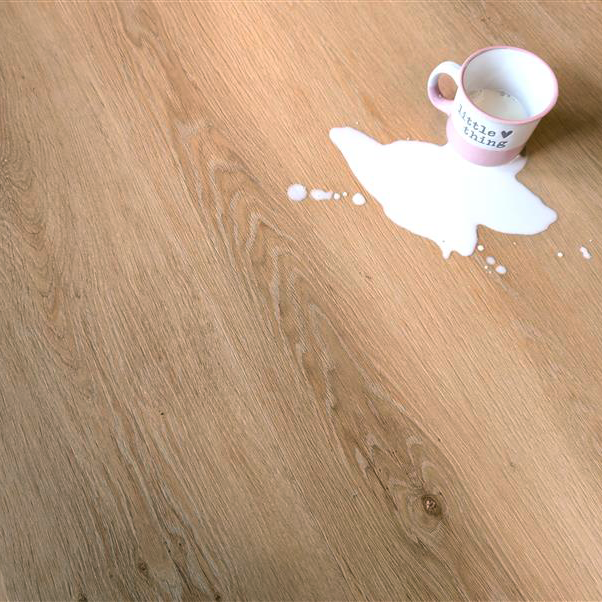
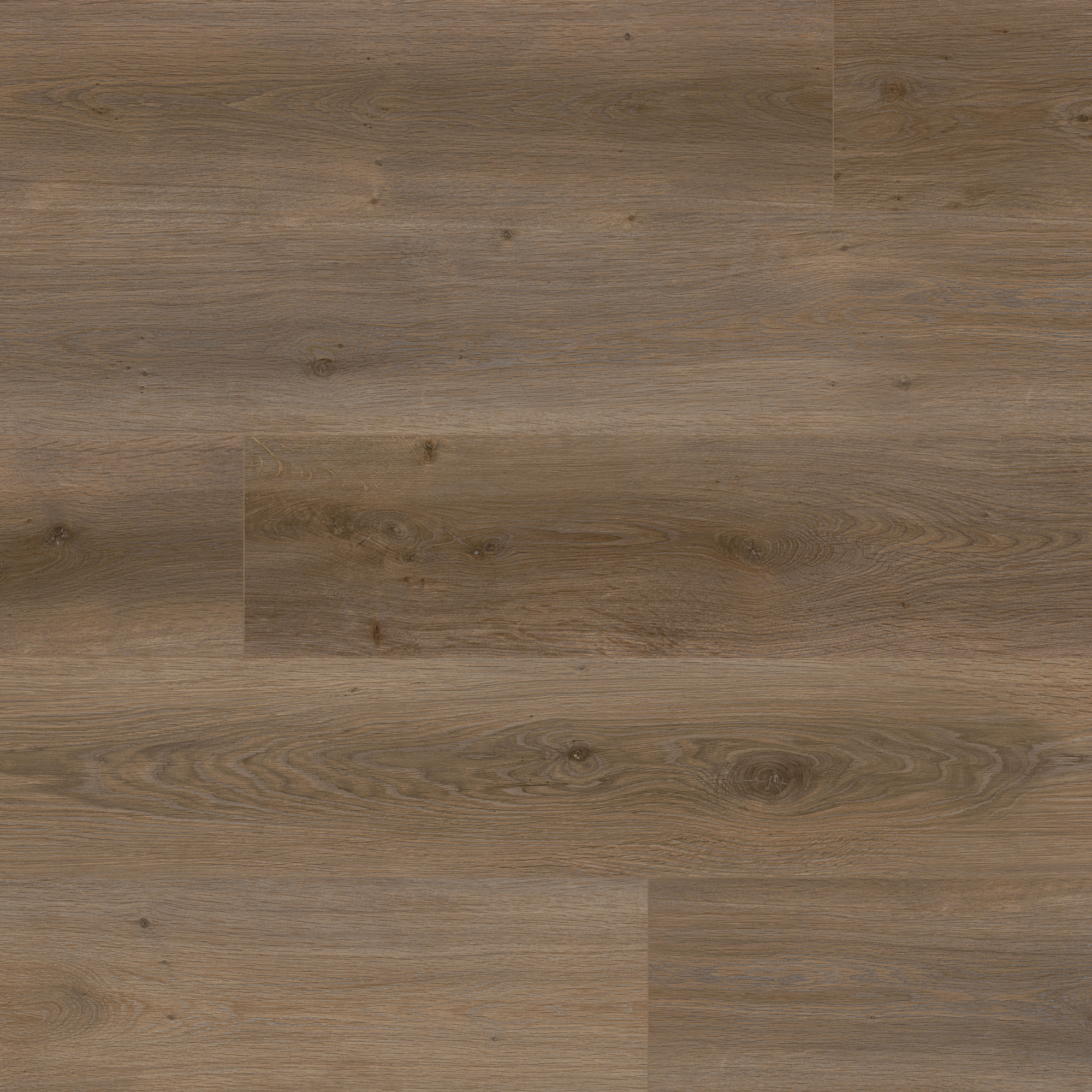
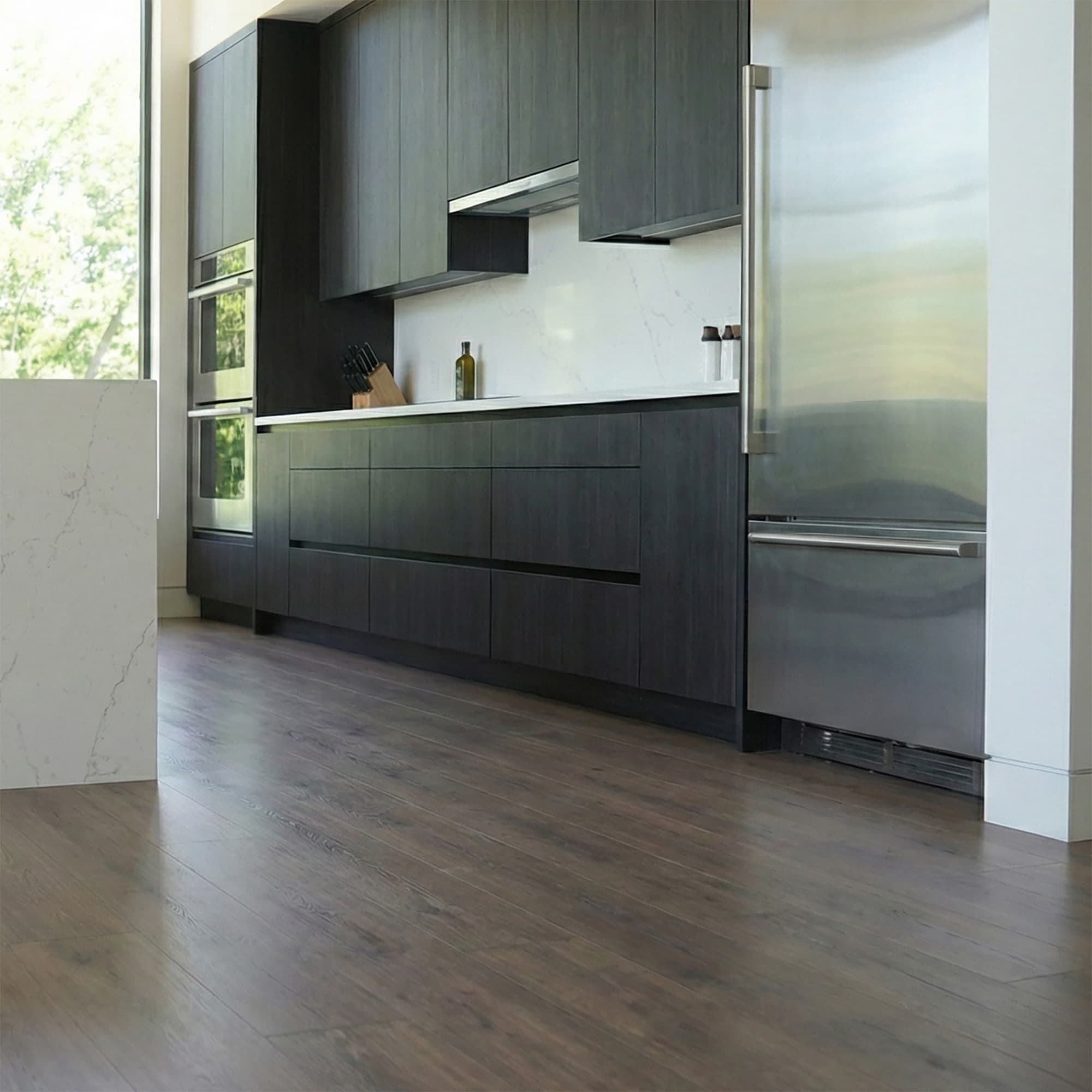
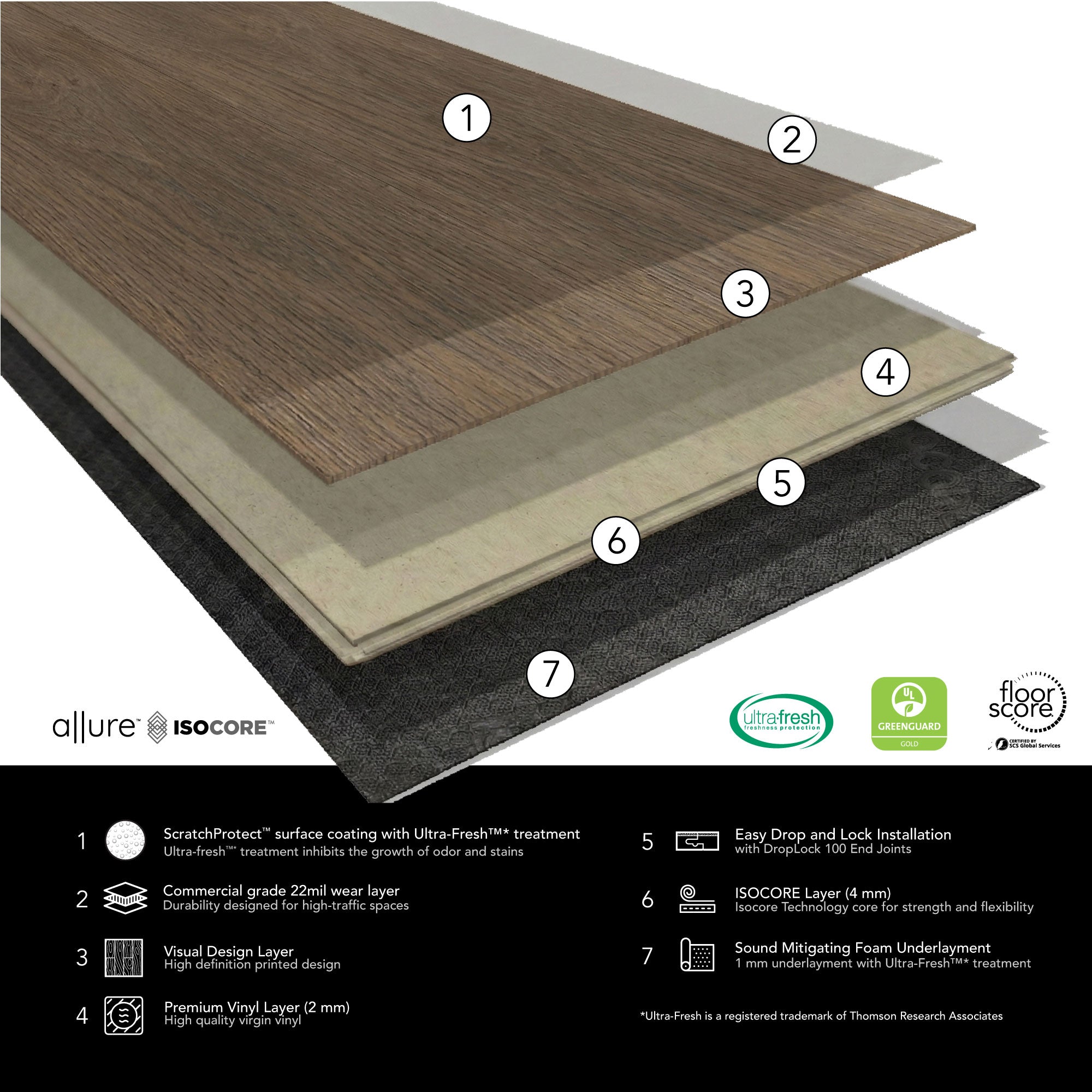
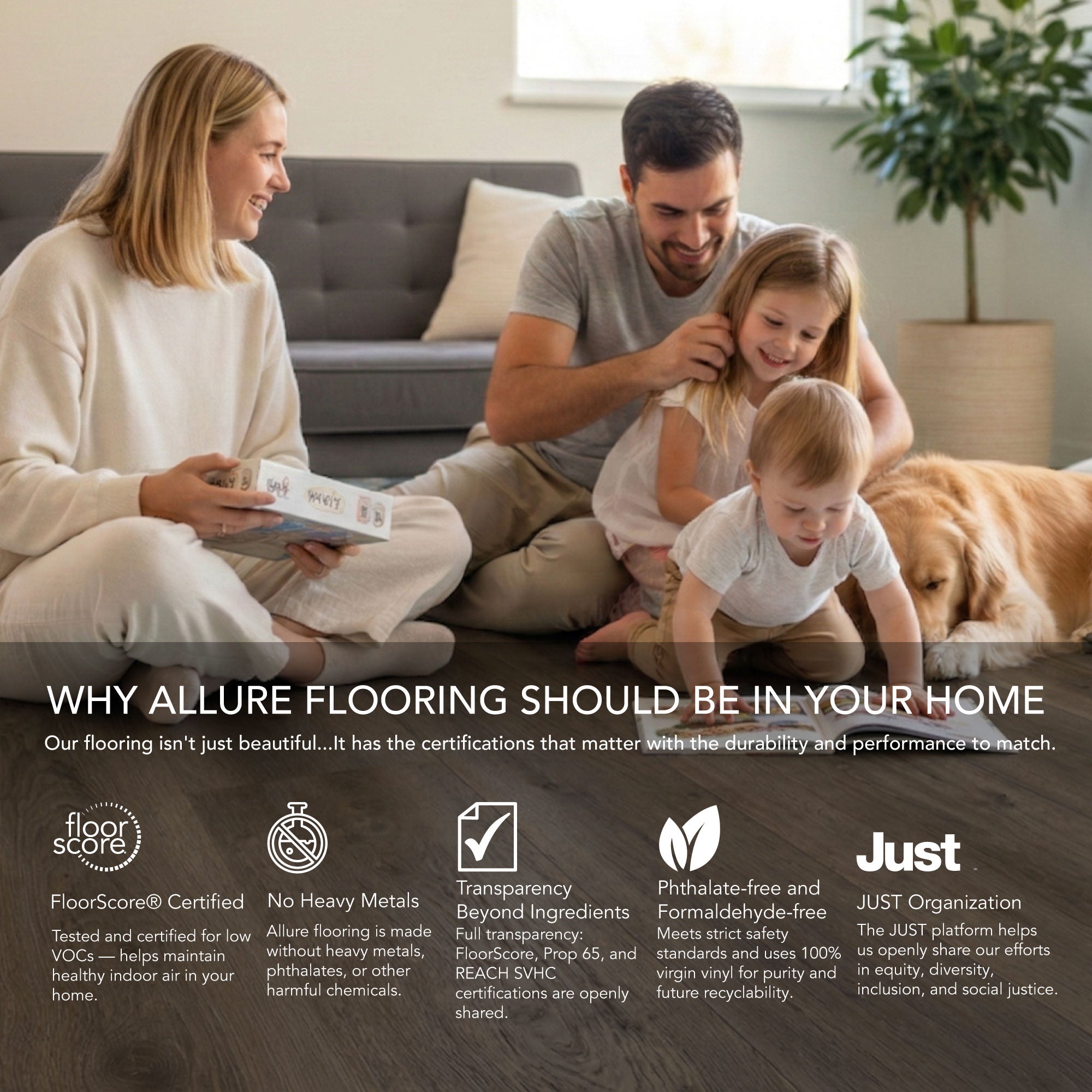
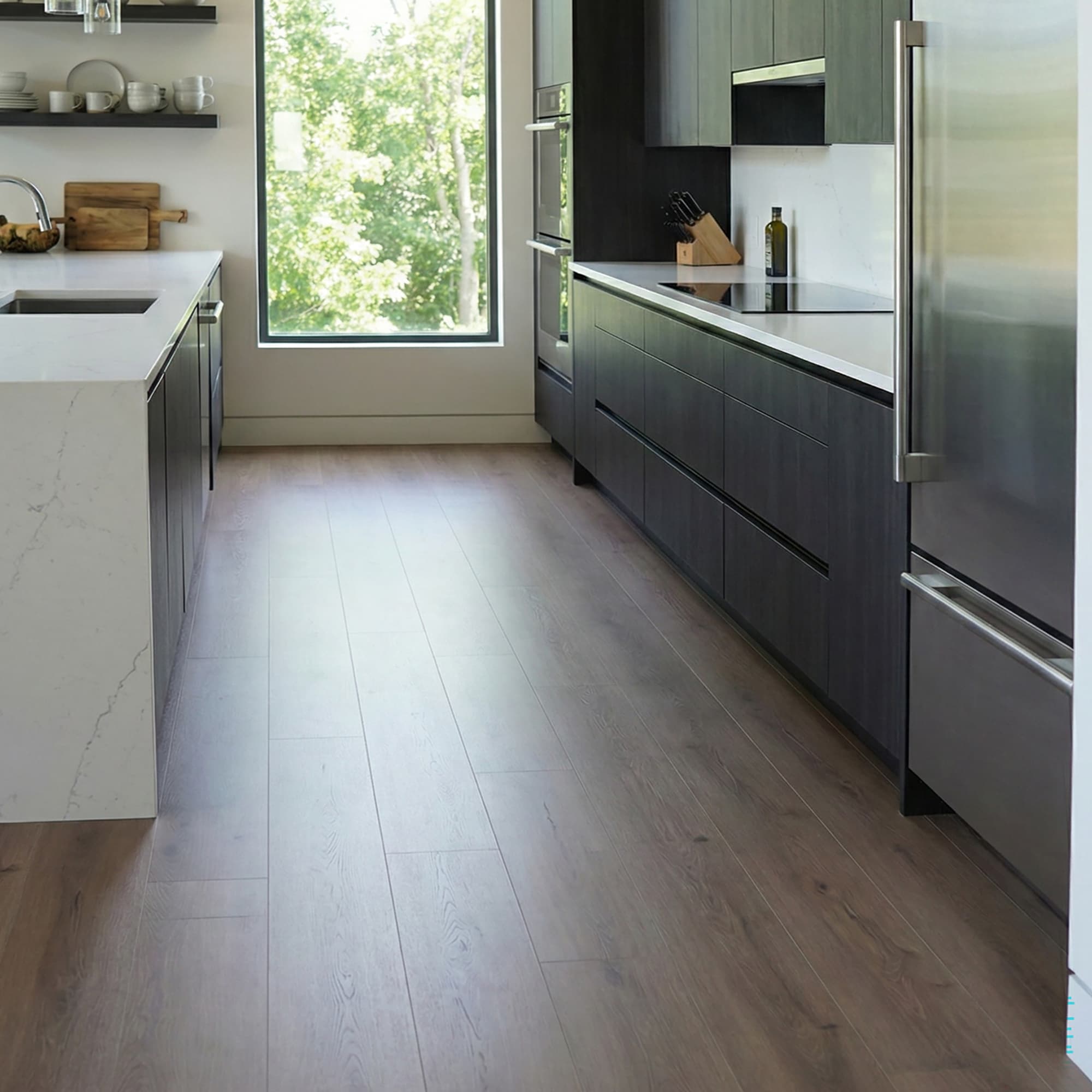
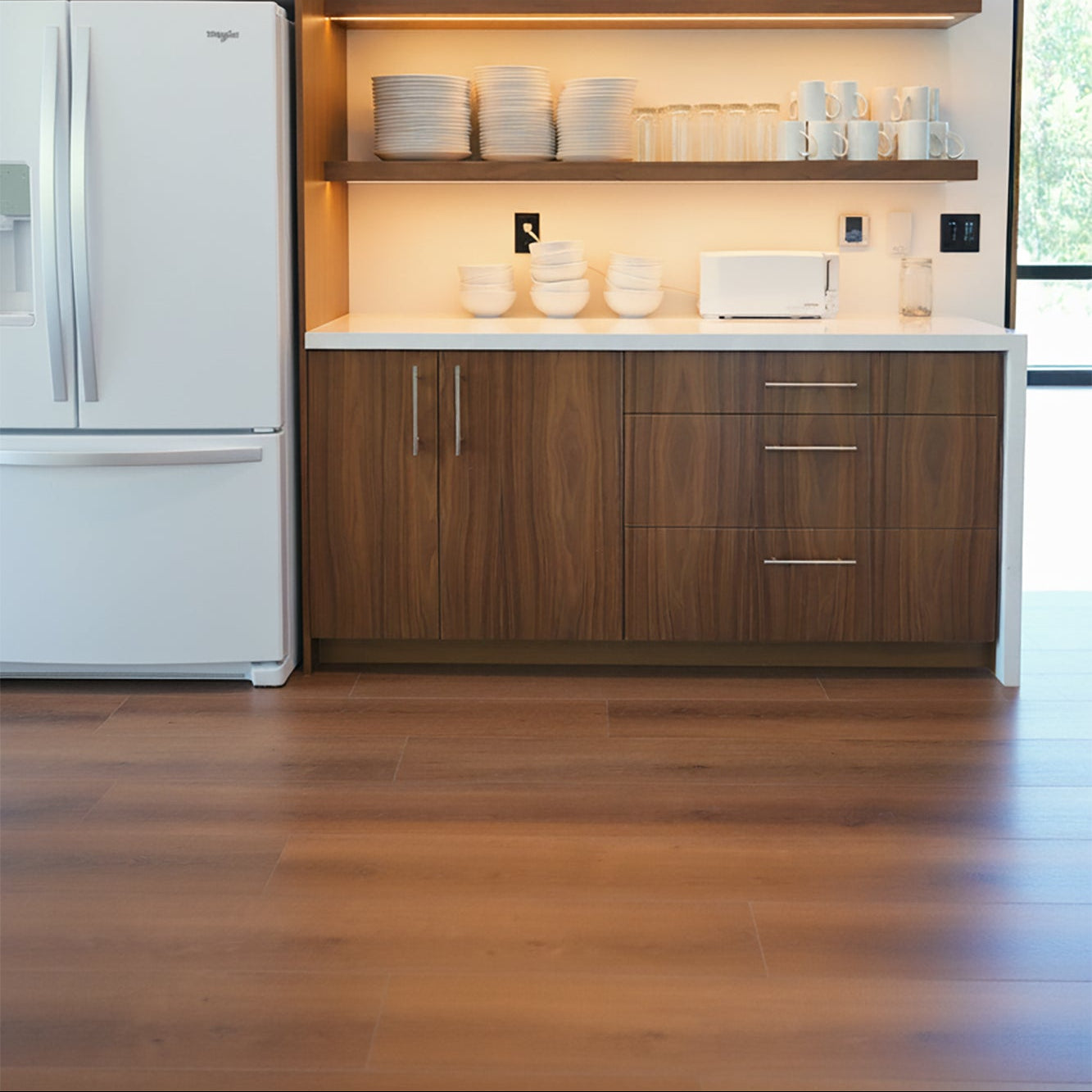
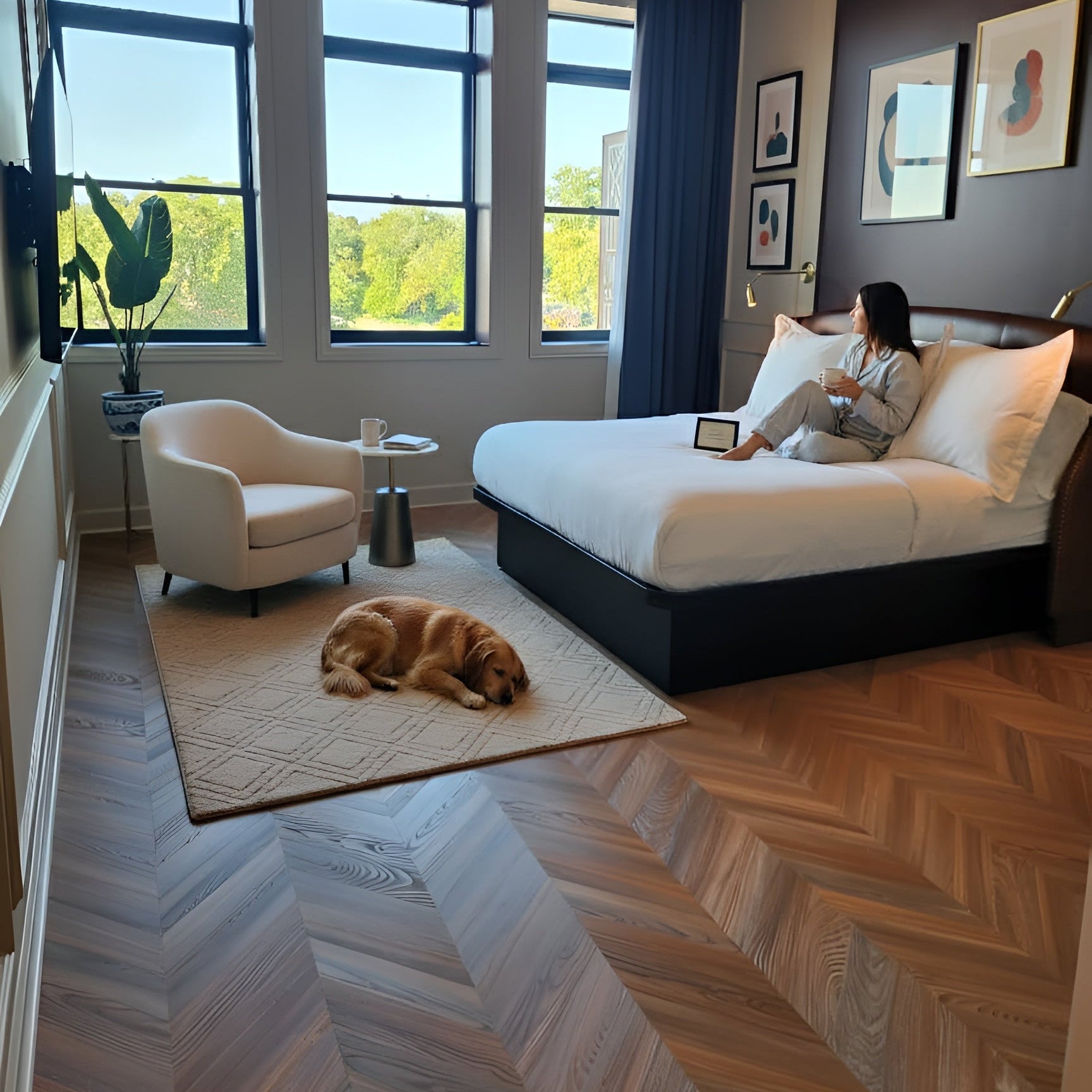
Our collection of click lock vinyl flooring combines style, durability, and easy installation in one high-performance flooring solution. Each plank or tile is engineered with a rigid core construction that helps resist dents, scratches, and everyday wear, making it a great choice for busy households, pets, and high-traffic areas. Many options also feature waterproof construction, which means they can be installed confidently in kitchens, bathrooms, basements, and laundry rooms.
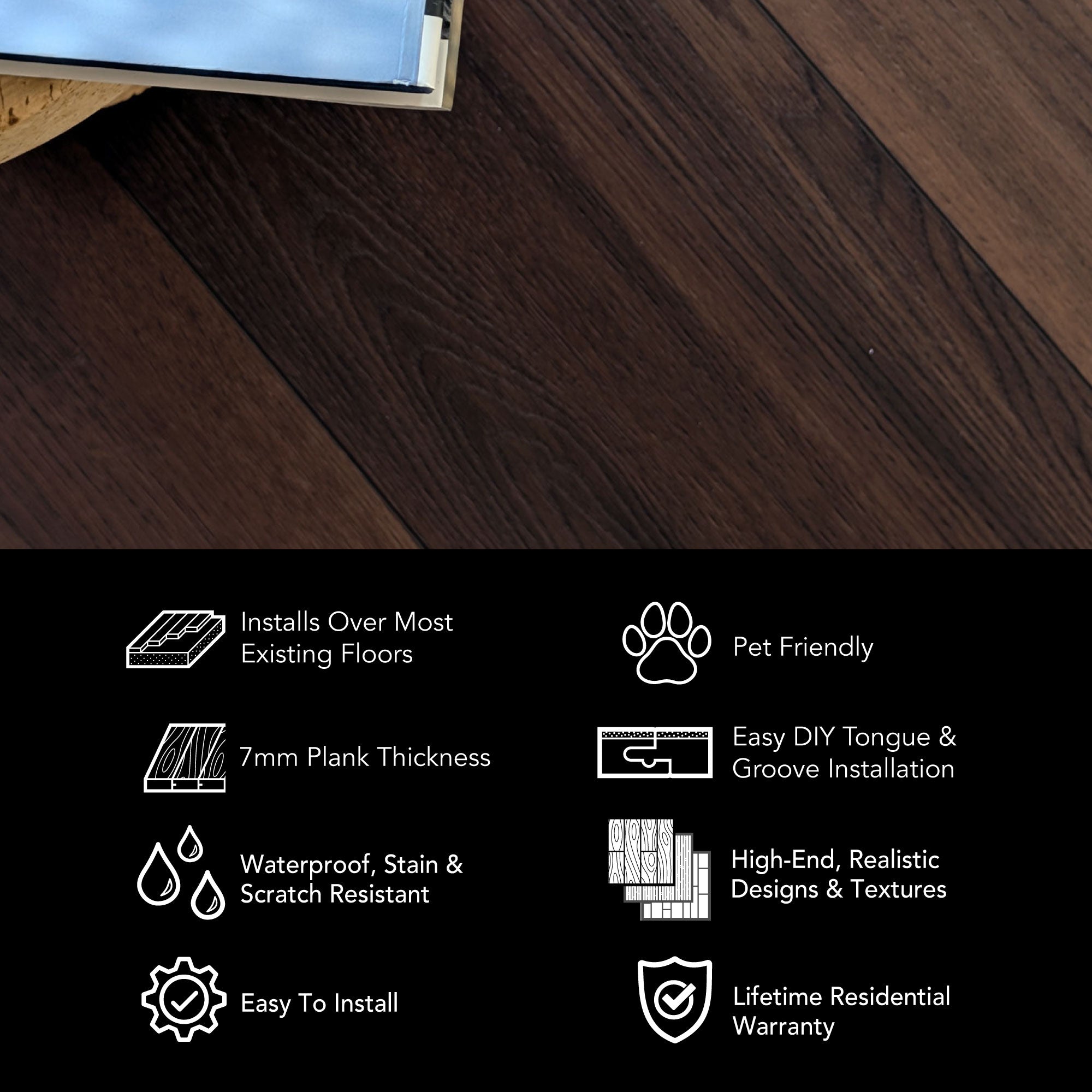
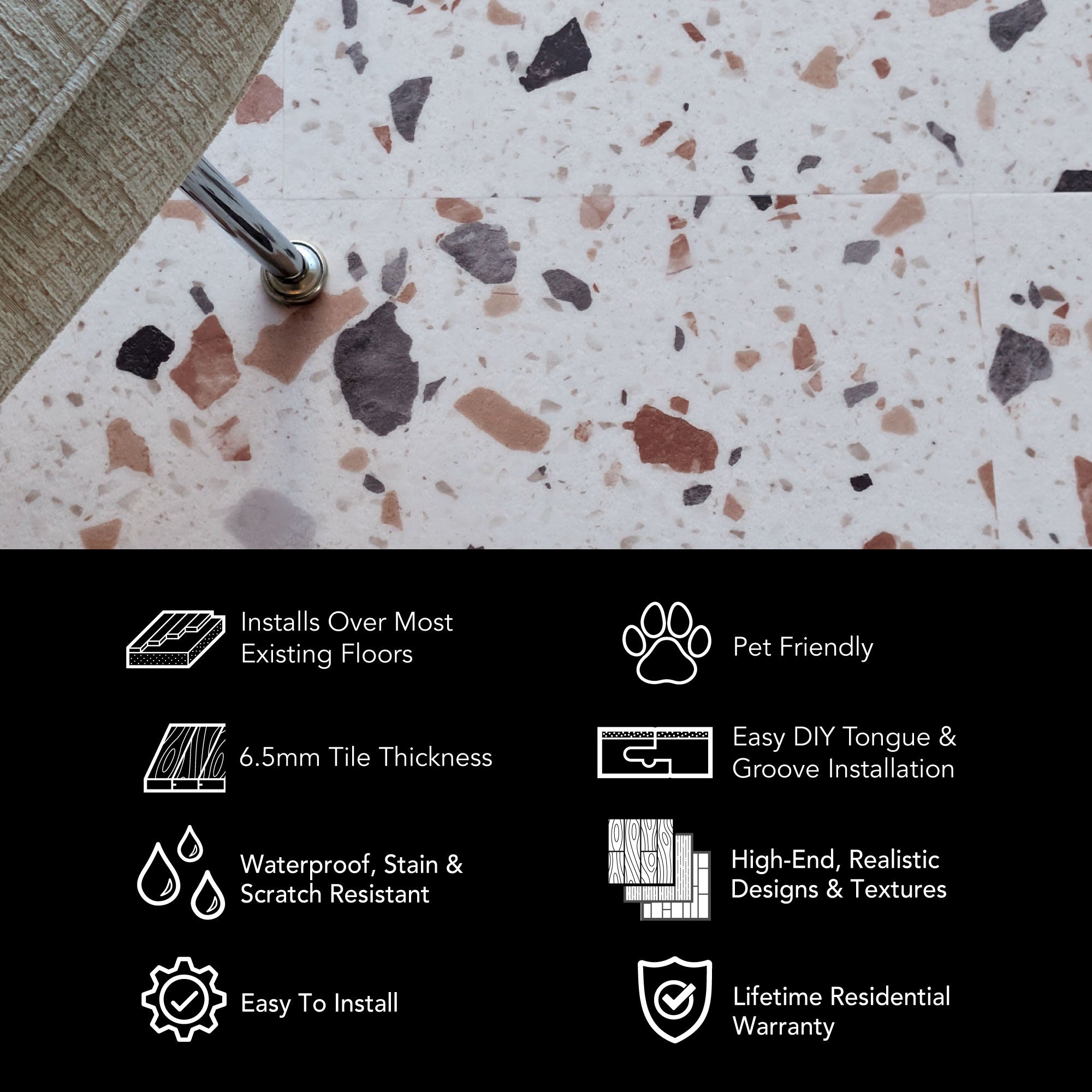
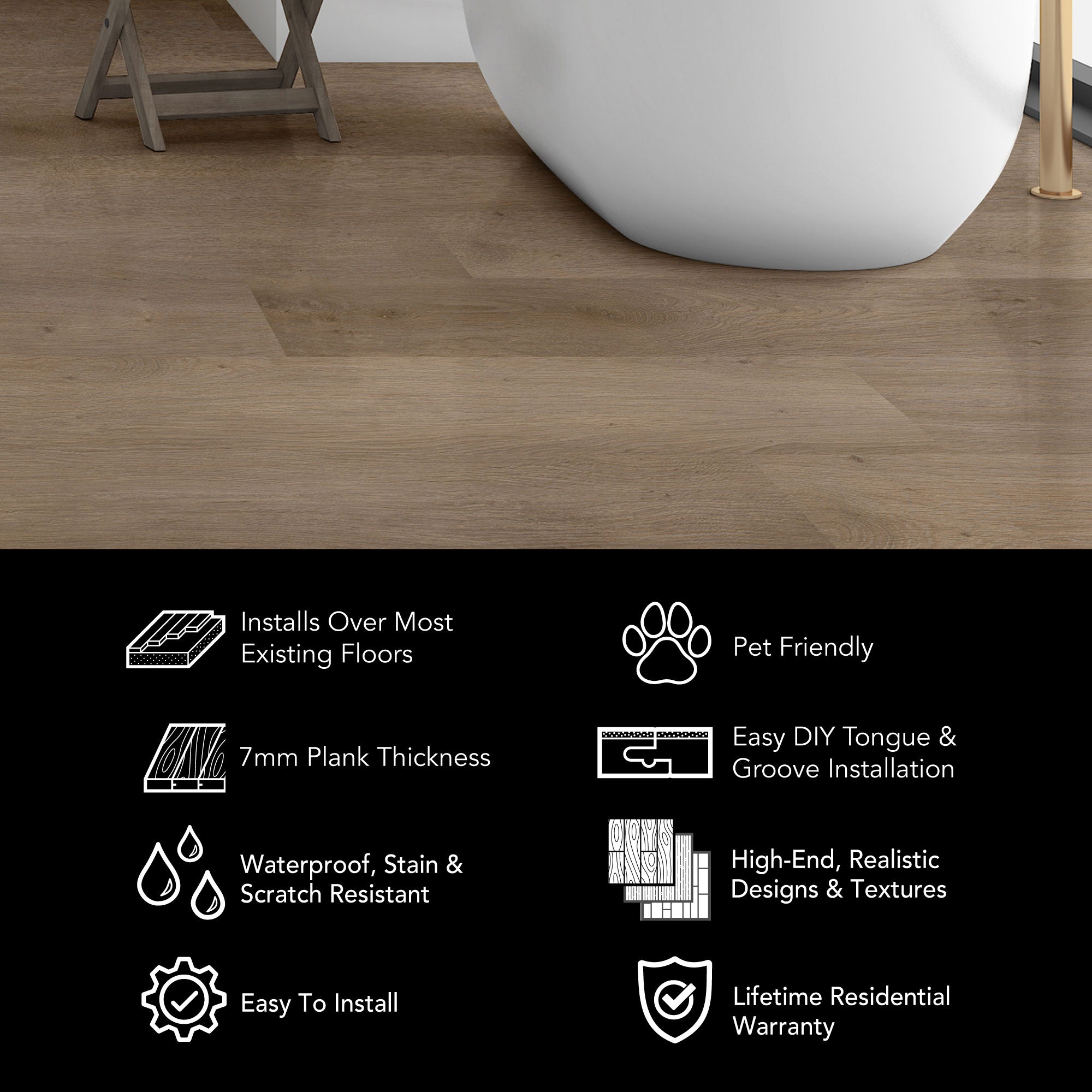
Another major advantage of click lock flooring is its versatility. Because the planks lock together and float above the subfloor, they can often be installed over existing surfaces such as tile, concrete, or wood. This can reduce installation time and make renovations much easier.
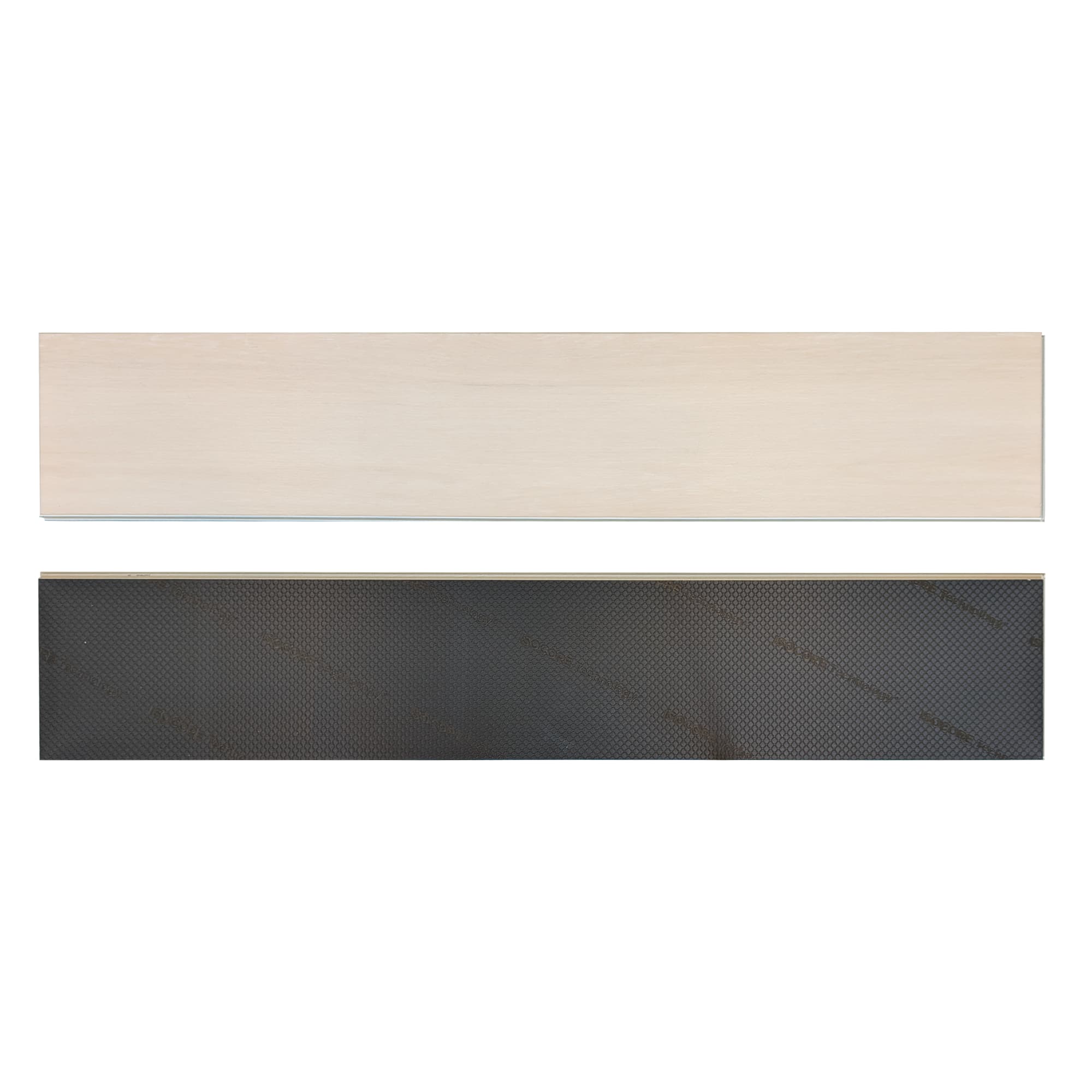
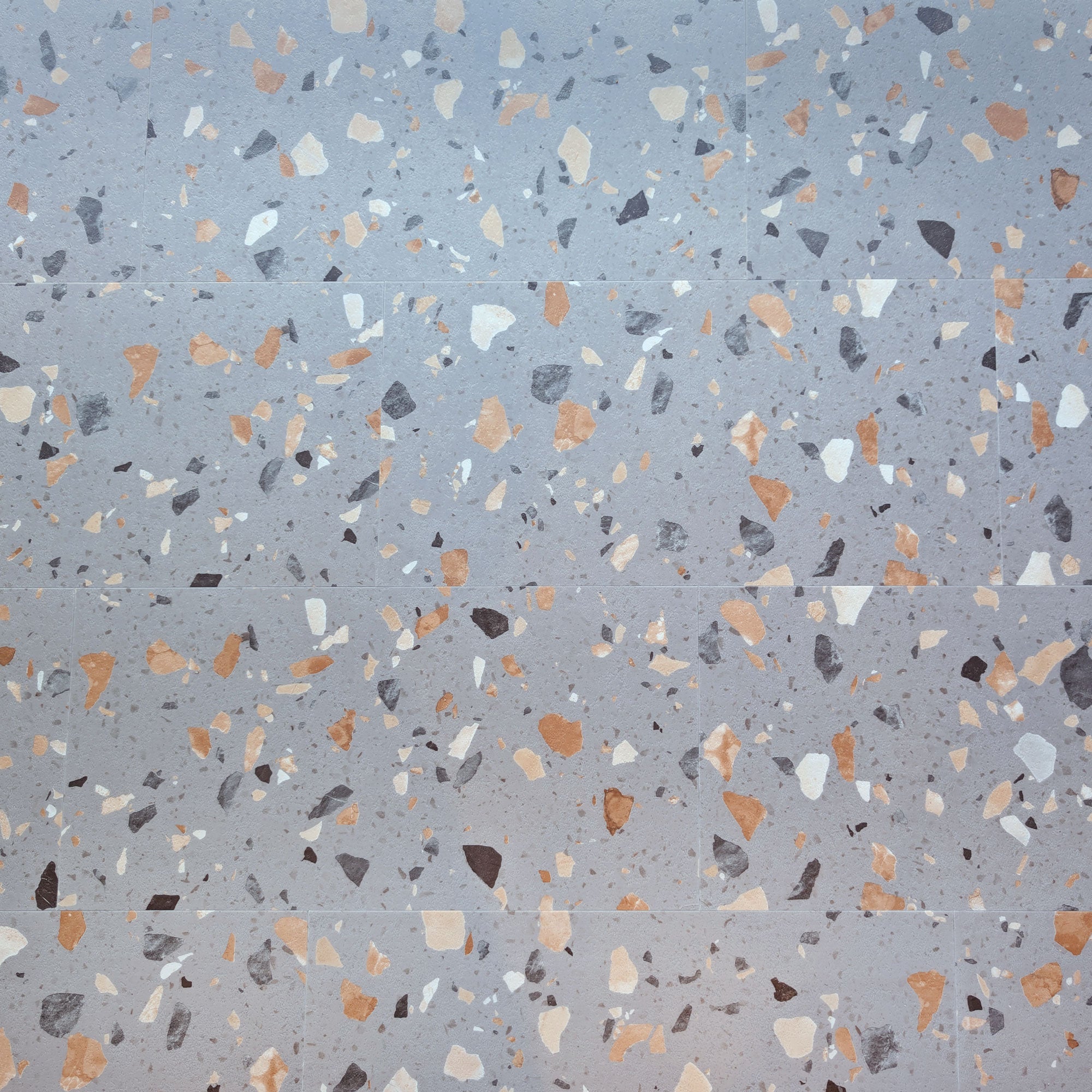
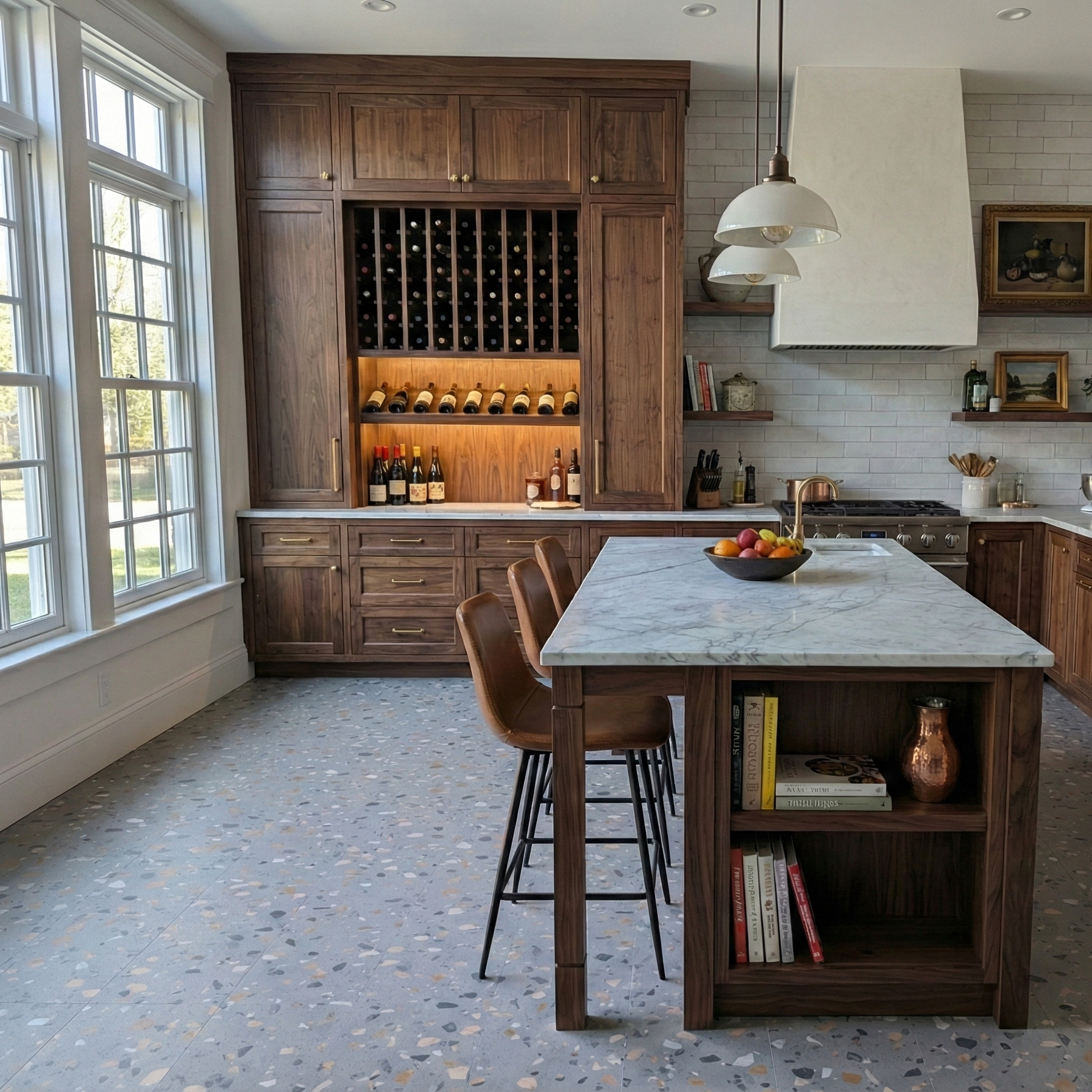
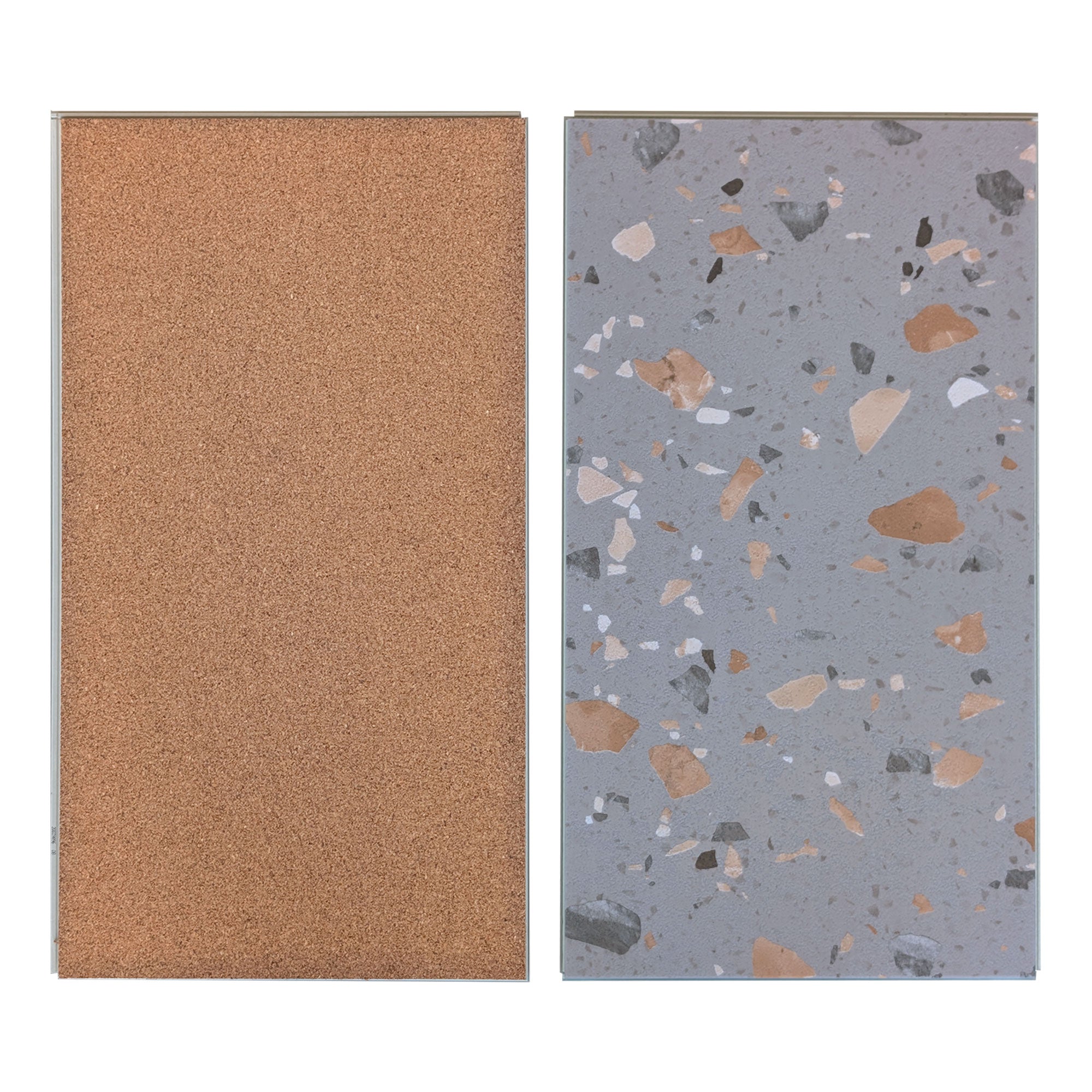
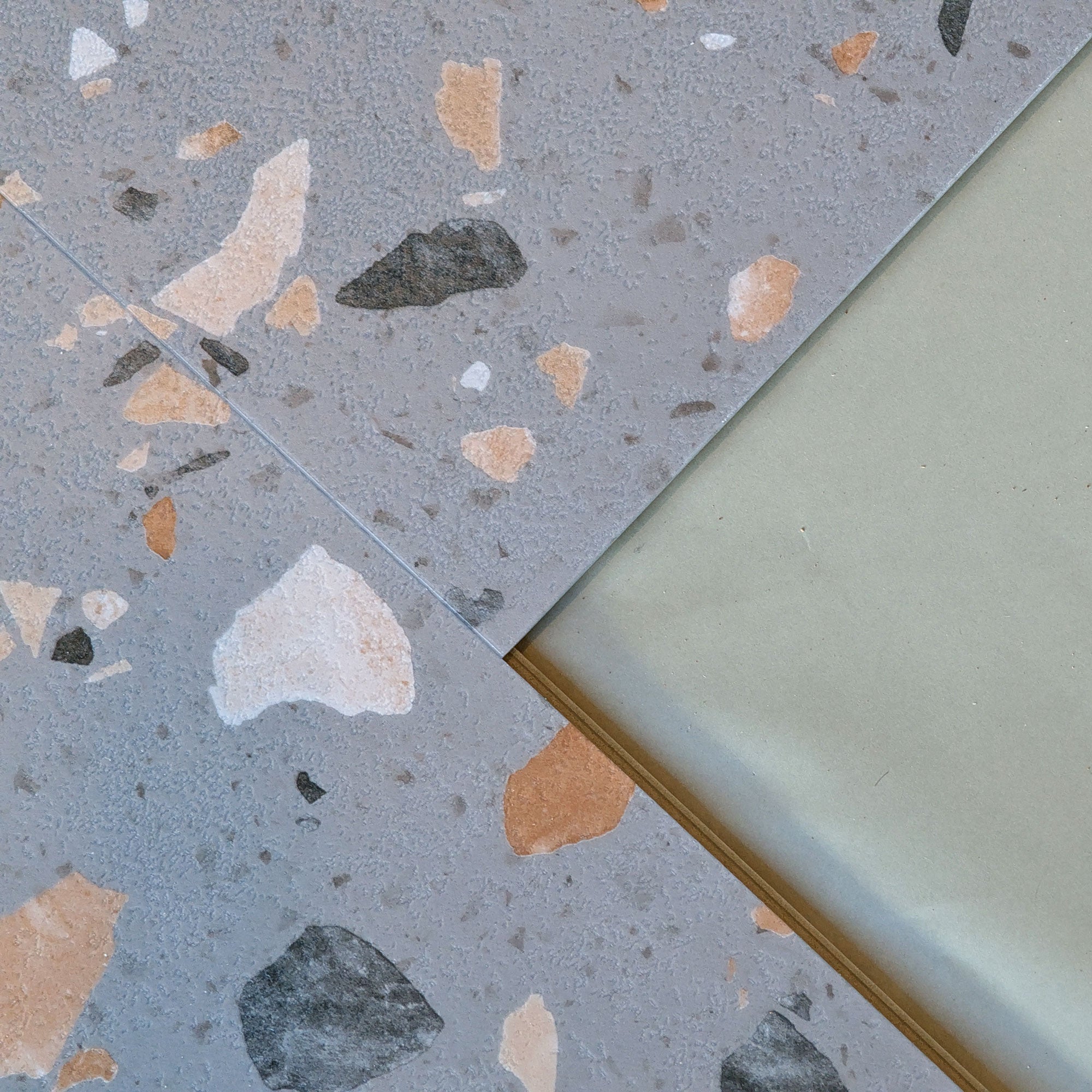
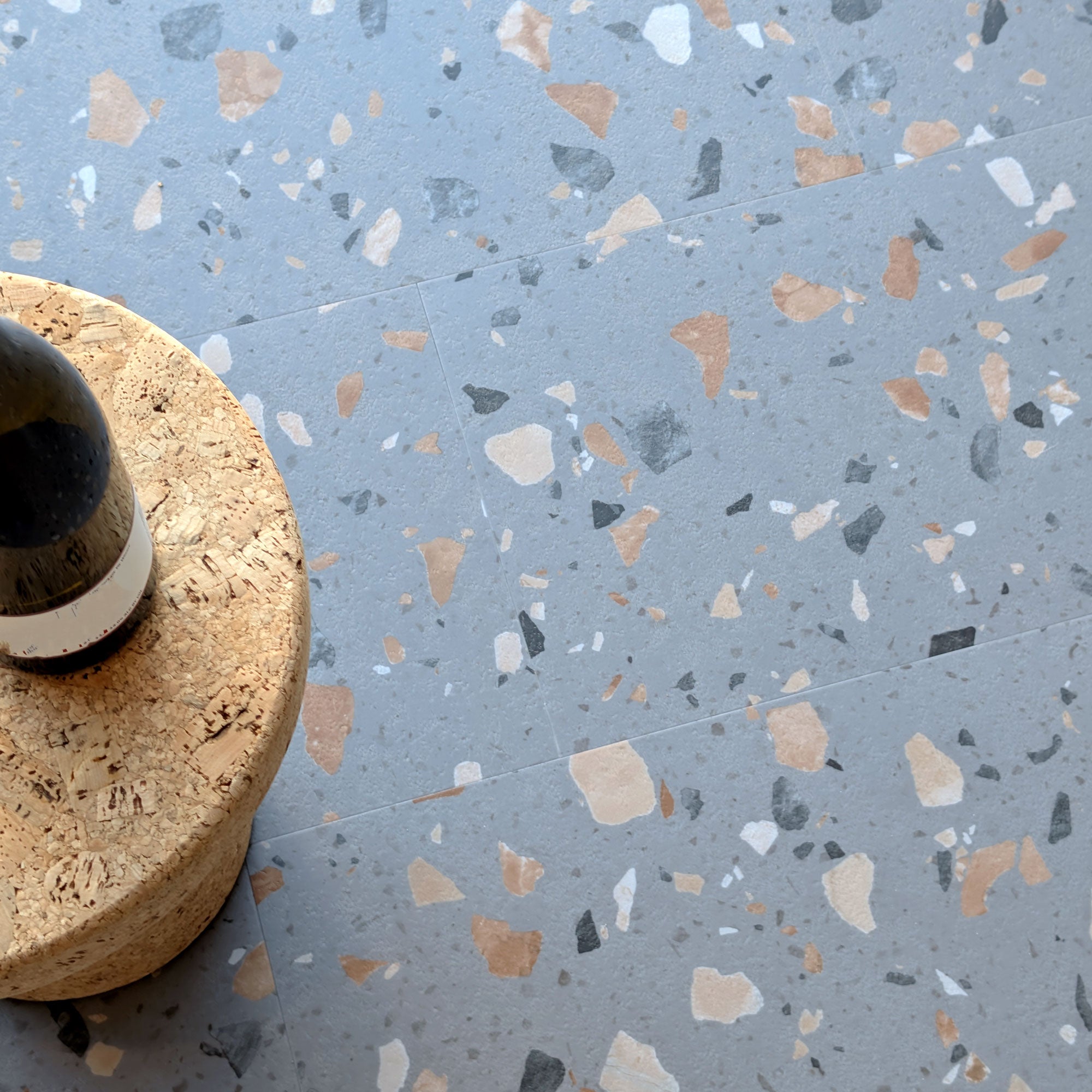
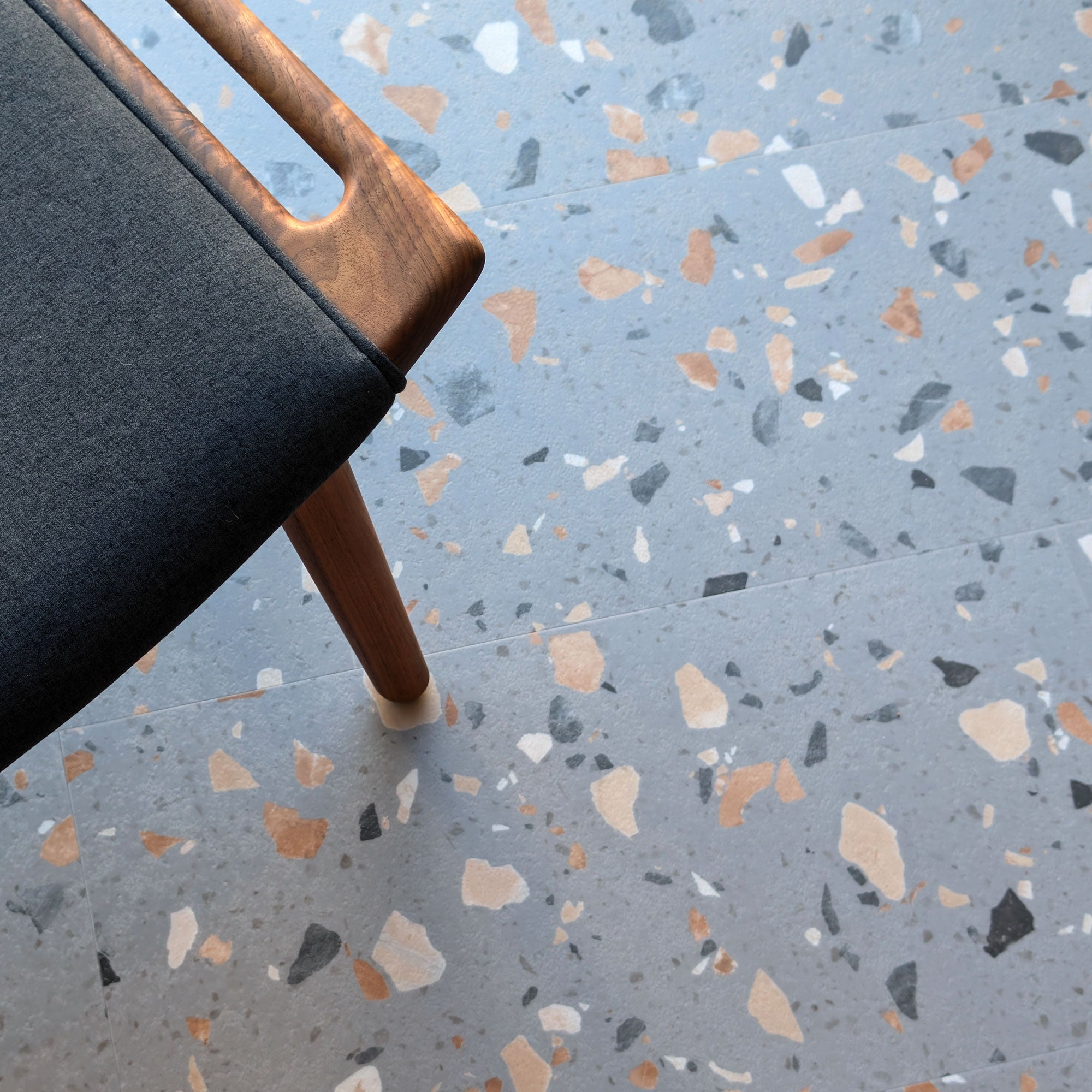
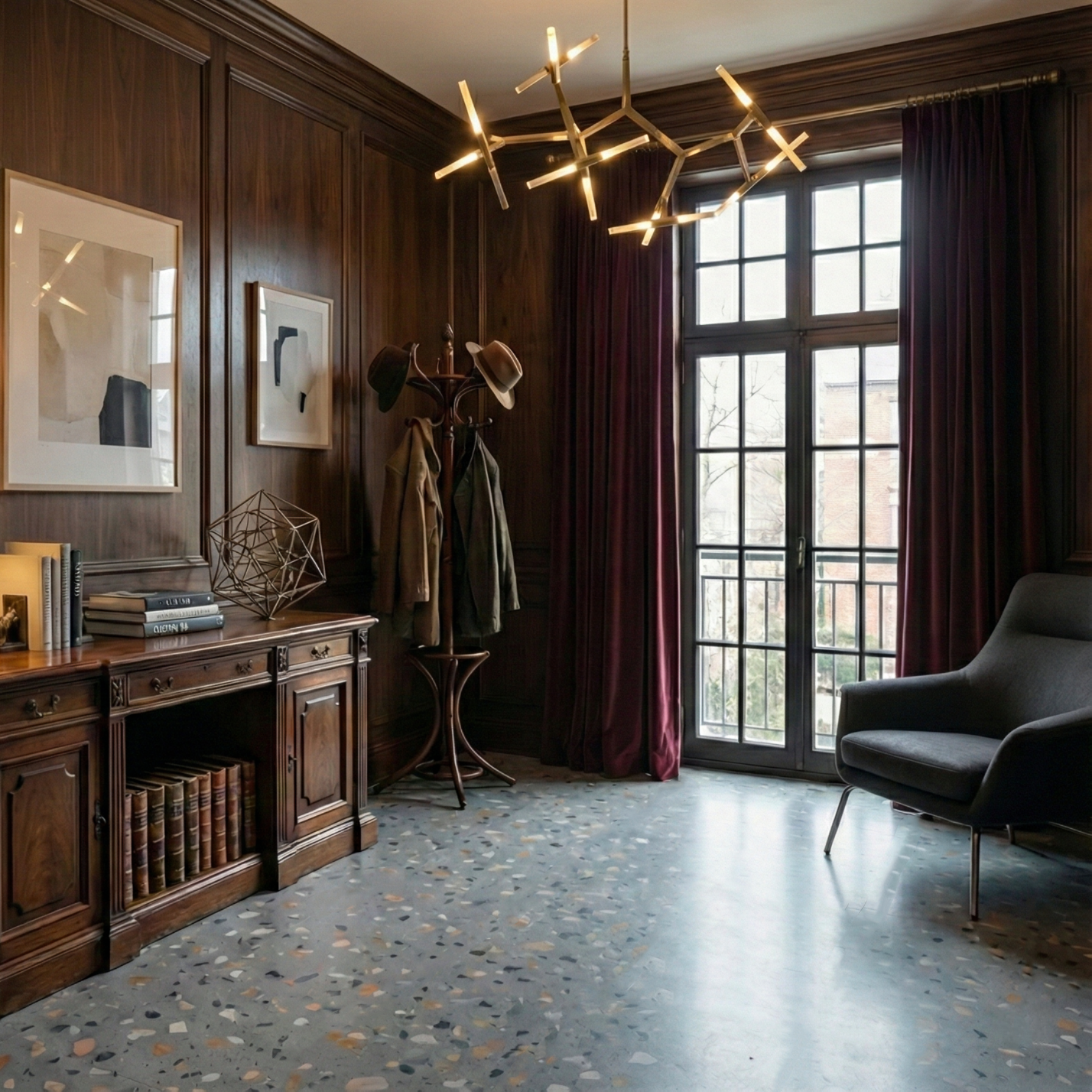
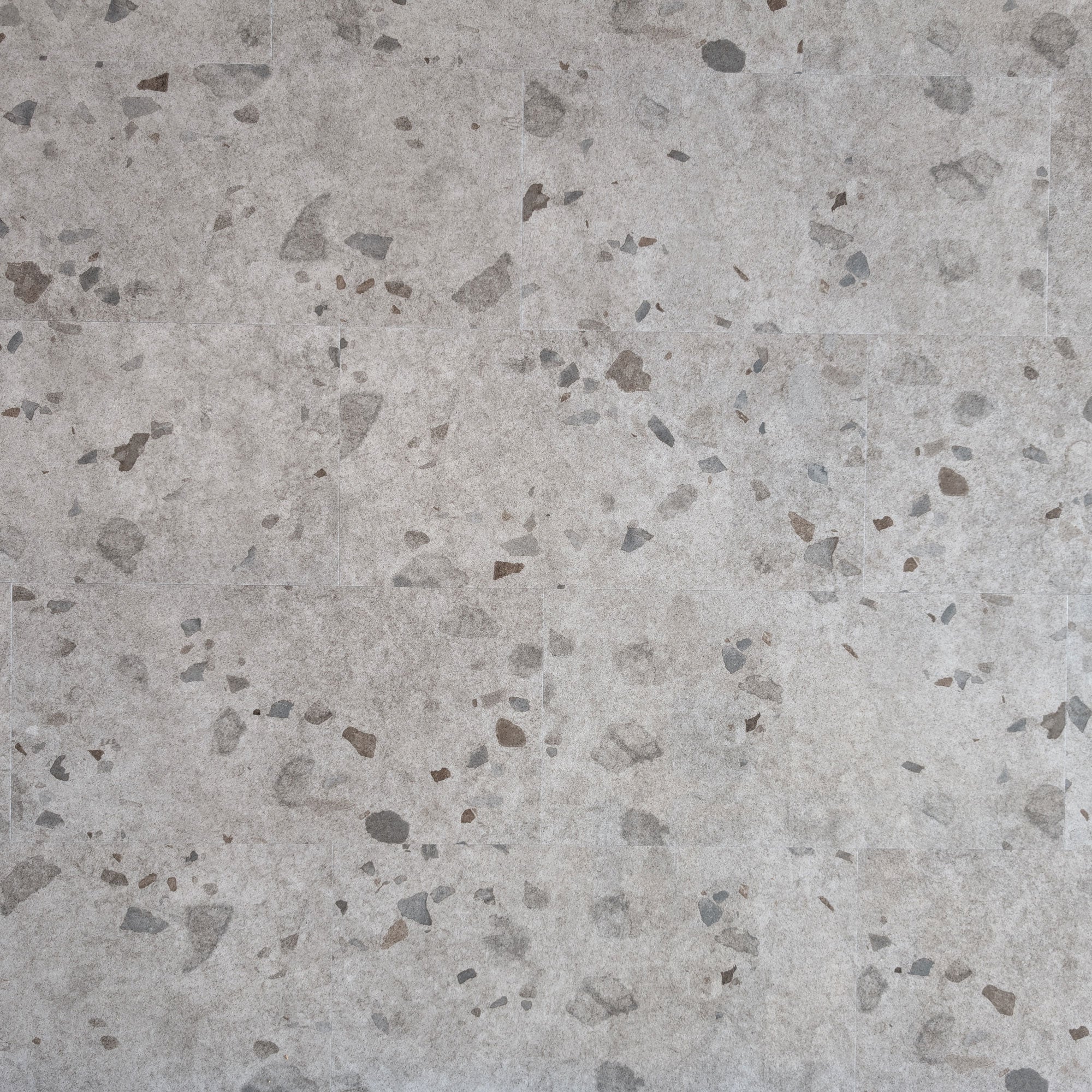
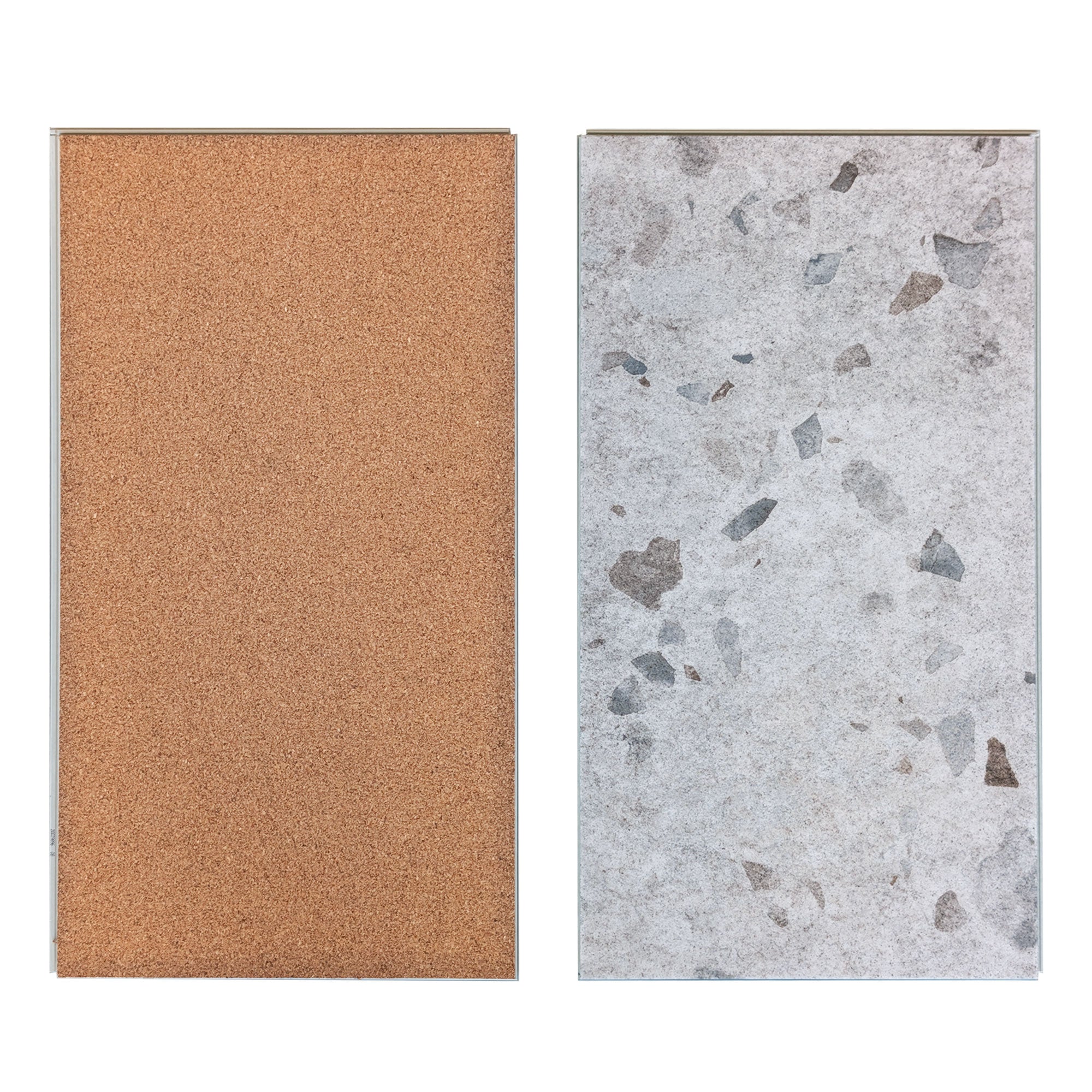
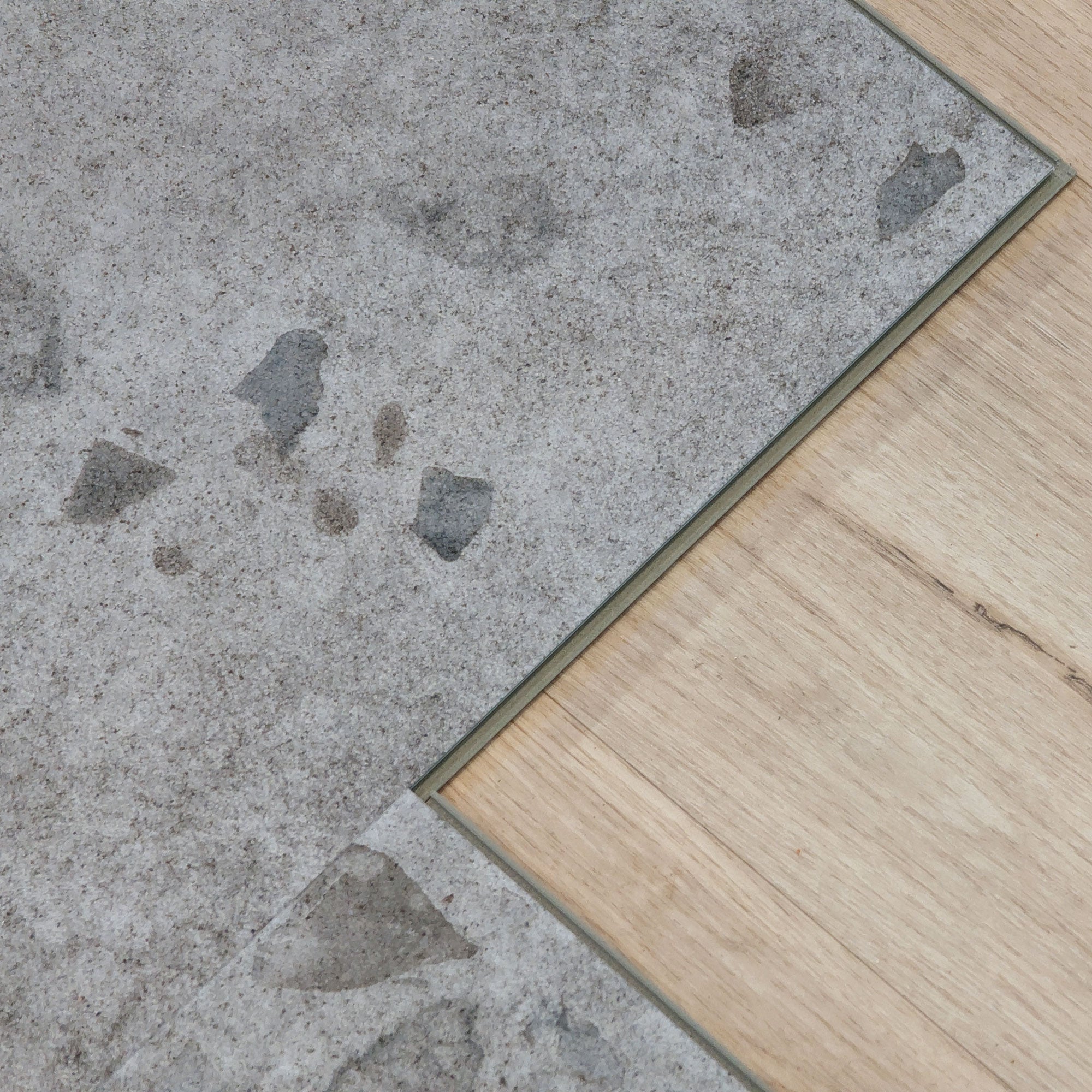
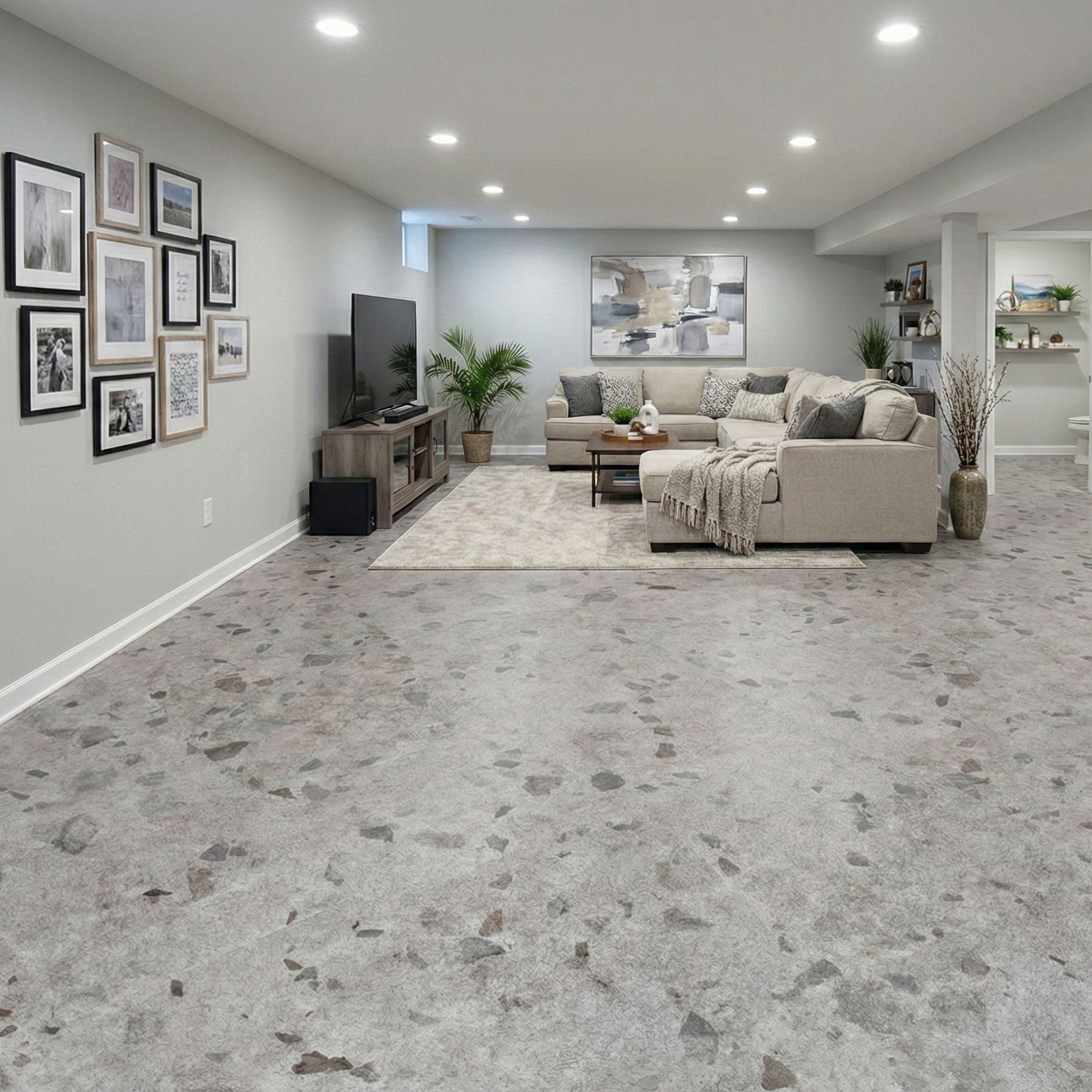
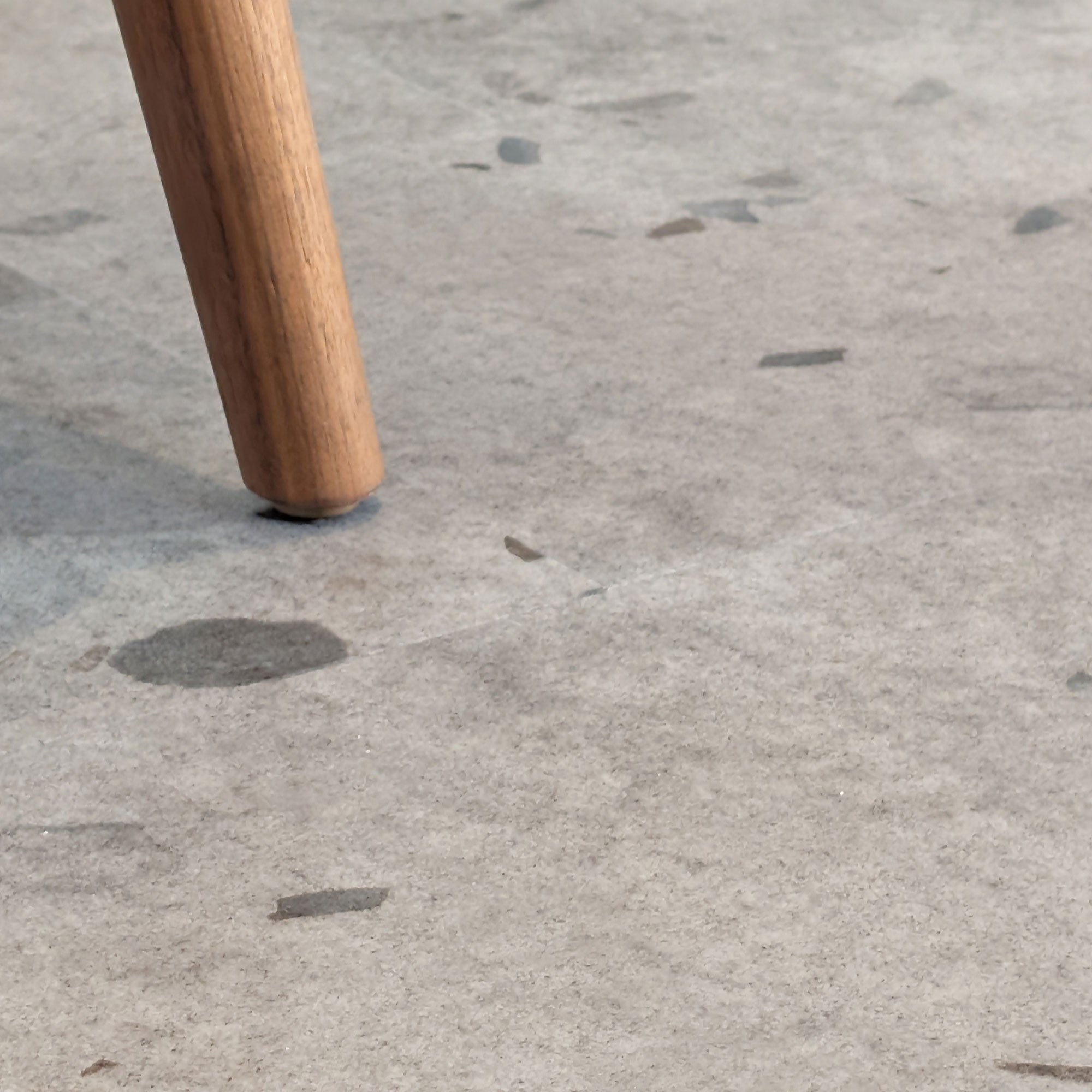
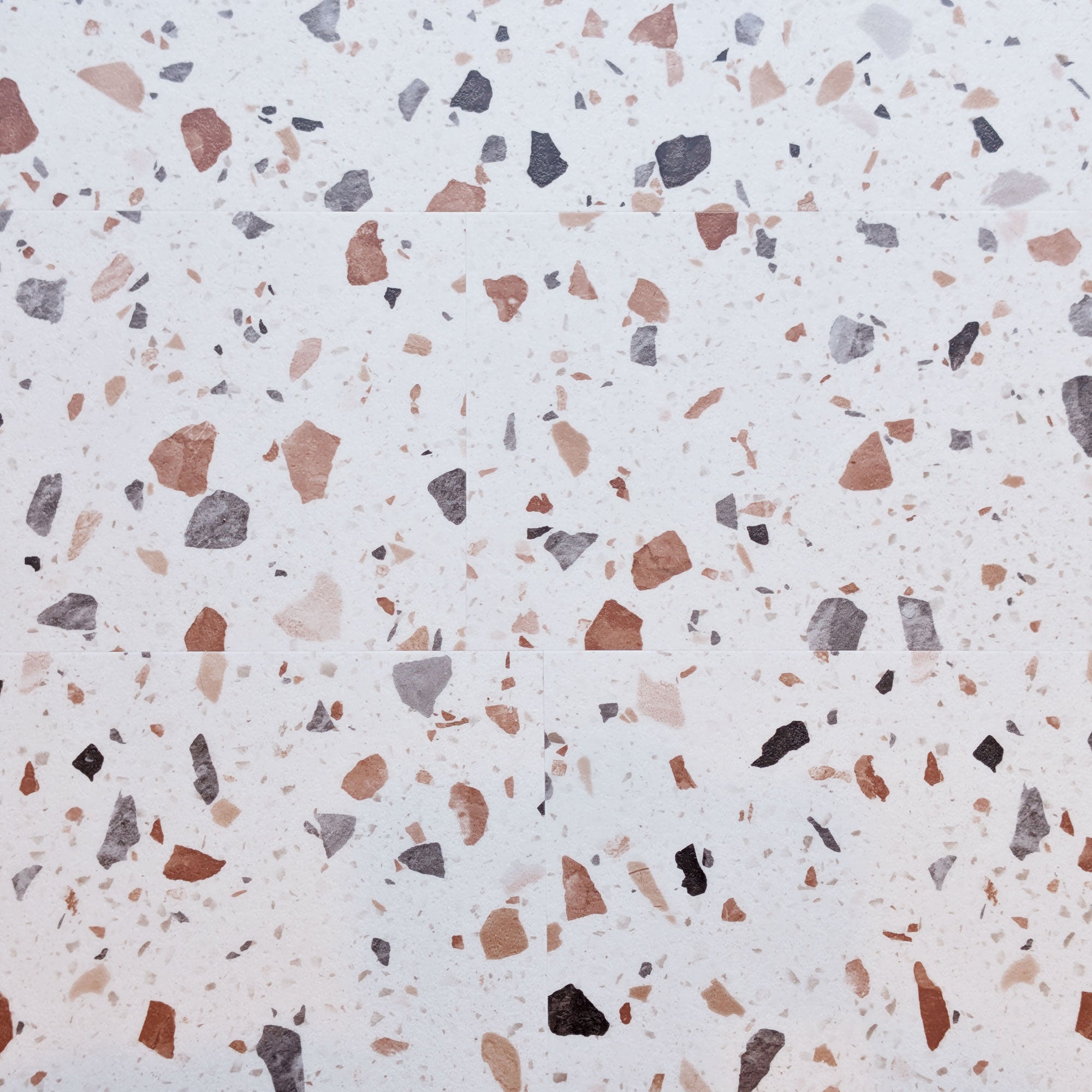
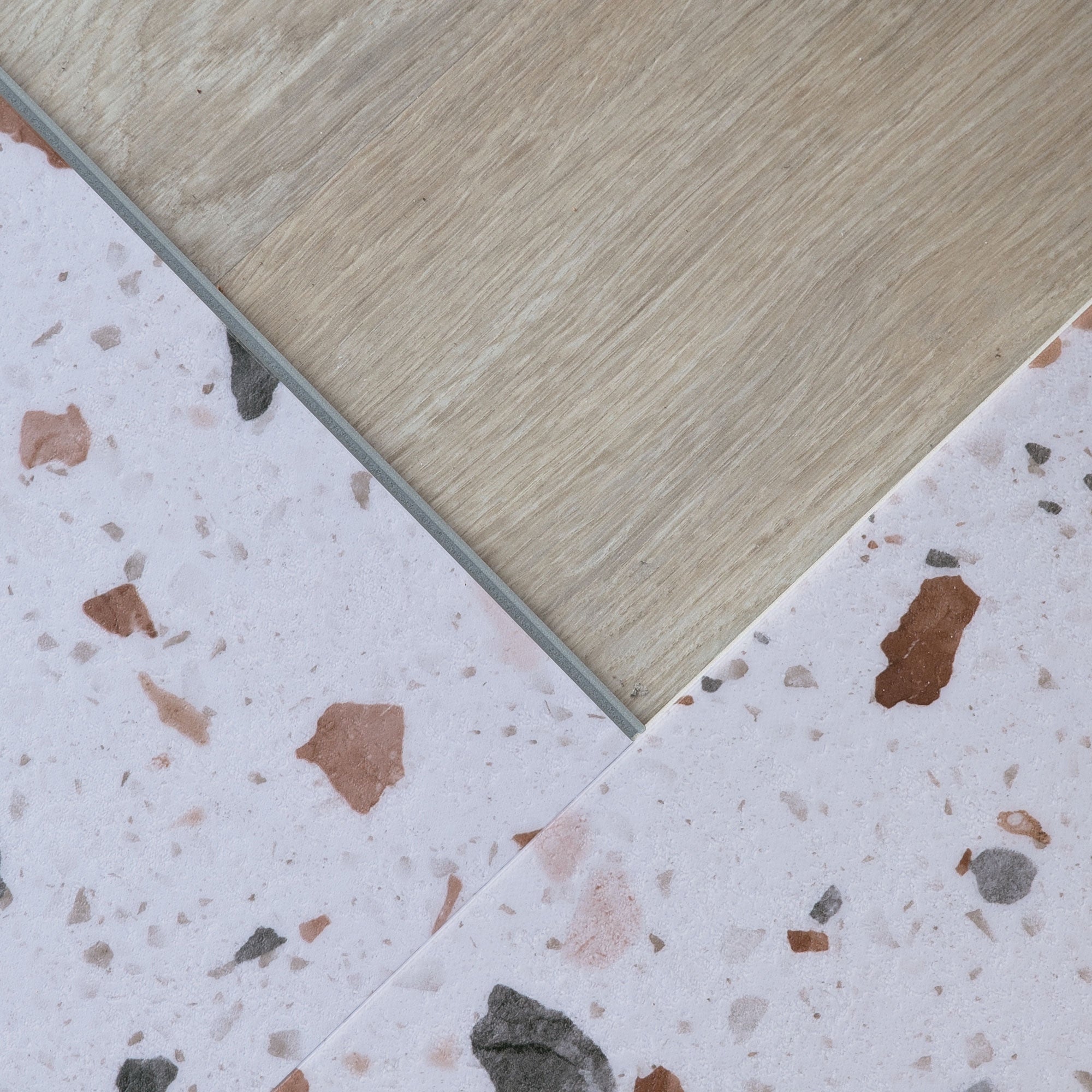
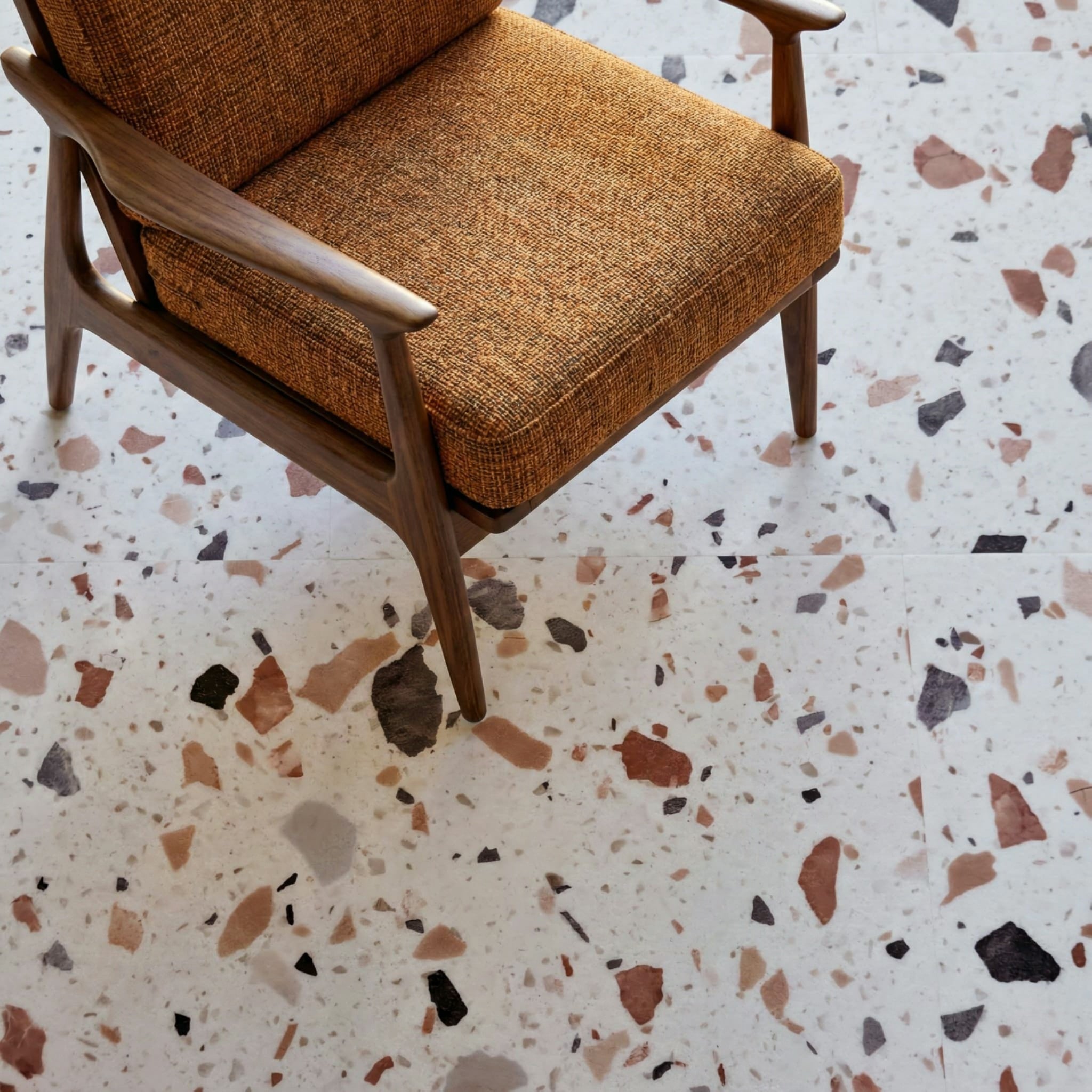
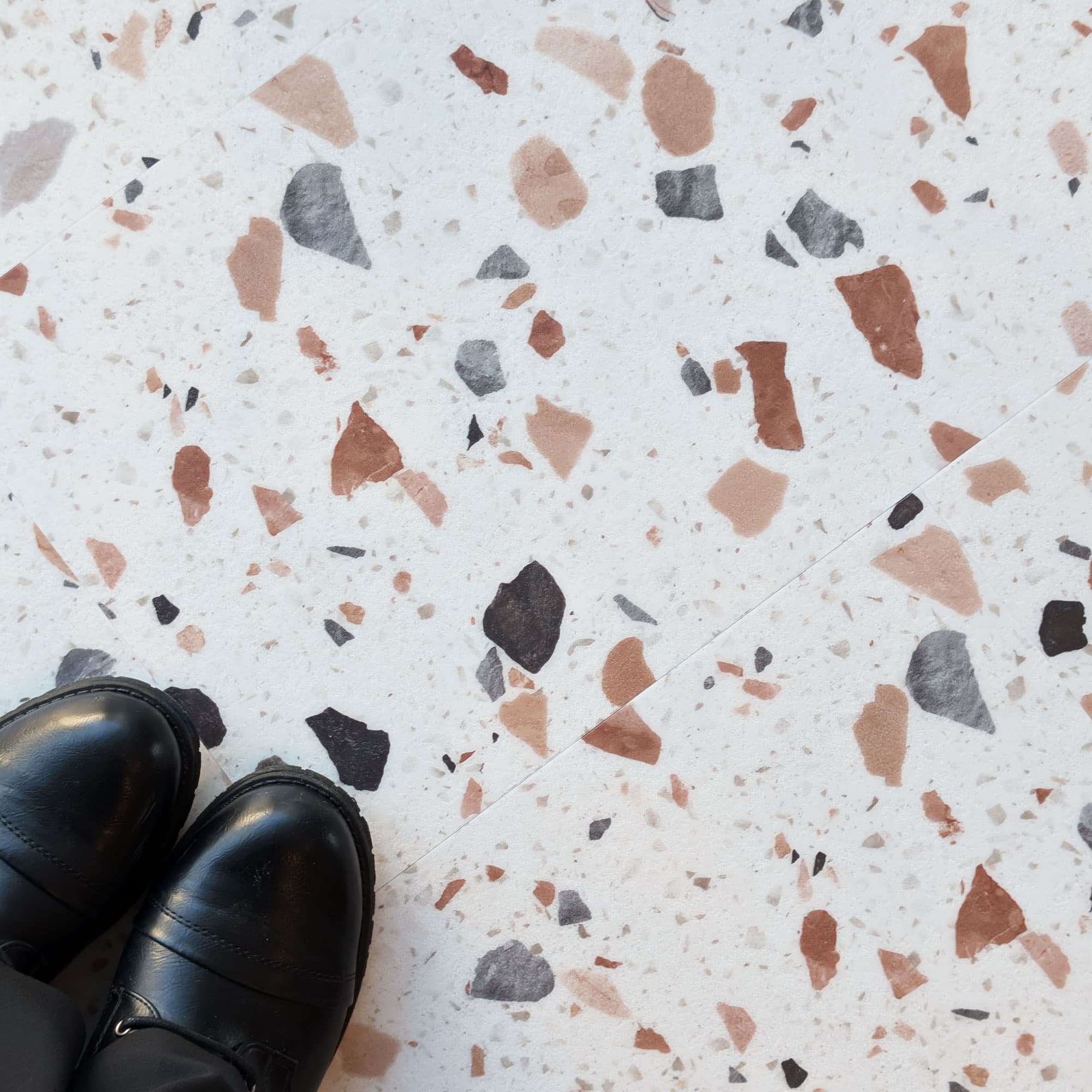
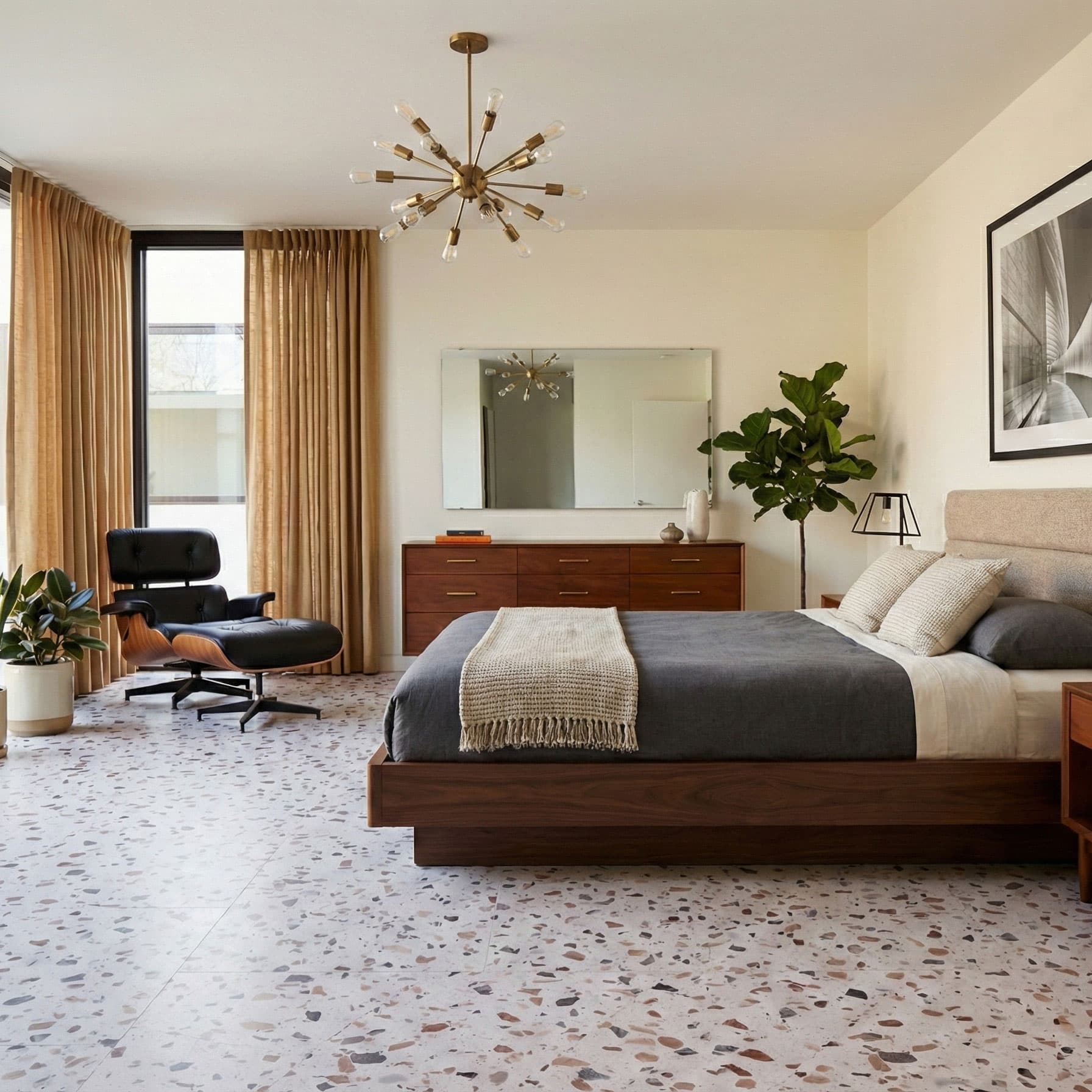
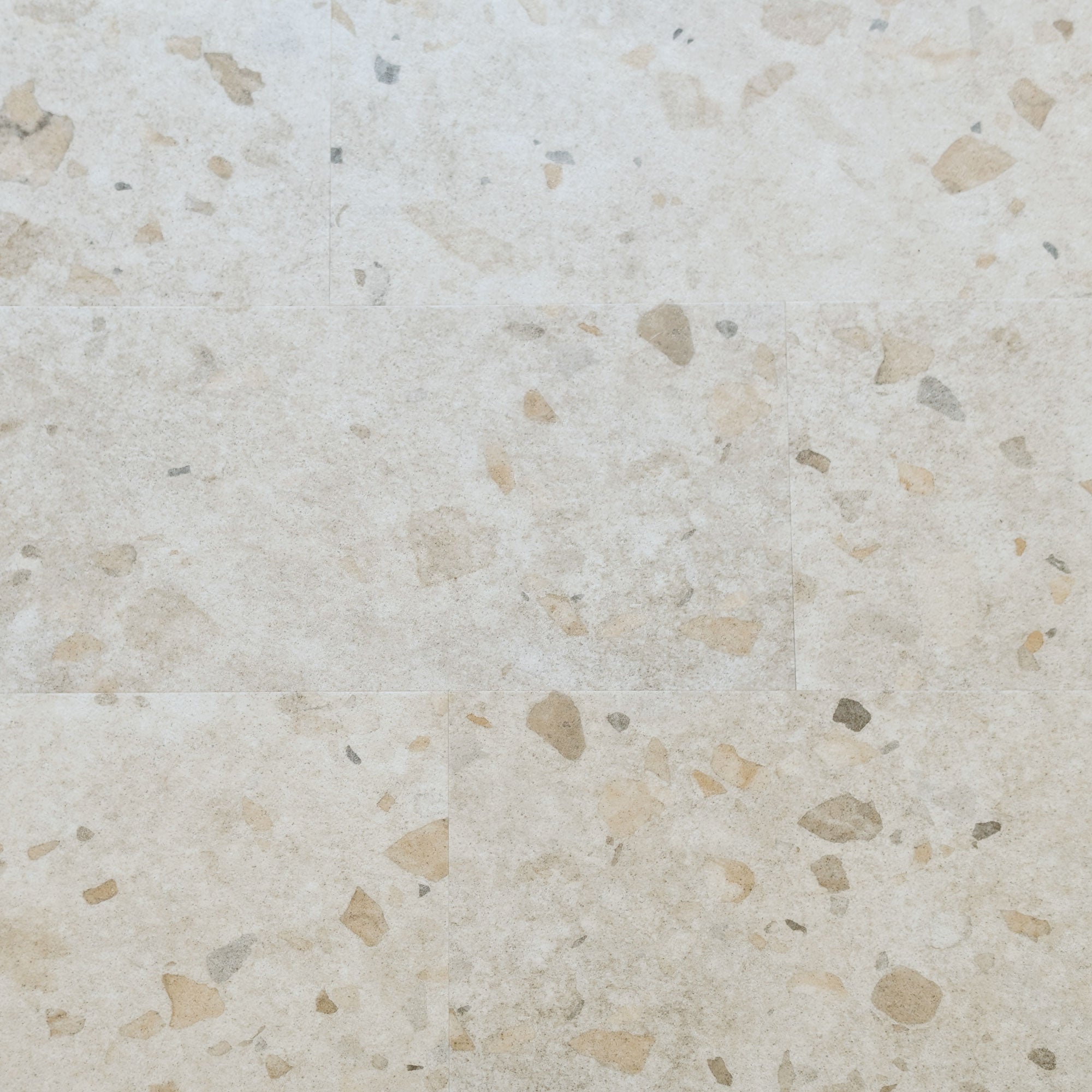
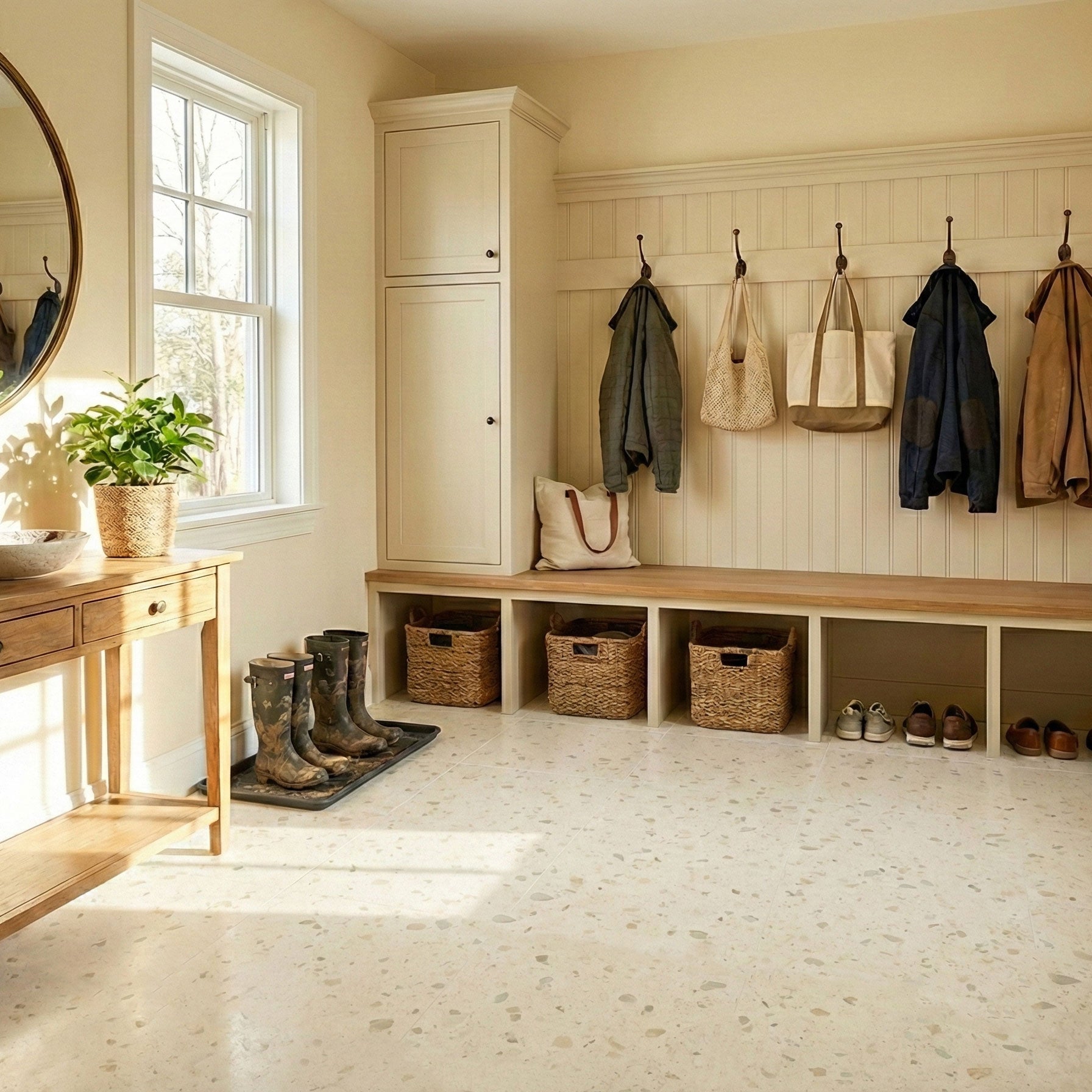
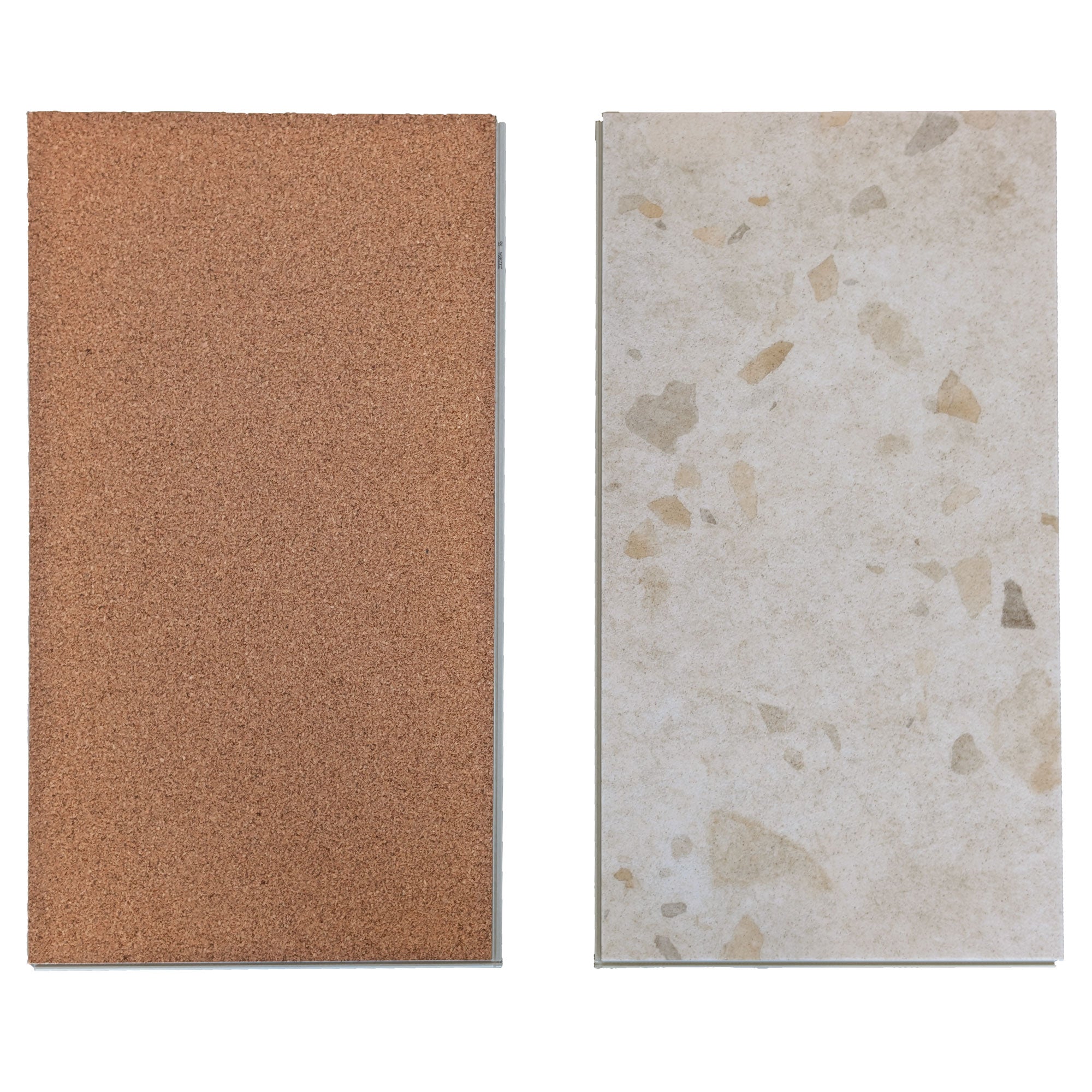
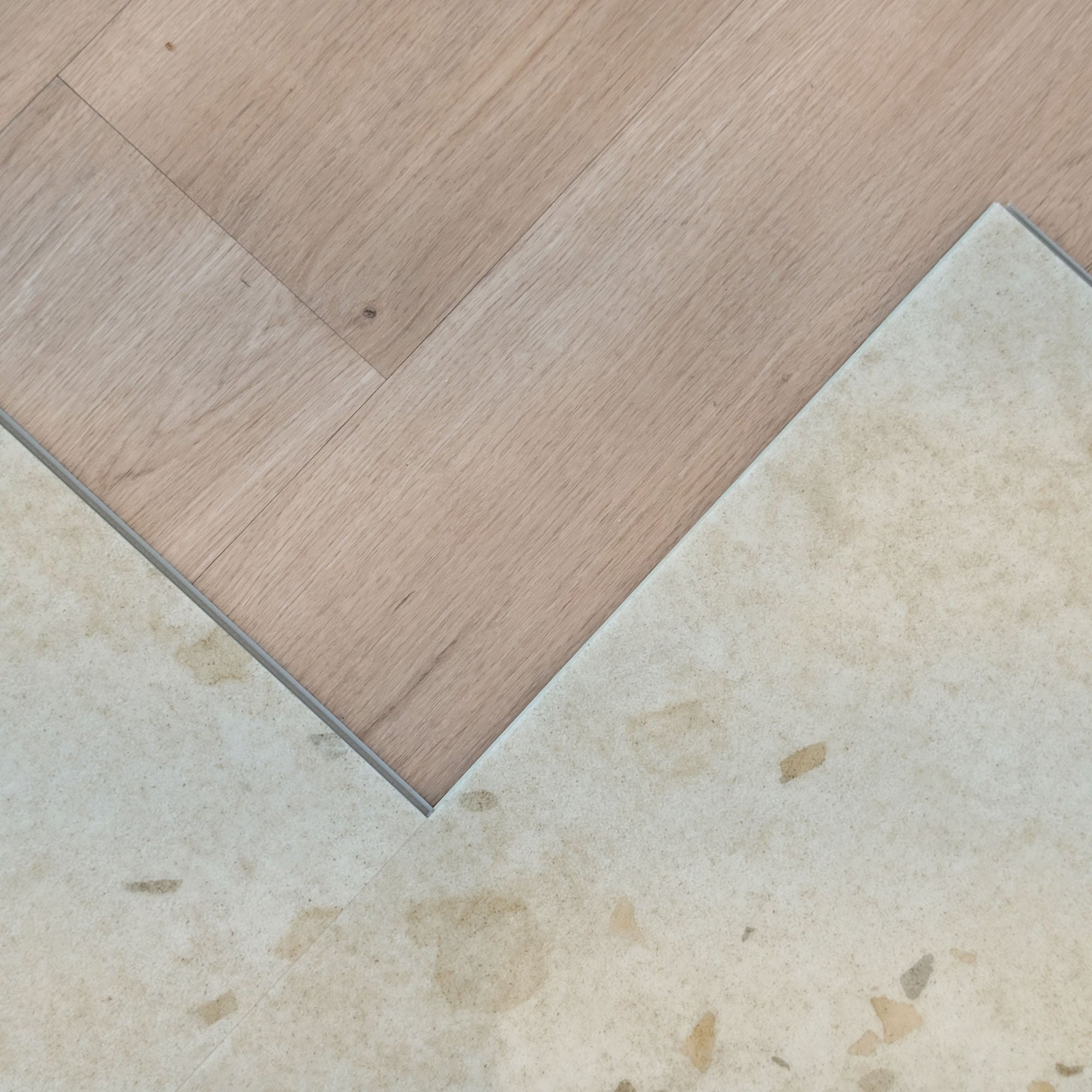
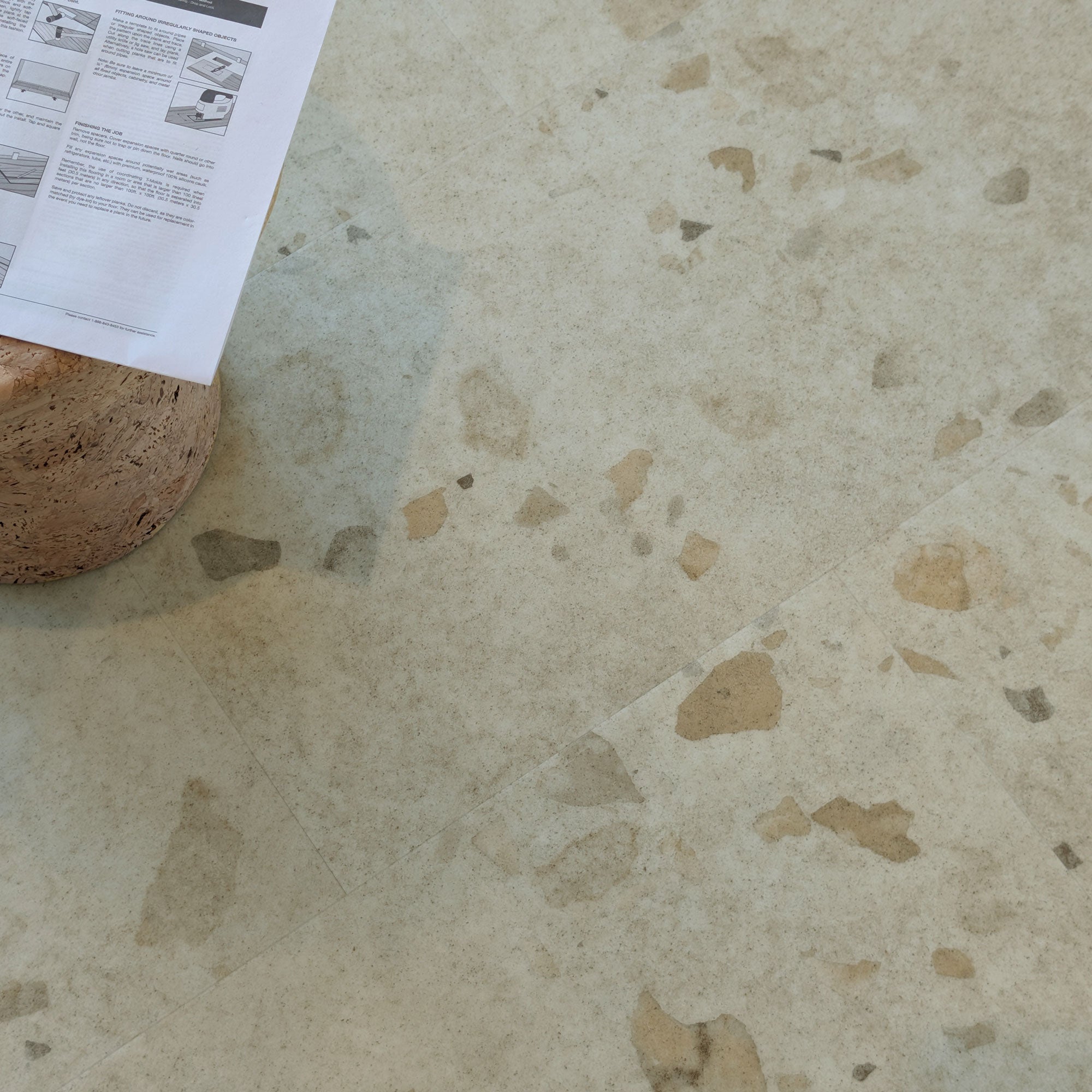
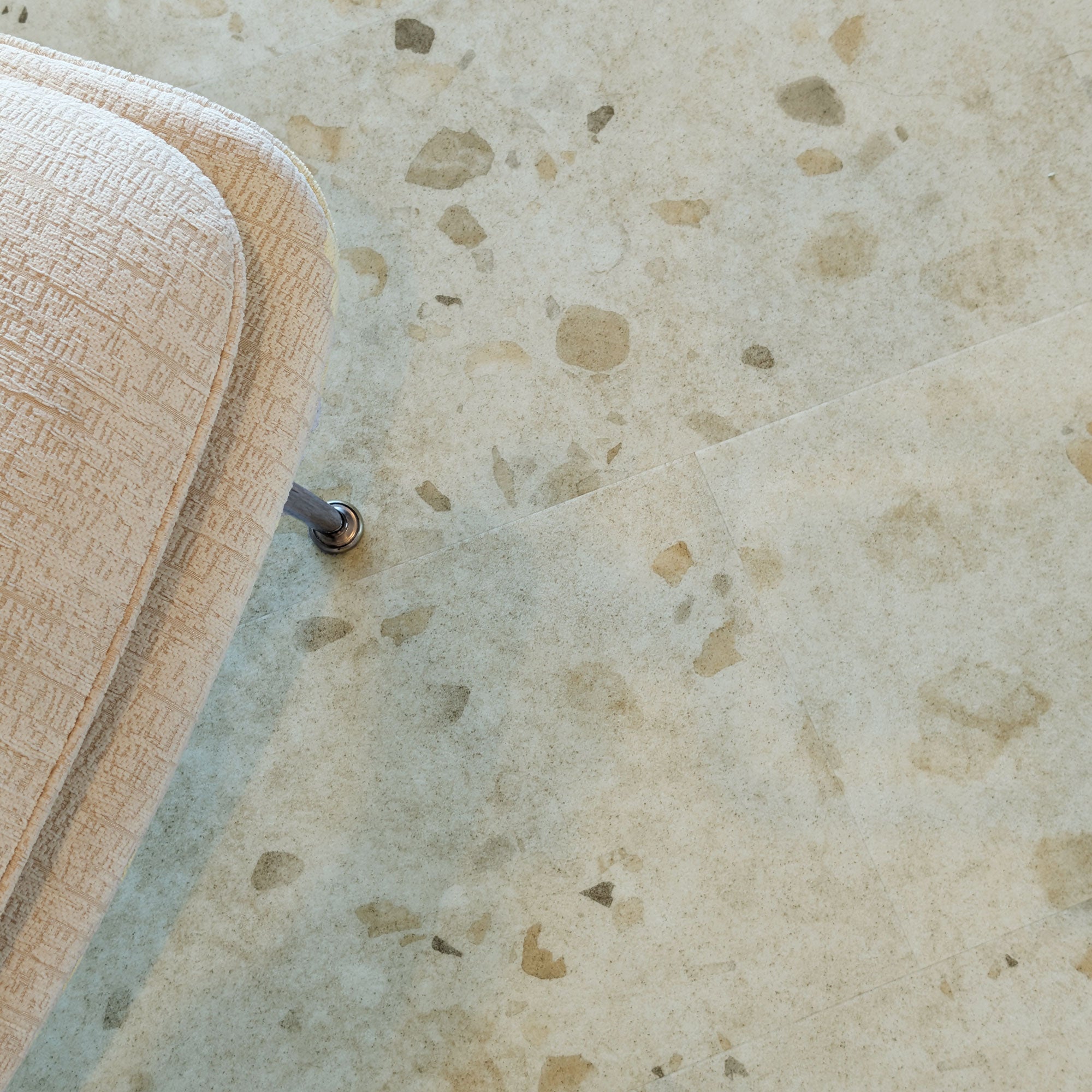
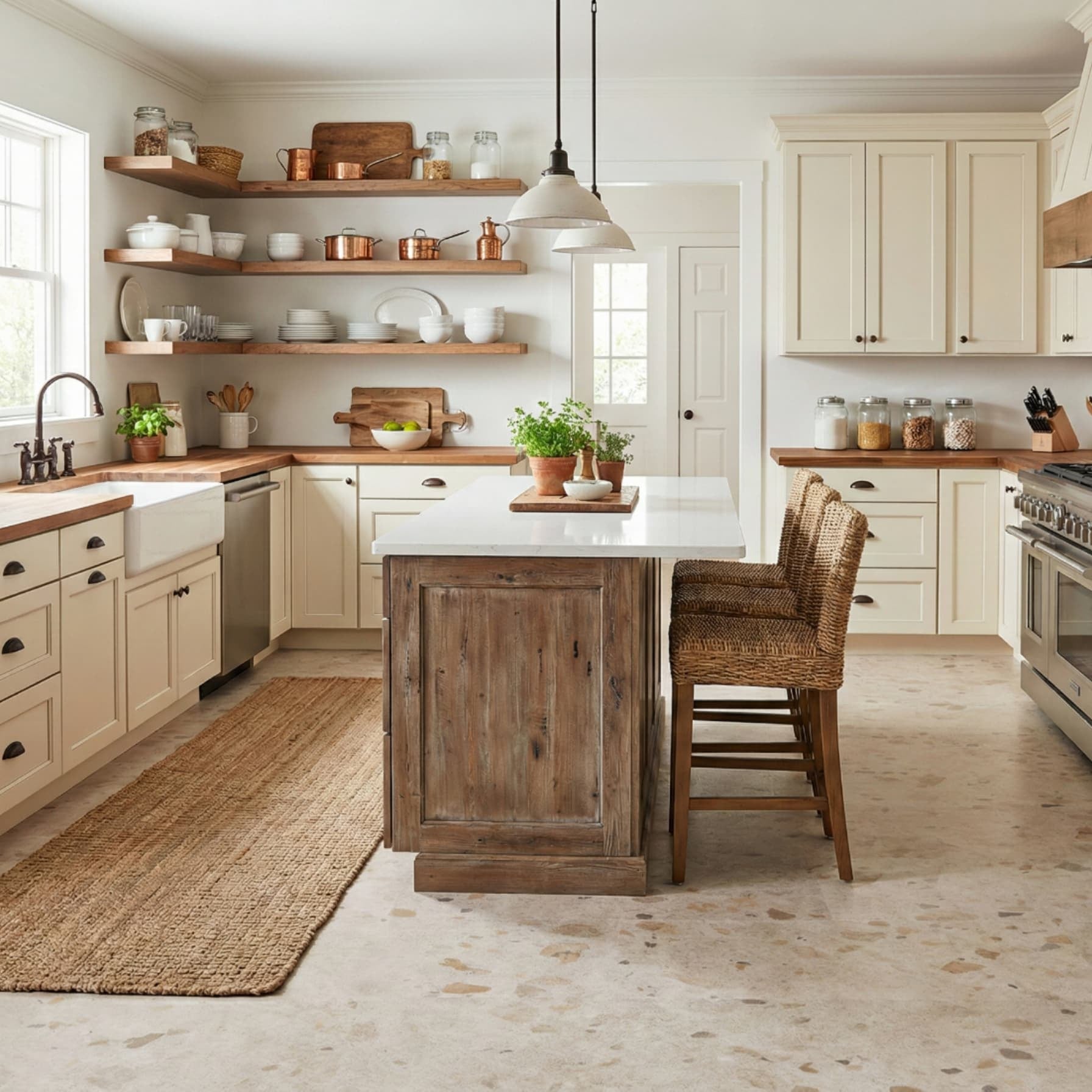
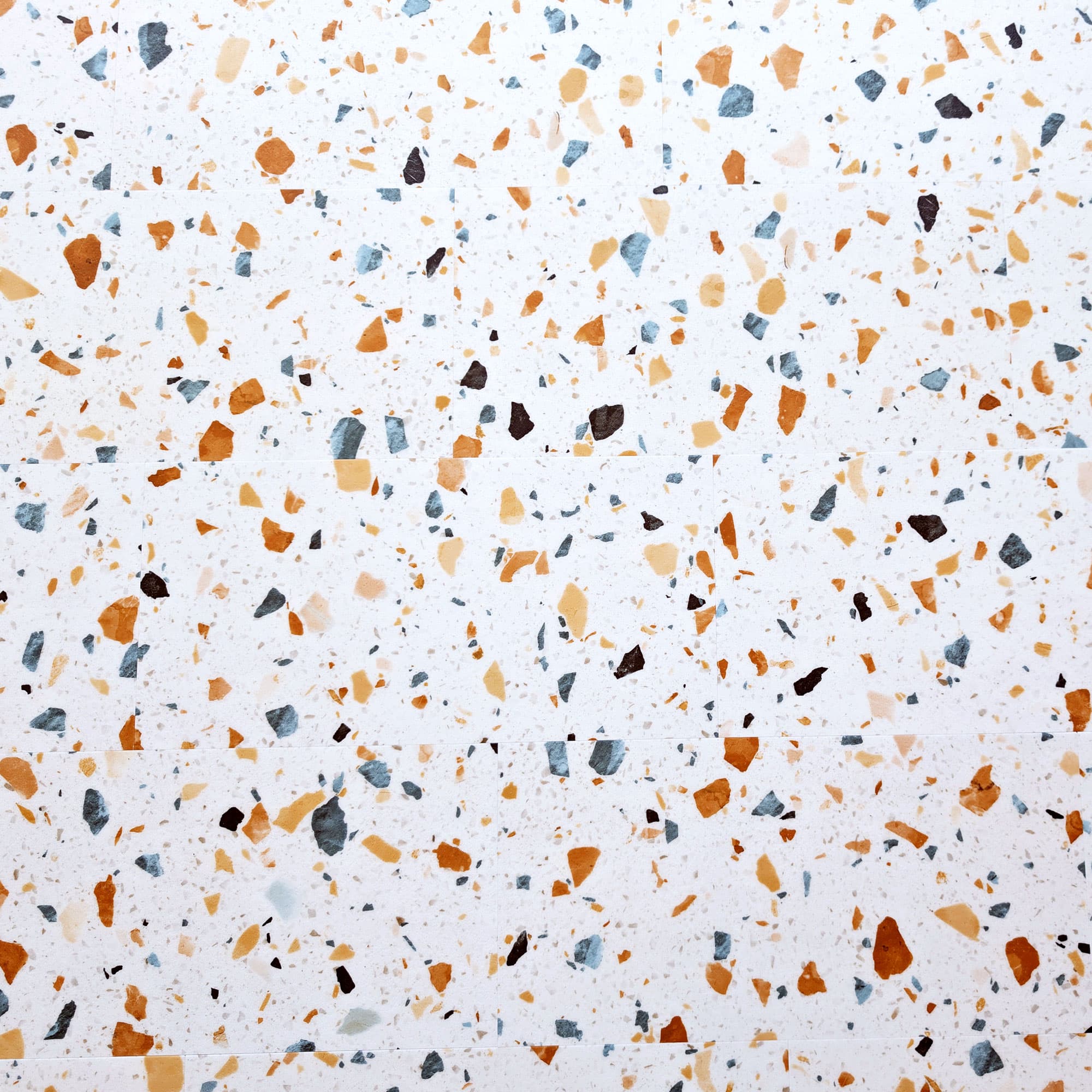
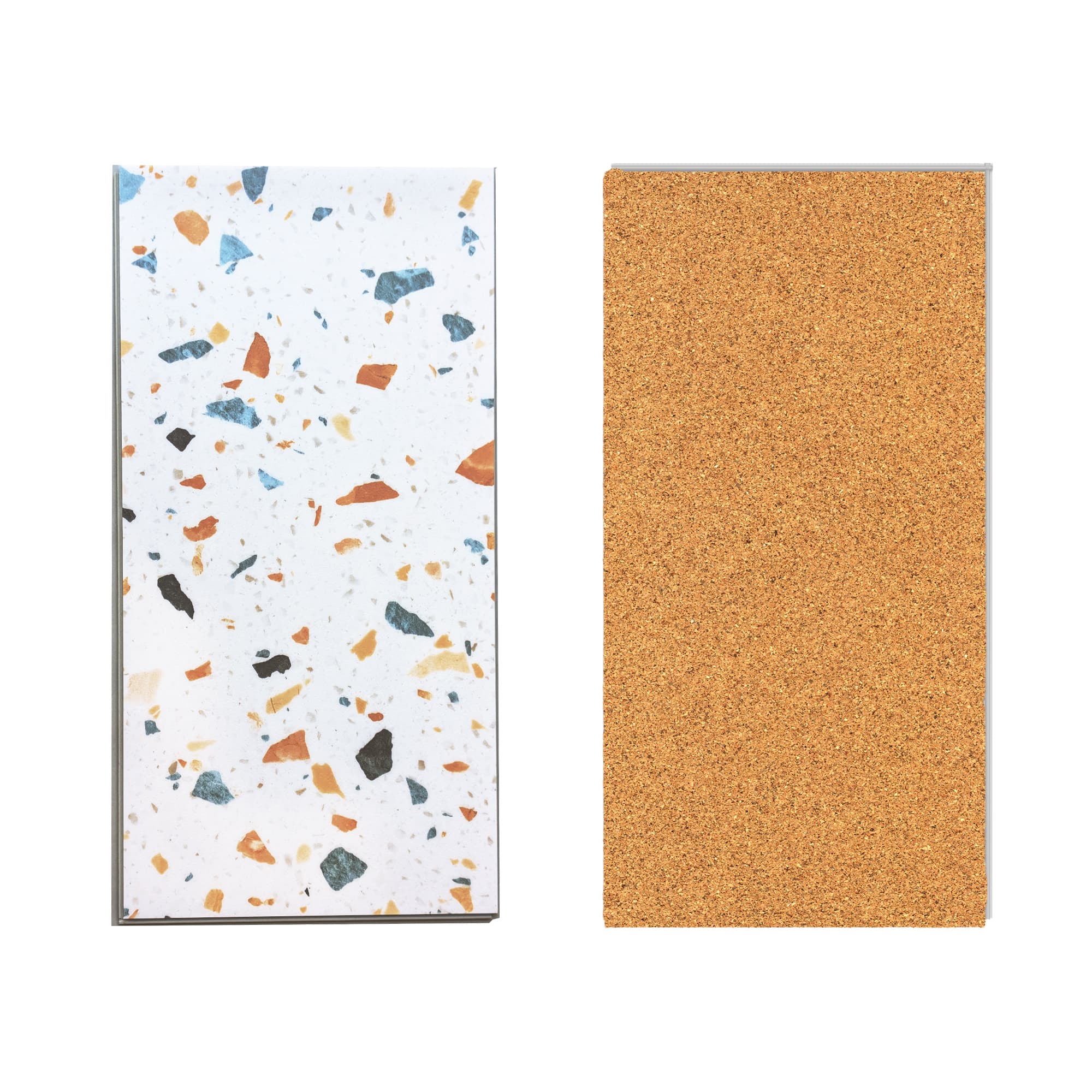
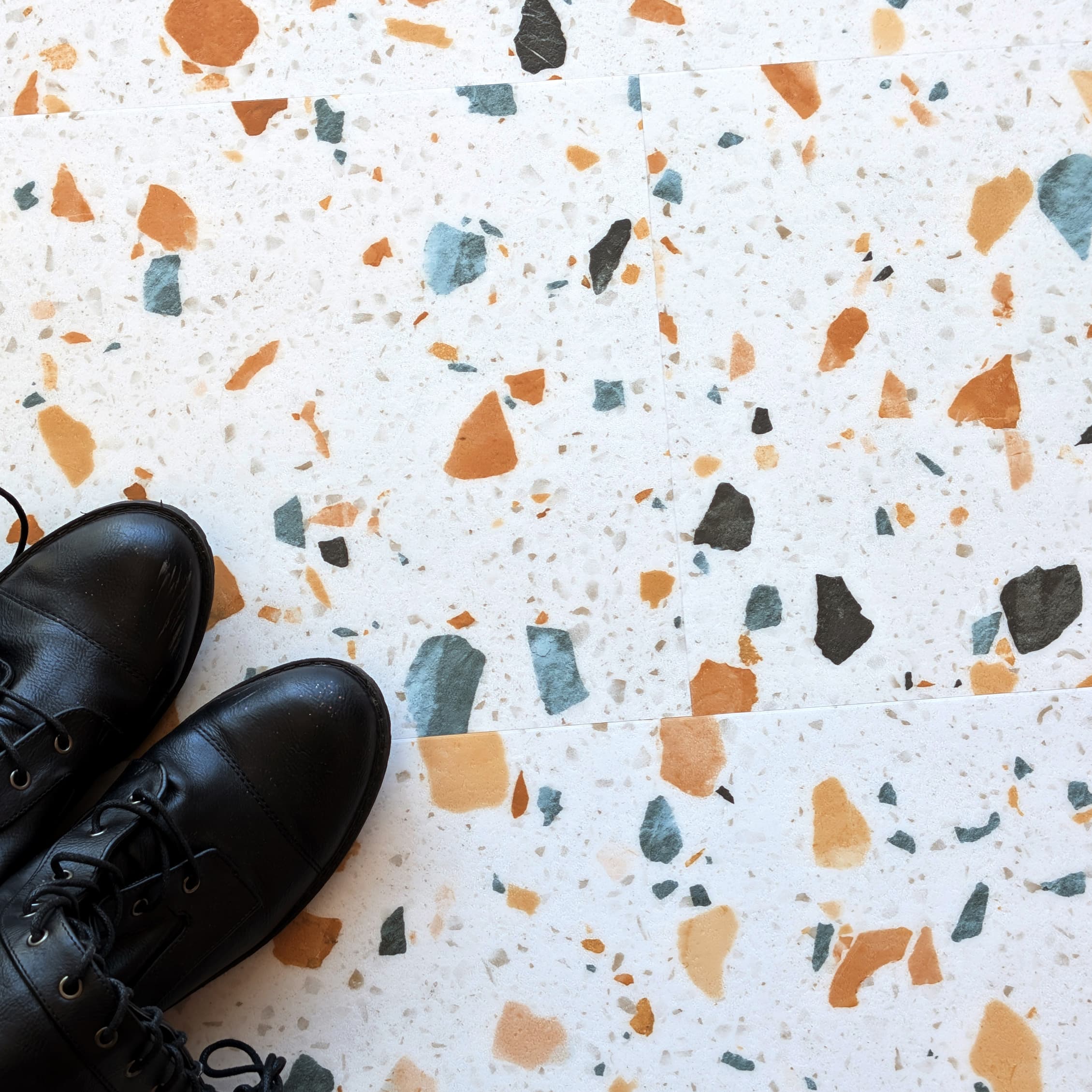
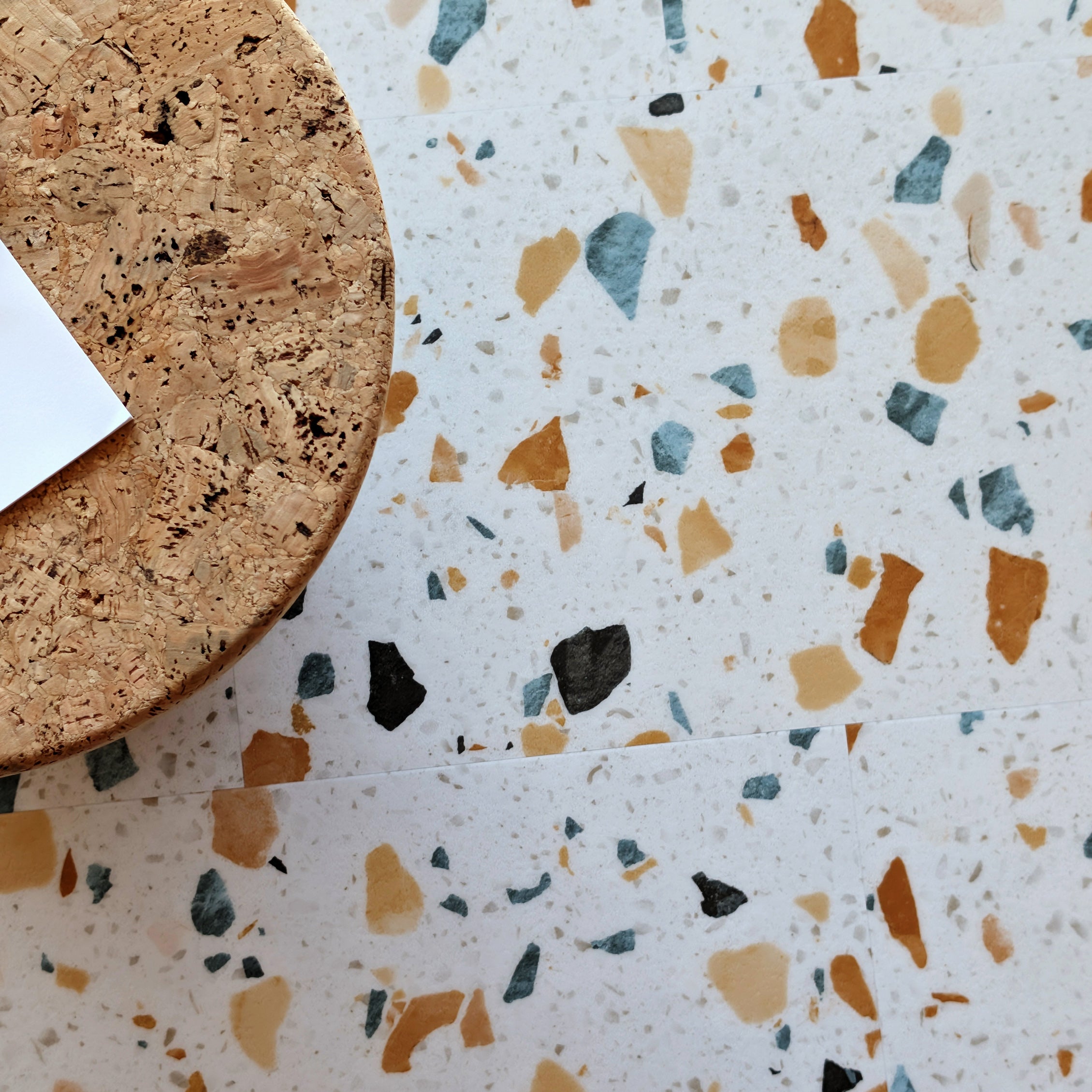
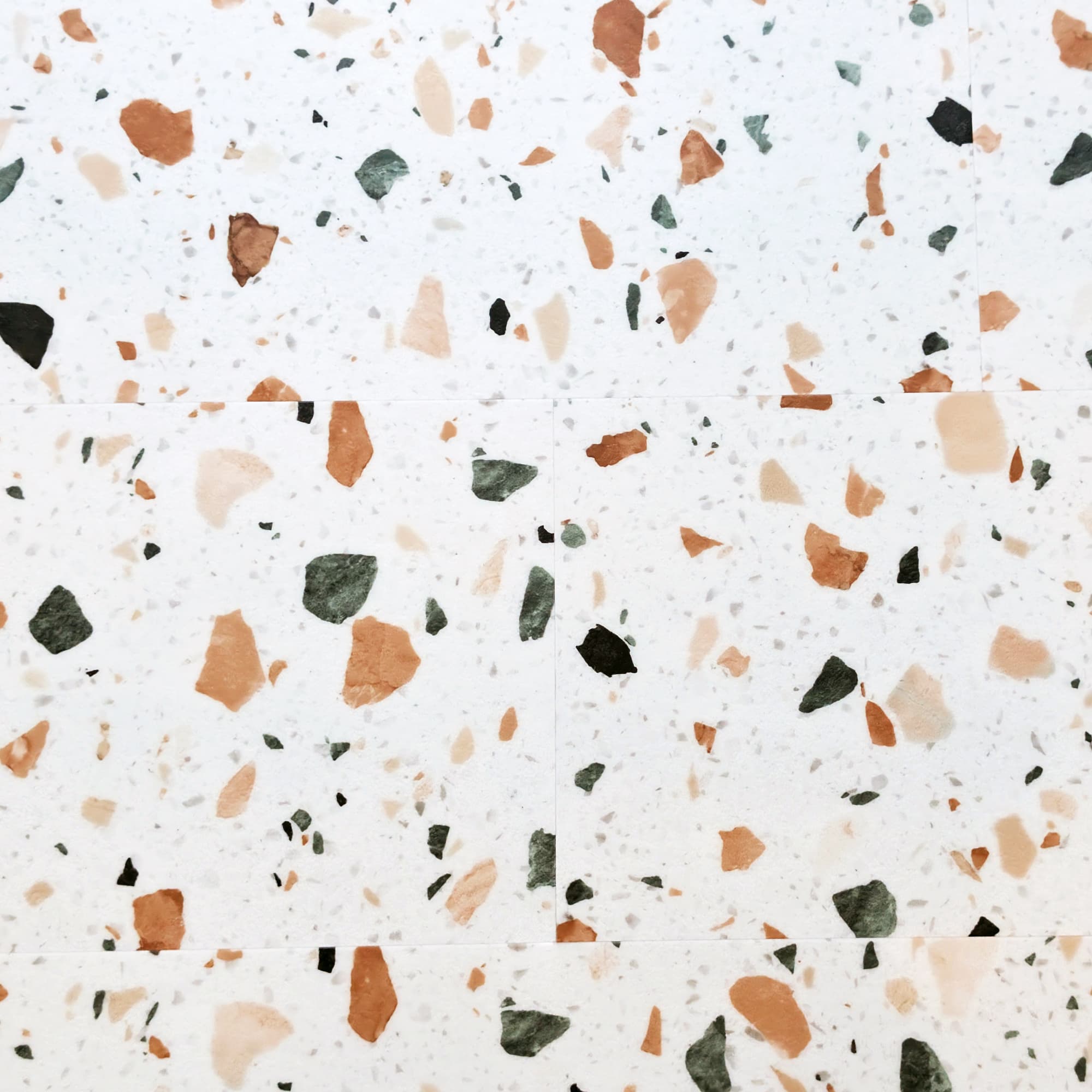
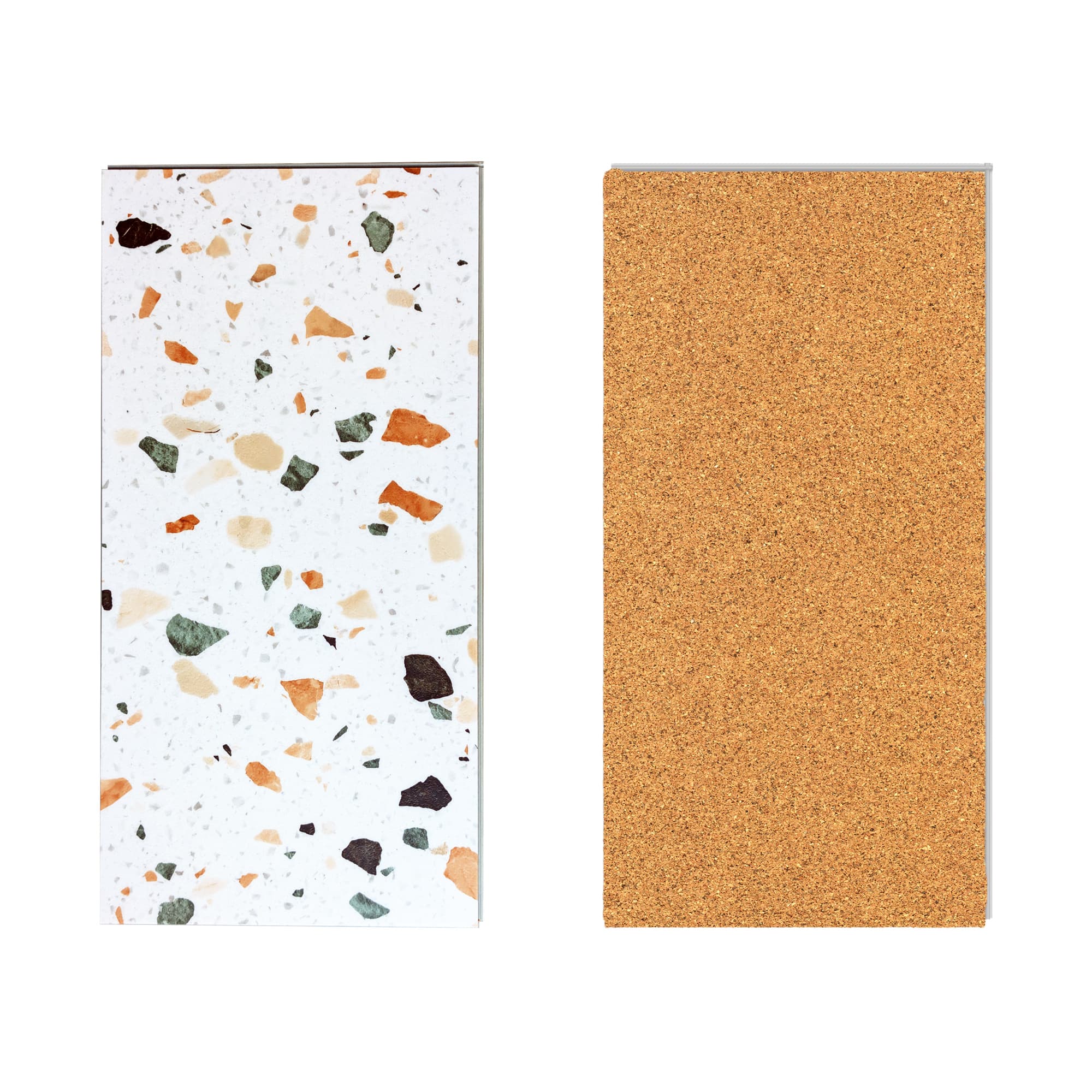
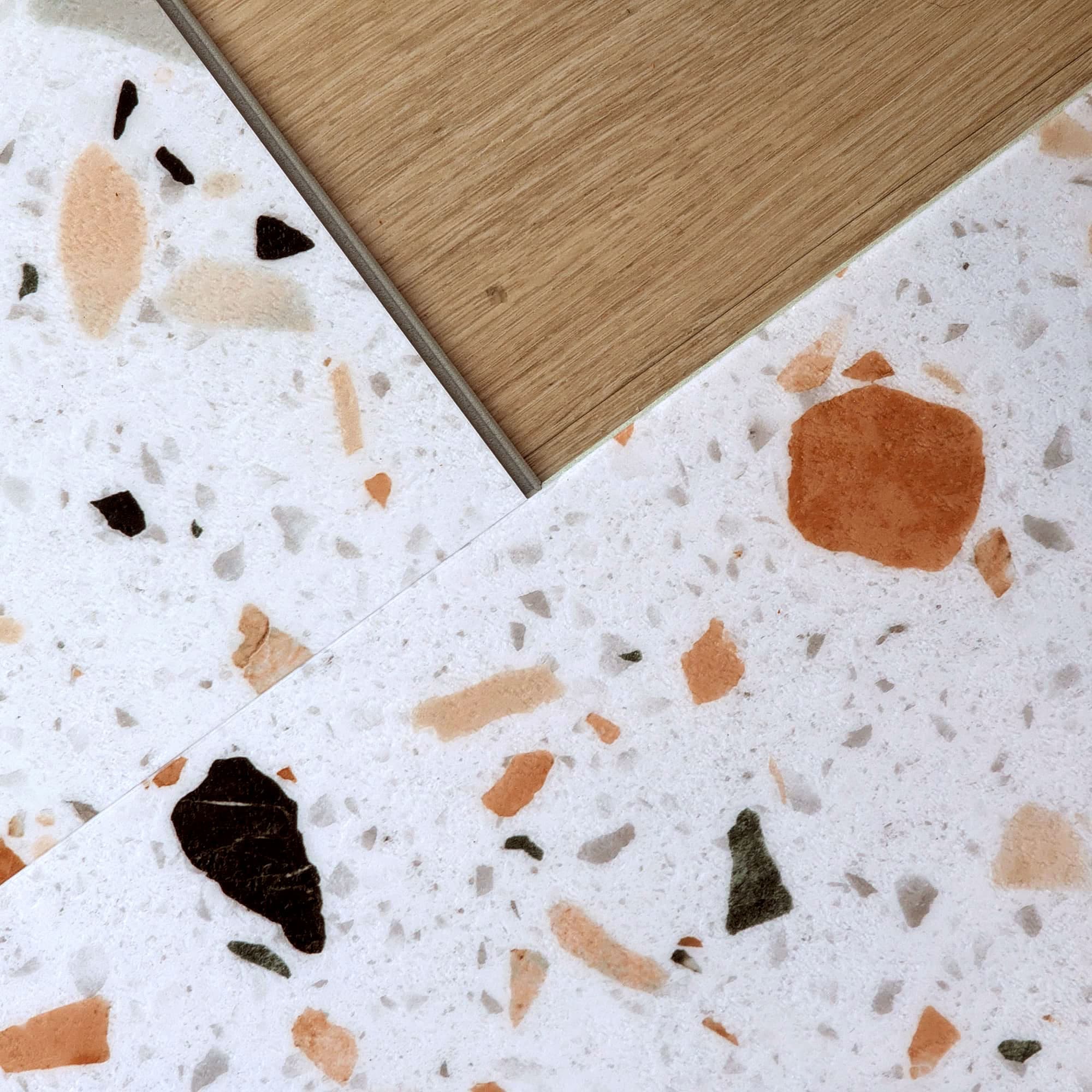
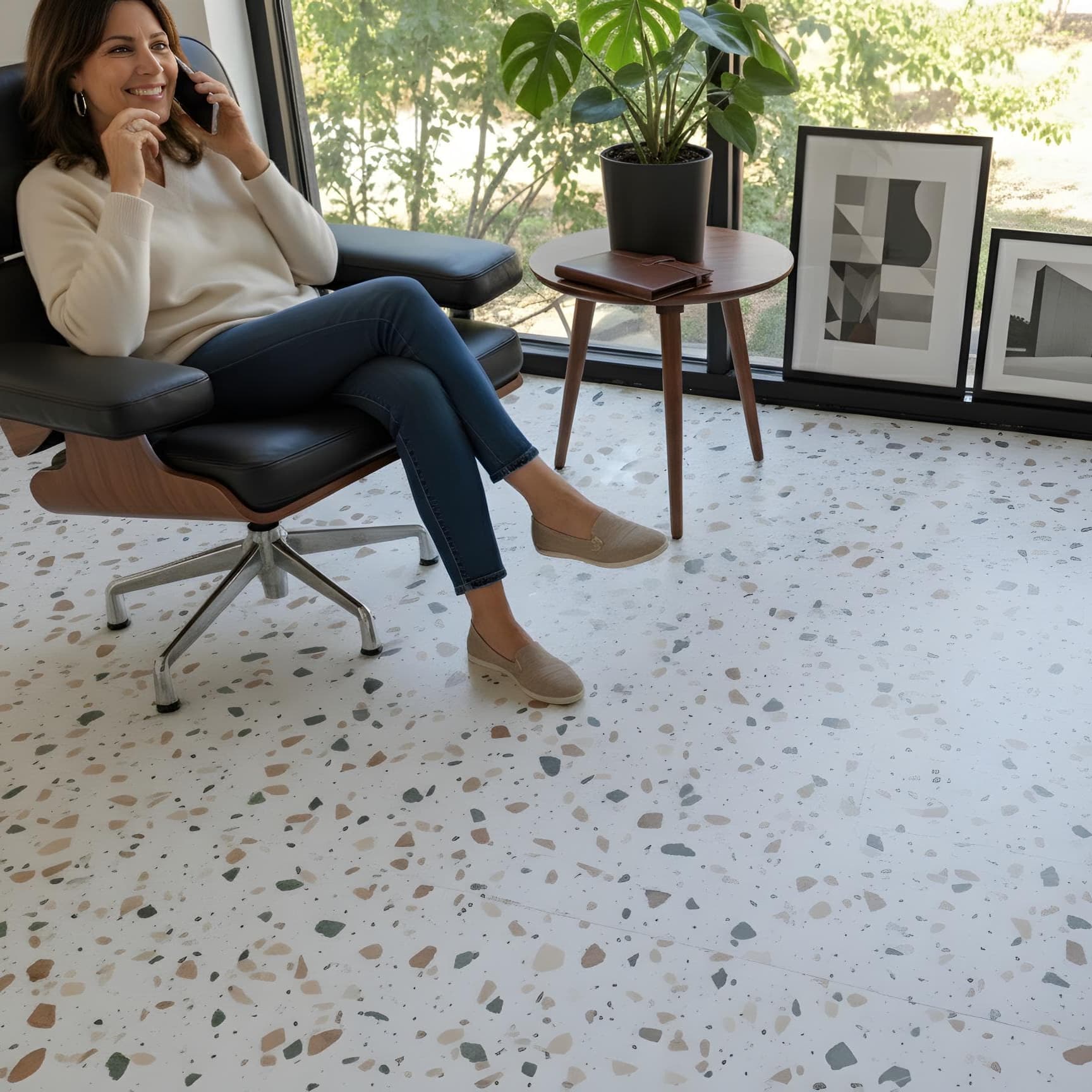
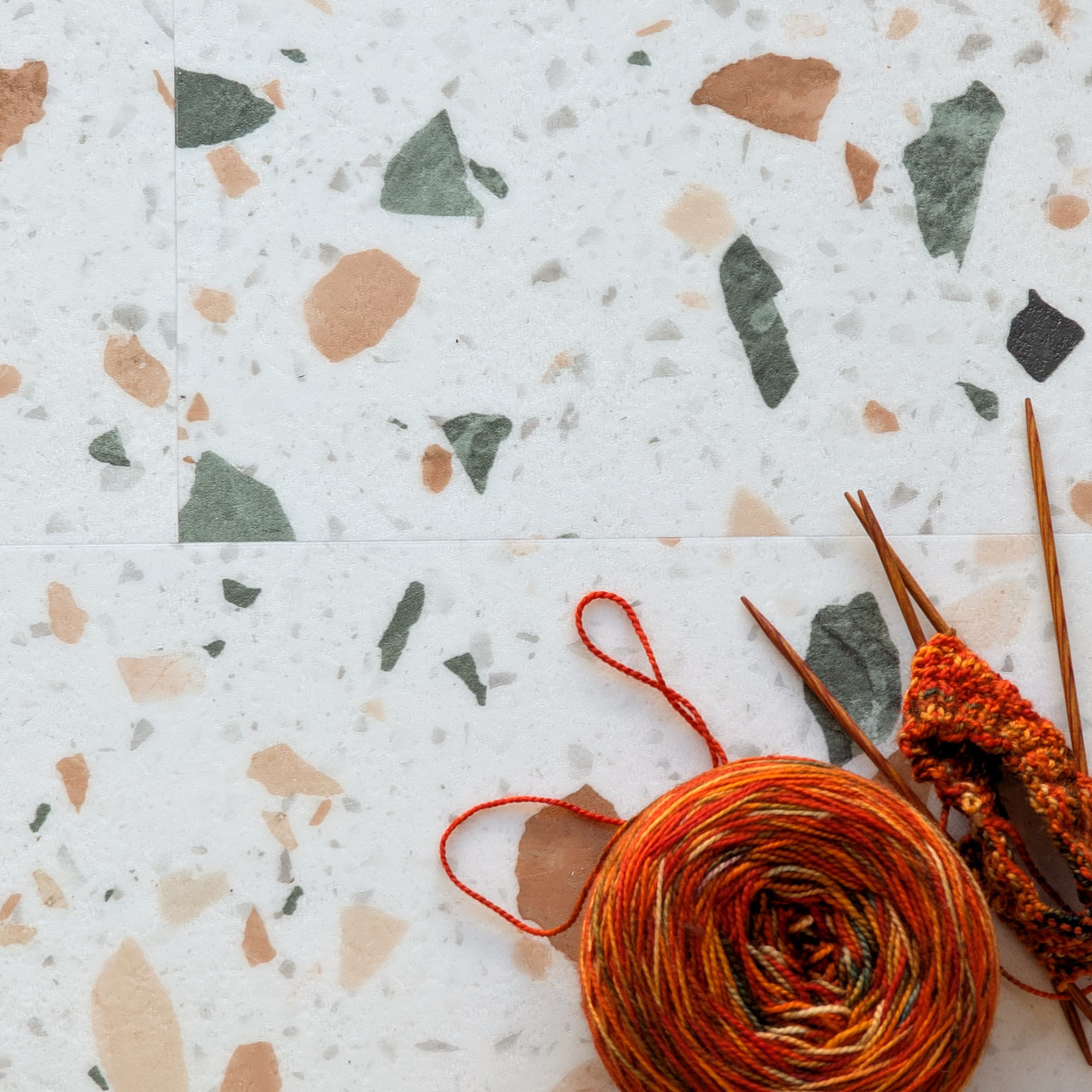
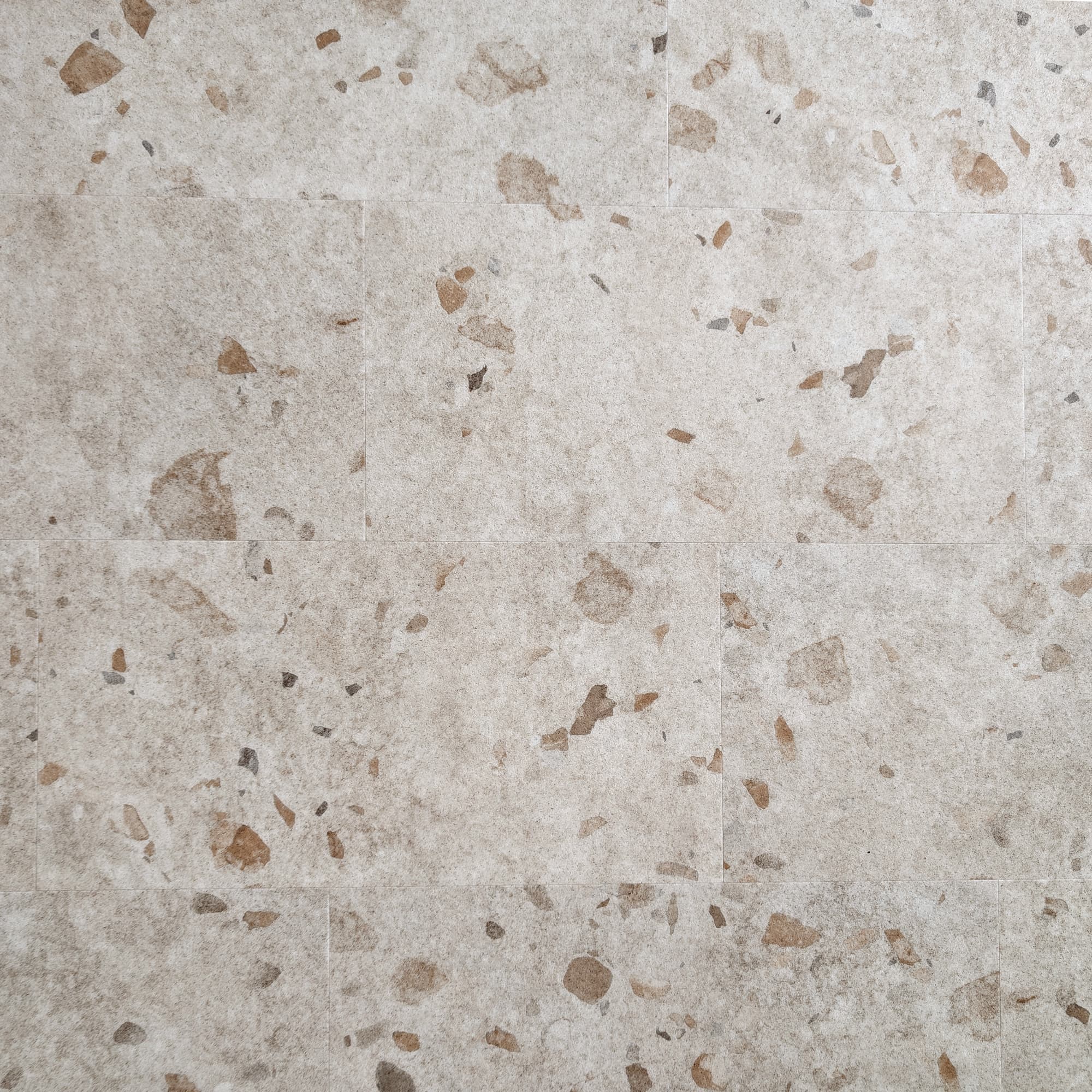
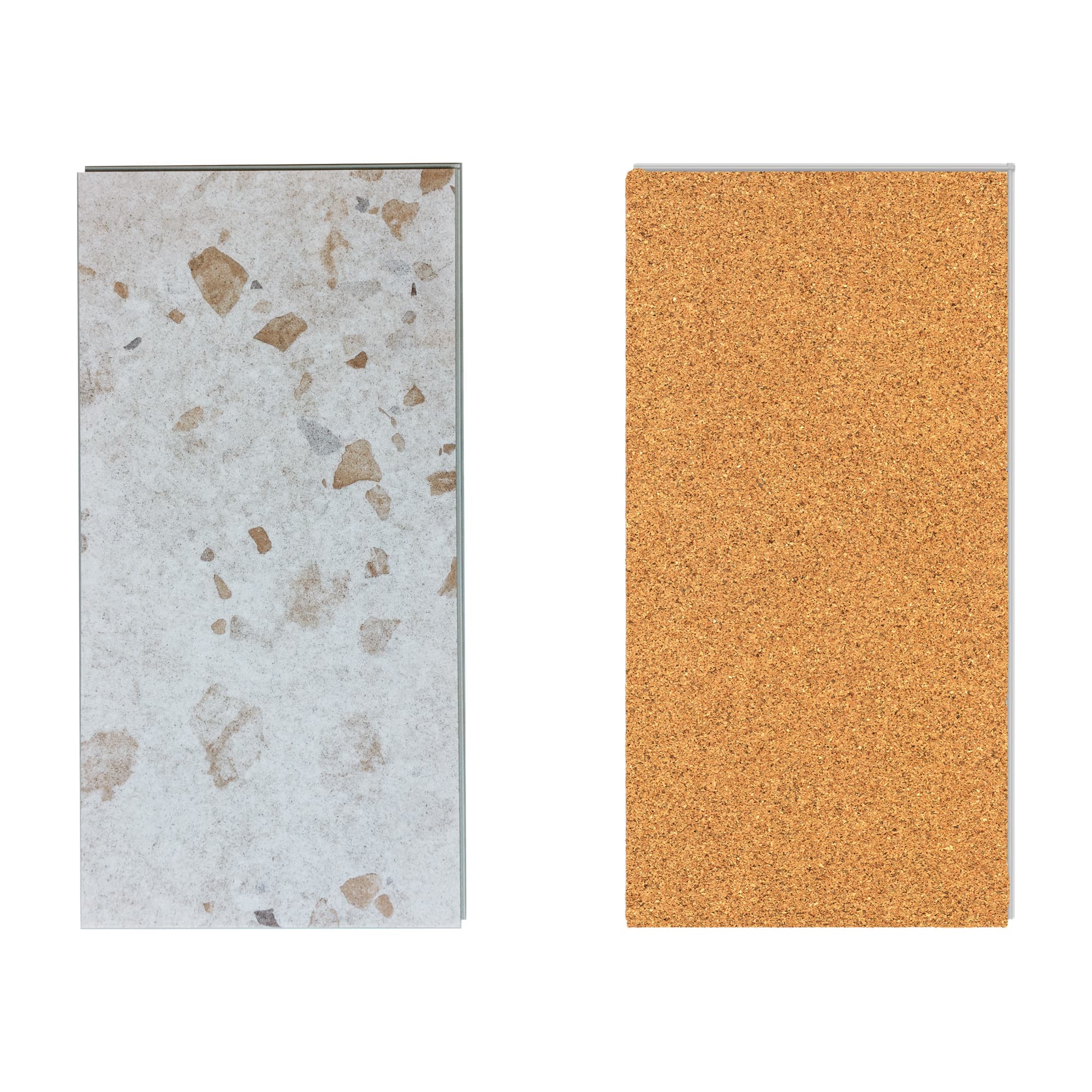
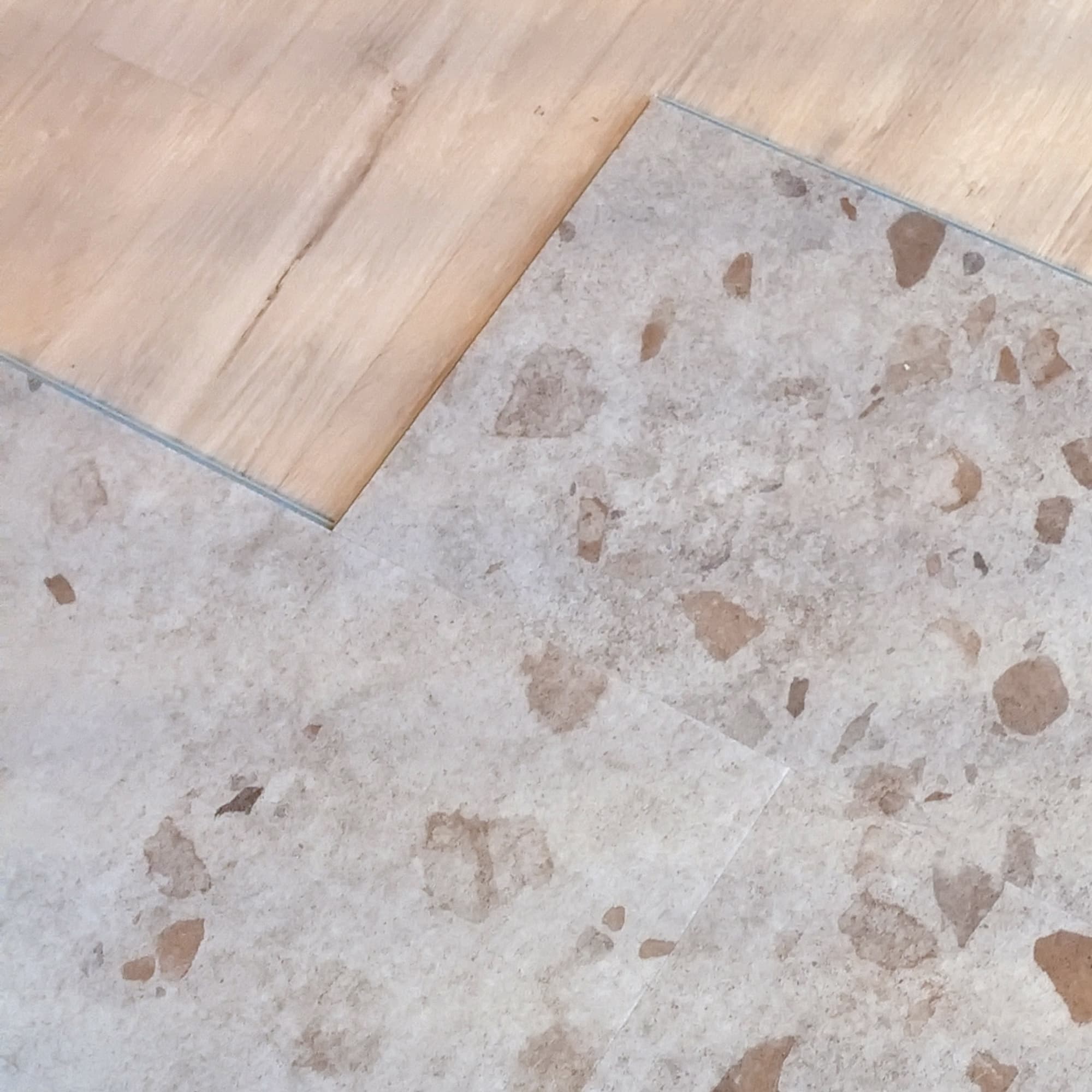
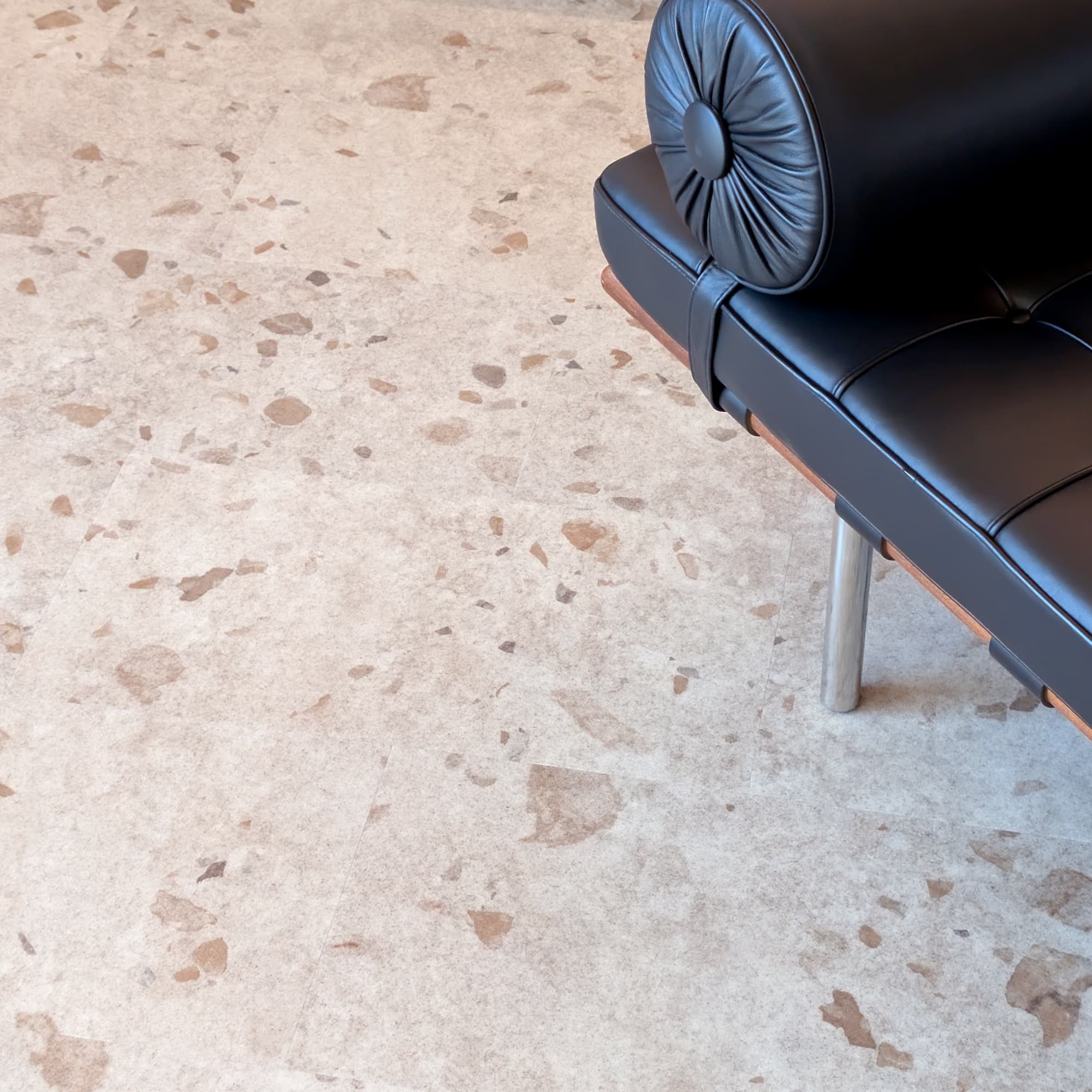
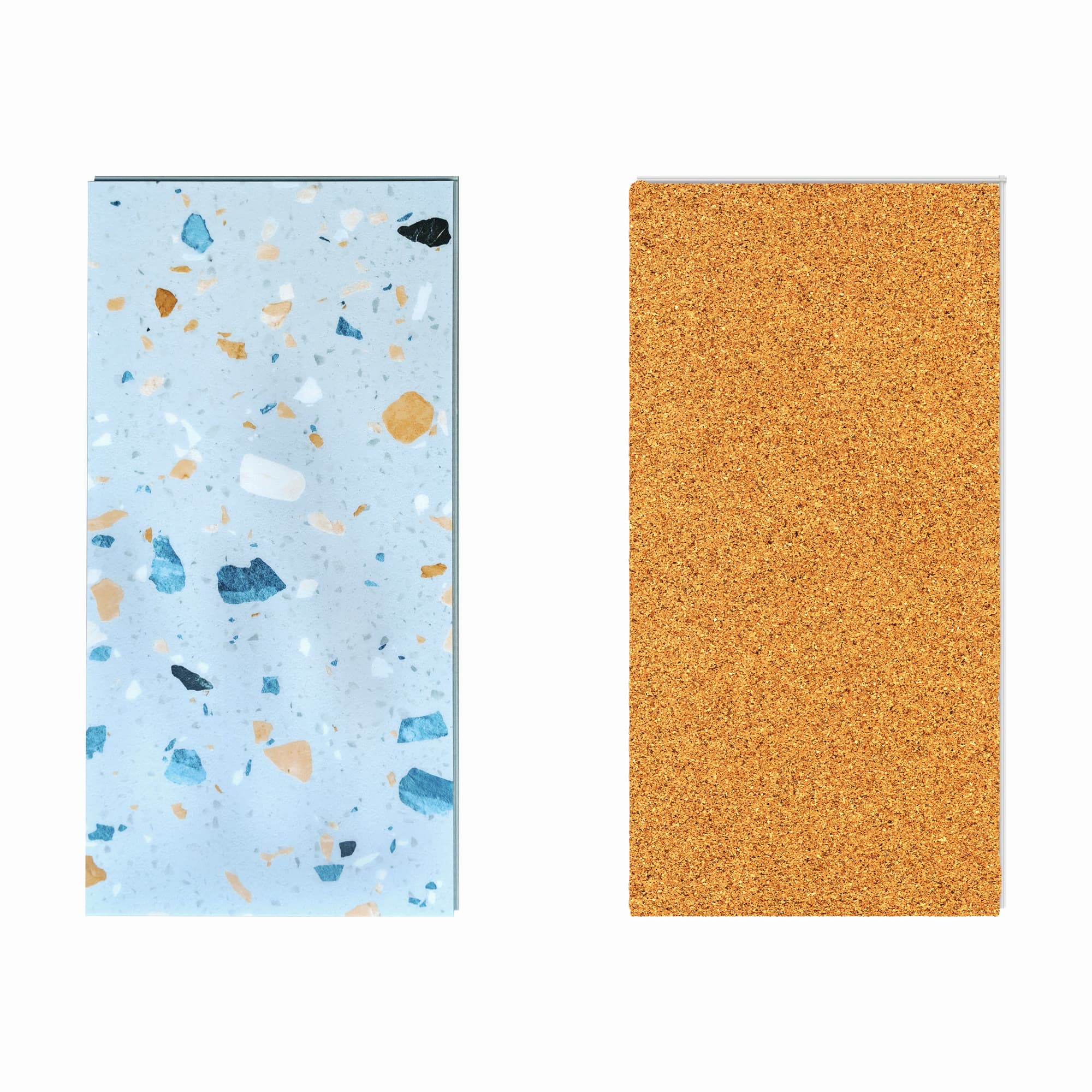
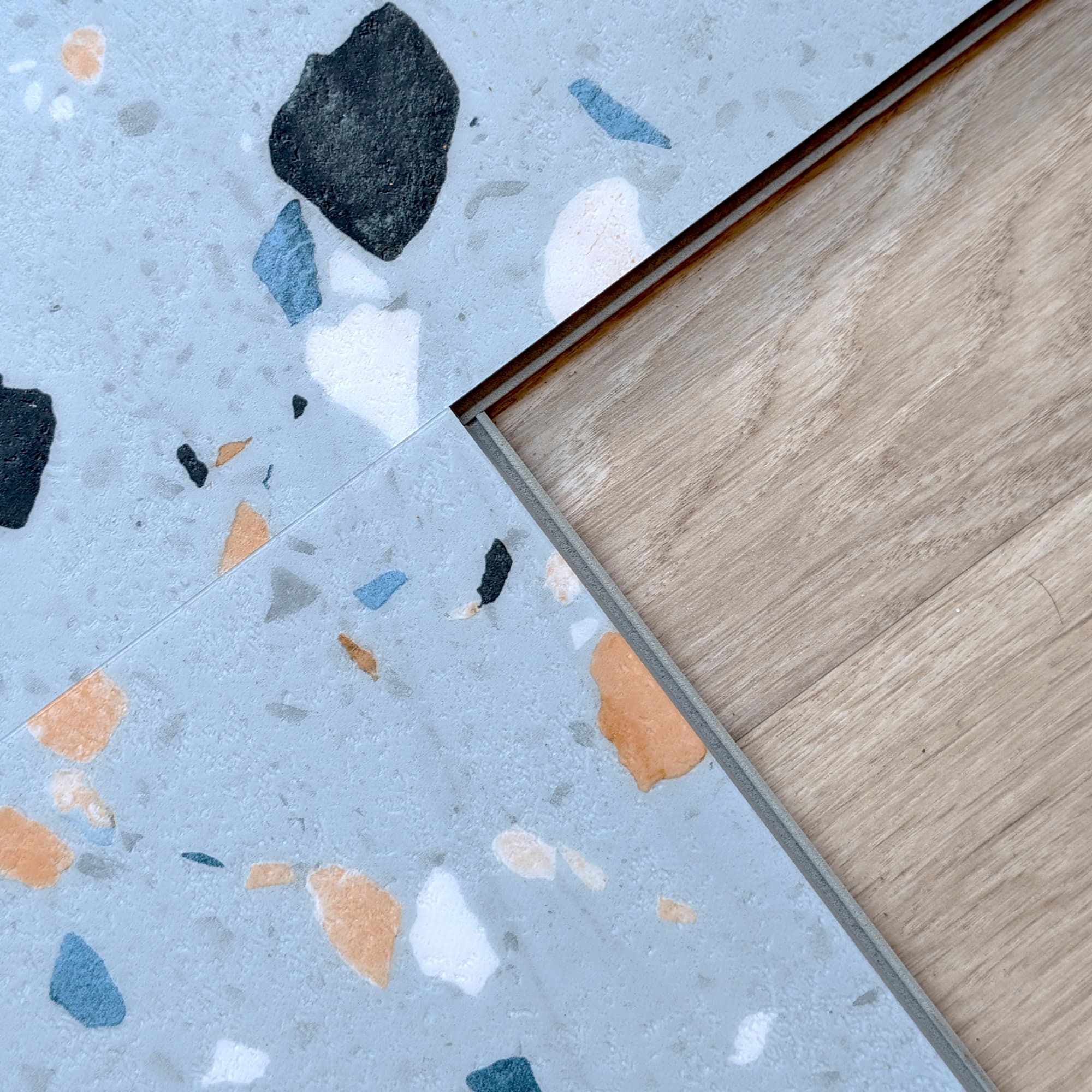
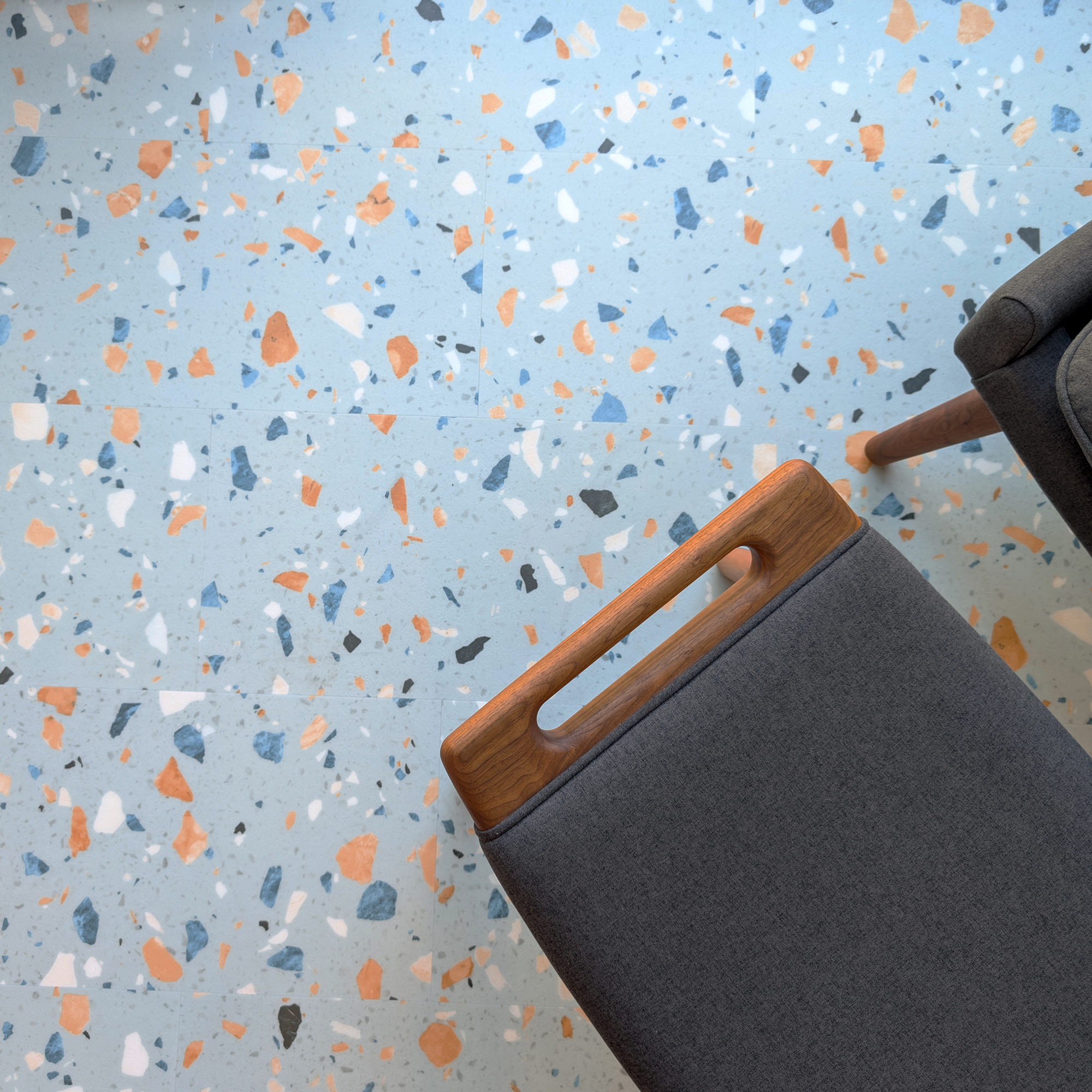
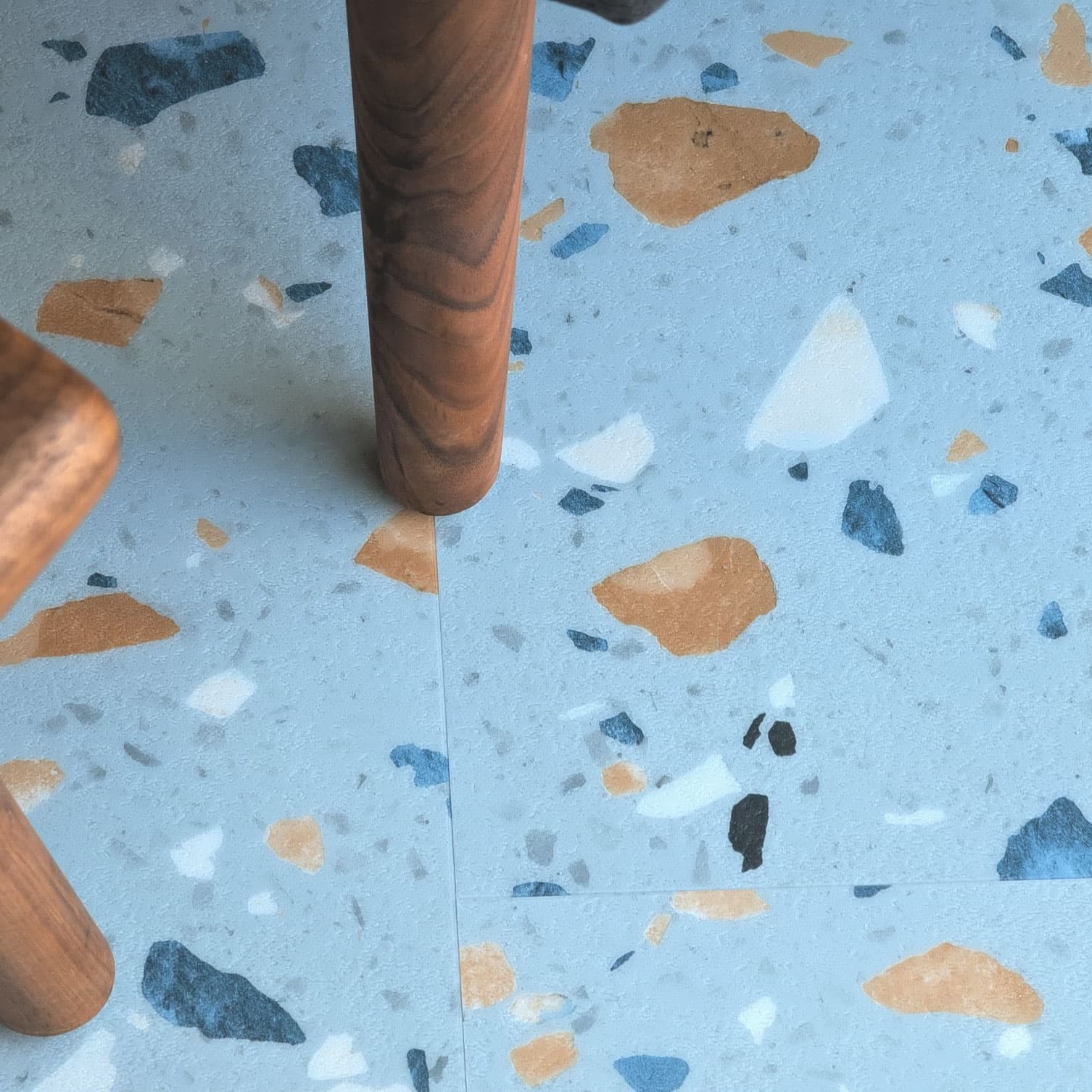
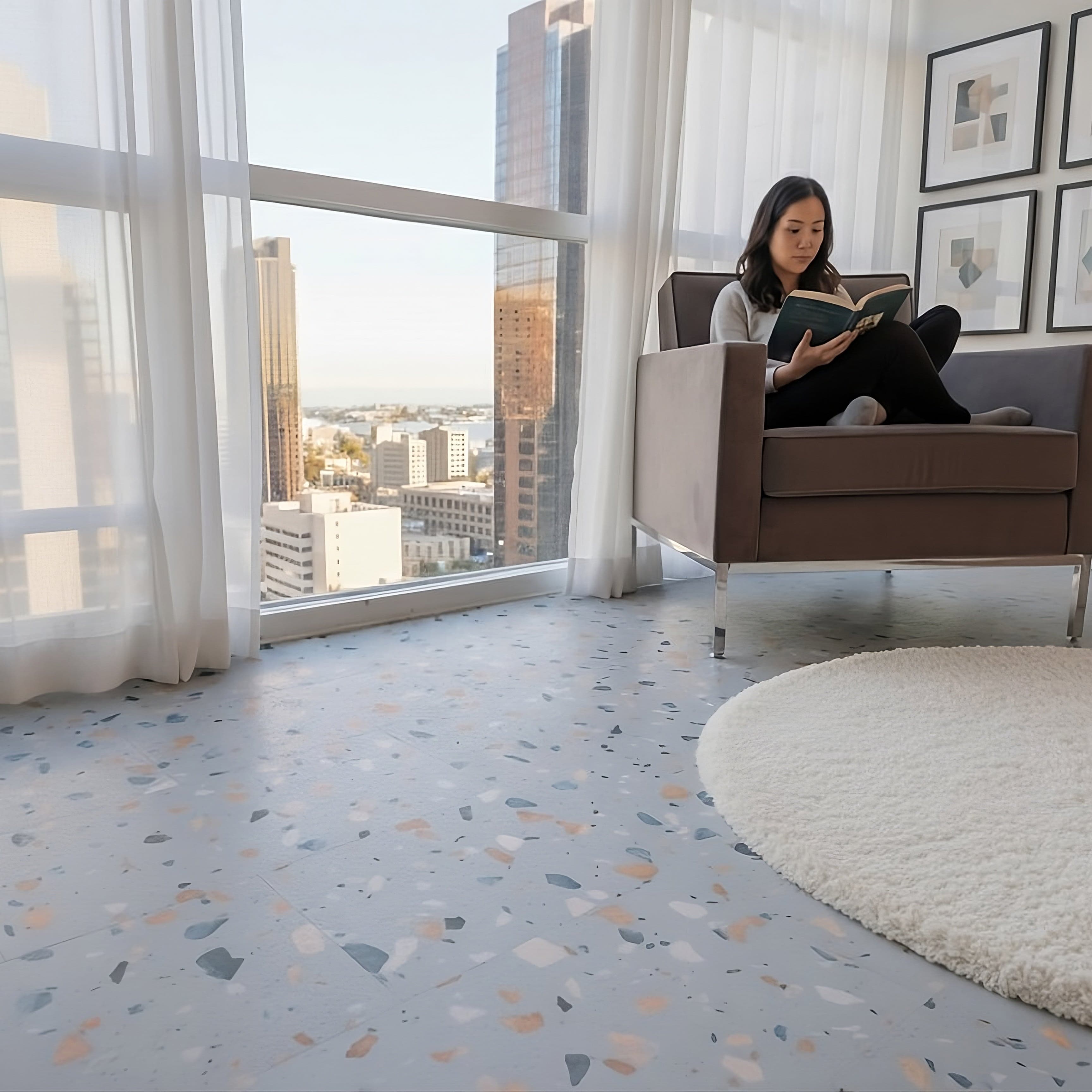
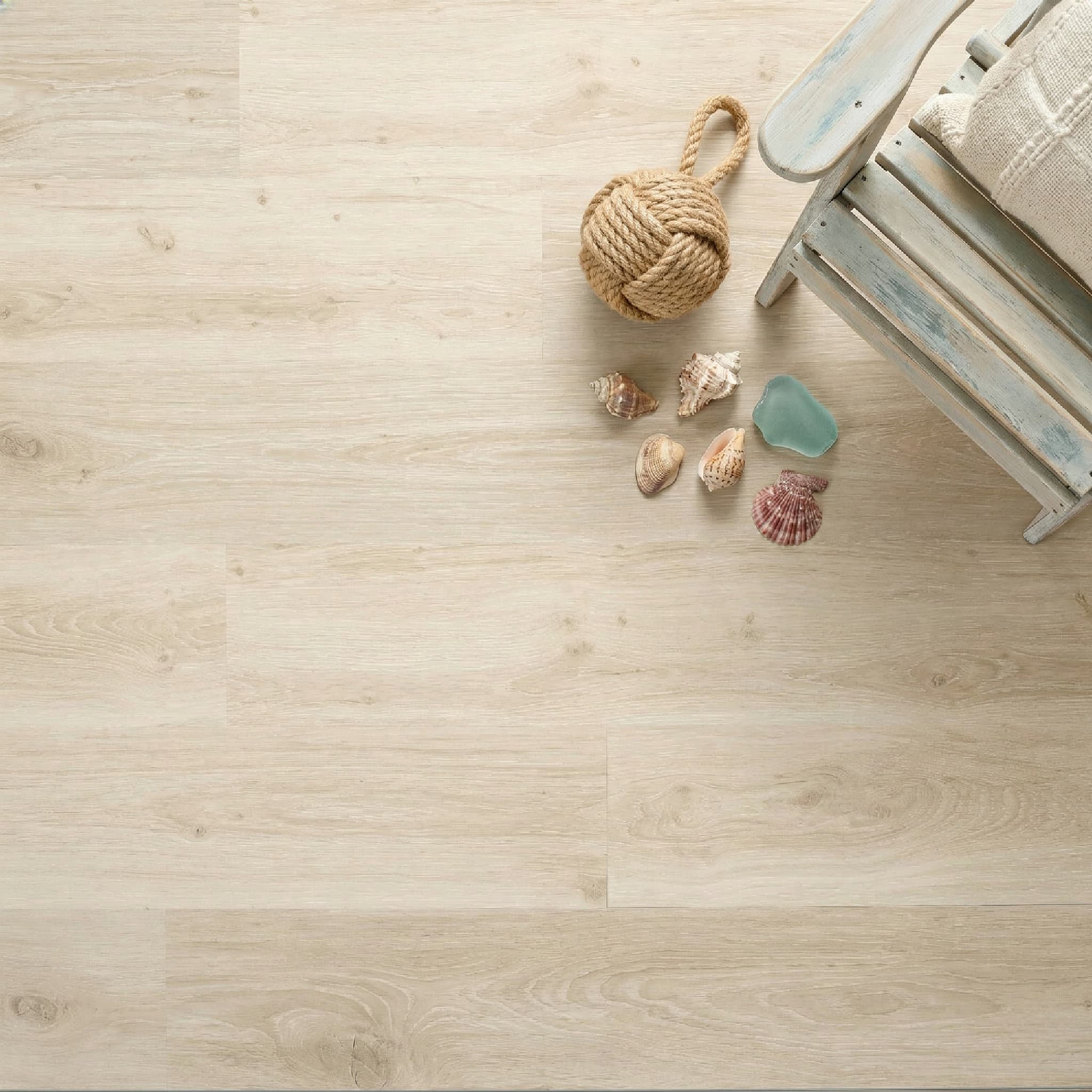
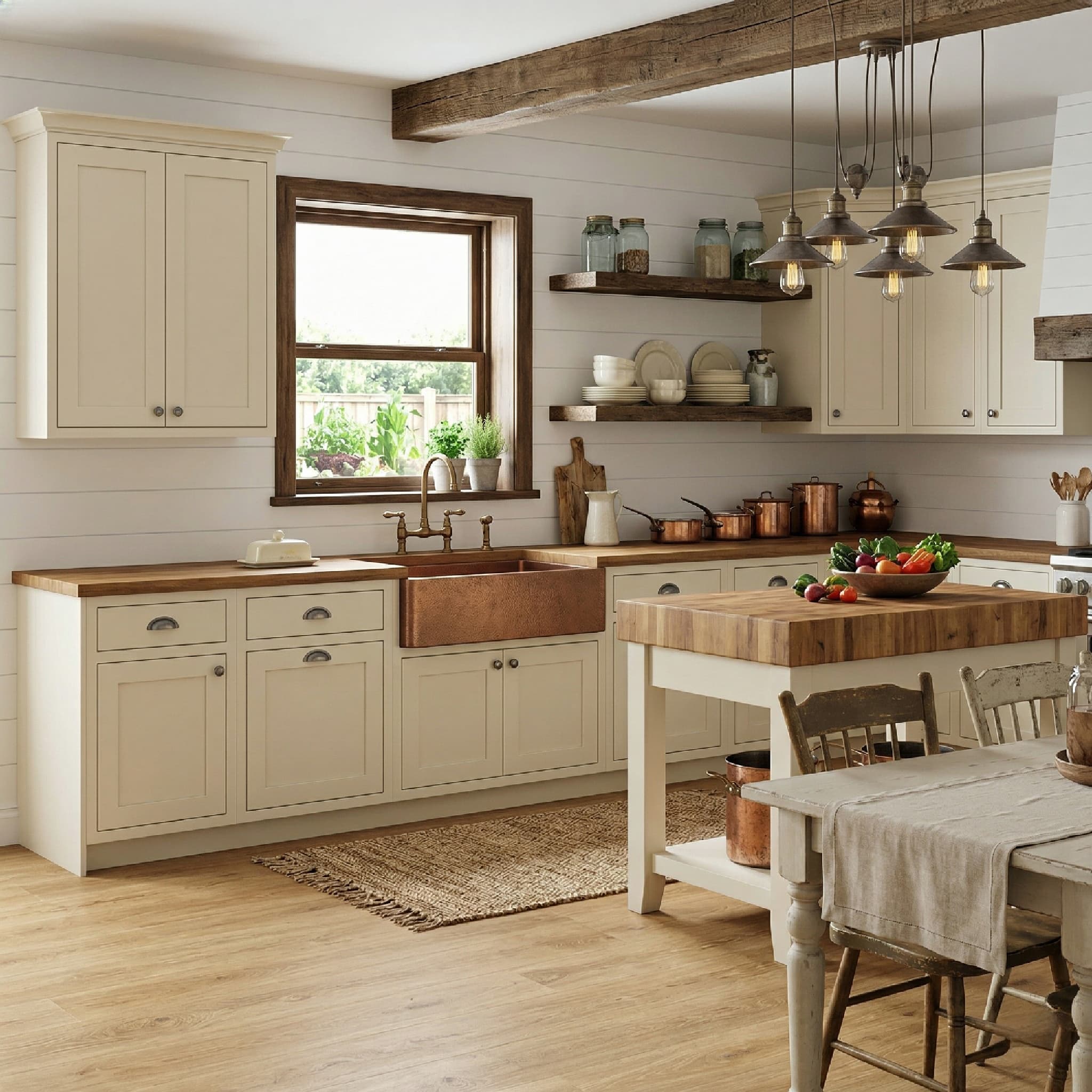
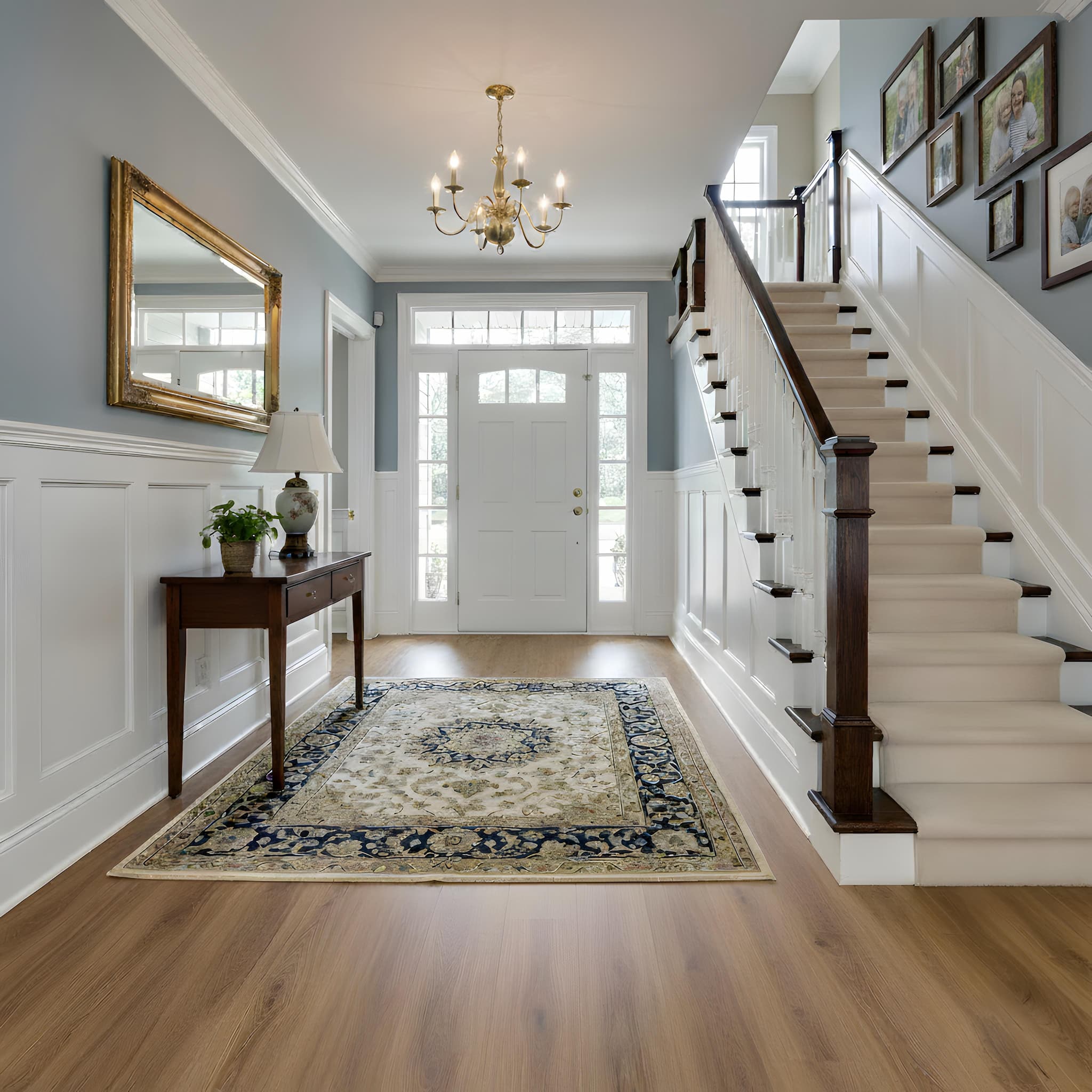
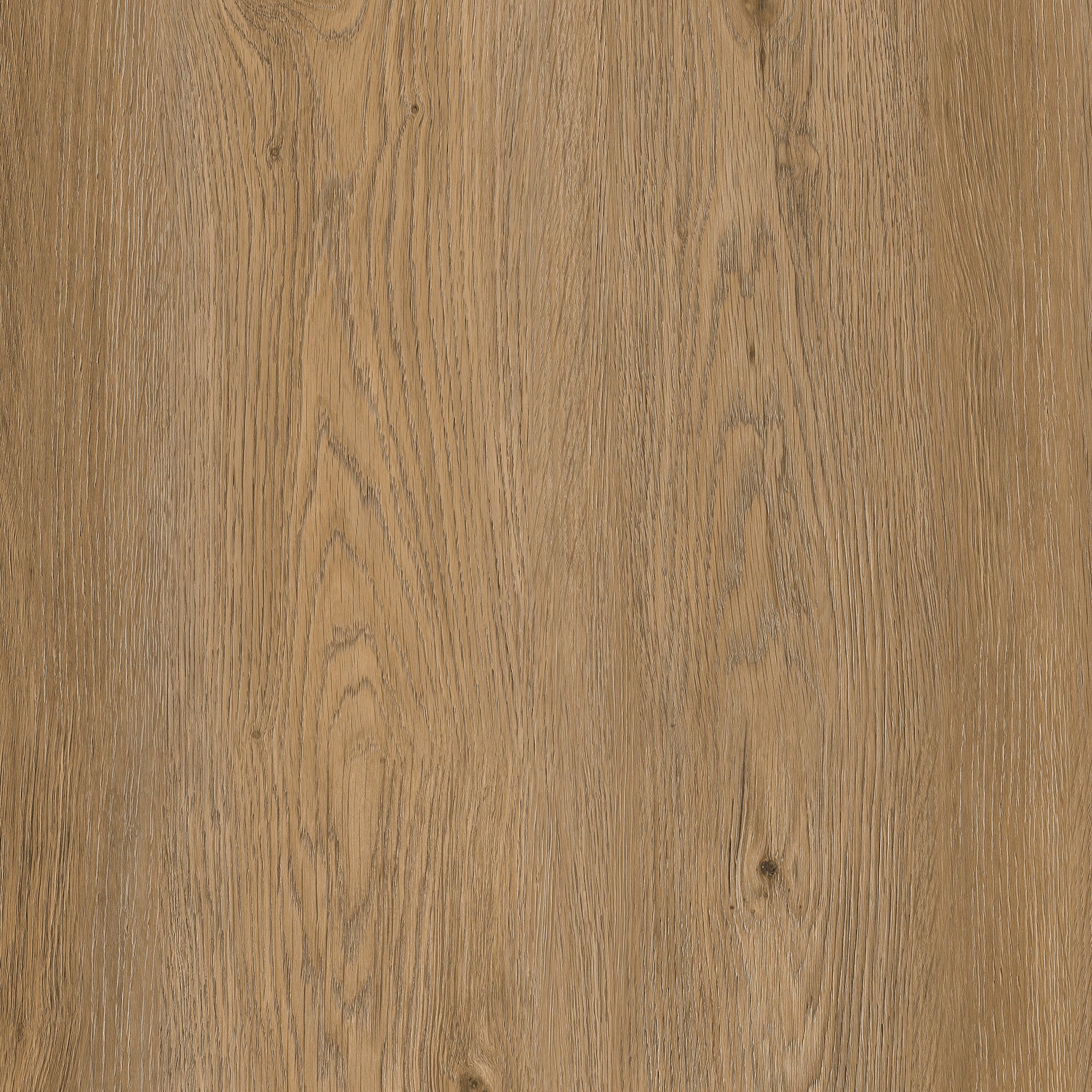
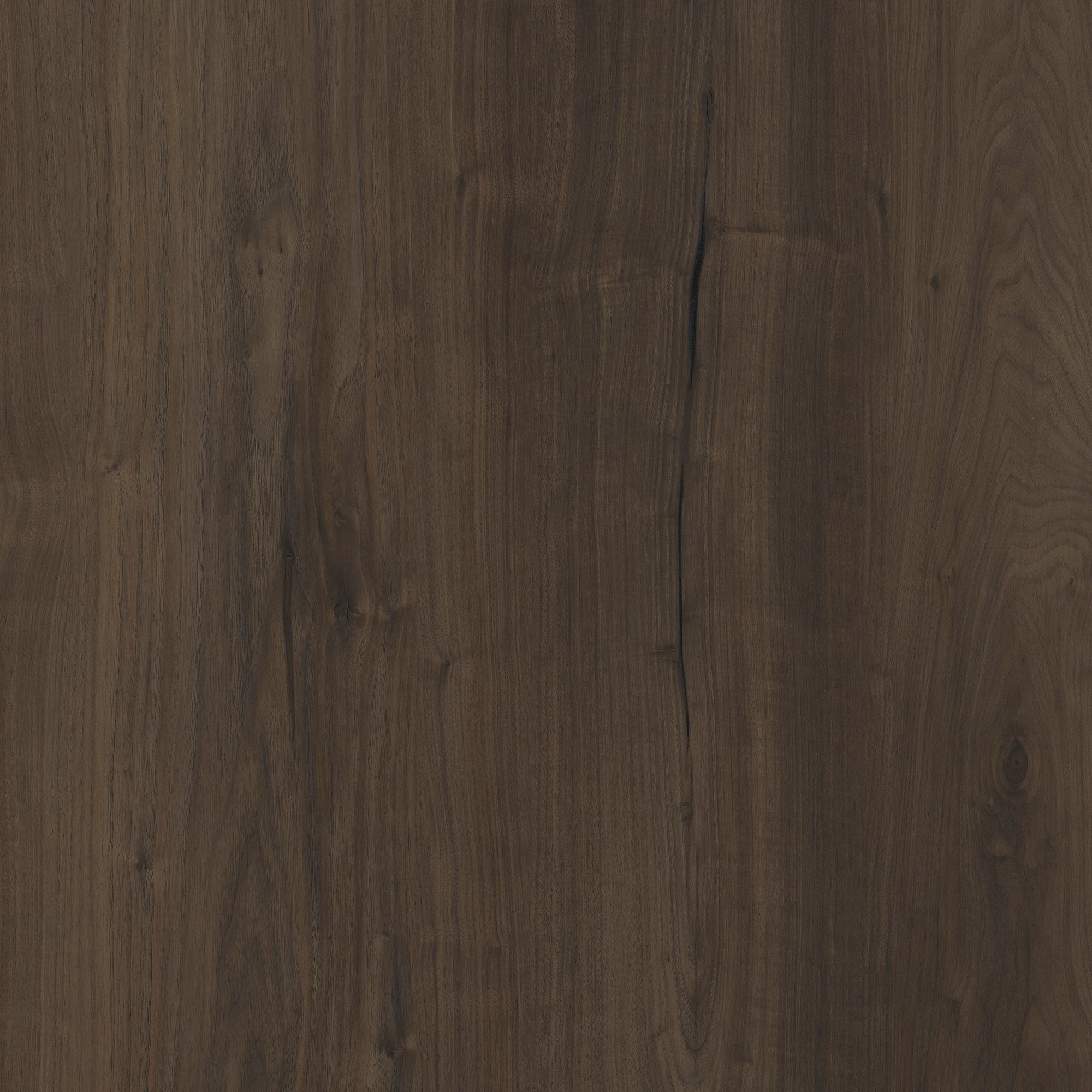
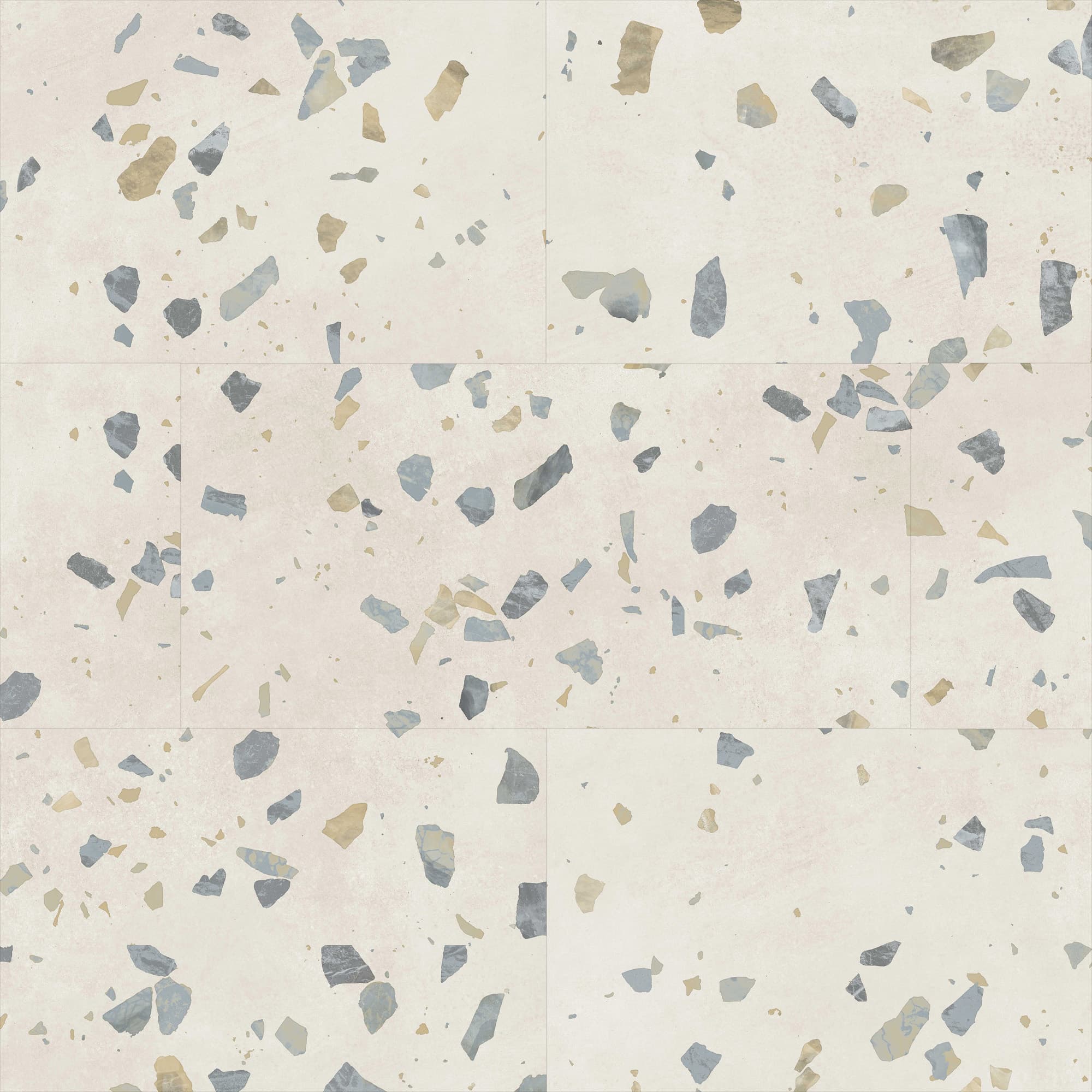
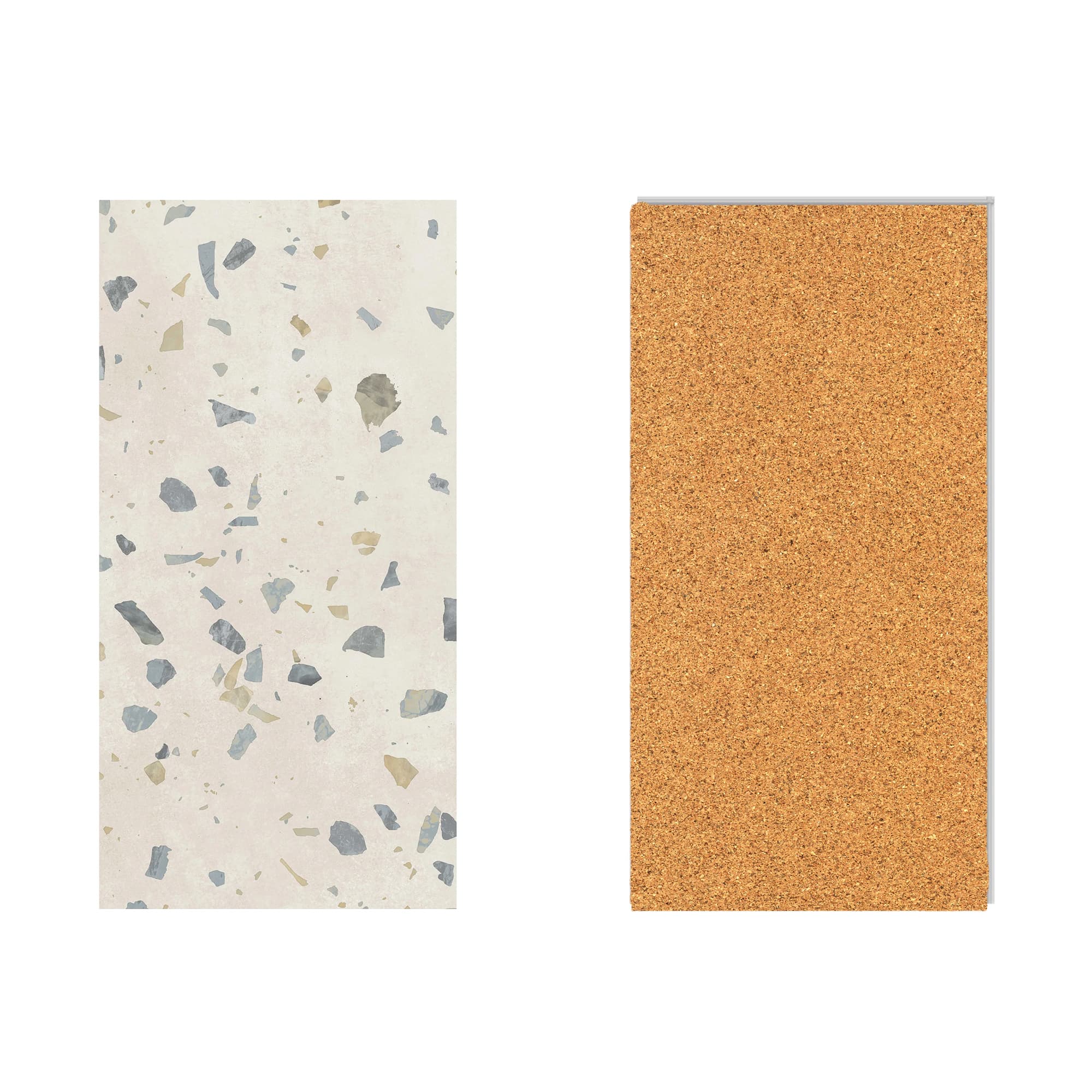
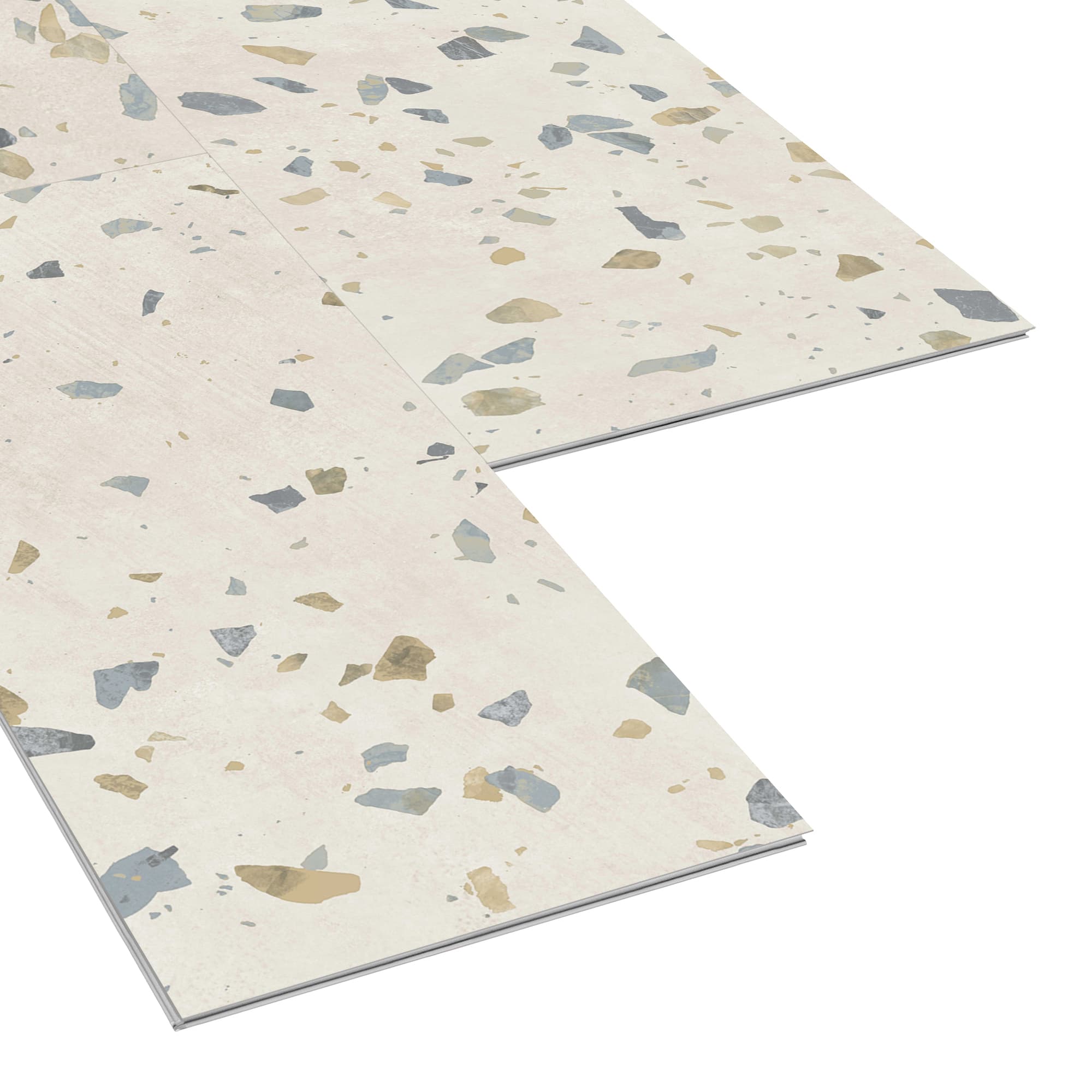
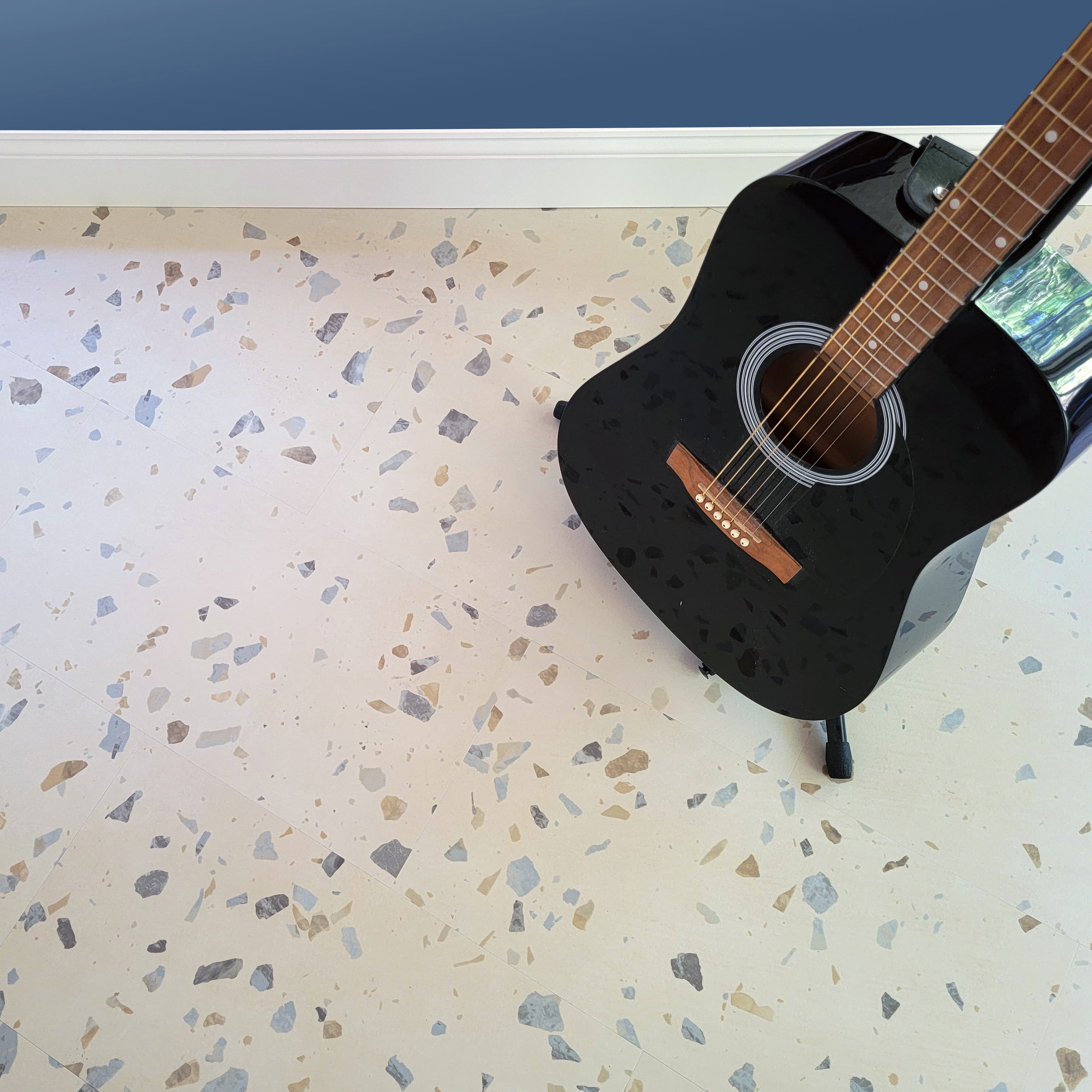
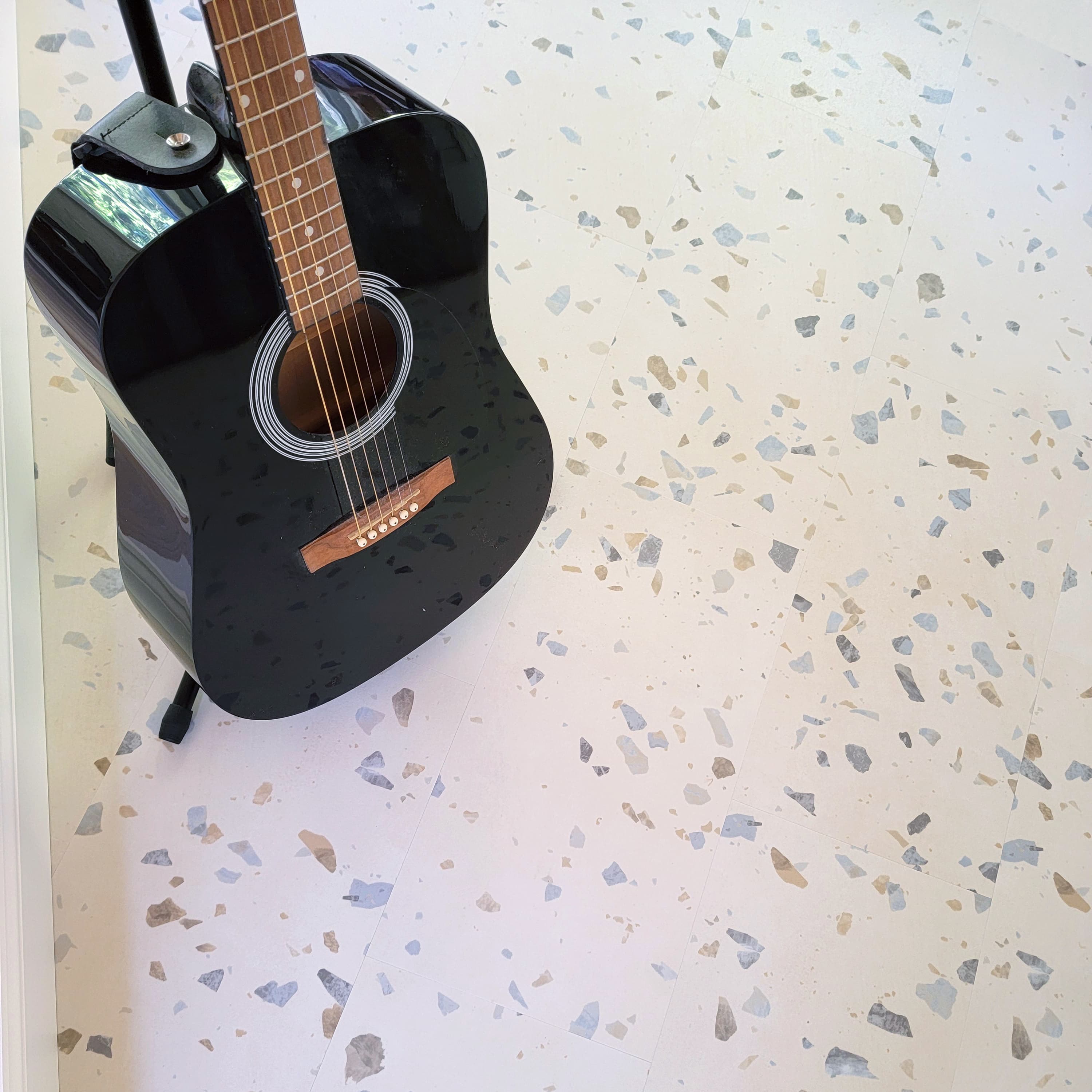
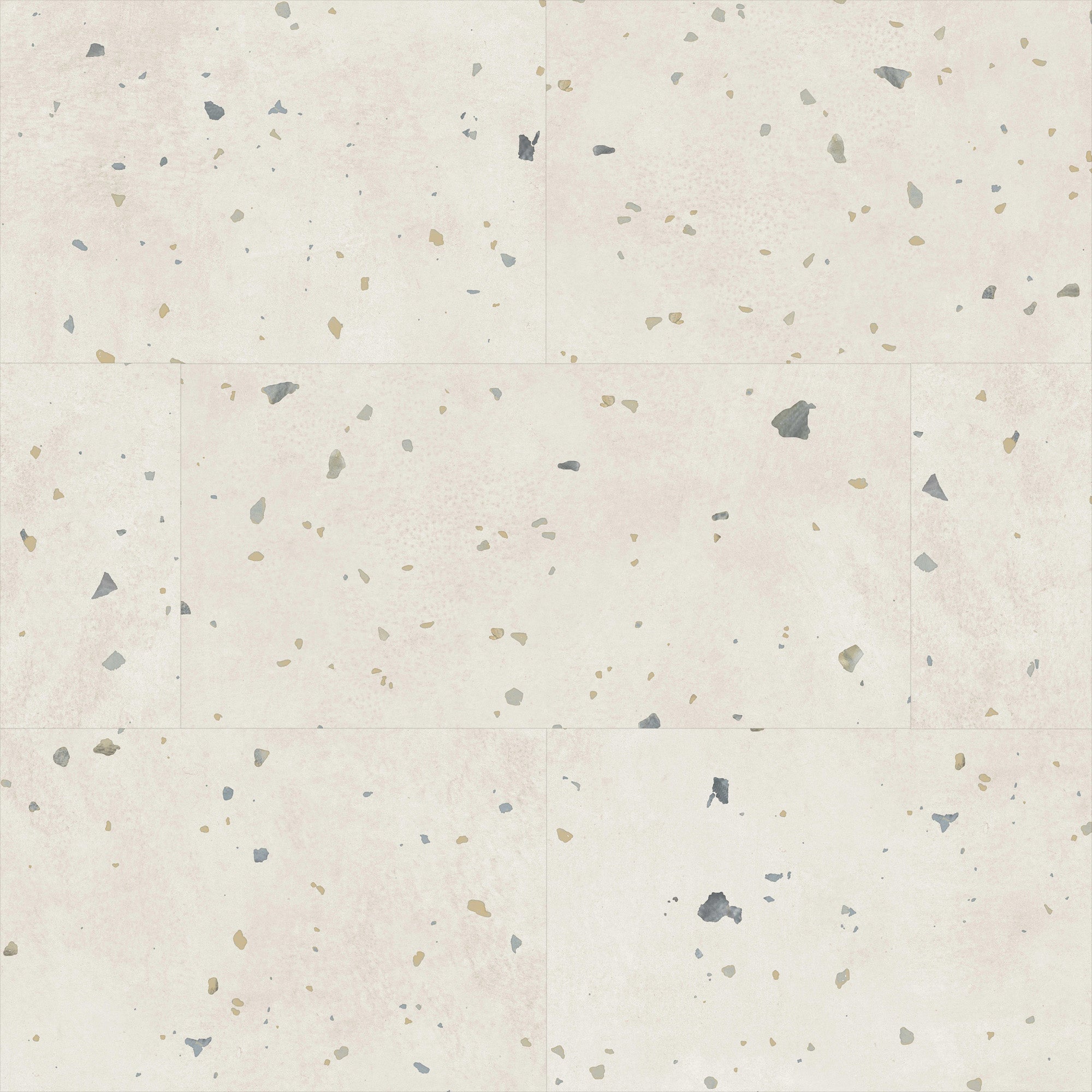
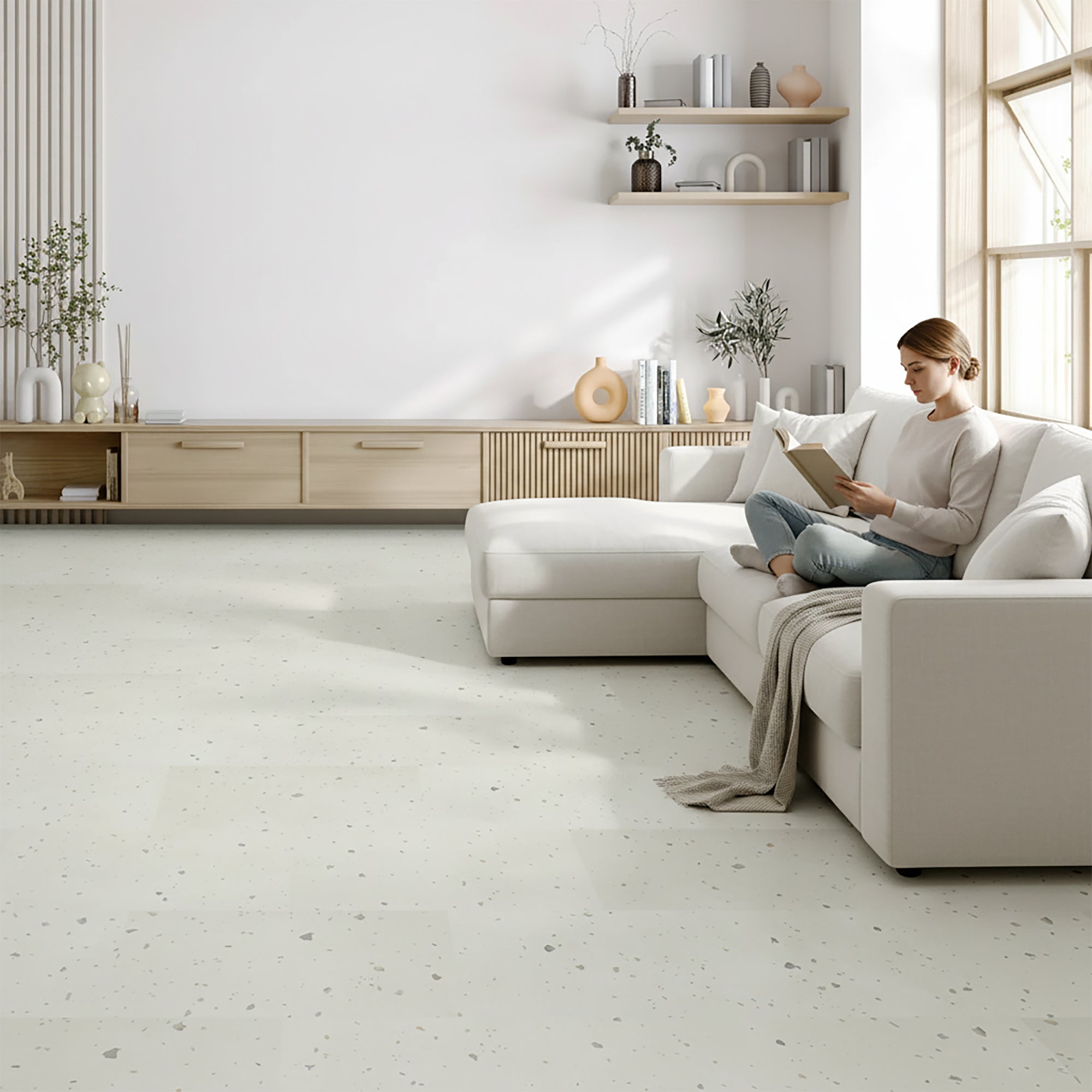
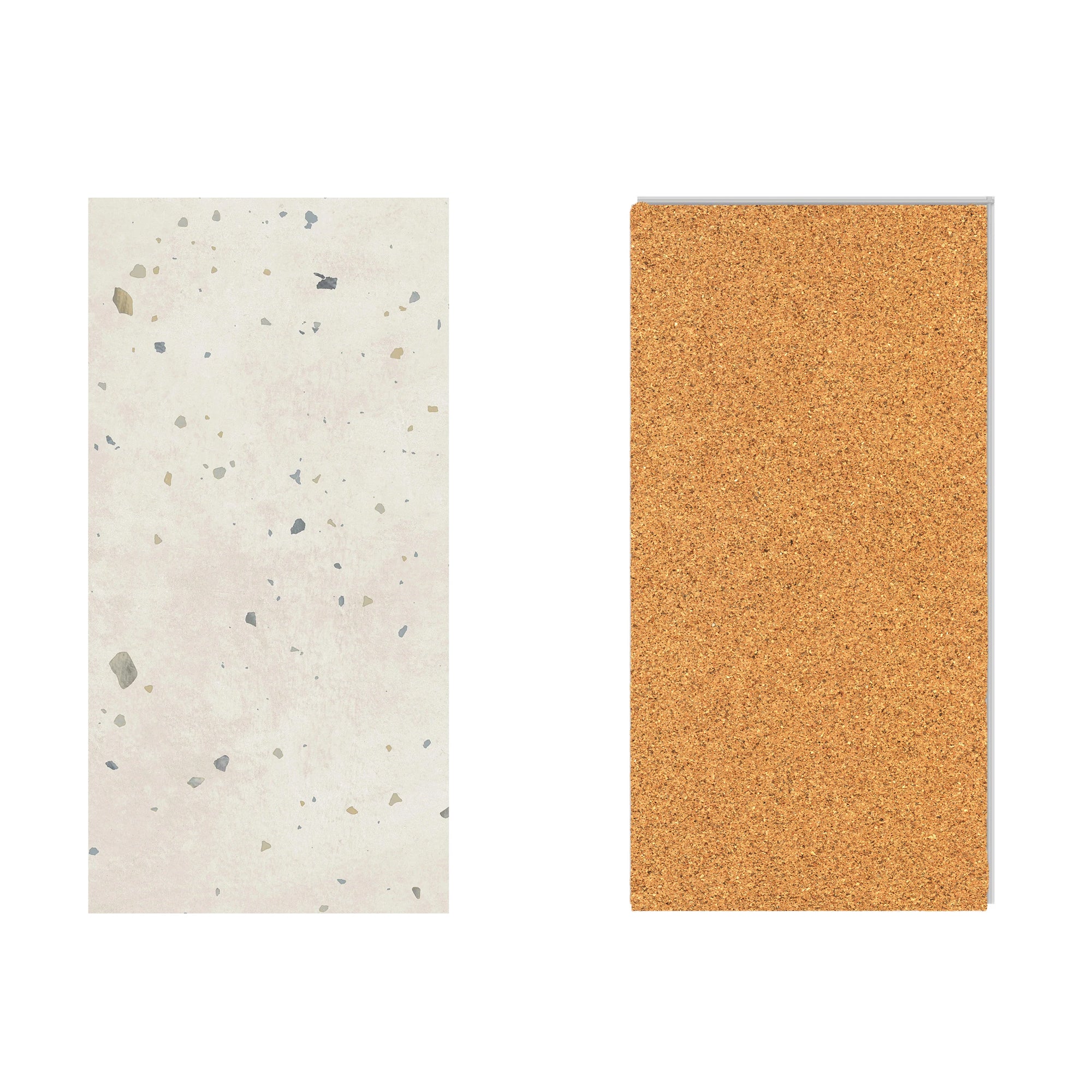
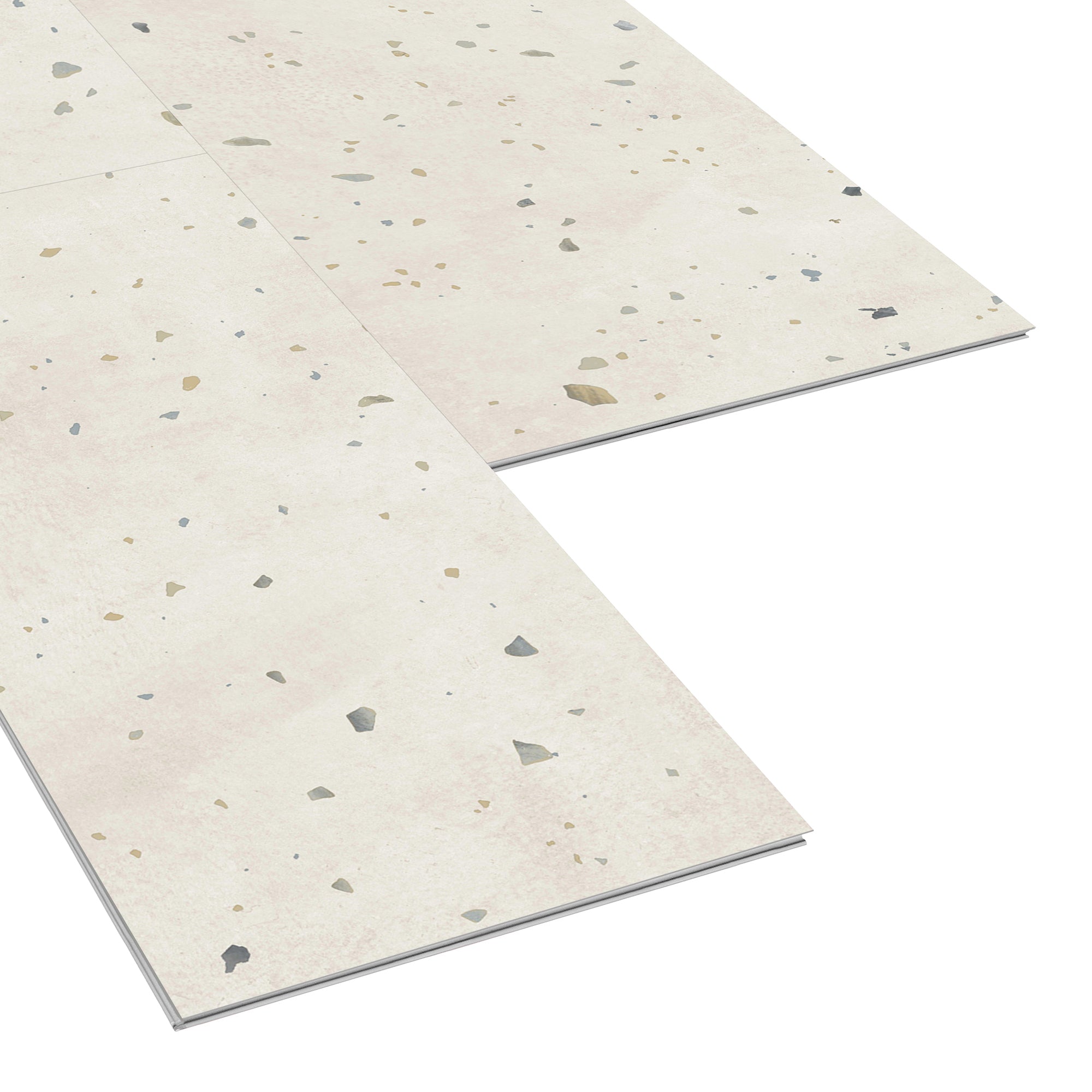
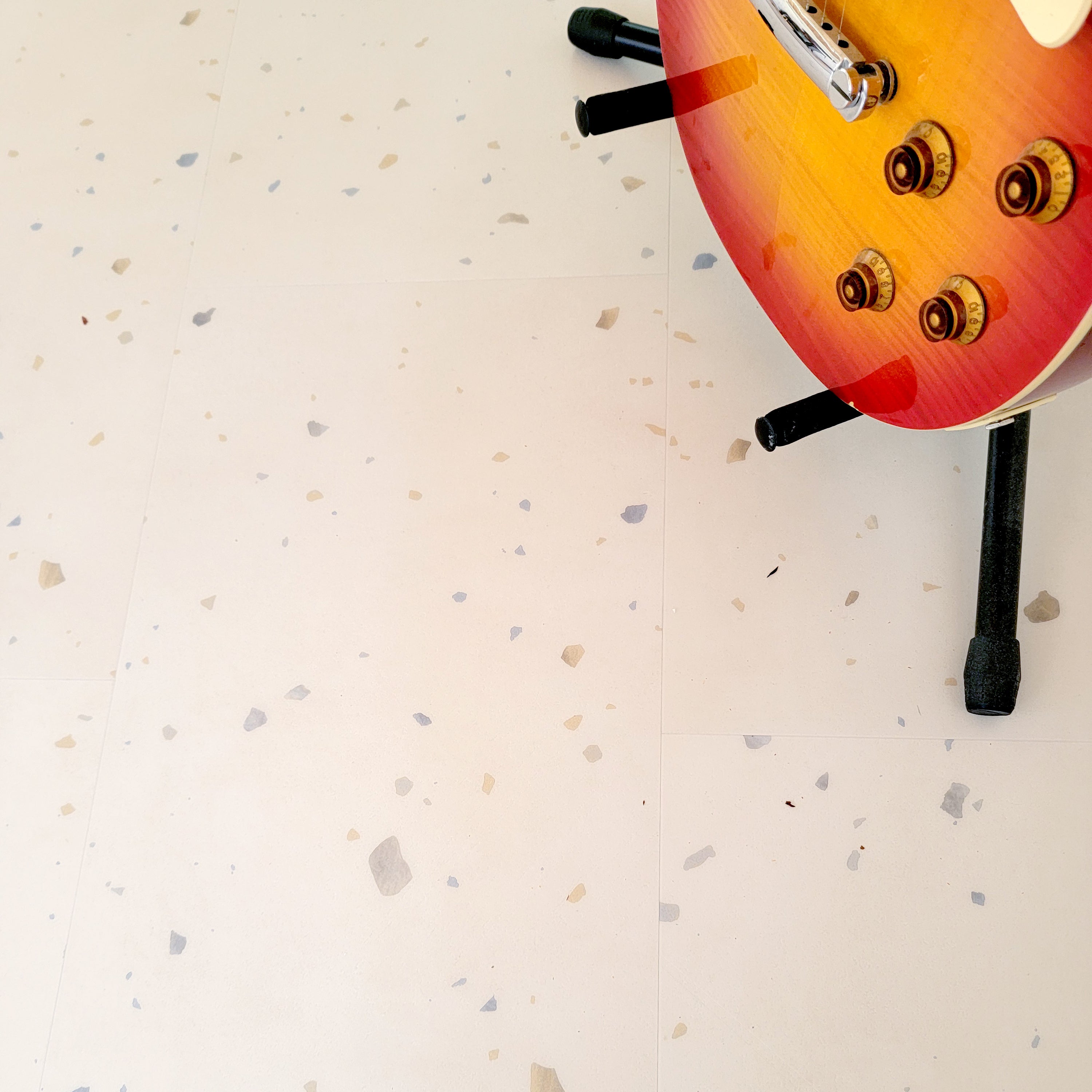
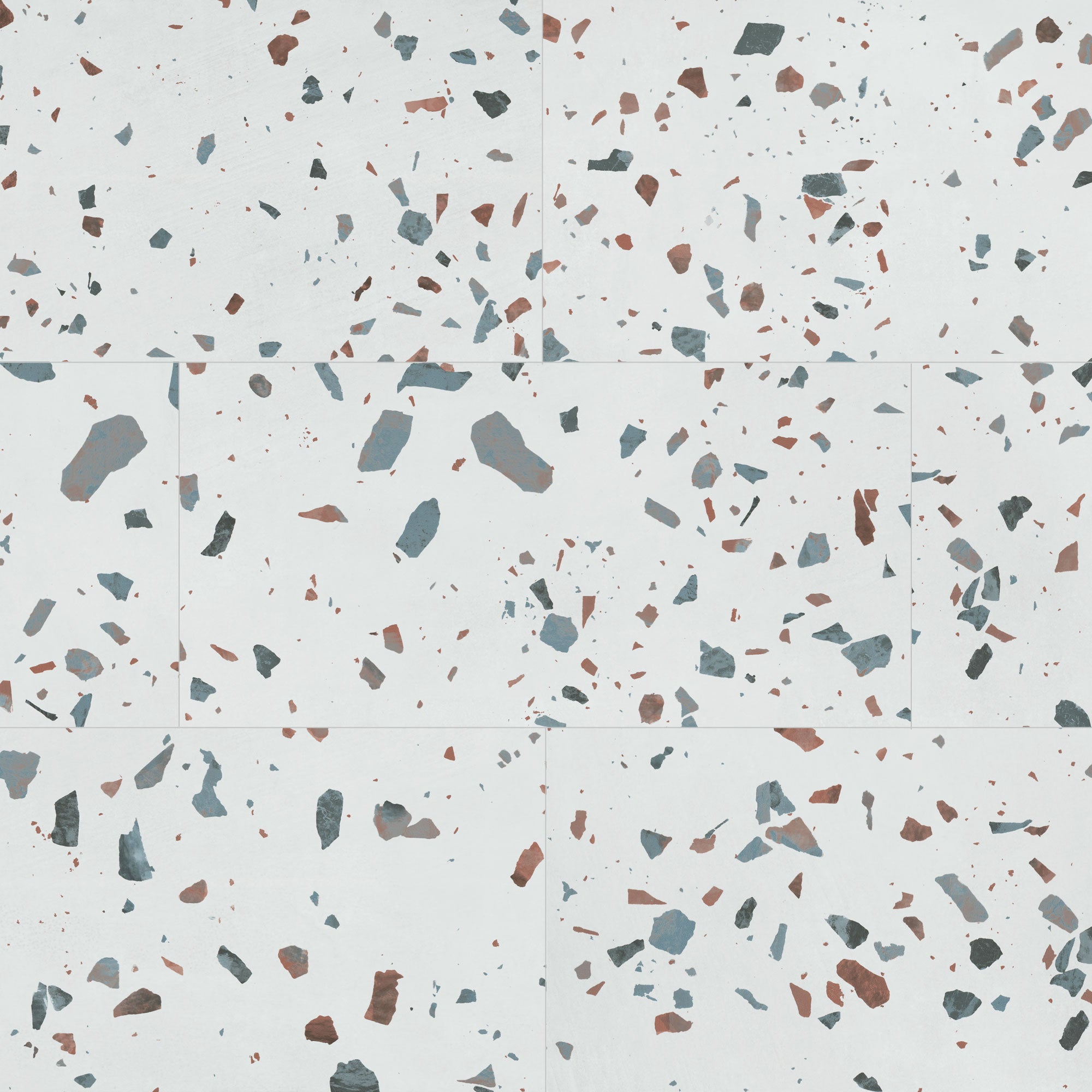
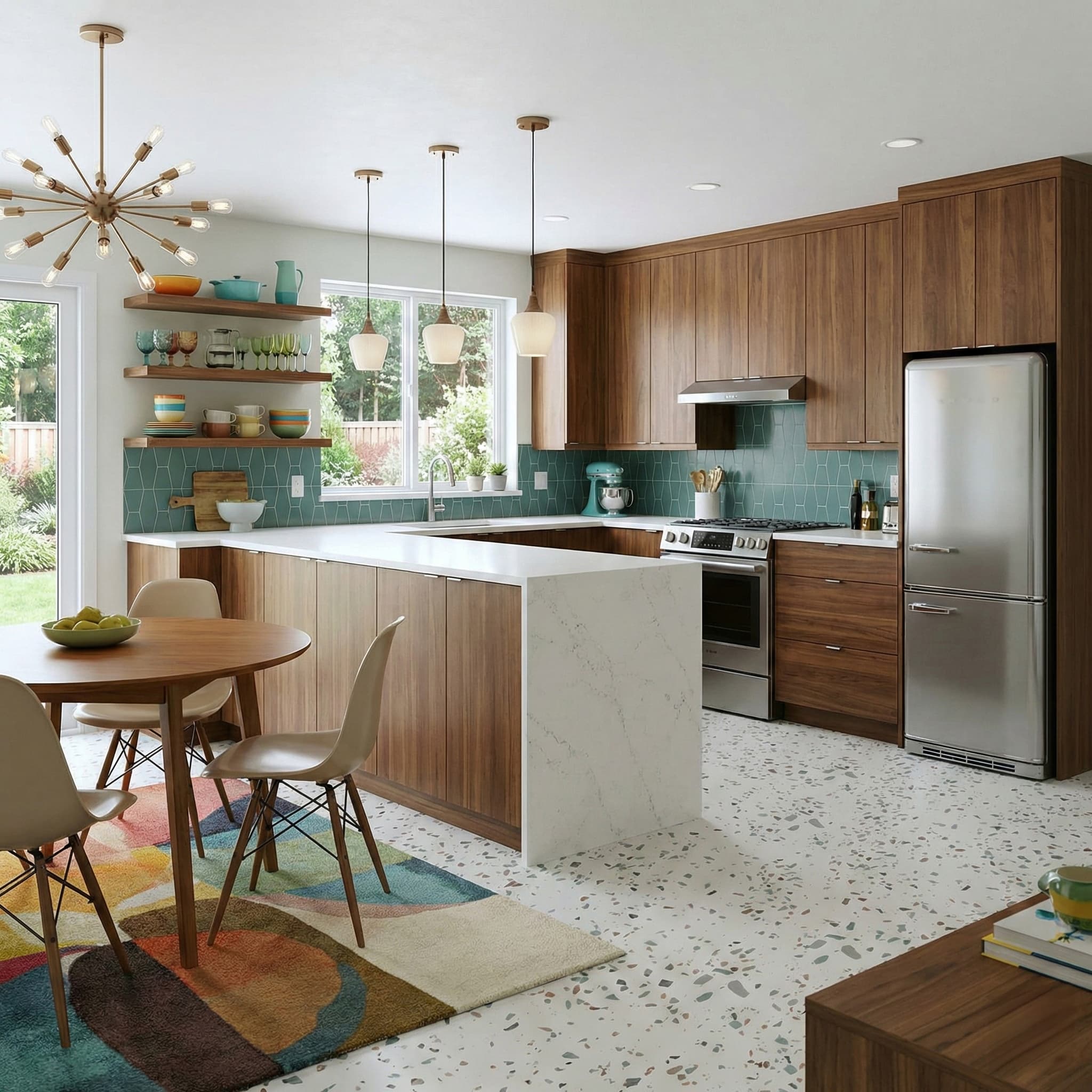
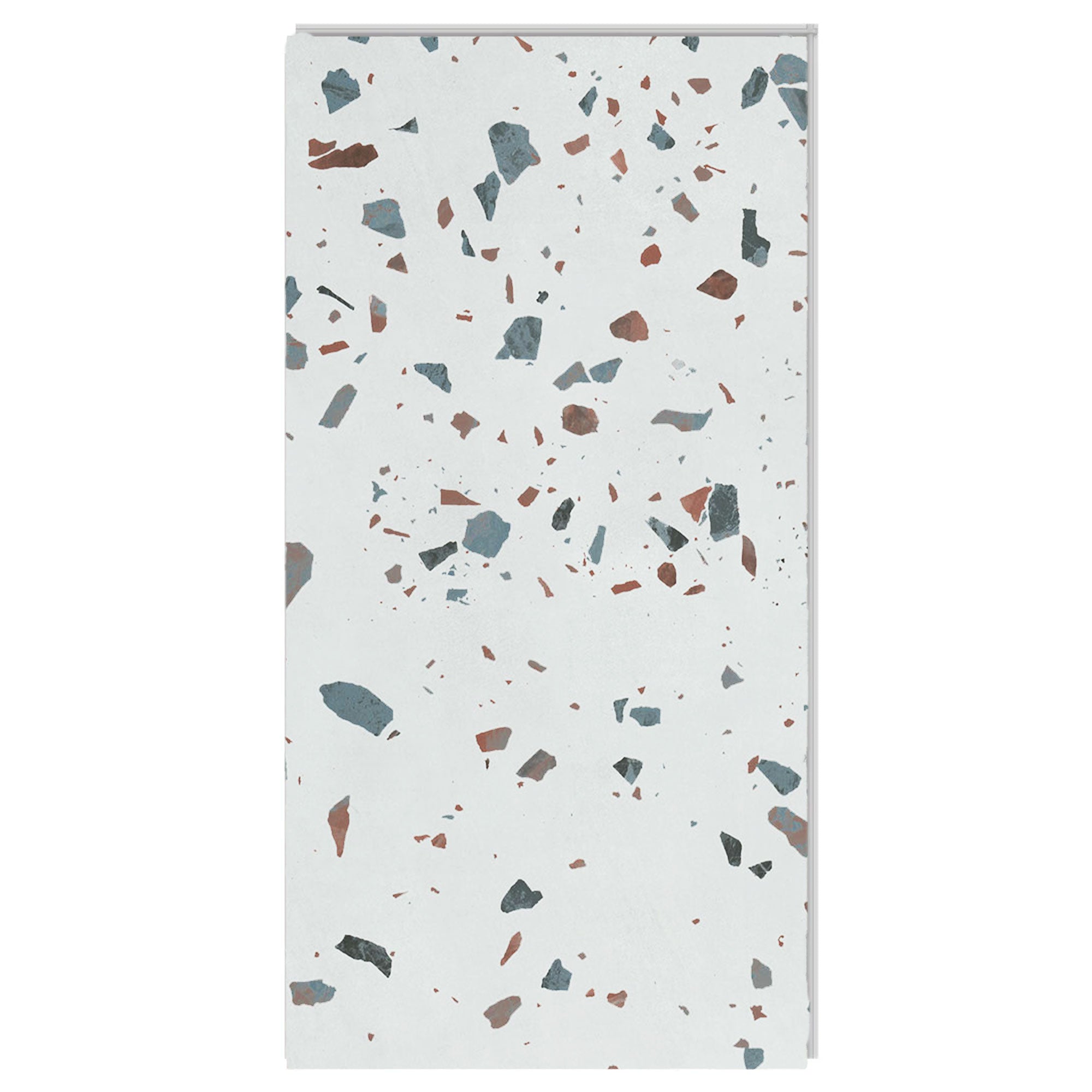
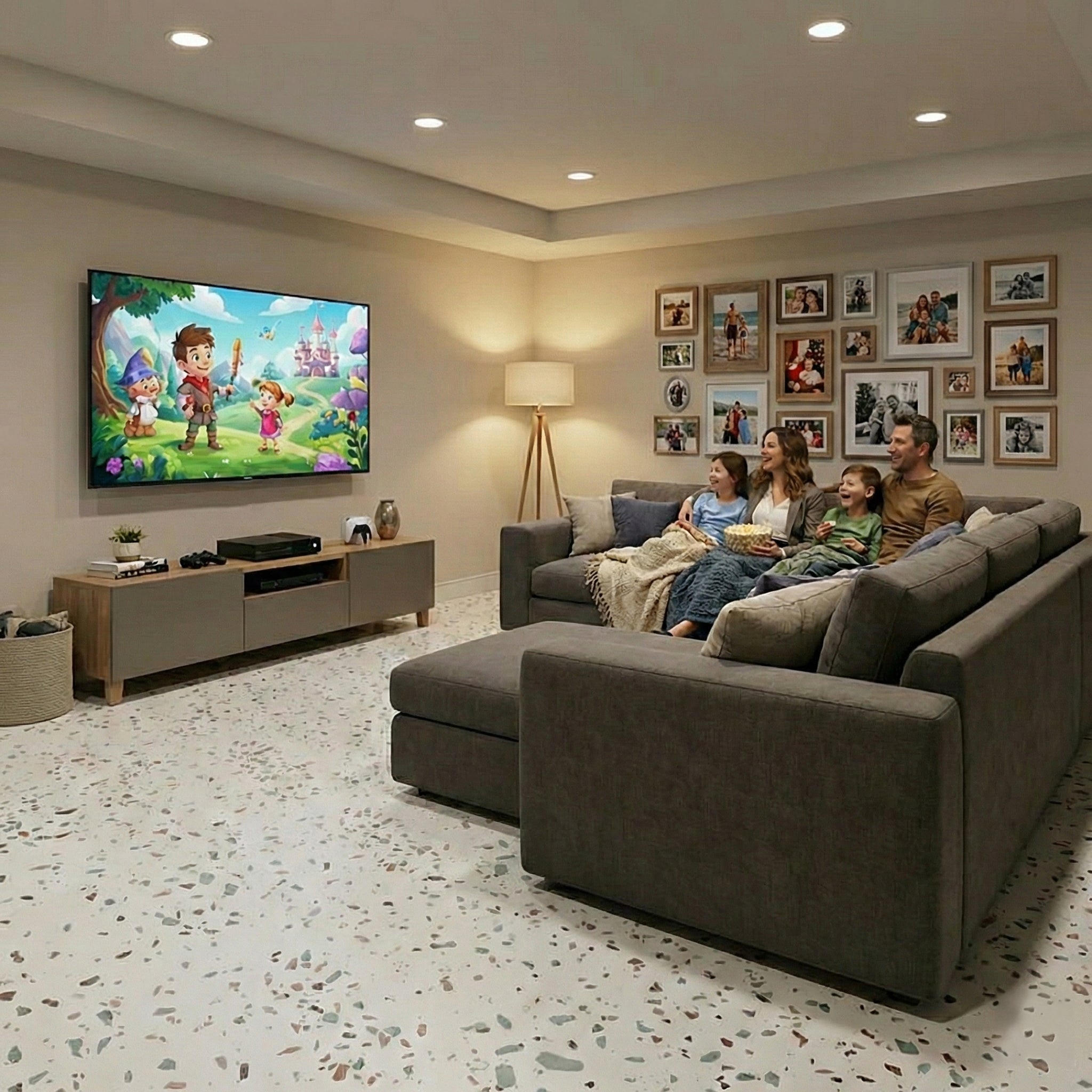
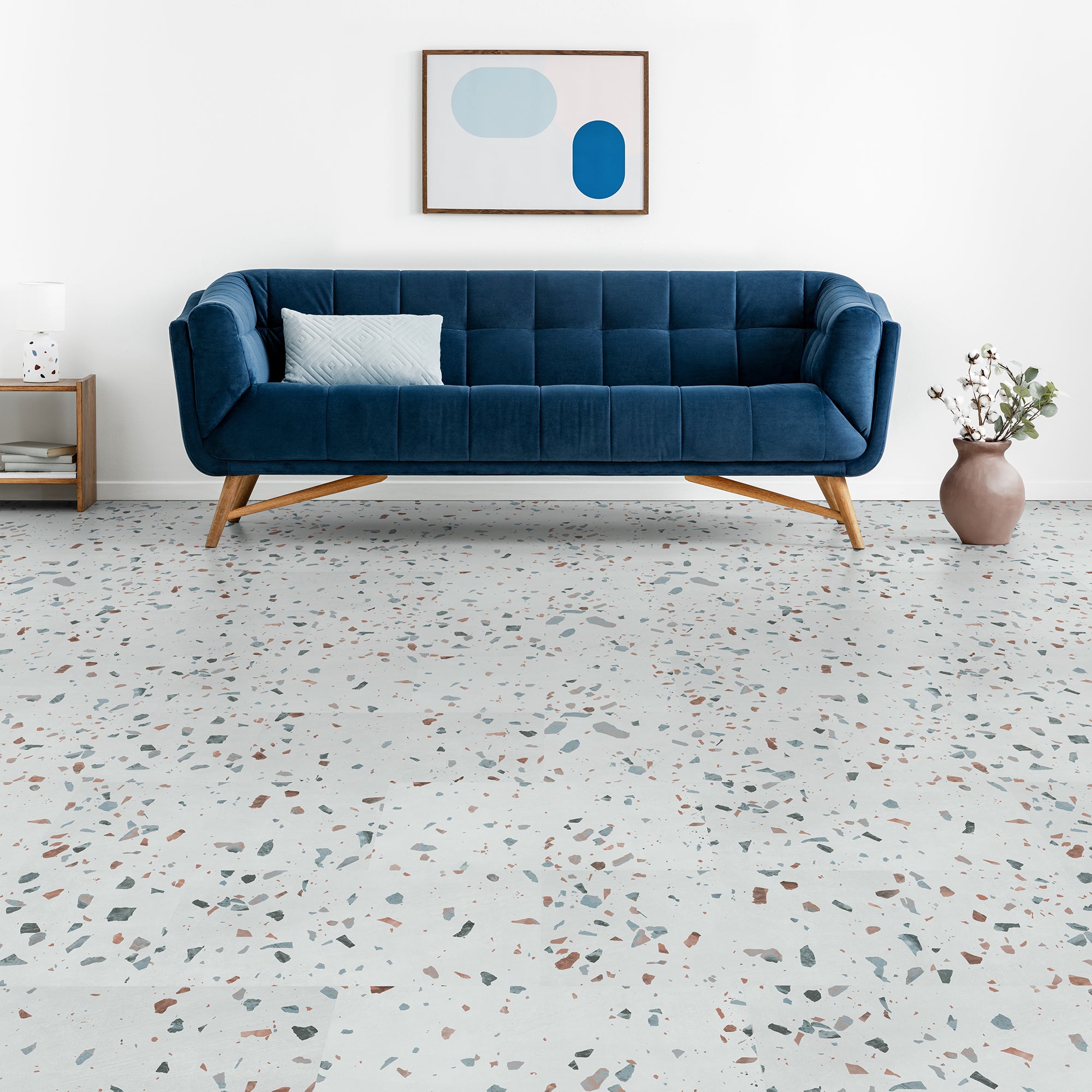
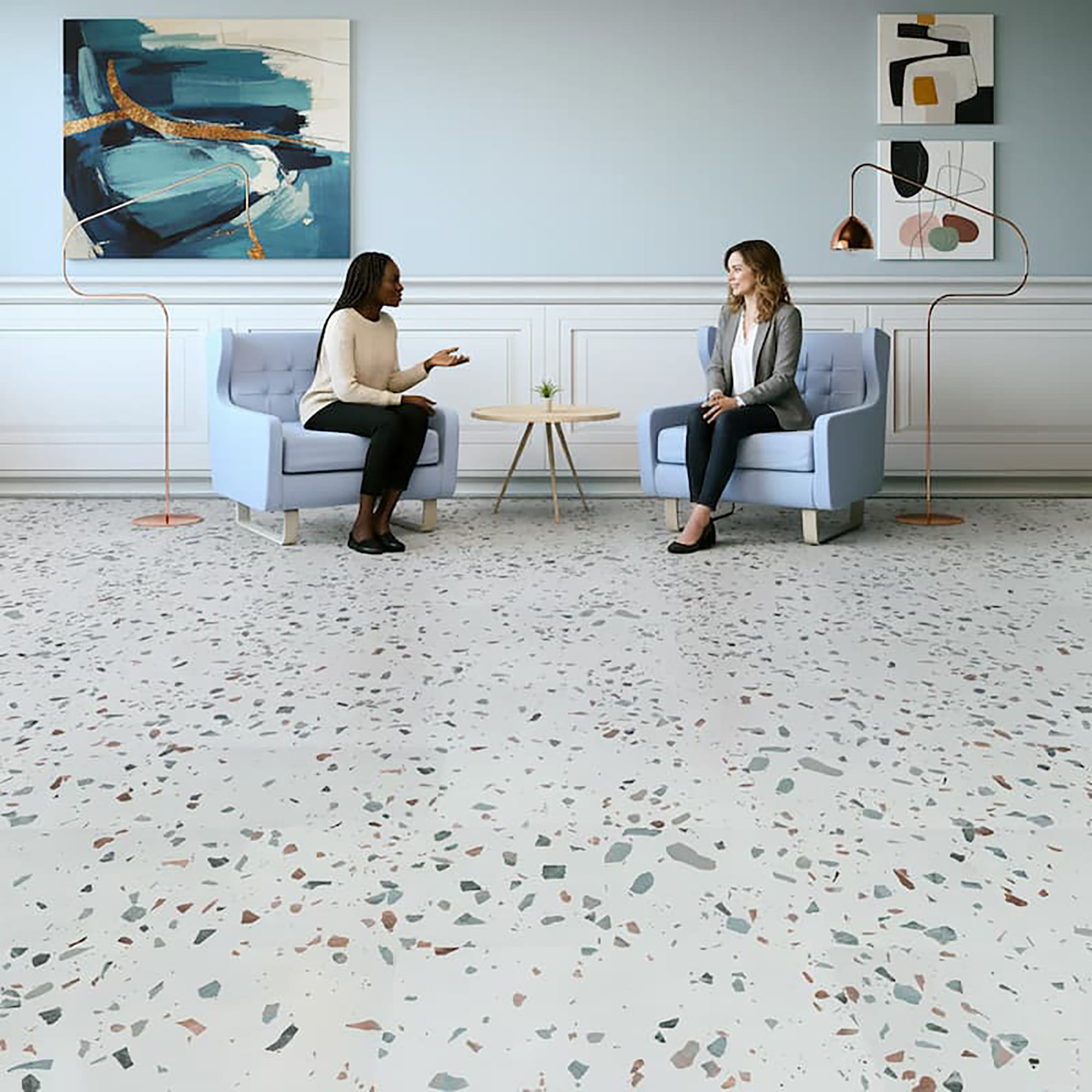
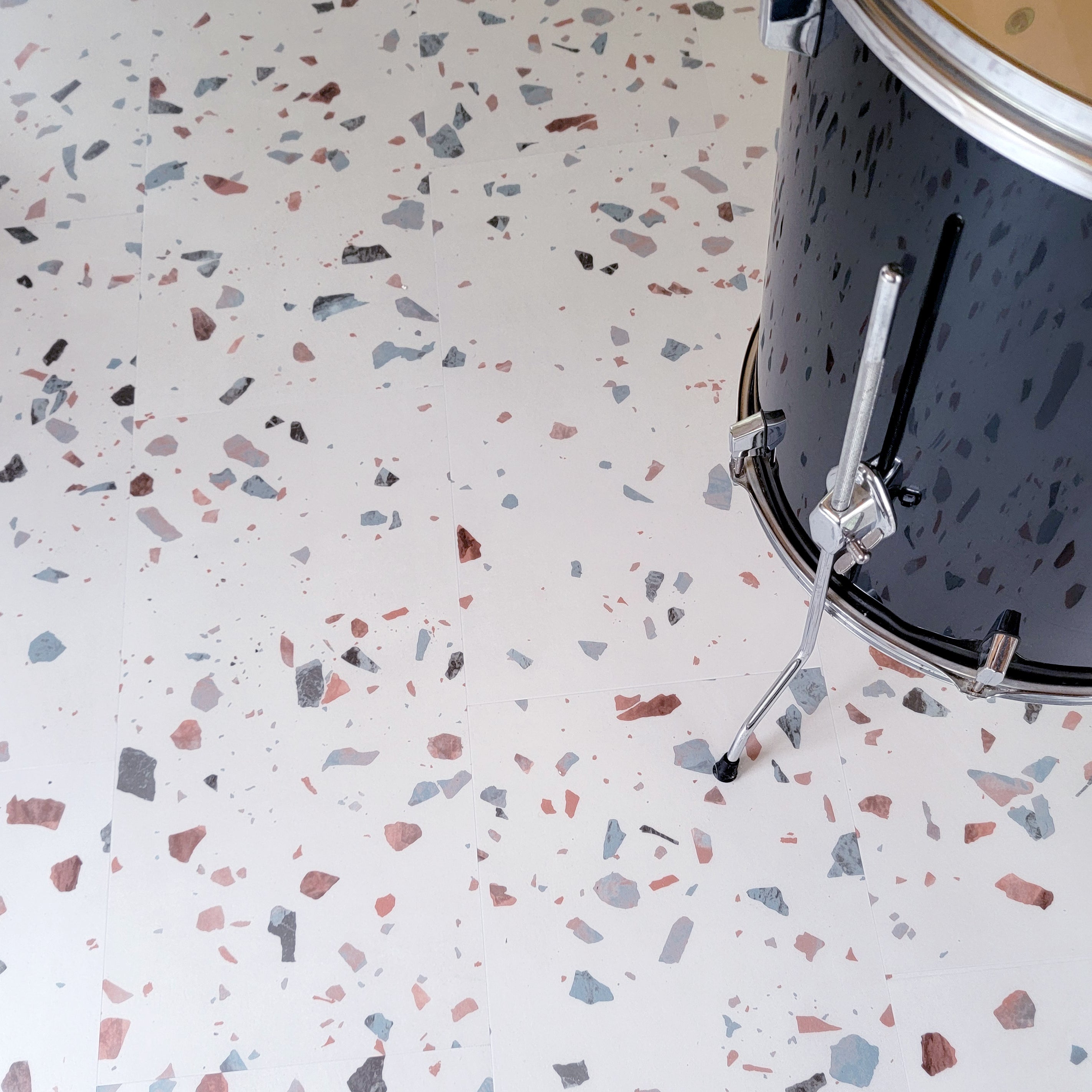
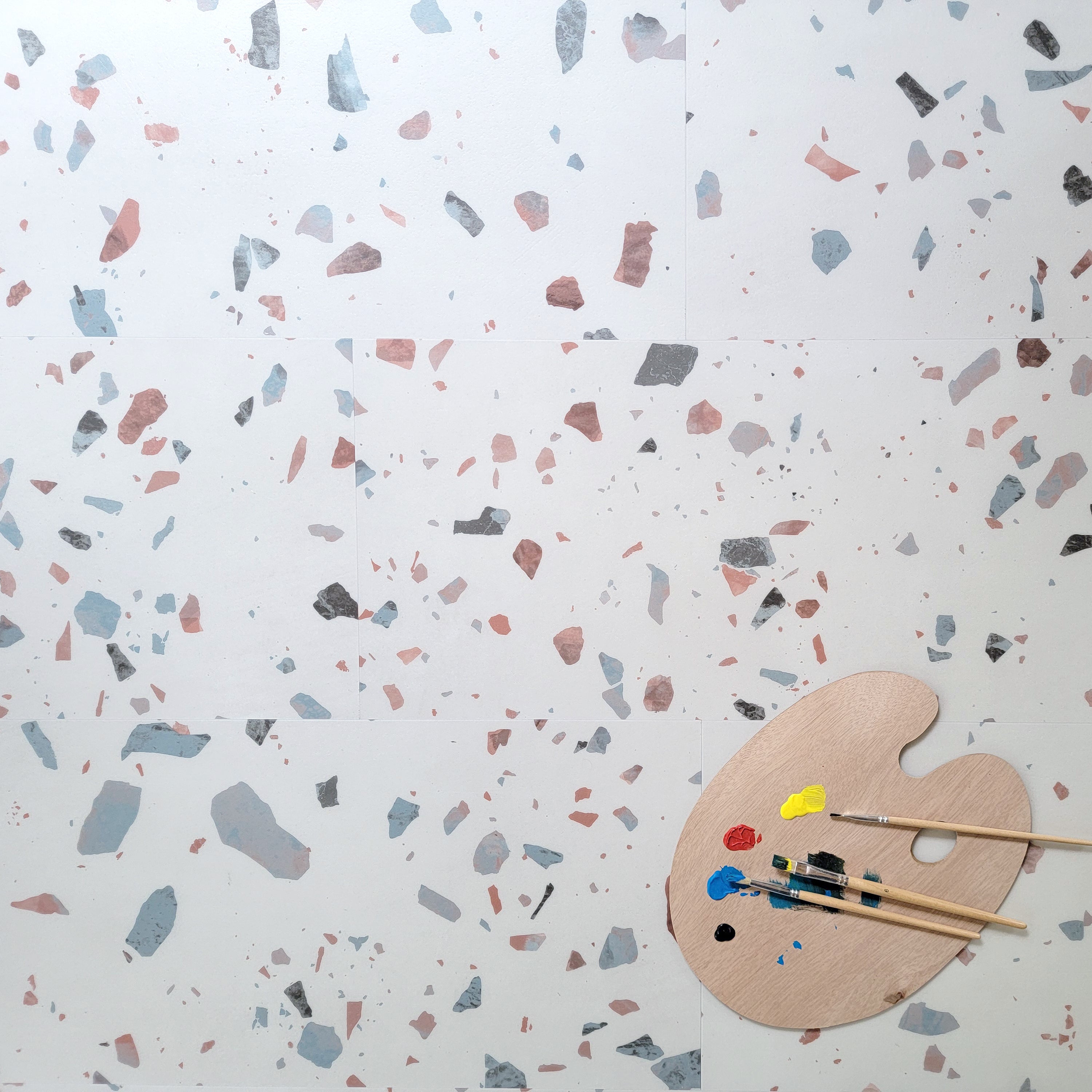
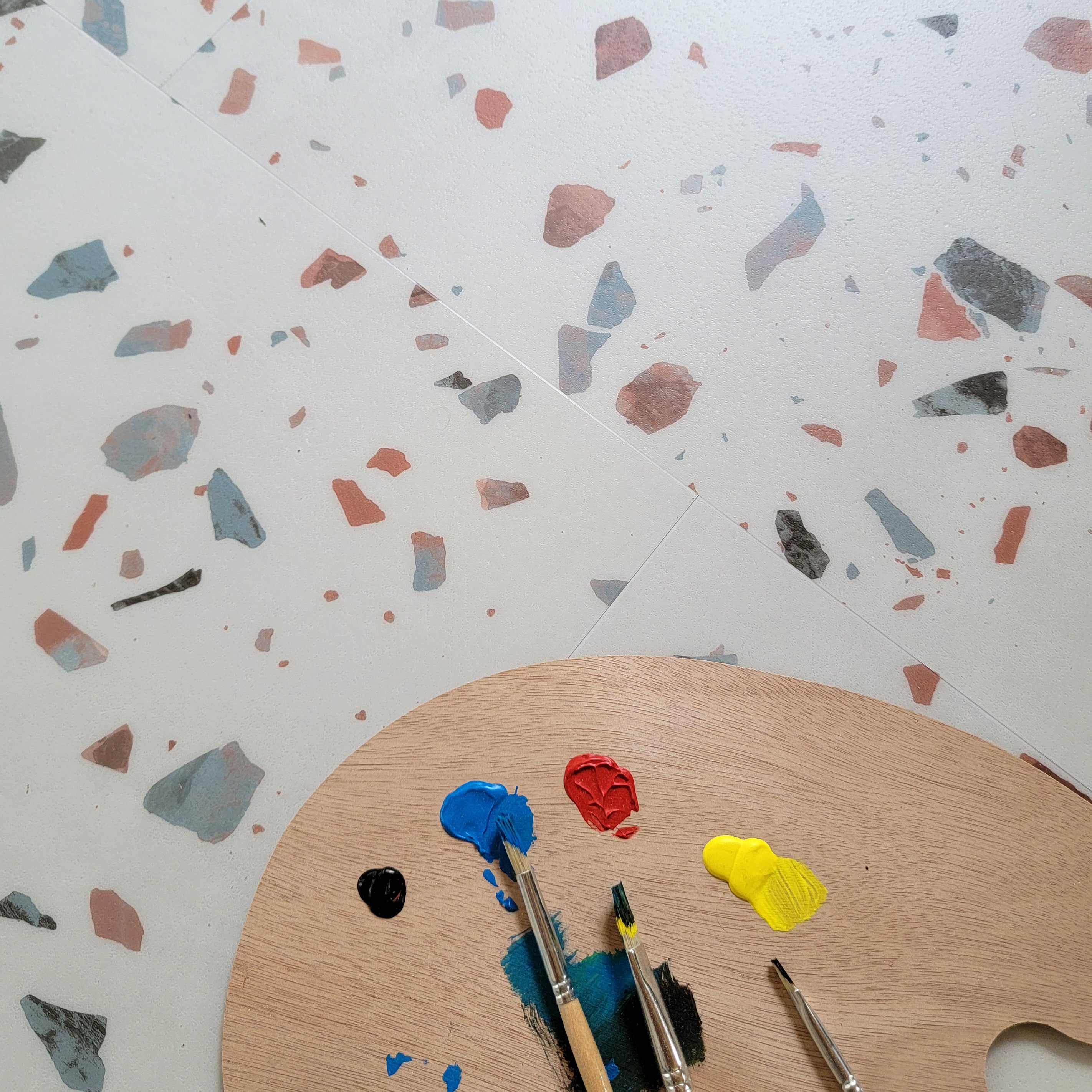
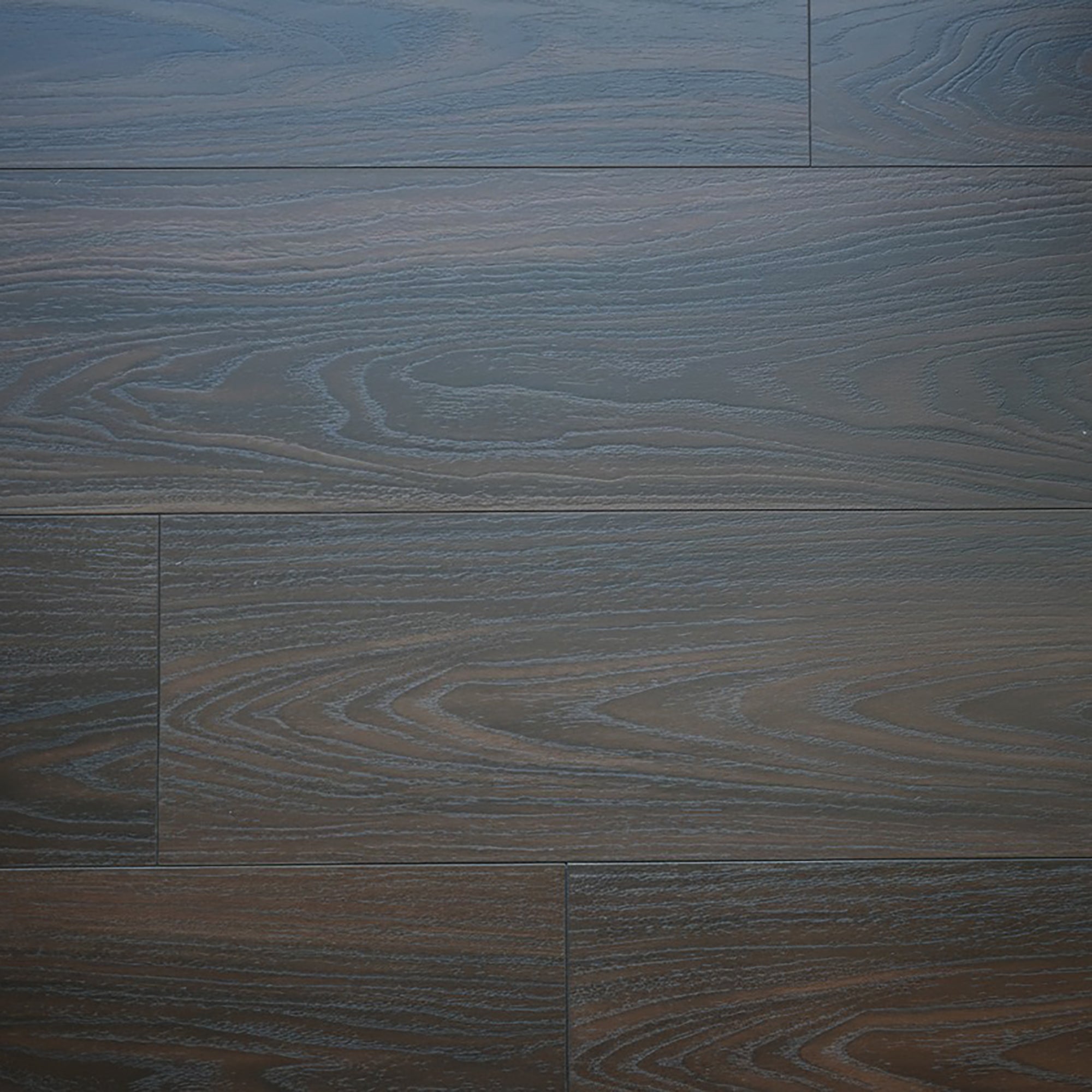
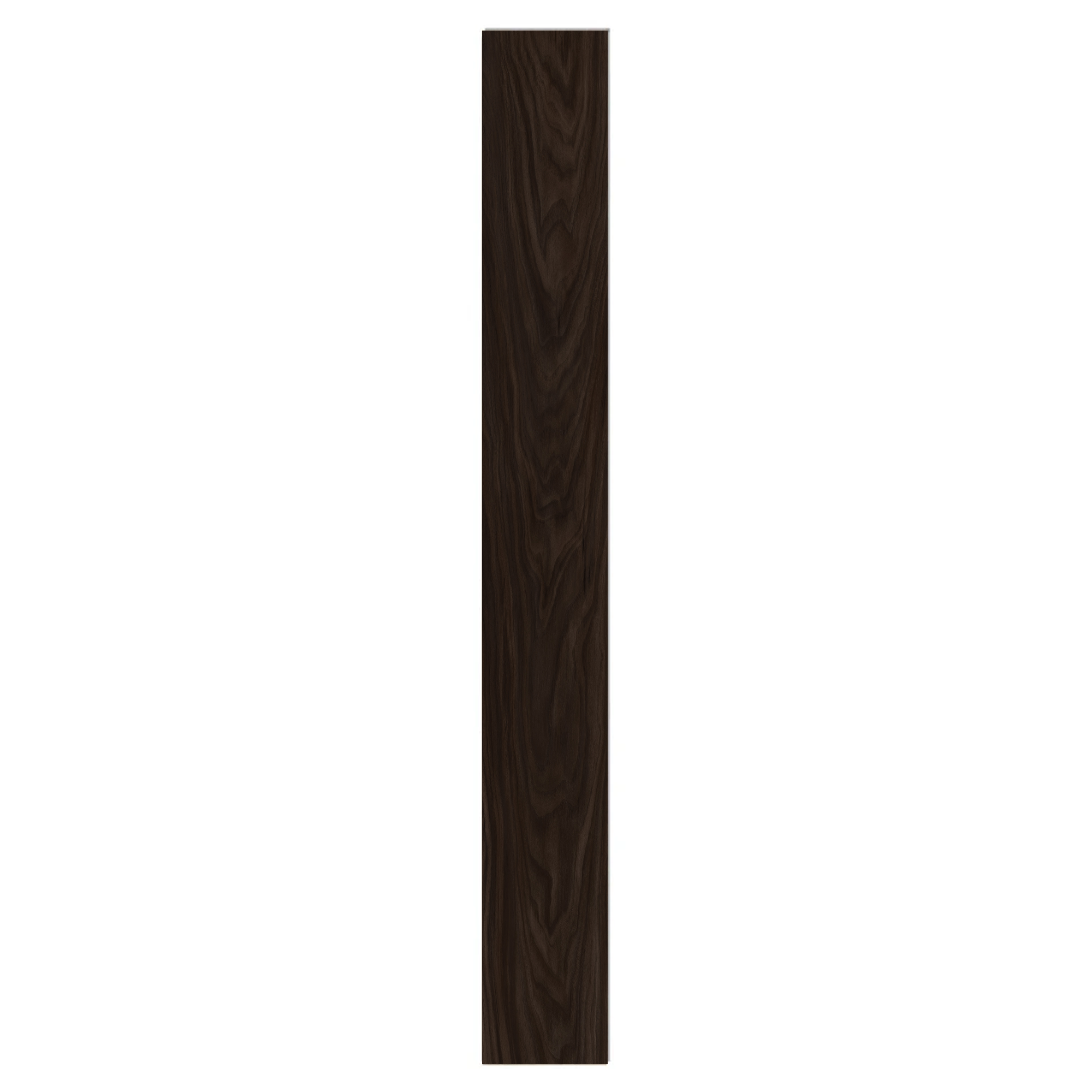
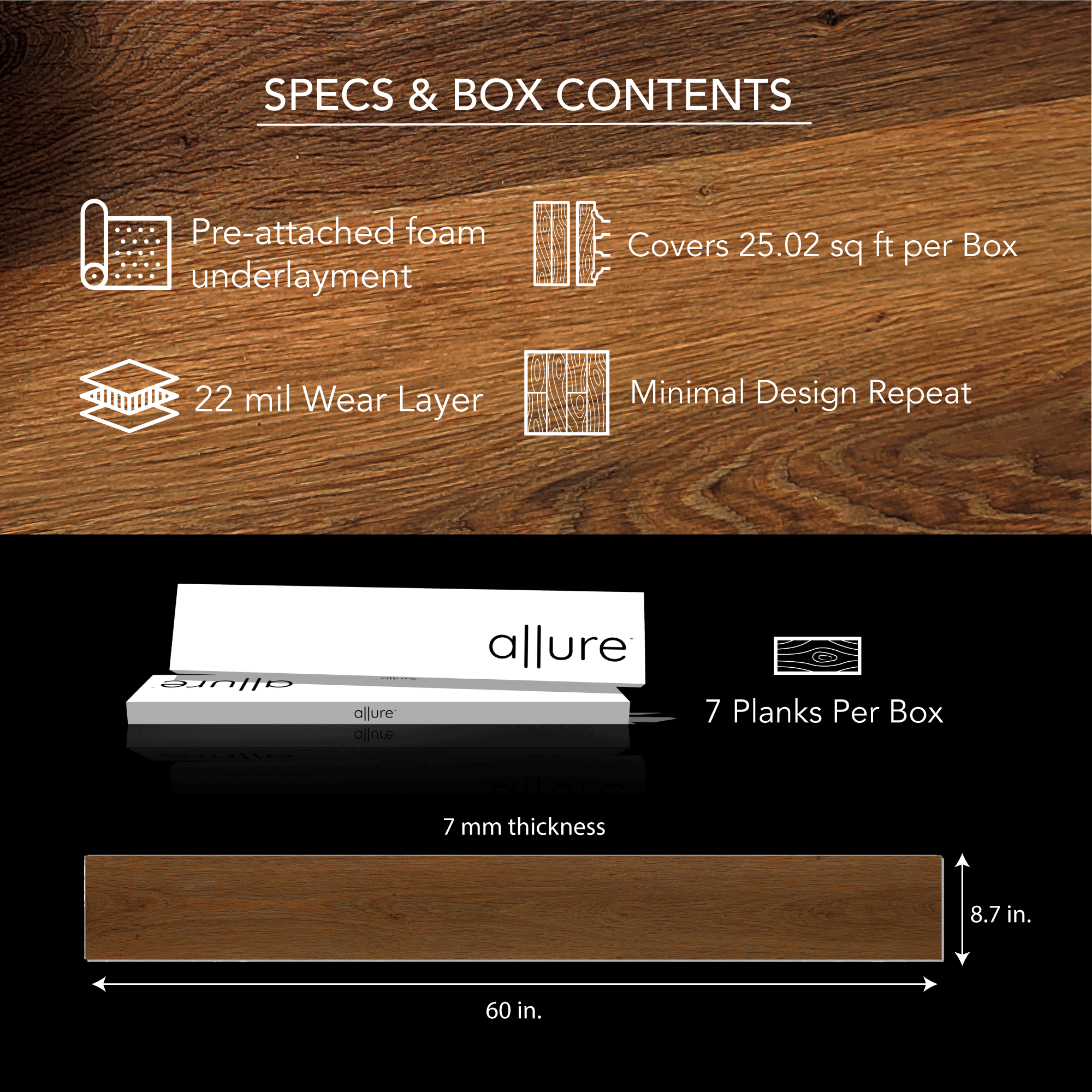
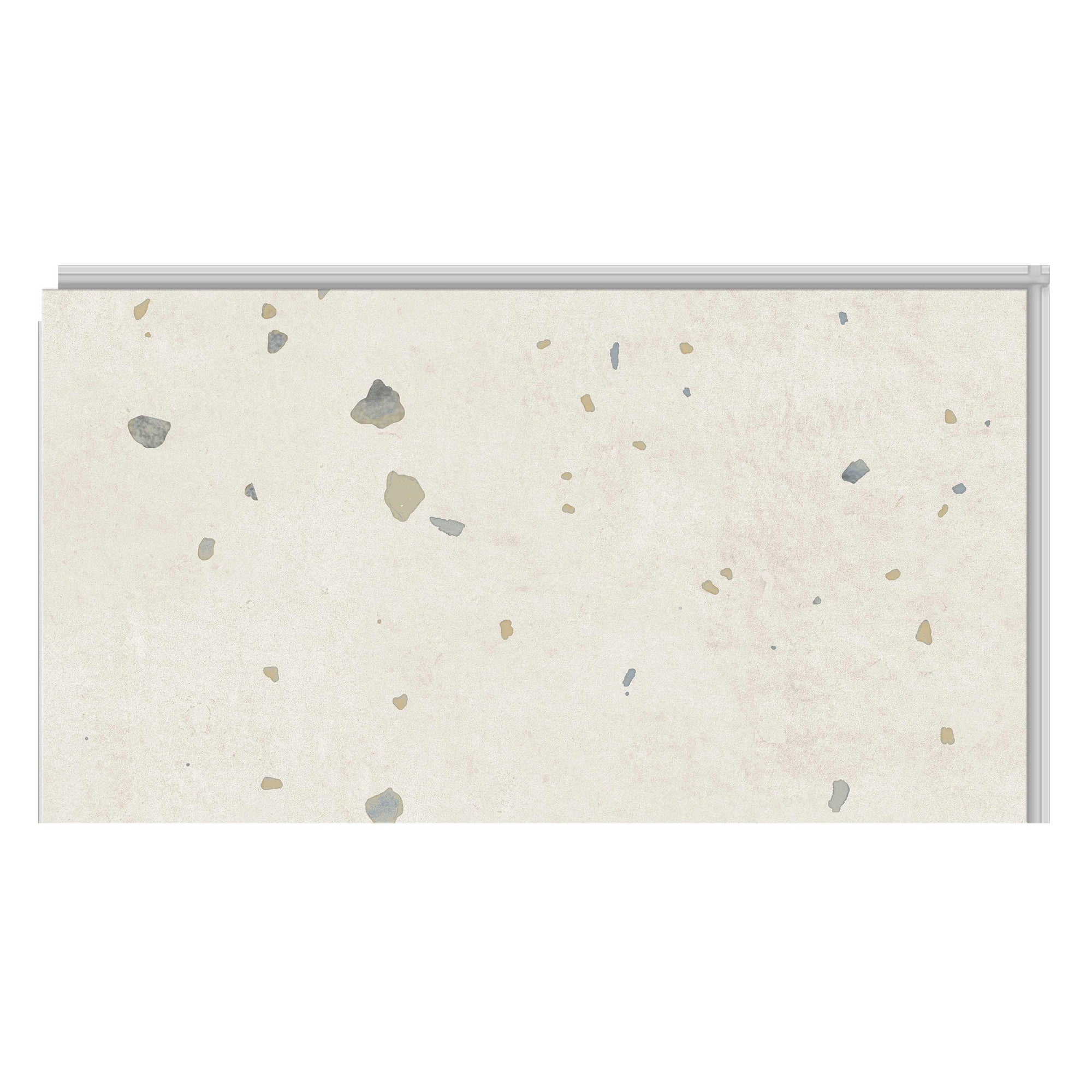
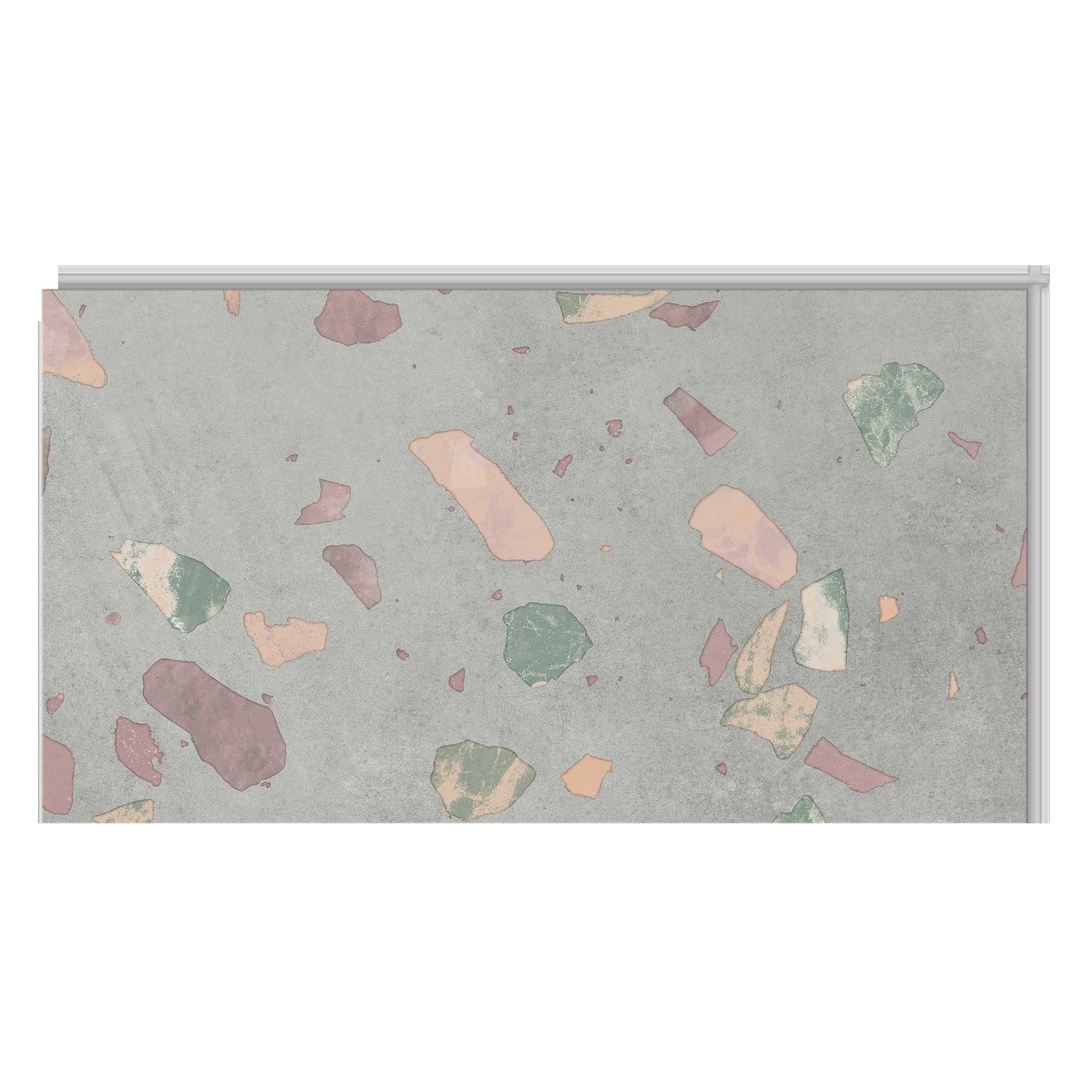
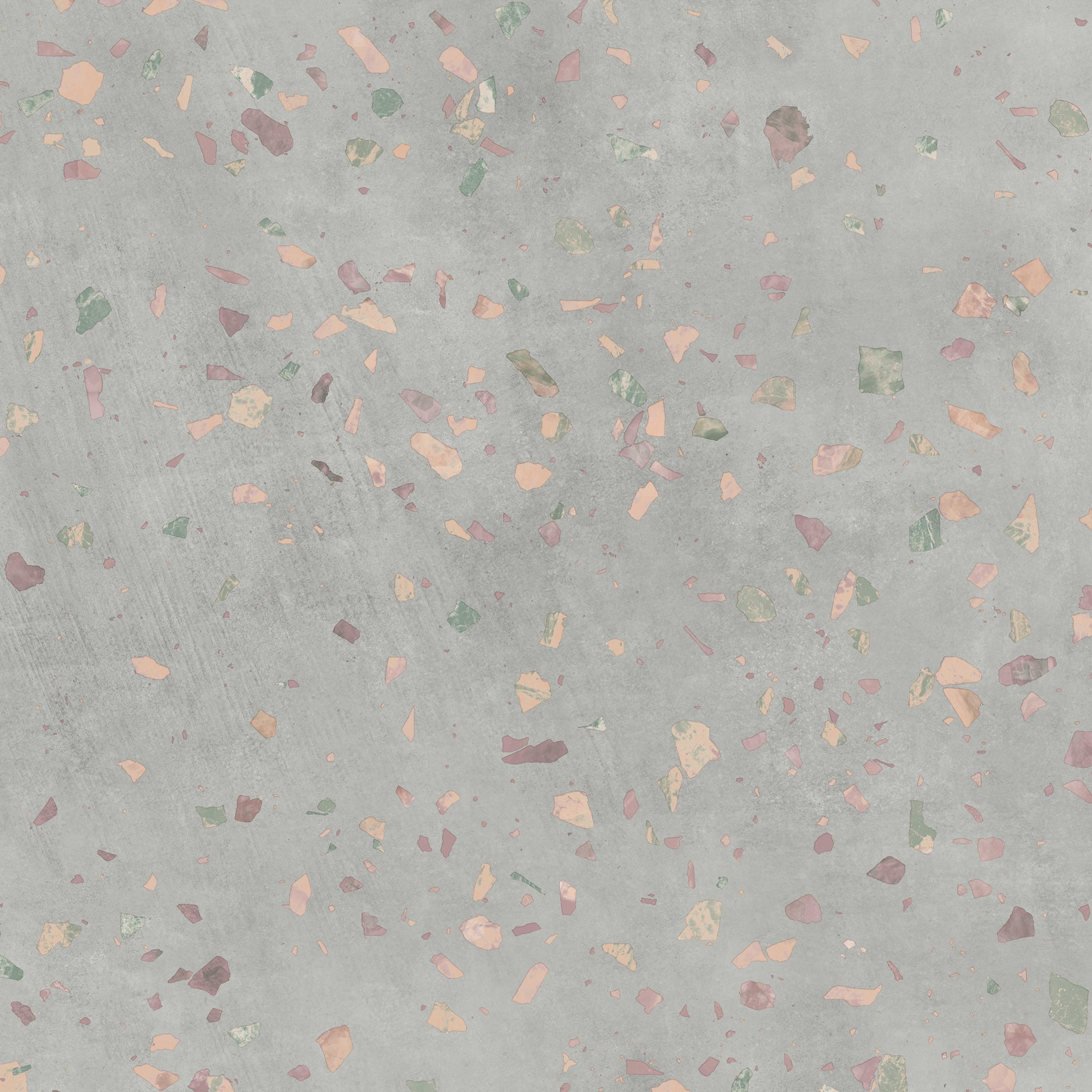
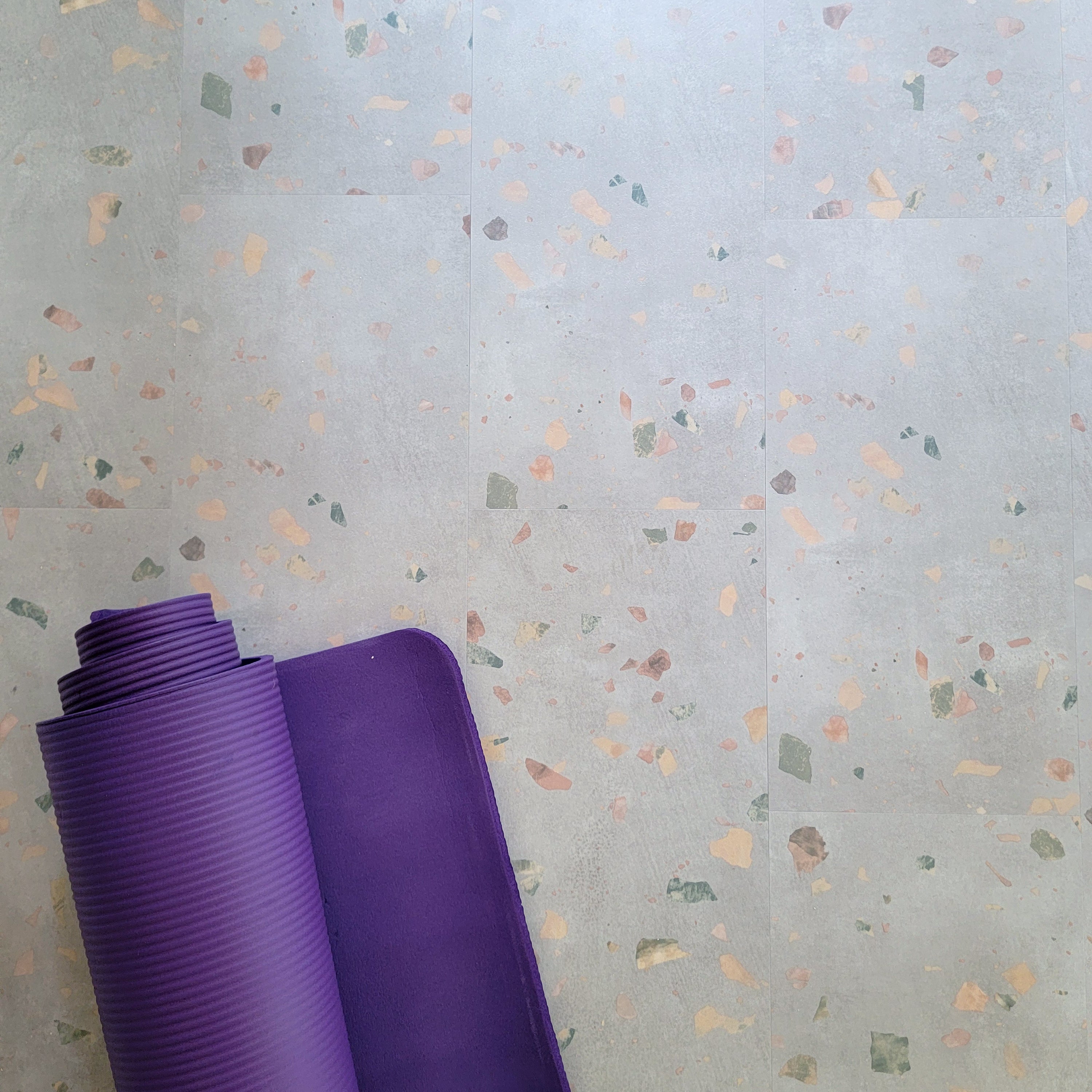
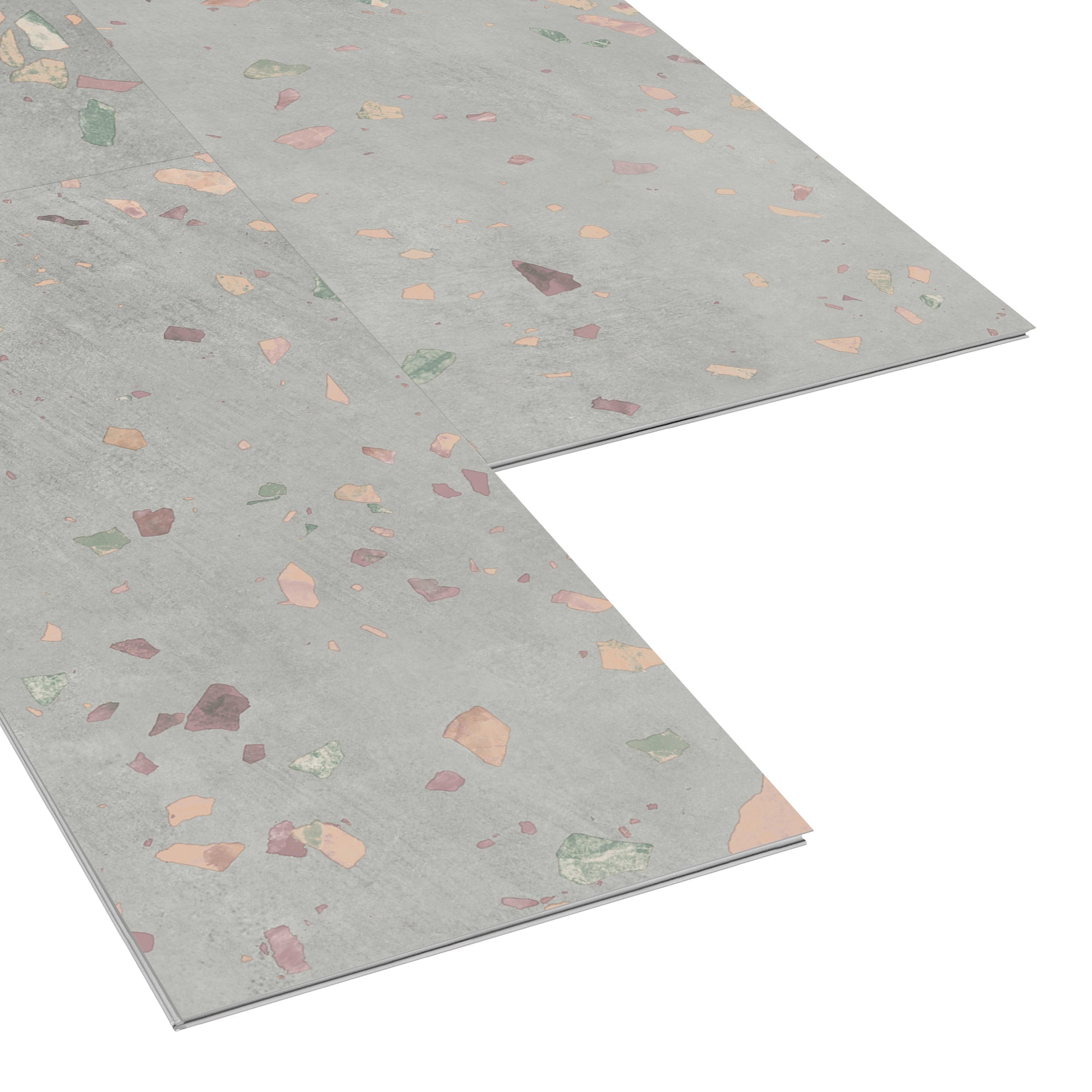
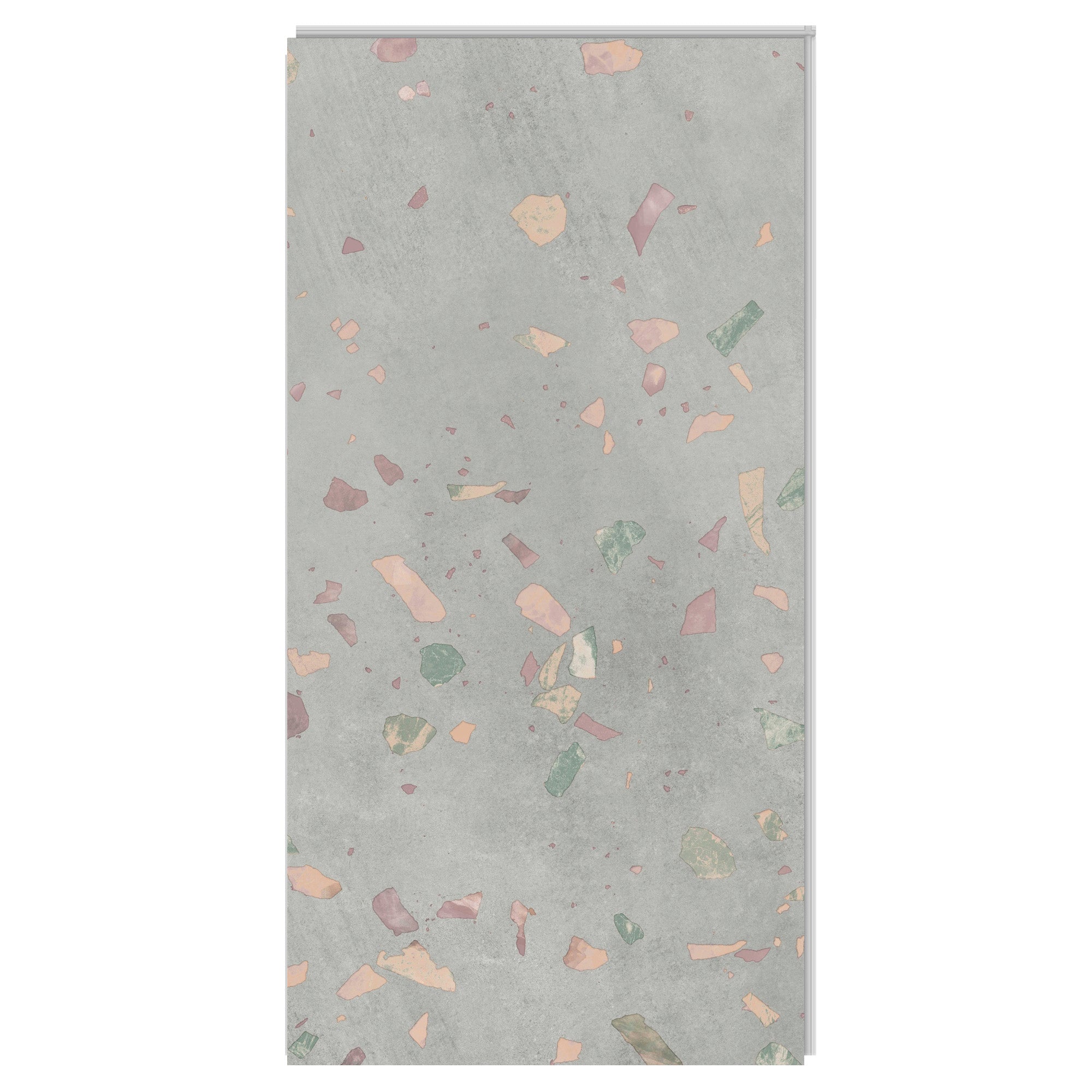
Whether it's our 8mm vinyl plank flooring or our 6.5mm terrazzo tiles, we've got the easy click together vinyl floors you need. Install your LVP flooring faster and easier with our tap-in click lock flooring system.
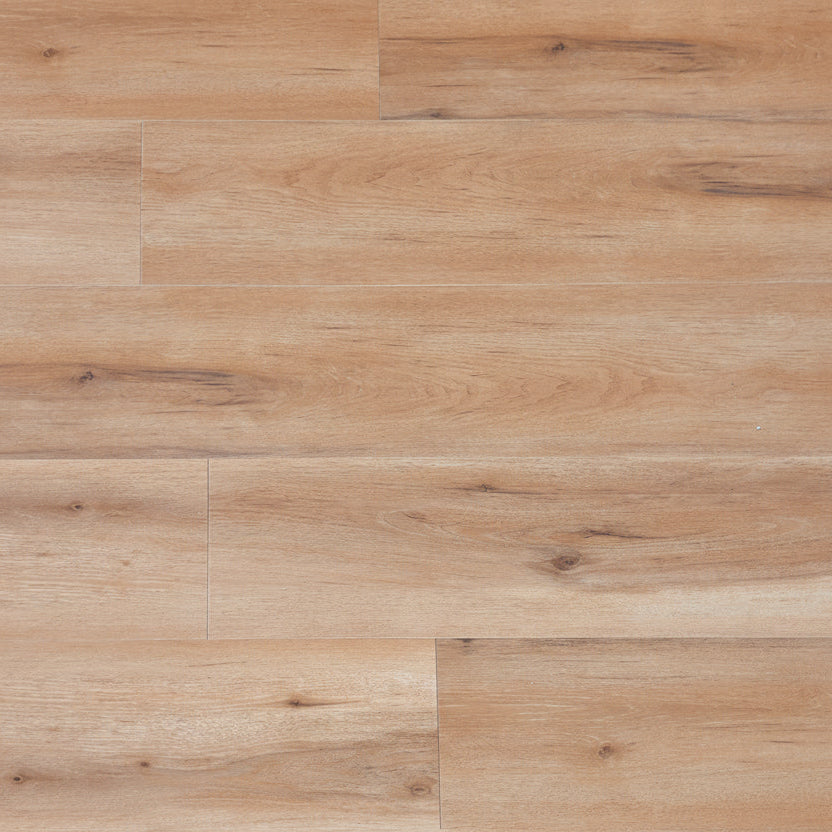
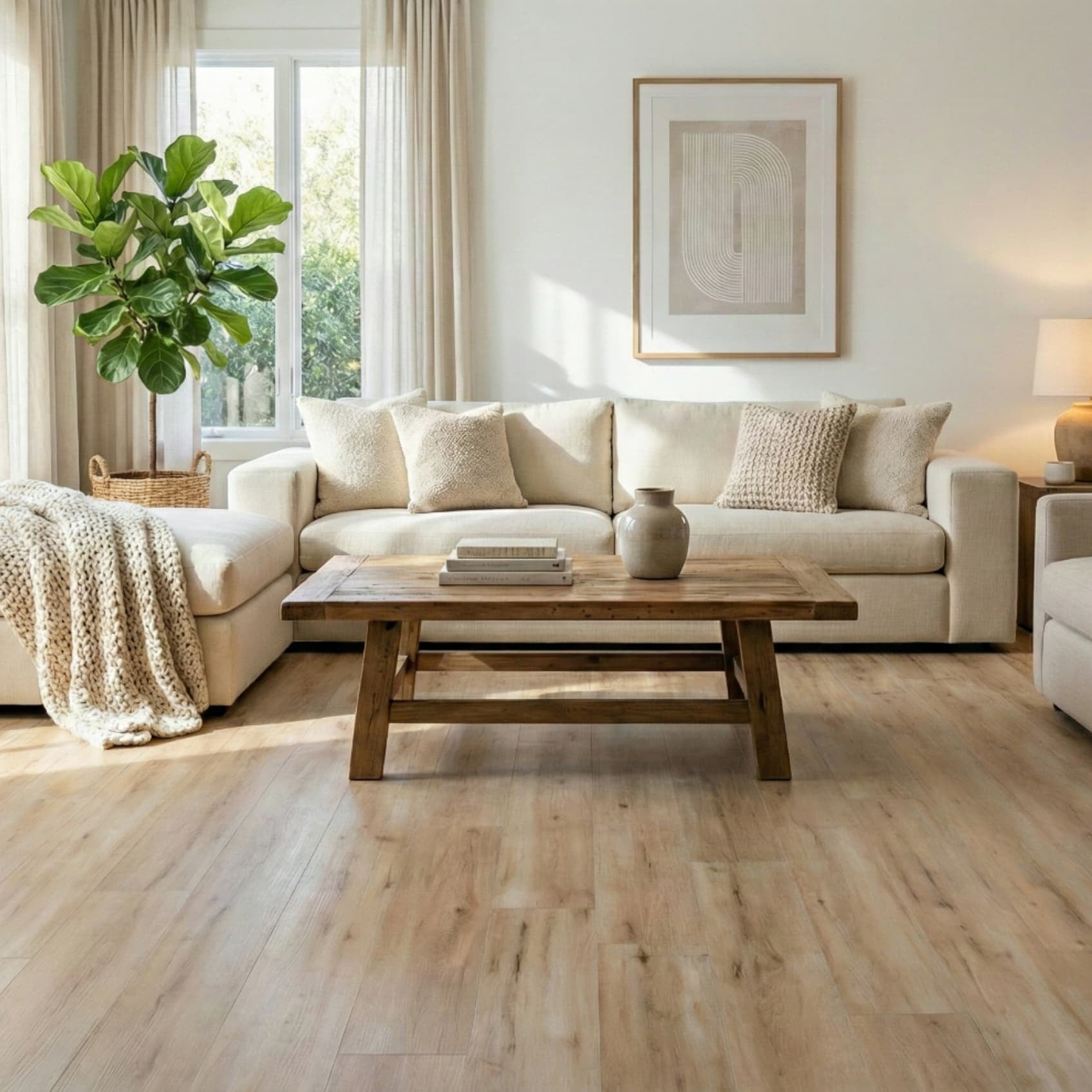
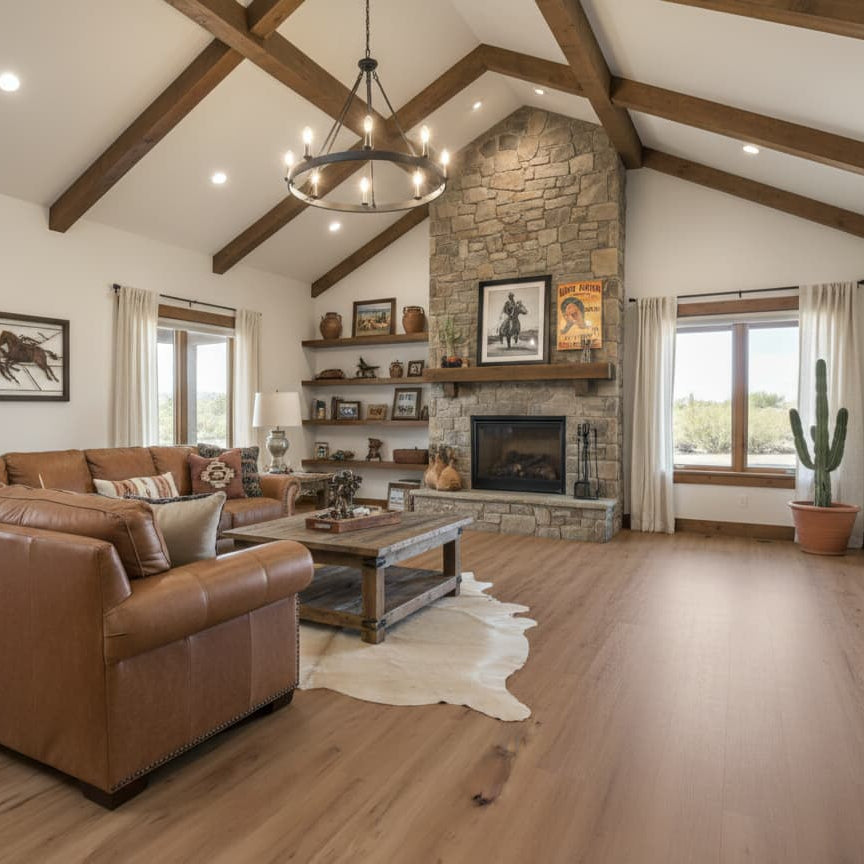

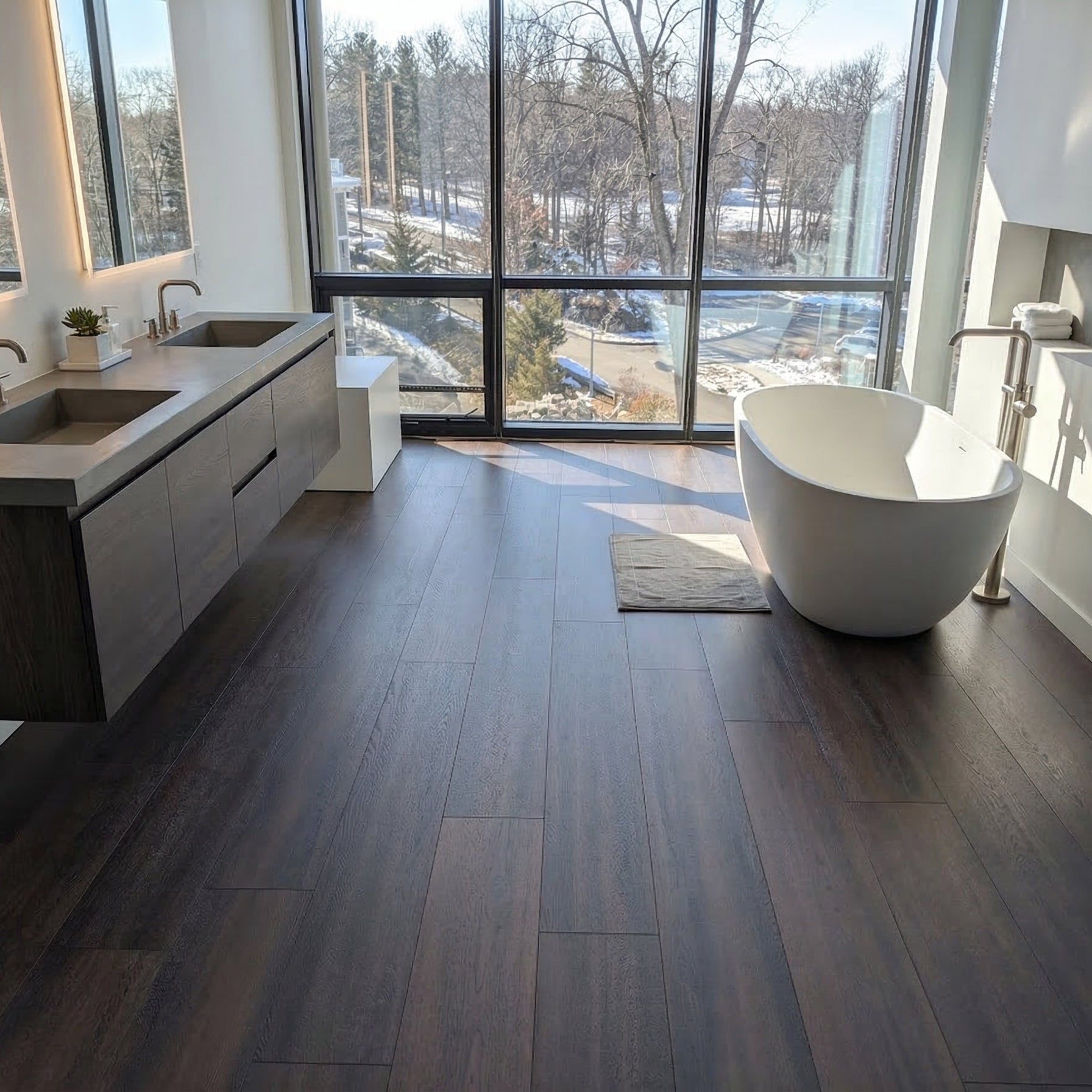
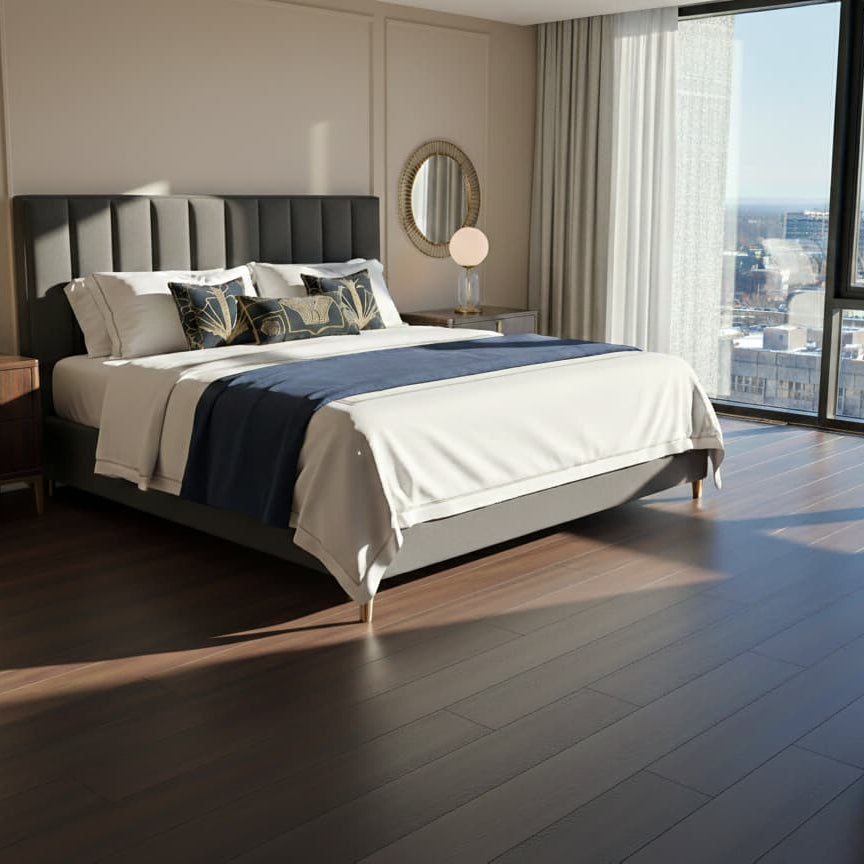
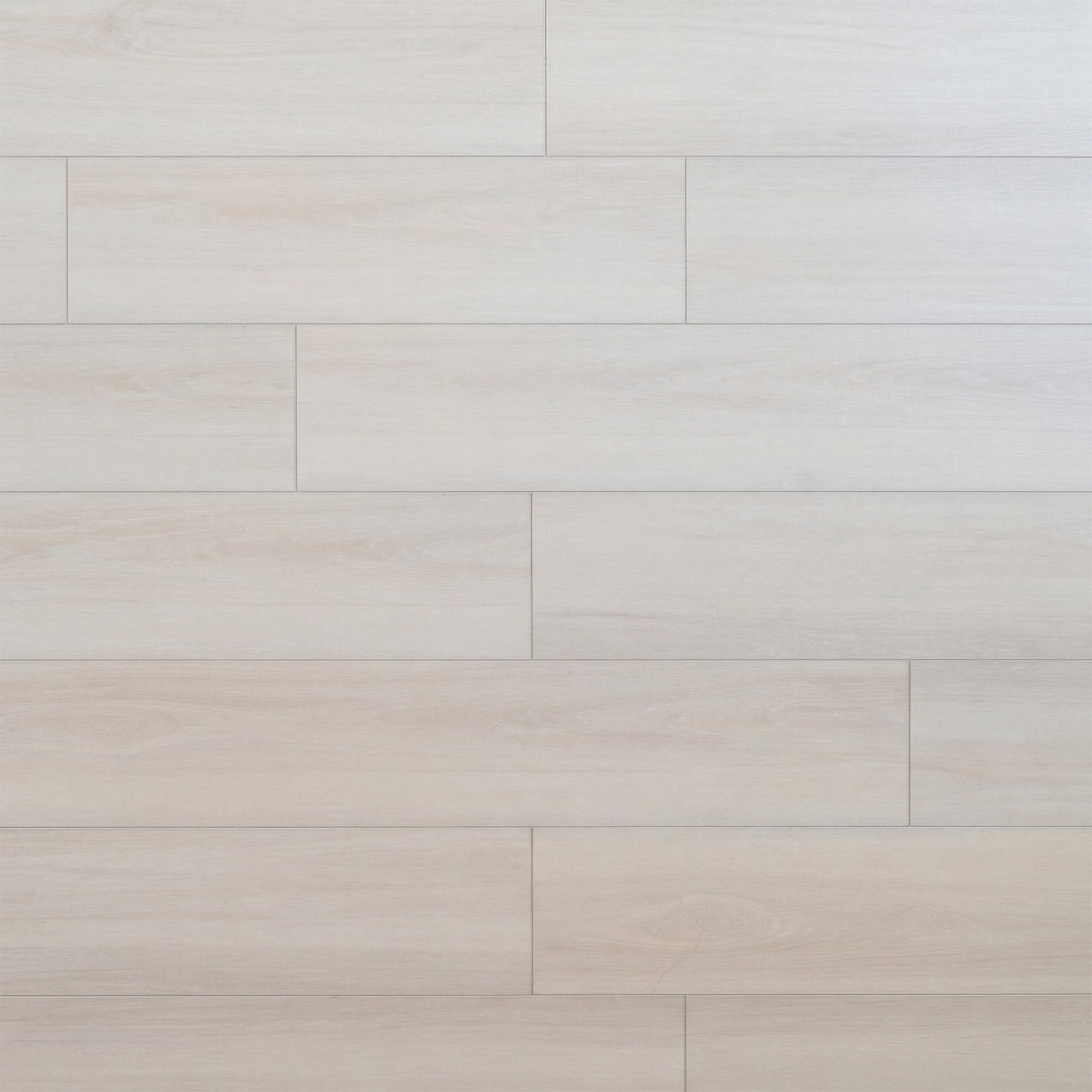
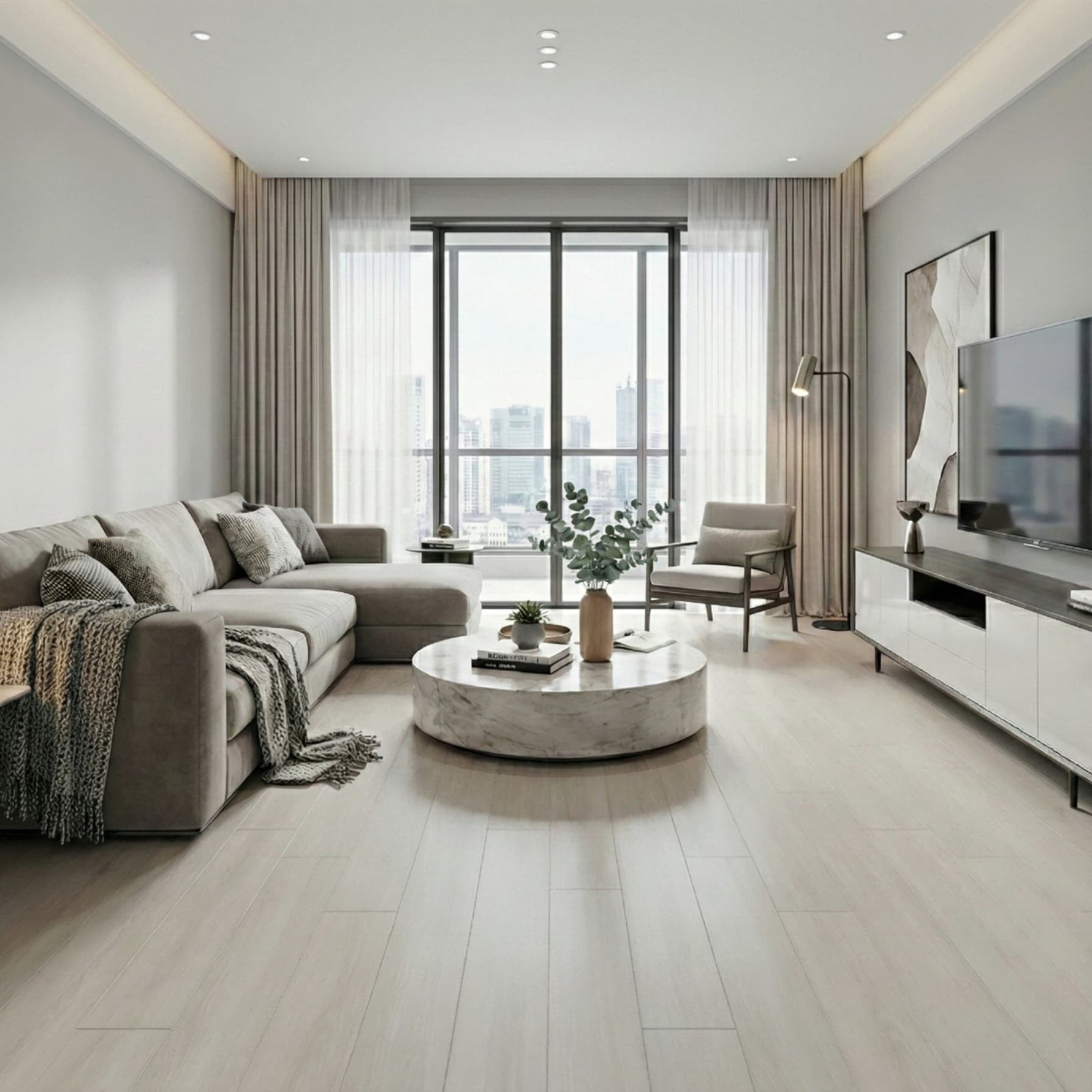










































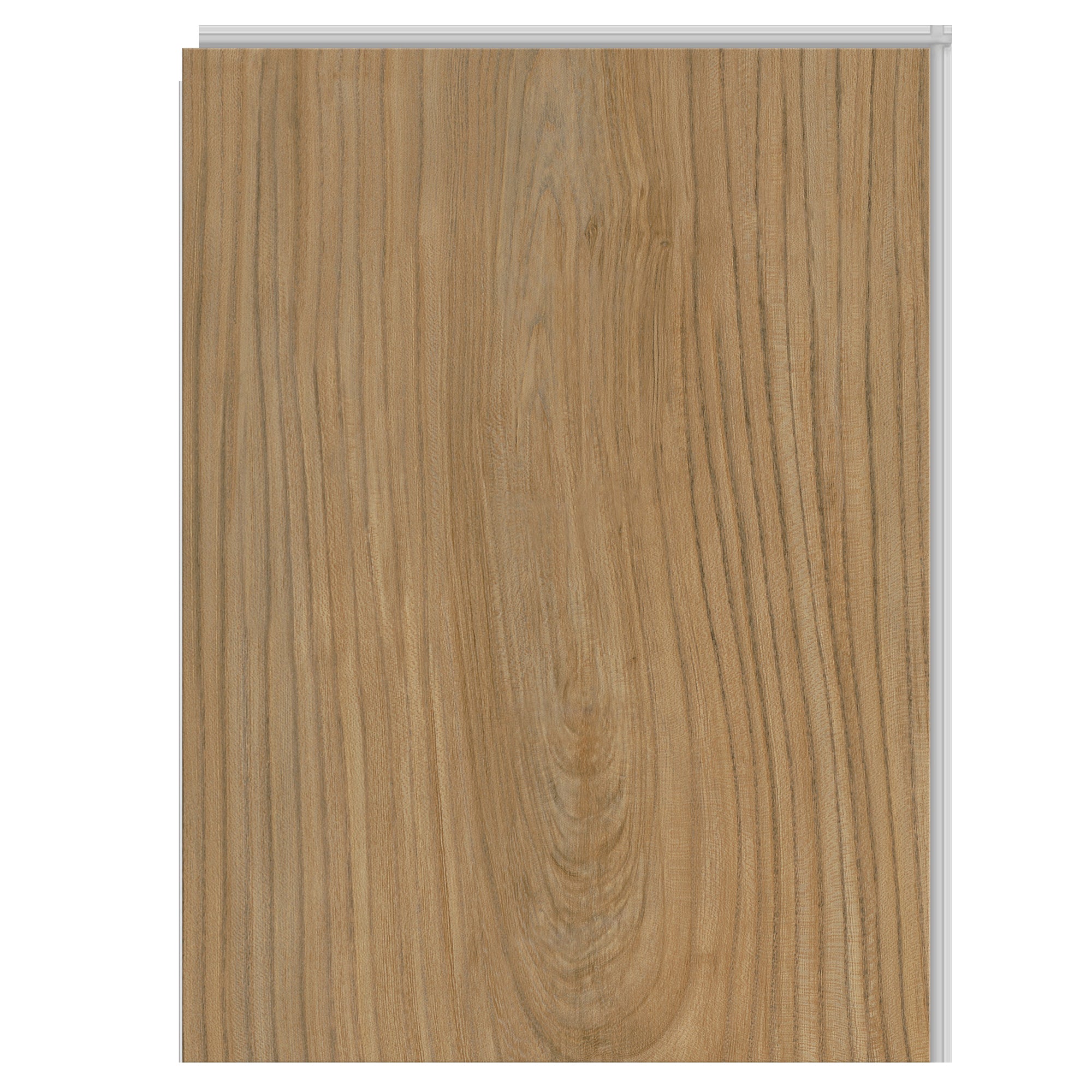
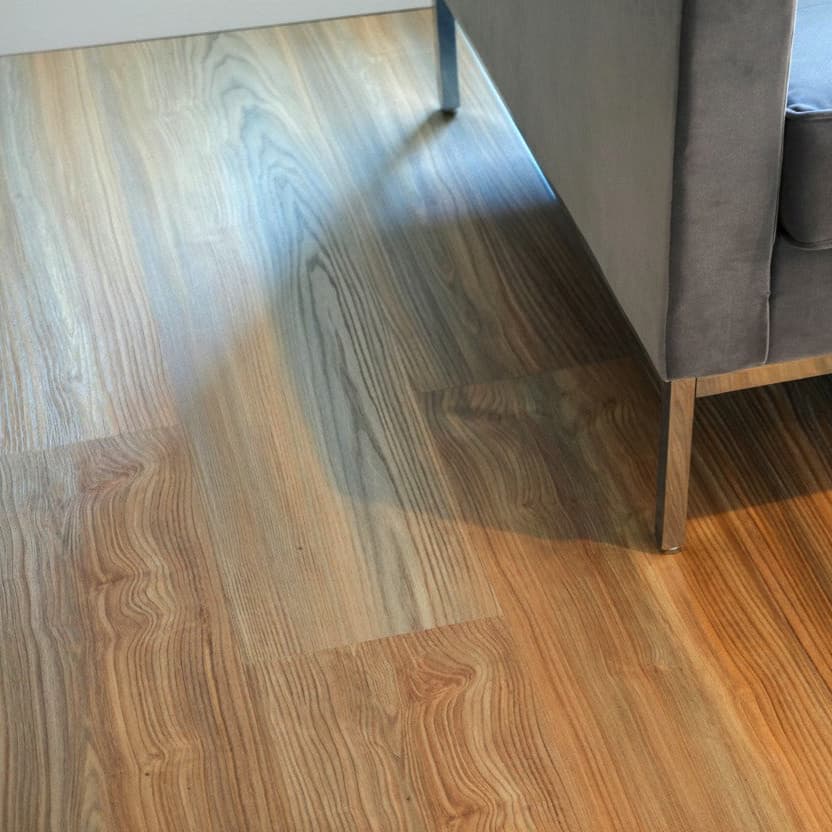
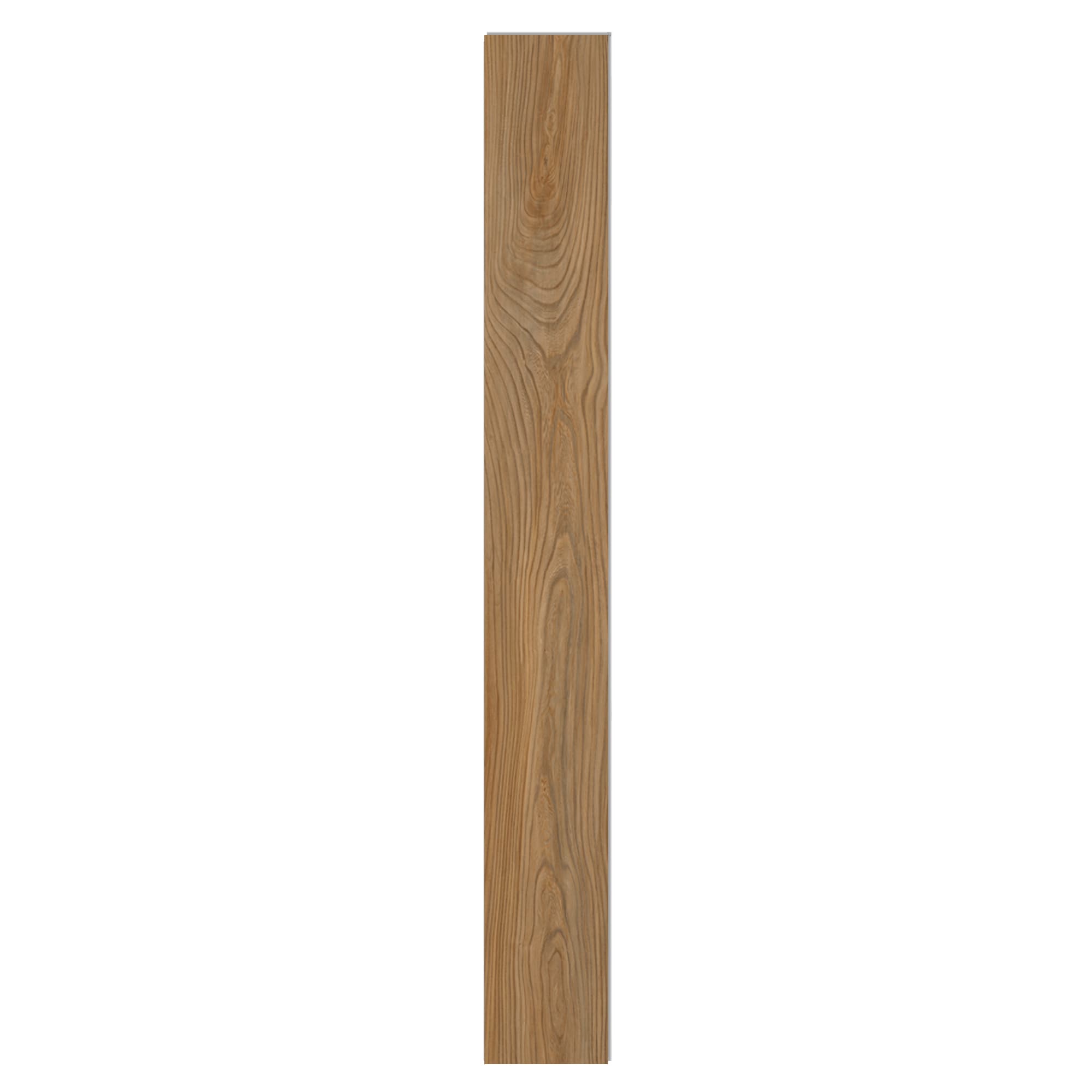
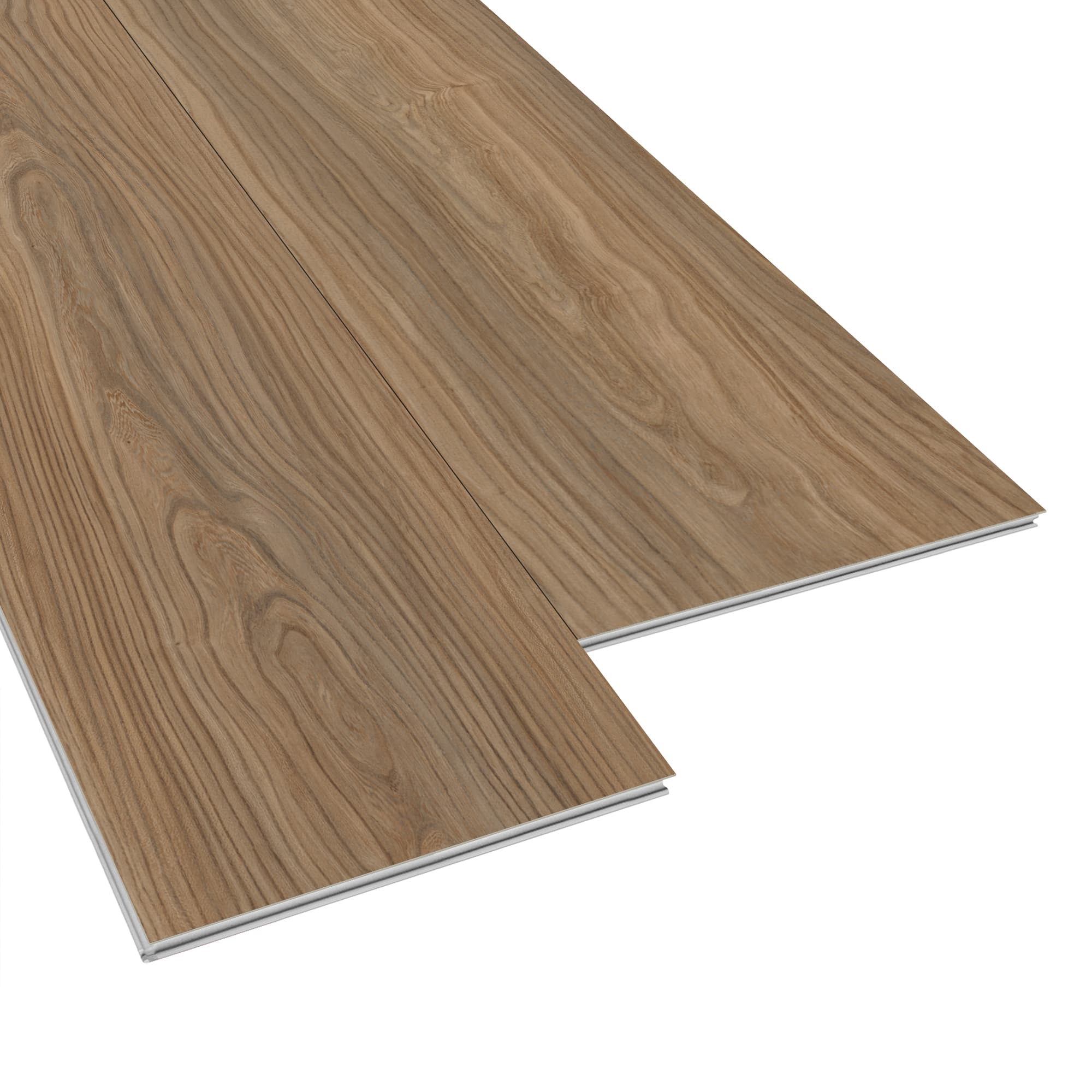




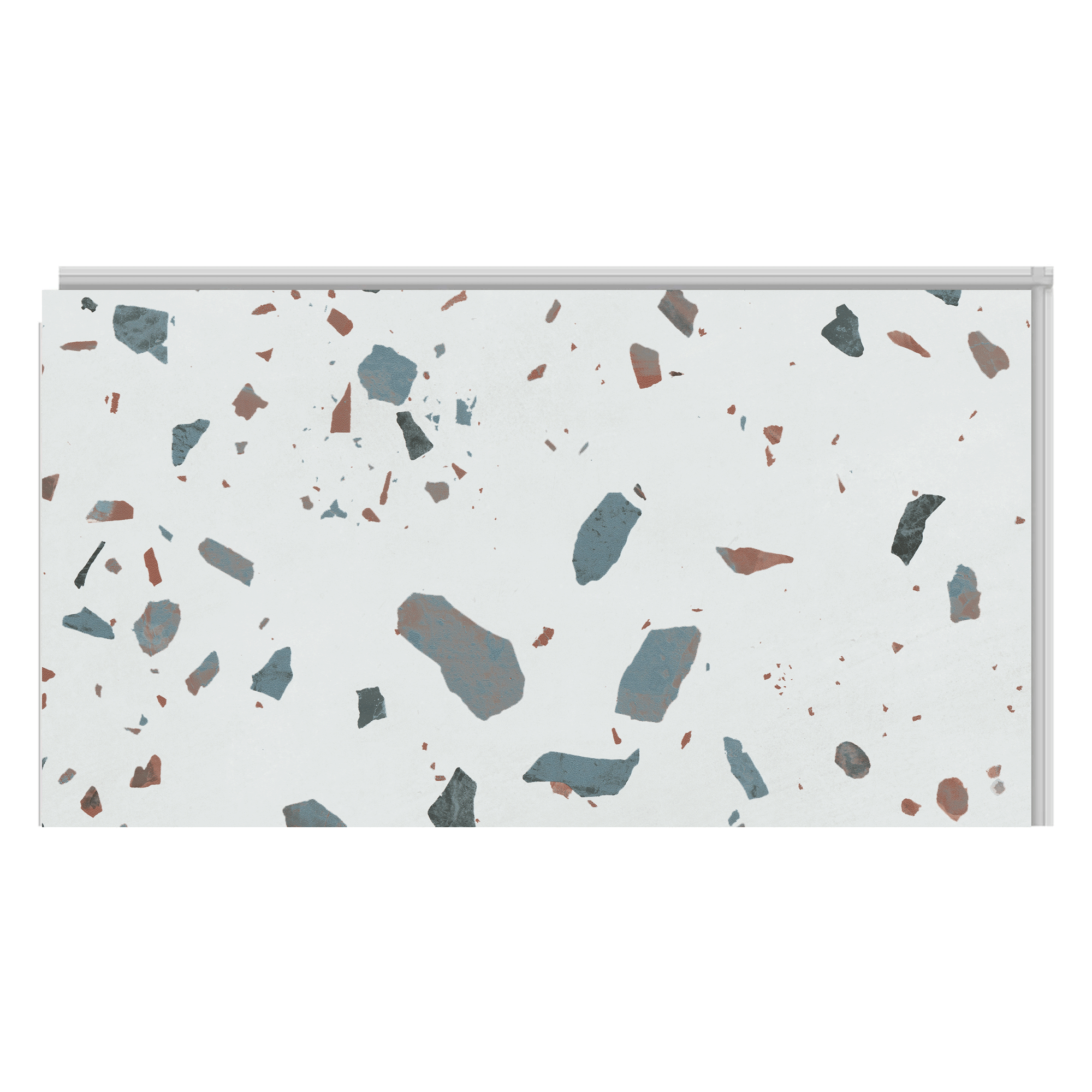
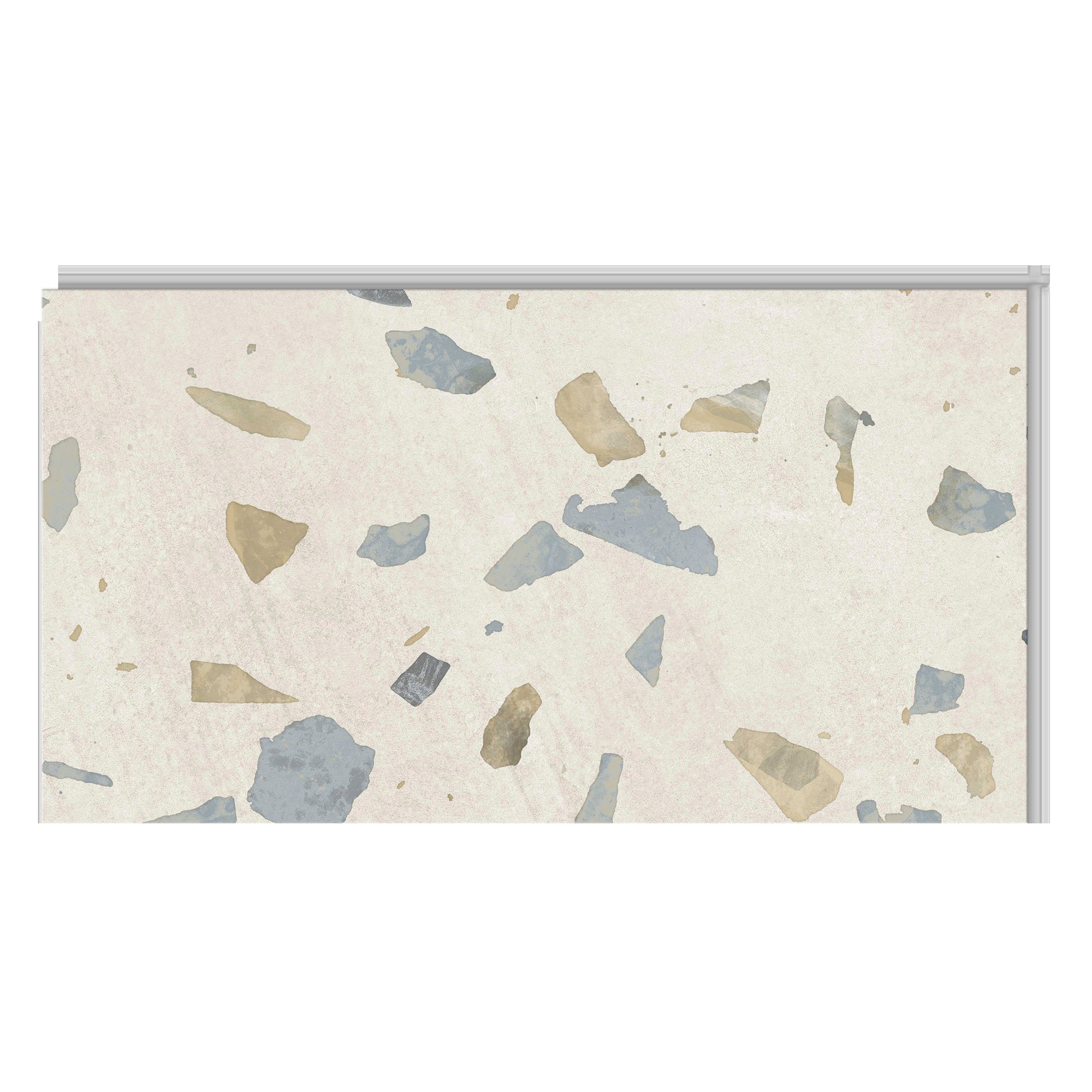
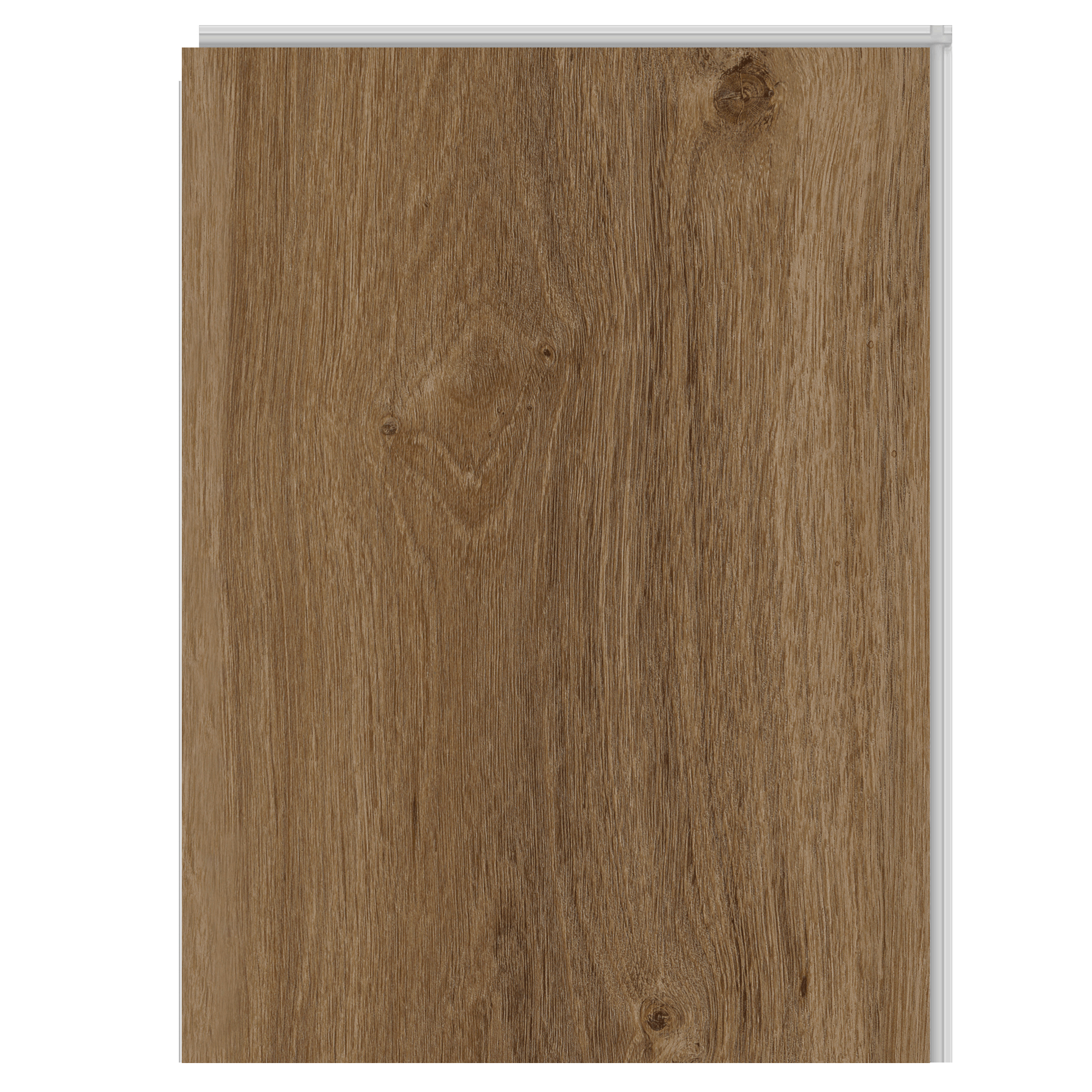
Click Lock Vinyl Flooring FAQs
Are tools needed to click and lock the flooring together?
Yes, tools are needed to properly engage click and lock flooring joints. A tapping block and rubber or plastic mallet are used to properly connect the side and end joints for each plank or tile.
Can click lock flooring go over existing floors?
Most rigid core vinyl floors (including Allure) can be installed over most tile, wood, concrete, and even glued down vinyl floors. Individual installations may differ so always refer to the installation instructions or a professional flooring installer if you are not sure.
Is click lock vinyl flooring waterproof?
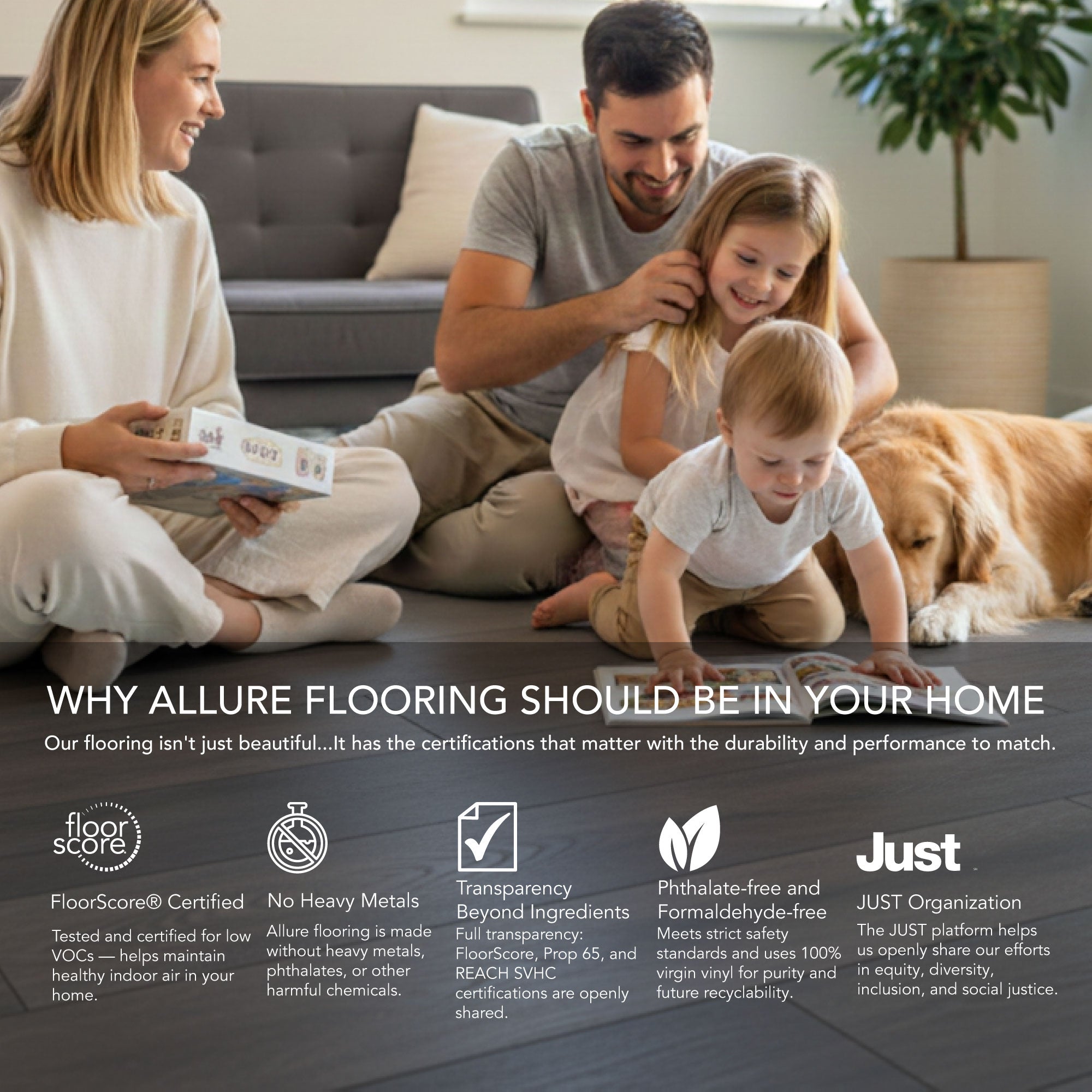
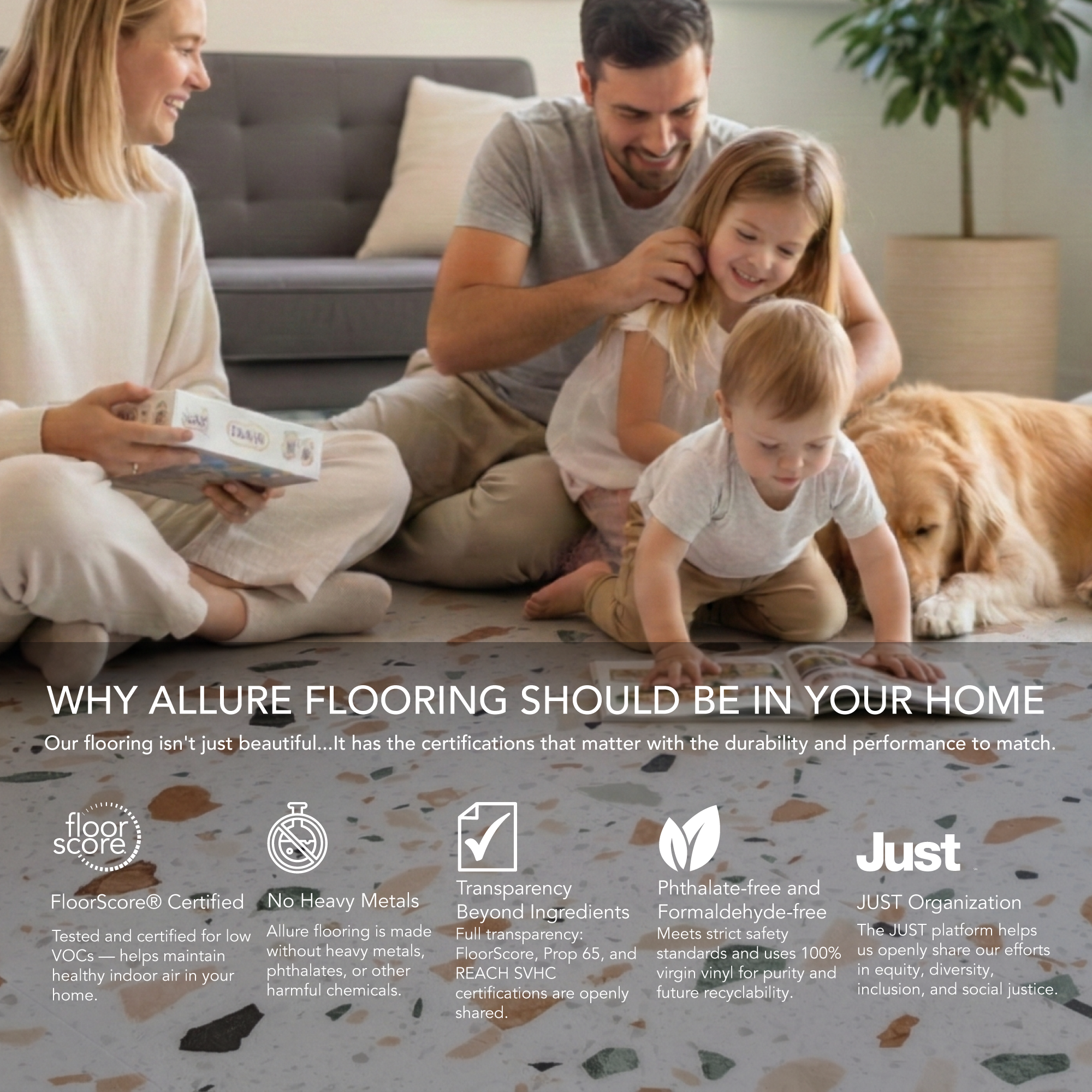
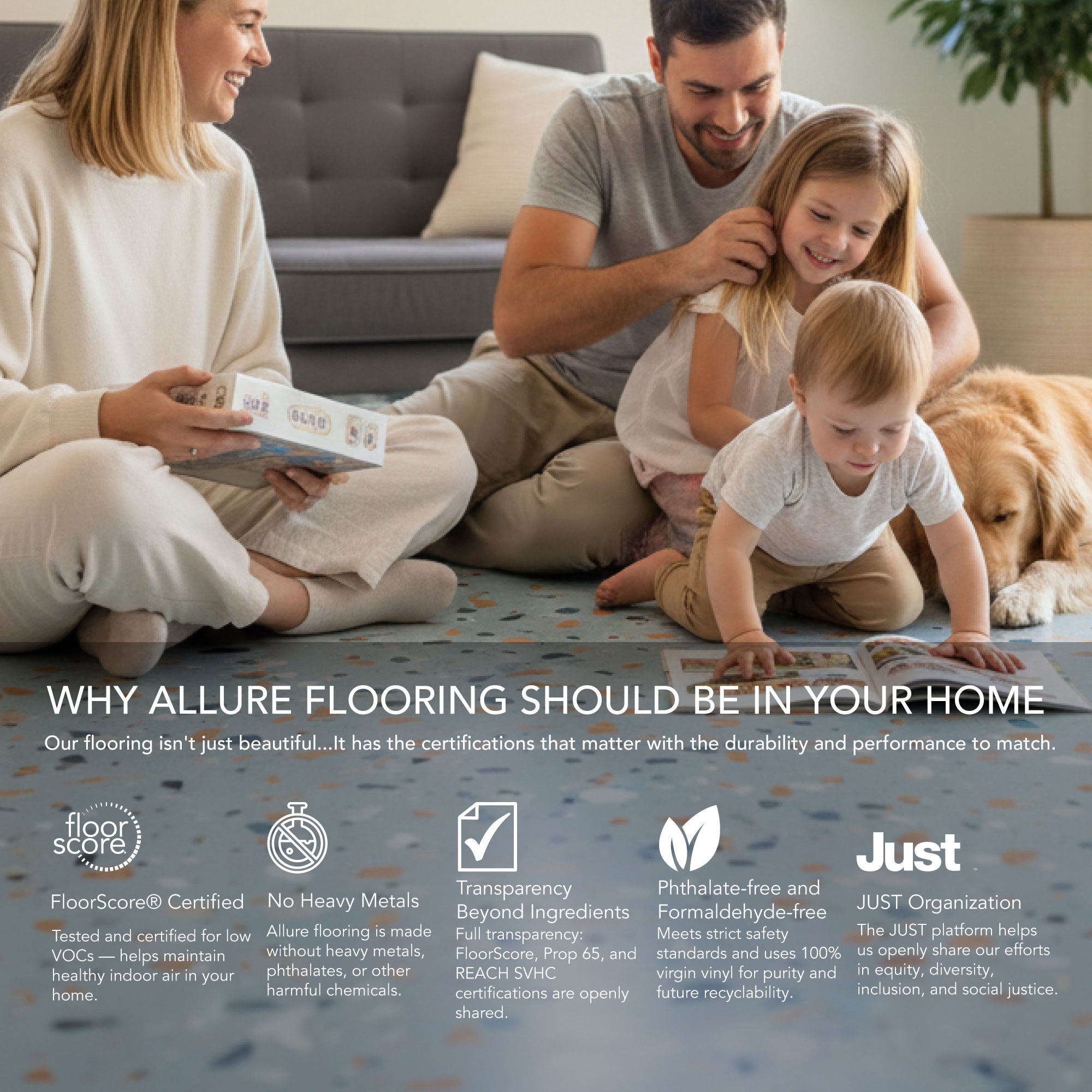
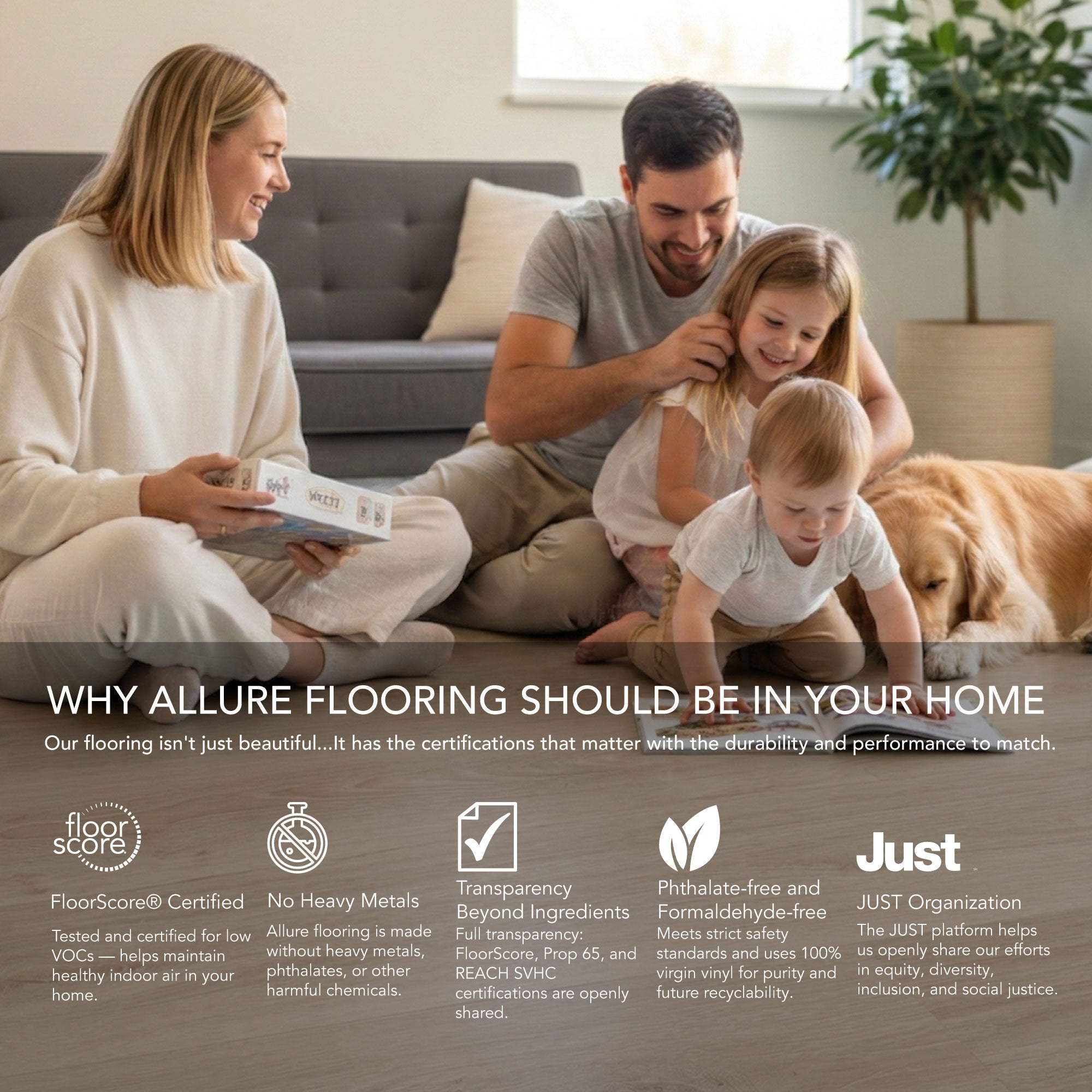
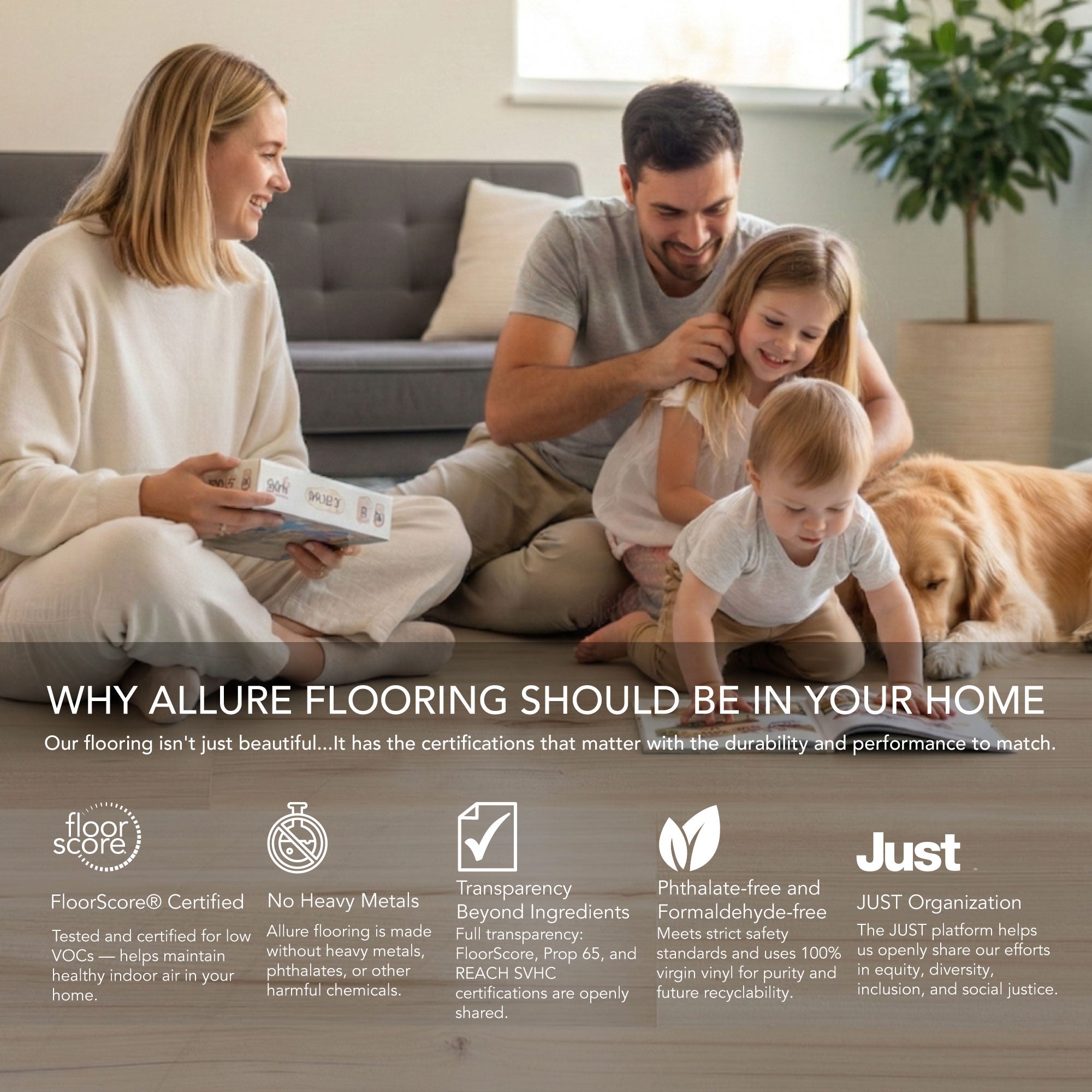
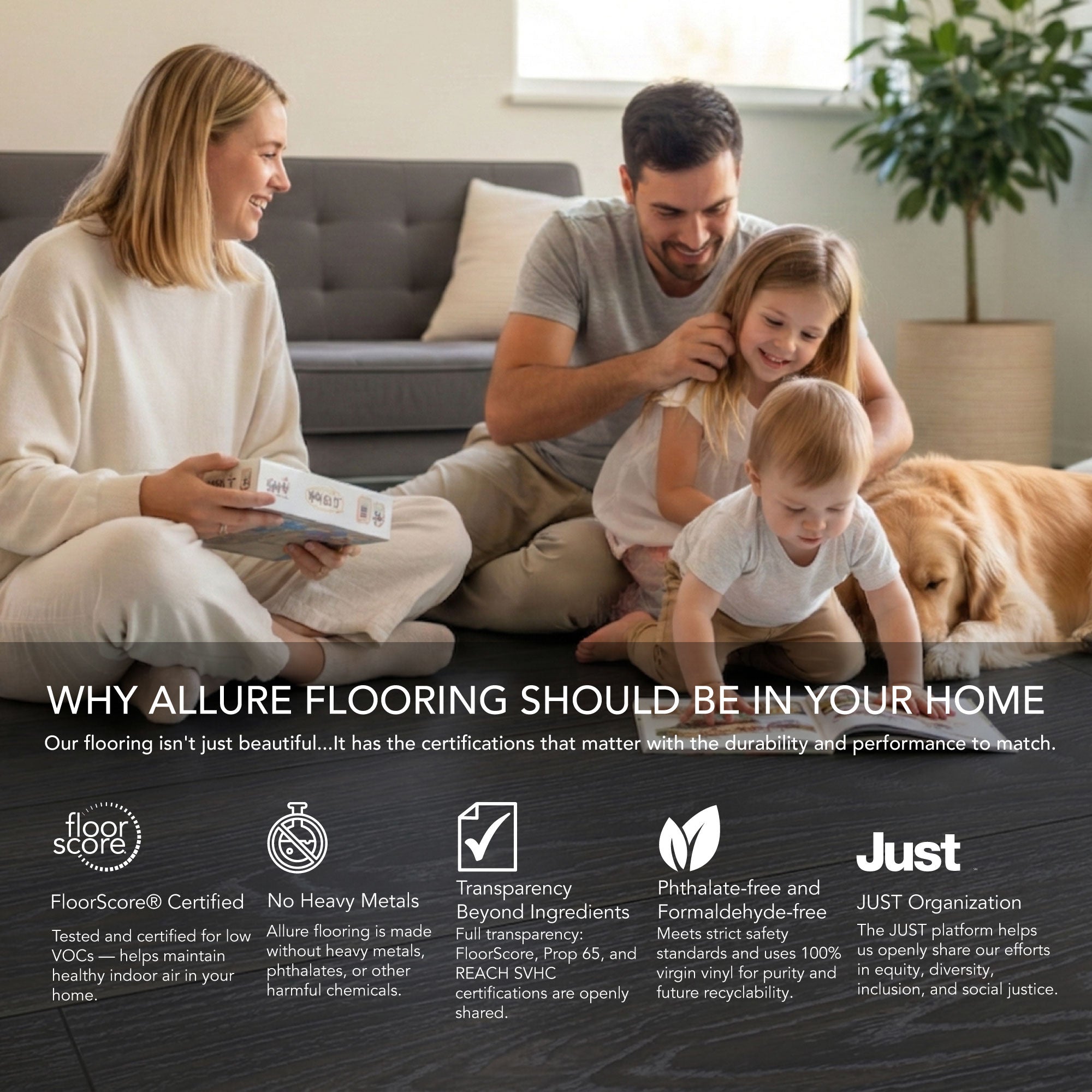
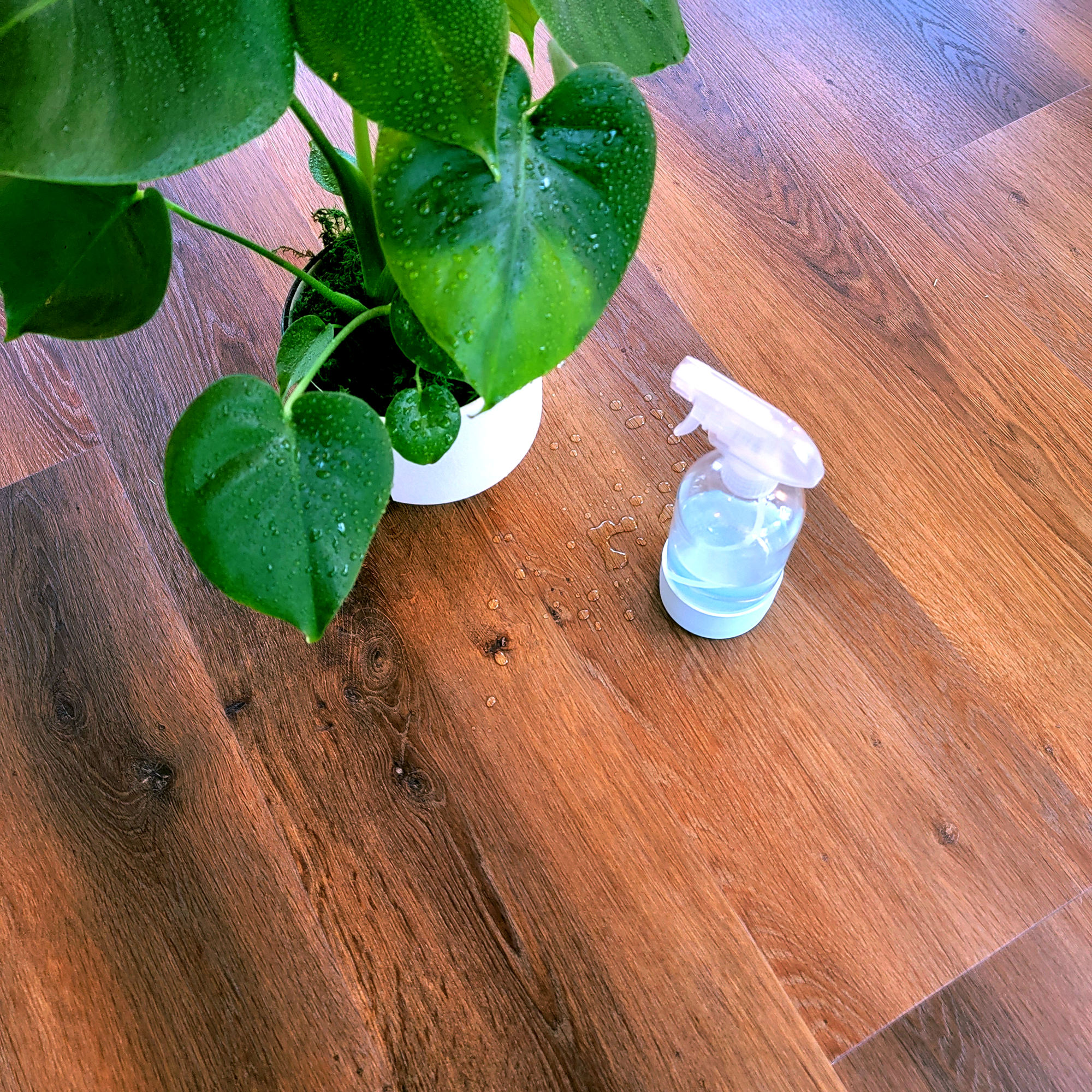
Yes, Allure rigid core vinyl flooring is 100% waterproof and ideal for kitchens, bathrooms, and basements.
Is click lock flooring easy to install?
Click lock vinyl floors use a drop-and-lock system that connects planks without glue or nails. This type of flooring installation is very DIY friendly and only requires a limited amount of tools.
How durable are the connections for click lock flooring?
When installed on a flat solid subfloor, click and lock vinyl flooring connections are very durable. Separation of a properly engaged click lock flooring joint is usually the result of improper installation or poor subfloor preparation.
Can I glue or nail down click lock flooring?
No, click lock flooring is a floating floor and should not be glued or nailed down. A floating floor needs to be able to move over the subfloor if needed and should also have an expansion gap around the perimeter of the installation to allow room for movement.